Table of Contents >> Show >> Hide
- What Is an Impact Driver?
- How Does an Impact Driver Work?
- Impact Driver vs. Drill: What’s the Difference?
- What Is an Impact Driver Used For?
- When Should You Not Use an Impact Driver?
- Key Features to Look For in an Impact Driver
- Impact Driver Bits: Use the Right Accessories
- How to Use an Impact Driver Safely
- Do You Need an Impact Driver?
- Common Mistakes Beginners Make With Impact Drivers
- Real-World Experience: What Using an Impact Driver Actually Feels Like
- Conclusion
- SEO Tags
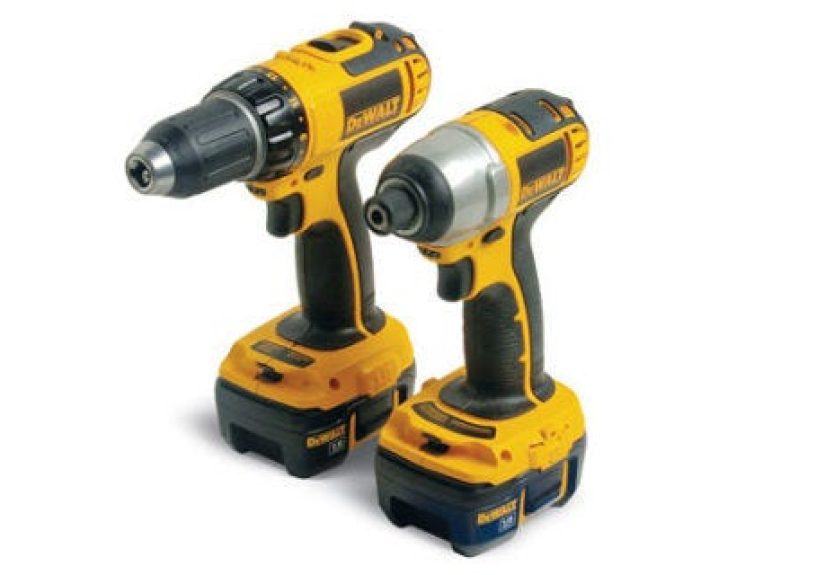
If a regular drill is the dependable family sedan of the tool world, an impact driver is the compact pickup with surprising towing power. It looks small, feels lightweight, and thensurpriseit drives long screws into dense lumber like it has a tiny superhero trapped inside the motor housing. So, what is an impact driver? In simple terms, an impact driver is a power tool designed to drive screws, bolts, and other fasteners with high torque and quick rotational bursts.
Unlike a standard drill/driver, which applies steady turning force, an impact driver adds rapid concussive force in the direction of rotation. That means it can power through stubborn fasteners with less wrist strain, fewer stripped screw heads, and a lot less dramatic sighing in the garage. For DIYers, woodworkers, remodelers, deck builders, mechanics, and weekend warriors who enjoy turning “just one small project” into a three-day adventure, an impact driver can quickly become the favorite tool in the bag.
What Is an Impact Driver?
An impact driver is a handheld power tool made primarily for fastening. It uses a 1/4-inch hex collet, also called a quick-release chuck, that accepts hex-shank driver bits, nut drivers, socket adapters, and some drill bits made specifically for impact use. Its main job is to drive screws and bolts faster and with more torque than a traditional cordless drill.
The word “impact” does not mean it pounds forward like a hammer drill. Instead, it delivers rotational impacts. Imagine twisting a stuck jar lid by hand, then tapping the lid while turning. That combination of rotation and shock helps break resistance. Inside an impact driver, a spring-loaded hammer and anvil mechanism creates those bursts automatically when the tool meets resistance.
That is why impact drivers shine when driving long deck screws, structural screws, lag bolts, cabinet screws, ledger fasteners, self-tapping screws, and other hardware that would make an ordinary drill sweat through its battery pack.
How Does an Impact Driver Work?
At first, an impact driver spins like a drill. Pull the trigger gently, and the bit rotates. But when resistance increasessay, when a long screw reaches dense framing lumberthe internal hammer mechanism engages. The hammer rapidly strikes the anvil, creating powerful rotational pulses. These pulses add torque without forcing you to lean your whole body into the tool like you are trying to win a wrestling match against a 2×4.
This design has three big advantages. First, it increases driving power. Second, it reduces the chance of the bit slipping out of the screw head, a problem known as cam-out. Third, it transfers less twisting force back into your wrist compared with a drill under heavy load. That makes an impact driver especially useful for repetitive fastening jobs.
Impact Driver vs. Drill: What’s the Difference?
The confusion is understandable. A cordless drill and an impact driver often sit side by side in combo kits, wear the same brand colors, and run on the same batteries. But they are not the same tool.
A Drill Is Better for Holes and Precision
A drill/driver is the more versatile tool for boring holes. It usually has a three-jaw chuck that accepts round and hex-shank drill bits. It also has an adjustable clutch, which helps control how deeply screws are driven. That makes a drill better for delicate work, small screws, drywall screws, pilot holes, furniture assembly, and tasks where control matters more than brute force.
An Impact Driver Is Better for Fastening Power
An impact driver is more specialized. It is designed to drive fasteners quickly and powerfully. It typically does not have a traditional adjustable clutch, so it is not always ideal for fragile materials or tiny screws. However, when the job involves long screws, stubborn bolts, dense wood, or repeated fastening, the impact driver often wins by a comfortable margin.
Think of it this way: use a drill when you need neat holes and careful control. Use an impact driver when you need fasteners to go in with confidence and without making your forearm file a complaint.
What Is an Impact Driver Used For?
An impact driver is useful for many home improvement, construction, and repair tasks. Its compact size and high torque make it handy in tight spaces, overhead work, and jobs where a drill may stall.
Driving Long Screws
This is the classic impact driver job. If you are building a deck, framing a wall, installing a fence, or assembling outdoor structures, an impact driver can drive long screws faster than a drill. It is especially helpful when working with pressure-treated lumber, hardwood, or engineered wood.
Installing Cabinets and Shelving
Cabinet installation often involves driving screws into studs, securing boxes together, and working in awkward corners. An impact driver’s short head length helps it fit where larger drills may feel clumsy. Use a lower speed setting when working near finished surfaces to avoid overdriving screws.
Removing Stubborn Screws and Bolts
Impact drivers are great for backing out old fasteners that refuse to leave politely. The pulsing torque can help loosen screws that a regular drill might strip. For light automotive or equipment work, a socket adapter can turn an impact driver into a useful tool for smaller bolts and nuts. Just remember: it is not the same as an impact wrench, which is built for heavier mechanical fastening.
Driving Self-Tapping Screws
For sheet metal, brackets, and some construction hardware, an impact driver can drive self-tapping screws efficiently. Many modern impact drivers include special modes to reduce screw walking, stripping, or snapping.
DIY Repairs Around the House
From mounting TV brackets to building workbenches, repairing gates, assembling garage storage, and installing hardware, an impact driver can save time. It is one of those tools you may buy for one project and then start using for nearly everythinguntil you remember, yes, the drill still deserves love too.
When Should You Not Use an Impact Driver?
As helpful as an impact driver is, it is not the right tool for every situation. Too much torque can damage materials, strip fasteners, or drive screws too deeply.
Avoid It for Very Small Screws
Tiny screws in electronics, hinges, drawer slides, and delicate hardware can be damaged quickly. A hand screwdriver or drill with a clutch is often safer.
Be Careful With Drywall
Drywall screws need depth control. Drive them too far, and you break the paper face, weakening the hold. A drill with a clutch or a drywall screw gun is a better choice.
Do Not Use It as a Hammer Drill
An impact driver is not designed for drilling into concrete, brick, or stone. For masonry, use a hammer drill or rotary hammer with the correct masonry bit. The names sound similar, but the tools work differently.
Use Caution With Soft or Finished Materials
Softwoods, trim, thin plywood, and finished surfaces can be damaged if the screw is driven too aggressively. If your impact driver has multiple speed settings, start low and sneak up on the power like a civilized person.
Key Features to Look For in an Impact Driver
Buying an impact driver can feel like decoding a secret language of volts, inch-pounds, RPM, IPM, brushless motors, and battery platforms. Here are the features that actually matter.
Torque
Torque is twisting force. Impact drivers commonly list torque in inch-pounds. More torque helps with larger fasteners and dense materials, but maximum torque is not the only thing that matters. Control is just as important, especially for DIY work.
Speed Settings
Many impact drivers have multiple speed modes. Low speed gives better control for small screws or delicate materials. High speed is useful for long screws and heavy fastening. Some models also include assist modes for self-tapping screws or precision fastening.
Brushless Motor
A brushless motor is more efficient than a brushed motor. It can improve runtime, reduce maintenance, and help the tool stay cooler under load. Brushless tools often cost more, but they are usually worth considering if you plan to use the tool regularly.
Battery Platform
Cordless impact drivers are usually sold within battery ecosystems such as 12V, 18V, 20V Max, or 24V lines. If you already own cordless tools from one brand, staying with the same battery platform can save money. Batteries and chargers often cost nearly as much as the bare tool.
Size and Weight
A compact impact driver is easier to use overhead, inside cabinets, between studs, or under sinks. A lighter tool also reduces fatigue during long projects. However, very compact models may trade off some power or battery runtime.
LED Light
A built-in LED work light sounds minor until you are driving screws inside a dark cabinet while holding a shelf with your shoulder and questioning your life choices. Good lighting is genuinely useful.
Impact Driver Bits: Use the Right Accessories
Because impact drivers create sudden torque pulses, they should be used with impact-rated bits. Standard bits may wear out, twist, or snap more easily. Look for driver bits labeled “impact rated” or “impact ready.” Common bit types include Phillips, square, Torx, hex, nut drivers, and socket adapters.
For many construction screws, Torx or star-drive bits are excellent because they grip well and resist cam-out. Phillips screws are common, but they strip more easily under heavy torque. If you have ever turned a Phillips screw head into a tiny shiny bowl of sadness, you already know the pain.
How to Use an Impact Driver Safely
An impact driver is user-friendly, but it is still a power tool. Wear safety glasses, especially when driving screws into wood, metal, or old materials where chips may fly. Hearing protection is smart for longer sessions because impact drivers can be loud. Use gloves when handling hot bits or fasteners, but avoid loose gloves that could get caught.
Start with the correct bit fully seated in the fastener. Hold the tool straight, apply steady pressure, and squeeze the trigger gradually. Let the tool do the work. If you push too hard, you may strip the screw or damage the material. If the fastener is large, consider drilling a pilot hole first. Pilot holes are not a sign of weakness; they are a sign that you enjoy clean results and fewer broken screws.
Do You Need an Impact Driver?
If you only hang the occasional picture frame or assemble lightweight furniture once a year, a basic drill may be enough. But if you regularly work on decks, fences, shelving, cabinets, framing, garage projects, outdoor repairs, or long screws, an impact driver is absolutely worth it.
The best setup for most homeowners is a drill and impact driver combo. Use the drill to make pilot holes and the impact driver to drive fasteners. This saves time because you do not have to keep switching bits. It also gives you the right tool for both precision and power.
Common Mistakes Beginners Make With Impact Drivers
Using Too Much Power Too Soon
Many beginners pull the trigger fully right away. That can bury screws too deep or split wood. Start slow, especially near edges or finished surfaces.
Skipping Pilot Holes
An impact driver can drive large screws without pilot holes, but that does not mean it always should. Pilot holes reduce splitting, improve alignment, and make fasteners easier to drive.
Using Cheap Bits
Low-quality bits wear quickly and strip screws. Impact-rated bits cost a little more but perform better and last longer.
Confusing It With an Impact Wrench
An impact driver usually has a 1/4-inch hex collet and is best for screws and smaller fasteners. An impact wrench uses a square drive and is made for lug nuts, larger bolts, and heavier mechanical work.
Real-World Experience: What Using an Impact Driver Actually Feels Like
The first time many people use an impact driver, the reaction is usually a mix of delight and mild suspicion. You line up a screw, press the trigger, and the tool starts normally. Then the screw hits resistance, the impact mechanism kicks in, and suddenly the sound changes to that rapid “brrr-brrr-brrr” that makes neighbors wonder whether you are building a deck or launching a small aircraft.
In practice, the biggest difference is confidence. With a drill, driving a long screw into dense lumber can feel like a negotiation. The bit slips, the motor slows, your wrist twists, and the screw head starts looking less like a screw and more like modern art. With an impact driver, the tool keeps the bit engaged more firmly and delivers torque in short bursts. The screw sinks smoothly, and you do not have to press with your entire upper body.
One of the best examples is building a simple outdoor workbench. A drill can handle the pilot holes beautifully, but when it is time to drive 3-inch construction screws through framing lumber, the impact driver becomes the star. You can move faster, keep better control, and finish the repetitive fastening without feeling like your wrist has been through a medieval training program.
Another practical lesson comes from cabinet work. An impact driver is useful because it is compact, but it can also be too powerful if you are careless. When fastening cabinet boxes or mounting hardware, low speed is your friend. A short trigger pull can snug a screw perfectly. A full blast can overdrive it before you have time to say, “Well, that was educational.” The takeaway is simple: impact drivers are powerful, but finesse still matters.
For removing old screws, the tool can feel almost magical. Deck boards, fence hinges, rusted brackets, and old shelving hardware often contain screws that refuse to budge. The pulsing action of an impact driver helps break them loose better than steady drill torque. Still, it is wise to use the right bit size and press firmly into the screw head. Power cannot fix a sloppy bit fit.
Battery life is another real-world detail. For light household use, a compact battery may be enough and keeps the tool light. For larger projects like decking or framing, a higher-capacity battery reduces interruptions. The extra weight is noticeable, but so is not walking back to the charger every 20 minutes like you are commuting to work.
After using an impact driver for a while, most people discover a rhythm. Drill pilot holes with one tool, drive screws with the impact driver, check alignment, repeat. It feels efficient, almost professional, even if the project still includes measuring twice, cutting once, and then quietly cutting again because the first cut was “decorative.”
The most important experience-based advice is this: respect the tool’s power. An impact driver makes hard fastening easier, but it can also split boards, snap screws, strip heads, and dent finished surfaces when used carelessly. Start with low speed, use impact-rated bits, choose the right fastener, and let the tool work instead of forcing it. When used properly, an impact driver is not just another gadget. It is one of the most useful upgrades a DIYer can make.
Conclusion
An impact driver is a compact, high-torque power tool designed to drive screws, bolts, and fasteners with speed and strength. It is not a replacement for every drill, and it is not the right tool for delicate fastening or masonry drilling. But for long screws, dense wood, repetitive fastening, deck building, cabinet installation, and tough DIY projects, it is hard to beat.
The best way to think about it is simple: a drill gives you precision and versatility; an impact driver gives you fastening power and efficiency. If you do enough home improvement work, having both is like having a fork and a spoon. Sure, you can survive with one, but dinner gets weird.
Note: This article is fully rewritten in original American English and synthesized from reputable U.S. tool retailers, manufacturers, tool testing publications, safety resources, and hands-on power tool guides.