Table of Contents >> Show >> Hide
- What Exactly Is Ohsawa Organic Genuine Mirin?
- Mirin 101: The Types You’ll See (and Why Labels Matter)
- How Mirin Is Made (and Why Koji Is the Quiet Hero)
- What Does Ohsawa Organic Genuine Mirin Taste Like?
- How to Use Ohsawa Organic Genuine Mirin (with Specific Examples)
- 1) The “2–2–1” quick teriyaki-style glaze
- 2) A brighter, lighter “mirin vinaigrette”
- 3) Better stir-fry sauce without dumping in sugar
- 4) Classic simmered dishes (nimono-style) that taste “finished”
- 5) A secret weapon for fishy smells
- 6) Yes, desserts (because rice sweetness plays well with vanilla)
- Nutrition and Dietary Notes (Read This If You’re Watching Sugar or Sodium)
- How to Shop Smarter for Mirin in the U.S.
- Storage Tips
- Frequently Asked Questions
- Conclusion: Why This Bottle Earns Its Spot
- Experiences in the Kitchen with Ohsawa Organic Genuine Mirin (What People Commonly Notice)
If your stir-fry tastes “good” but not why am I suddenly emotional over teriyaki? good, you’re probably missing mirin.
Not the “mirin-ish” bottle that tastes like sugar water with an identity crisis, but the real-deal, slow-made stuff that brings
gloss, balance, and that quietly confident Japanese umami.
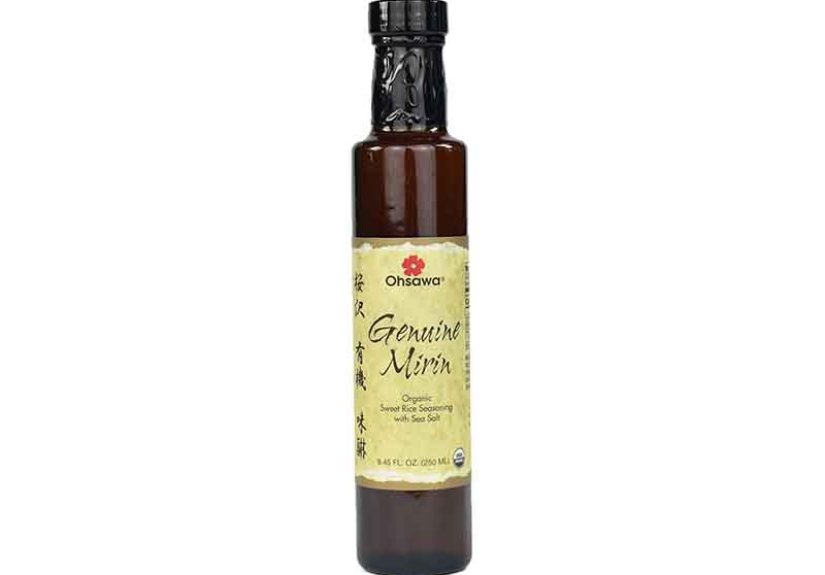
Ohsawa Organic Genuine Mirin sits in that “small bottle, big influence” category. It’s an organic, traditionally made
mirin-style sweet rice seasoning crafted with a short ingredient listsweet rice, koji culture, shochu/distilled alcohol, and sea salt
and aged/fermented long enough to develop depth instead of just sweetness. In plain English: it’s the difference between “sweet” and “sweet
but also savory and kind of magical.”
What Exactly Is Ohsawa Organic Genuine Mirin?
Mirin is a sweet rice-based seasoning used across Japanese cookingespecially in glazes, sauces, and simmered dishesbecause it can do several
jobs at once: soften harsh saltiness, round out acidity, help aromas bloom, and give foods a shiny lacquered finish (the famous “teri” in teriyaki).
True mirin is traditionally made from rice, koji (rice inoculated with Aspergillus oryzae), and distilled alcohol like
shochu, then aged so enzymes can break down starches and proteins into sugars and amino acids.
What makes the Ohsawa bottle “genuine”?
Ohsawa Organic Genuine Mirin is sold in the U.S. as an organic sweet rice seasoning that’s naturally fermented/aged (often described as
over 9 months) until it becomes thick, golden, and intensely flavorful. Ingredient panels and retail listings commonly describe a
traditional base of organic sweet rice, koji, and a distilled rice spirit (shochu), plus sea salt. The sea salt matters:
it can affect sodium levels and can also place the product in the “salted mirin” family, which is typically not intended as a beveragethink
“seasoning first,” always.
Mirin 101: The Types You’ll See (and Why Labels Matter)
“Mirin” on a label can mean very different things. Here’s the quick field guide so you don’t accidentally buy a bottle of “sweetened vibes”
when you wanted fermented flavor.
Hon-mirin (true mirin)
Traditionally made from glutinous rice, koji, and shochu, hon-mirin is often around 14% alcohol and gets its sweetness mainly from
fermentationno need for added sweeteners when enzymes are doing the hard work. It’s prized for complexity: sweetness, aroma, and savory depth.
Shio mirin (salted mirin)
Salted mirin includes added salt. In practical cooking terms, it can behave like true mirinsweet, glossy, aromaticwhile also contributing
noticeable sodium. If you use salted mirin, you’ll often want to reduce soy sauce or salt elsewhere in the dish.
Aji-mirin (mirin-style seasoning)
Aji-mirin literally translates to something like “tastes like mirin.” It’s commonly lower in alcohol than hon-mirin and may include added
sweeteners or syrups to mimic the sweetness of traditional fermentation. It can work in a pinch, but the flavor is usually simpler and more
one-note.
Where Ohsawa fits: With its traditional ingredients and long aging/fermentation, Ohsawa Organic Genuine Mirin is closer in spirit
to the traditional side of the mirin world. The presence of sea salt in many listings means it may behave like a salted genuine mirinso treat it as
a premium seasoning and mind the sodium.
How Mirin Is Made (and Why Koji Is the Quiet Hero)
Koji is the same culinary “starter culture” behind staples like miso and sake. When koji enzymes meet cooked rice, they break down starches into
sugars and proteins into amino acidsbasically creating the building blocks of sweetness and umami. In mirin-making, rice, koji, and alcohol are
combined, then aged so the mixture (moromi) can saccharify slowly. After aging, it’s pressed, heated, and filtered to become clear, amber mirin.
That’s why real mirin doesn’t taste like plain sugar. It tastes like caramelized rice, gentle funk, and savory sweetness
that clings to food in the best way. Ohsawa’s long fermentation/aging is often cited as the reason it comes out thick, golden, and deeply flavorful.
What Does Ohsawa Organic Genuine Mirin Taste Like?
Expect a mellow sweetness (not candy-sweet), a soft rice aroma, and a subtle savory undertone. It’s syrupy enough to help sauces cling, and it
creates a glossy finish when reducedespecially when paired with soy sauce.
If you’ve only used mirin-style seasoning before, the first surprise is usually this: you may need less. Because the flavor is
deeper, you can often use a smaller amount to get better balance.
How to Use Ohsawa Organic Genuine Mirin (with Specific Examples)
Mirin shines in three situations: (1) when you want a glaze, (2) when you want balance in a salty sauce, and (3) when you want simmered foods to
taste round, not sharp. Here are practical, repeatable ways to use it.
1) The “2–2–1” quick teriyaki-style glaze
In a small pan, combine:
- 2 tablespoons mirin
- 2 tablespoons soy sauce
- 1 tablespoon sugar or honey (optionalstart with less if your mirin is robust)
Simmer gently until it coats the back of a spoon. Brush over salmon, tofu, mushrooms, or roasted eggplant. For salted mirin, consider reducing the
soy sauce slightly and tasting before you add more.
2) A brighter, lighter “mirin vinaigrette”
Whisk together:
- 1 tablespoon mirin
- 1 tablespoon rice vinegar
- 2 tablespoons neutral oil
- 1 teaspoon soy sauce (or a pinch of salt)
- Optional: grated ginger or a little sesame oil
This is excellent on cucumbers, shredded cabbage, or a simple green salad with avocado.
3) Better stir-fry sauce without dumping in sugar
A quick stir-fry sauce for one pan:
- 1 tablespoon mirin
- 1 tablespoon soy sauce
- 1–2 teaspoons water
- Garlic/ginger (optional)
Add at the end and toss over heat for 30–60 seconds. Mirin helps the sauce cling and smooths the edges of saltiness.
4) Classic simmered dishes (nimono-style) that taste “finished”
In Japanese simmered dishes, mirin is used with soy sauce, dashi (or broth), and sometimes sake. The mirin brings aroma and prevents the flavor from
tasting flat or overly salty. Try it with carrots, daikon, kabocha squash, or braised mushrooms.
5) A secret weapon for fishy smells
Many cooks use mirin in marinades for seafood because it can soften strong aromas while adding shine and balance. A simple marinade:
mirin + soy sauce + grated ginger. Cook thoroughly and let the sauce reduce to a glaze.
6) Yes, desserts (because rice sweetness plays well with vanilla)
Add a teaspoon to fruit compote, caramel sauce, or a glaze for baked pears. You’re not making “mirin dessert.” You’re making “dessert with a little
extra depth,” which is a much better vibe.
Nutrition and Dietary Notes (Read This If You’re Watching Sugar or Sodium)
Mirin is a sweet seasoningso sugar is part of the deal. Many U.S. nutrition panels for Ohsawa Organic Genuine Mirin list roughly
60 calories per 2 tablespoons with about 11 grams of sugar and around 280 mg sodium per serving.
That doesn’t make it “bad,” but it does mean: use it like a condiment, not like a beverage or a broth base.
Because it’s rice-based, mirin is typically gluten-free by ingredients, but always follow the label if you have allergies or sensitivities.
If alcohol content matters in your household, note that traditional mirin is made with distilled alcohol; much of the alcohol cooks off when simmered
or reduced, but not every dish cooks long enough to remove it completely.
How to Shop Smarter for Mirin in the U.S.
If you want mirin that tastes layered instead of merely sweet, scan the ingredient list:
- Look for rice/sweet rice, koji/koji culture, and an alcohol base like shochu or brewed alcohol.
- Be cautious if the first “food” ingredient is corn syrup or multiple sweeteners.
- Notice salt: salted mirin can be fantastic, but it changes how you season the rest of the dish.
You’ll typically find Ohsawa Organic Genuine Mirin in natural foods stores, well-stocked grocery stores, and specialty markets that carry Japanese
pantry staples.
Storage Tips
Many guides recommend storing traditional-style mirin in a cool, dark place. Once opened, follow the bottle’s label. If you’re using a lower-alcohol,
mirin-style product, refrigeration after opening is often recommended and quality can fade faster. The simplest rule: store it like a specialty
condiment, keep the cap clean, and avoid leaving it near the stove where heat can dull aroma over time.
Frequently Asked Questions
Is Ohsawa Organic Genuine Mirin the same as “cooking mirin”?
It’s best thought of as a premium, traditionally inspired mirin seasoning. Many “cooking mirin” bottles are mirin-style seasonings with added
sweeteners; Ohsawa is commonly described as naturally aged/fermented and made with a short, traditional ingredient list.
Can I use it to make sushi rice?
Traditional sushi rice is usually seasoned with rice vinegar, sugar, and salt. Mirin isn’t required. That said, a tiny splash can add aroma in some
variationsjust don’t replace vinegar with mirin or you’ll lose the bright, clean tang that sushi rice needs.
What’s a non-alcoholic mirin substitute?
Many cooks use rice vinegar + a sweetener as the closest non-alcoholic substitute for mirin’s sweet-tangy balance. A common starting
point is 1 tablespoon rice vinegar + 1/2 teaspoon sugar (adjust to taste). It won’t copy mirin’s fermented depth, but it can keep a sauce balanced.
Conclusion: Why This Bottle Earns Its Spot
Ohsawa Organic Genuine Mirin is for cooks who want that “restaurant sheen” and that “why does this taste so complete?” finishwithout turning every
sauce into a sugar bomb. Its traditionally rooted ingredient list, long aging/fermentation reputation, and rich, syrupy character make it a
high-impact pantry staple. Use it to build gloss in glazes, harmony in marinades, and quiet complexity in everyday dinners.
Experiences in the Kitchen with Ohsawa Organic Genuine Mirin (What People Commonly Notice)
People who switch from a bargain “mirin-style” bottle to Ohsawa Organic Genuine Mirin often describe the first experience as slightly confusing in the
best way: they pour the same amount they always do…and suddenly the dish tastes sweeter and more savory at the same time. That’s the
fermented depth showing up. It’s not just sweetness; it’s sweetness with structure.
One of the most common “aha” moments happens with a simple soy-and-mirin glaze. You heat it gently, it starts smelling like toasted rice and light
caramel, and then it thickens into a shiny sauce that clings to a spoon. The sauce looks like it belongs on a menu. If you’ve ever wondered why your
homemade teriyaki tasted fine but never looked glossy, this is usually the missing piece: real mirin helps create that lacquered finish when reduced.
Another frequent observation is how mirin changes salty foods. Add a small splash to a soy-heavy stir-fry and the sharpness backs off. The dish tastes
less like “salt and heat” and more like “balanced sauce.” Cooks often notice they can use slightly less sugar overall, especially if they were used to
compensating for harshness by sweetening aggressively. With a more complex mirin, the sweetness feels integrated rather than pasted on.
In simmered dishesthink carrots and mushrooms, or a pot of daikon with brothmirin is often described as the ingredient that makes everything taste
“settled.” The flavors meld instead of competing. People who meal-prep also notice these dishes reheat well: the sweetness doesn’t spike, and the sauce
doesn’t separate as easily. The result is comfort-food energy with a clean finish, not a sticky one.
Home cooks also commonly mention that Ohsawa’s mirin can be “stronger than expected,” meaning you may want to start with a little less than your usual
amount and build up. This is especially true if your bottle includes sea salt; it can add a subtle savory push that changes how much soy sauce you
need. A practical habit that many develop: taste the sauce before you add salt, because mirin (and salted mirin in particular) can quietly handle
seasoning in the background.
And yesdesserts come up more than you’d think. People who like experimenting with flavor often report that a teaspoon in a fruit sauce or glaze adds a
warm, rounded note that feels “grown-up” without tasting boozy. It’s similar to what vanilla does: it doesn’t scream for attention, but it makes the
whole thing smell and taste more complete.
The most consistent “experience” takeaway is simple: once a cook gets used to what genuine mirin doesgloss, balance, aroma, and subtle umamithey
start reaching for it the same way they reach for good olive oil or a favorite hot sauce. Not because it’s fancy, but because it reliably makes dinner
better with one small pour.