Table of Contents >> Show >> Hide
- What Makes Beef Stew “Old-Fashioned” (And Why It Still Wins)
- Ingredients That Actually Matter (Plus Smart Swaps)
- Old-Fashioned Beef Stew Recipe (Dutch Oven Method)
- Flavor Analysis: Why These Steps Work
- Make It Your Own (Without Breaking the “Old-Fashioned” Vibe)
- Serving Ideas (Because Stew Deserves Friends)
- Storage, Make-Ahead, and Food Safety
- FAQ: Quick Fixes for Common Stew Problems
- Conclusion: The Bowl That Never Goes Out of Style
- Extra: of “Beef Stew Experiences” (The Stuff You Learn by Making It More Than Once)
Old-fashioned beef stew is the culinary equivalent of a heavy blanket fresh out of the dryer: warm, comforting, and weirdly capable of fixing a bad day. It’s the kind of classic beef stew that shows up when the weather turns rude, when the budget is being judgmental, or when you just want dinner to hug you back.
At its heart, an old-fashioned beef stew recipe is simple: tough-but-flavorful beef, humble vegetables, a savory broth, and enough slow simmering to make everything tender and deeply cozy. But the difference between “fine, I guess” stew and “why am I emotional over a bowl of soup?” stew comes down to techniqueespecially browning, building flavor in layers, and not turning your potatoes into mashed sadness.
What Makes Beef Stew “Old-Fashioned” (And Why It Still Wins)
“Old-fashioned” doesn’t mean bland, boring, or stuck in the past. It means the fundamentals are doing the heavy lifting: a good cut like chuck roast, a Dutch oven (or any sturdy pot), aromatics like onion/celery/carrot, a little tomato paste, herbs, and time. No foam. No magic powder. No “one weird trick” (okay, maybe one: don’t rush it).
The old-school approach is also practical. Beef stew was built for stretching affordable ingredients, feeding a crowd, and tasting even better the next daybecause flavors have a sleepover party in the fridge and wake up better friends.
Ingredients That Actually Matter (Plus Smart Swaps)
The Beef: Choose the Right Cut
For tender, fall-apart results, reach for beef chuck roast. It has enough connective tissue and marbling to become silky and rich after a long, gentle braise. “Stew meat” can work, but it’s often a mystery mixsometimes great, sometimes… not. If you can, buy chuck and cut it yourself into 1 to 1½-inch cubes.
The Flavor Base: Aromatics + Tomato Paste
The classic trioonion, carrot, celerysets up a savory backbone. Add garlic if you like (most of us do). Then use tomato paste the right way: cook it for a minute or two until it darkens slightly. That quick “toast” turns raw tomato sharpness into deep, mellow richness.
The Liquid: Broth, Wine, or “Whatever’s Open” (Within Reason)
A great stew uses liquid to dissolve the browned bits (aka flavor gold) and gently cook the beef. You can use beef broth, but many home cooks prefer low-sodium stock so you control salt. A splash of red wine adds depth; beer works too. If you skip alcohol, use extra broth plus a teaspoon or two of vinegar at the end for brightness.
The Vegetables: Timing Is Everything
Old-fashioned beef stew usually includes potatoes and carrots, sometimes parsnips or mushrooms. The main rule: add quick-cooking vegetables later so they don’t dissolve into the background like a forgotten side character.
Thickener Options: Pick Your Personality
- Flour (classic): Toss the beef in flour before browning or stir flour into the fat with tomato paste.
- Cornstarch slurry (quick fix): Stir in at the end, simmer a few minutes.
- Reduction (flavor-forward): Simmer uncovered to concentrate the broth into a glossy sauce.
- Mashed potato trick (very grandma-core): Mash a few potato chunks into the stew.
Old-Fashioned Beef Stew Recipe (Dutch Oven Method)
Ingredients (Serves 6)
- 2½ to 3 lb beef chuck roast, cut into 1 to 1½-inch cubes
- Kosher salt and black pepper
- 3 to 4 Tbsp all-purpose flour (optional but classic)
- 2 to 3 Tbsp neutral oil (or a mix of oil + a little butter)
- 1 large onion, chopped
- 2 to 3 carrots, peeled and cut into chunks
- 2 celery stalks, chopped
- 3 cloves garlic, minced (optional but encouraged)
- 2 Tbsp tomato paste
- 1 cup dry red wine (or 1 extra cup broth)
- 4 cups low-sodium beef stock or broth
- 1 to 2 Tbsp Worcestershire sauce
- 1 bay leaf + 4 to 6 sprigs thyme (or 1 tsp dried thyme)
- 1½ lb Yukon Gold potatoes, cut into chunks
- Optional add-ins: mushrooms, peas, pearl onions
- Fresh parsley, for serving
Step-by-Step (The Parts That Make It Taste Like You Worked Harder Than You Did)
- Dry the beef. Pat cubes very dry with paper towels. Moisture is the enemy of browning (and the friend of sad, gray steaming).
- Season and flour (optional). Salt and pepper the beef. If using flour, toss lightly until coated. Shake off excess so it doesn’t burn.
- Sear in batches. Heat oil in a Dutch oven over medium-high. Brown beef in 2–3 batches so pieces don’t crowd. You want deep color on multiple sides. Move browned beef to a plate.
- Sauté the aromatics. Lower heat to medium. Add onion, carrot, celery, and a pinch of salt. Cook 6–8 minutes, scraping up browned bits as they loosen.
- Toast the tomato paste. Stir in garlic (if using) for 30 seconds, then add tomato paste. Cook 1–2 minutes until it darkens slightly and smells richer.
- Deglaze like you mean it. Pour in wine and scrape the bottom thoroughly. Let it simmer 2–3 minutes to reduce a bit. (If skipping wine, deglaze with a splash of broth.)
- Build the stew. Add broth, Worcestershire, bay leaf, and thyme. Return beef (and any juices) to the pot. Bring to a gentle simmer.
- Low and slow. Cover and simmer on low heat for 1½ hours, stirring occasionally. Keep it at a gentle bubble, not a rolling boil. Boiling makes meat tough and your patience shorter.
- Add potatoes at the right time. Stir in potatoes (and mushrooms if using). Simmer uncovered or partially covered for 30–45 minutes, until potatoes are tender and beef is fork-tender.
- Adjust thickness. If it’s thinner than you like, simmer uncovered for 10–15 minutes. For extra thick stew, stir in a cornstarch slurry (1 Tbsp cornstarch + 1 Tbsp water) and simmer 3–5 minutes.
- Finish smart. Taste and adjust salt, pepper, and Worcestershire. Add peas in the last 5 minutes if using. Remove bay leaf and thyme stems. Top with parsley and serve.
Flavor Analysis: Why These Steps Work
Browning Isn’t Optional (If You Want Big Flavor)
The deep, roasted notes in a truly classic beef stew come from browning the meat and building “fond” (those caramelized bits on the pot). That’s why batch searing matters: crowding the pan traps steam and blocks browning.
Deglazing Turns the Pot into a Sauce Factory
Deglazing is simply adding liquid to a hot pot so the browned bits release into the stewturning stuck-on flavor into a glossy, savory base. Wine is popular because it adds acidity and complexity, but broth works too.
Tomato Paste Adds Depth Without Making It “Tomato Soup”
A small amount of tomato paste boosts savory flavor and color. The key is cooking it briefly before adding liquid, so it tastes integrated and rich rather than raw and sharp.
Make It Your Own (Without Breaking the “Old-Fashioned” Vibe)
Slow Cooker Beef Stew
Want the set-it-and-forget-it version? Still brown the beef and sauté aromatics first for best flavor. Then transfer to a slow cooker, add broth, herbs, and cook on LOW 8–9 hours (or HIGH 4–5). Add potatoes in the last 2–3 hours so they don’t disintegrate.
Instant Pot / Pressure Cooker Beef Stew
Use the sauté function to brown beef and cook aromatics. Pressure cook the beef with broth and herbs for ~30–35 minutes (depending on cube size), then quick release, add potatoes, and pressure cook another 6–8 minutes. Thicken at the end with slurry or reduction.
Old-Fashioned “Umami Boosts” That Don’t Taste Weird
- A little extra Worcestershire (you’re already invited)
- A spoon of tomato paste (already in the plan)
- A splash of soy sauce (small amount; big depth)
- Optional: a pinch of unflavored gelatin in the broth for a more silky, restaurant-style body
Serving Ideas (Because Stew Deserves Friends)
- Crusty bread or dinner rolls: for dunking, obviously.
- Buttermilk biscuits: especially if you like Southern comfort energy.
- Mashed potatoes: double potato, zero regrets.
- Simple salad: something crisp to balance the richness.
Storage, Make-Ahead, and Food Safety
Beef stew is famously better the next day. Cool it quickly (divide into shallow containers), refrigerate, and reheat gently. For best safety, don’t leave stew sitting out at room temperature for longget it chilled promptly.
- Fridge: typically best within 3–4 days.
- Freezer: generally best quality within a few months; thaw overnight in the fridge.
- Reheat: heat until steaming hot; if you use a thermometer, aim for 165°F.
FAQ: Quick Fixes for Common Stew Problems
Why is my beef stew meat tough?
It usually needs more time at a gentle simmer. Tough beef in stew is often undercooked, not overcooked. Keep it low, keep it slow, and let connective tissue melt.
Why is my stew watery?
Simmer uncovered to reduce, or thicken with a slurry near the end. Also make sure you browned properly: stew gets body from browned meat, cooked tomato paste, and reductionnot just starch.
My potatoes turned to mush. Help.
Add potatoes later, and use waxier potatoes (like Yukon Gold) for better shape. Also avoid aggressive boiling.
Conclusion: The Bowl That Never Goes Out of Style
Old-fashioned beef stew isn’t trendy. It’s better than trendyit’s reliable. Brown the beef, build flavor in layers, simmer patiently, and treat vegetables with timing respect. Do that, and you’ll get a pot of stew that tastes like tradition, smells like home, and somehow makes your kitchen feel 10 degrees warmer even before the first bite.
Extra: of “Beef Stew Experiences” (The Stuff You Learn by Making It More Than Once)
The first time you make old-fashioned beef stew, it feels like a straightforward recipe. The second time, you realize it’s secretly a life lesson disguised as dinner. The third time, you stop pretending you’re making it “for the week” and admit you’re making it because stirring a pot of simmering stew is basically therapy with vegetables.
One classic beef stew moment: the sear. At the start, you’re full of optimism“I’ll just brown all the beef at once.” Five minutes later, your pot has turned into a crowded sauna and your beef is sweating instead of browning. That’s usually when the stew teaches its first rule: if you want deep flavor, you can’t rush the foundation. Batch searing feels annoying right up until you smell those browned edges and realize your kitchen now smells like a cozy restaurant that charges $28 a bowl.
Then there’s the deglazearguably the most satisfying sound in home cooking. You pour in a splash of wine or broth and hear that hiss, like the pot is saying, “Finally, someone appreciates me.” Scraping up the browned bits feels almost archaeological. You’re uncovering flavor fossils you created on purpose (even if you’ll tell people it “just happened”).
The middle part of stew-making is where patience gets tested. The pot is simmering. The house smells amazing. And yet… the beef isn’t tender yet. This is where old-fashioned stew earns its reputation. It doesn’t reward impatience. It rewards the slow simmerlow heat, gentle bubbles, and the confidence to wait. Somewhere in that quiet cooking time, the stew transforms from “ingredients in broth” into something cohesive and rich. It’s also when you remember why people make stew on weekends: not because it’s hard, but because it asks you to be present (or at least nearby).
Vegetable timing becomes the next “experience” lesson. Add potatoes too early and they melt into the stew like they’re trying to disappear. Add them later and they keep their shape, soaking up flavor without turning into paste. Carrots can go either way: early carrots become sweet and soft; later carrots stay more distinct. After a few batches, you start choosing timing based on the mood you want in the bowl.
And then there’s the next-day magic. Beef stew after a night in the fridge tastes like it went to finishing school. The flavors settle, the sauce thickens slightly, and suddenly your leftovers are better than your original plan. That’s why stew is such a beloved make-ahead meal: it rewards you twiceonce with dinner, and again when you realize tomorrow’s dinner is already handled.
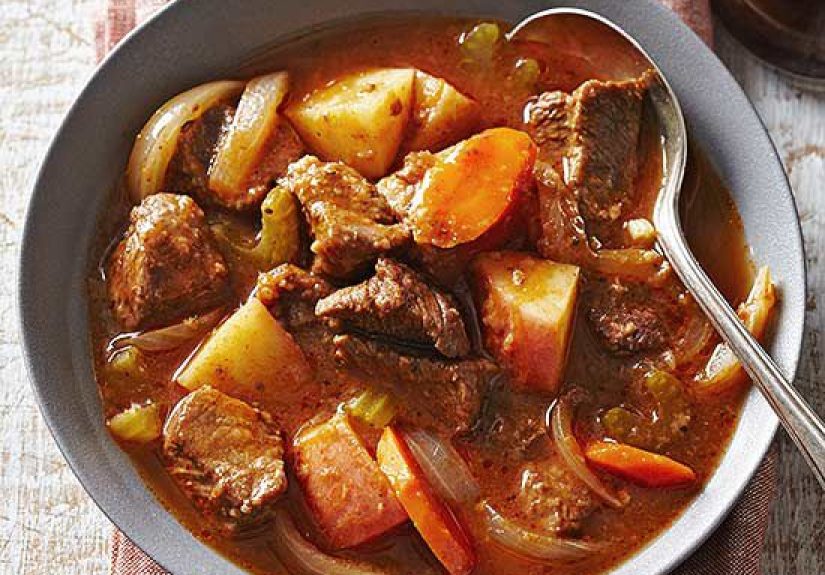
Finally, serving beef stew is its own experience. The first ladle into a bowl is always a small ceremonysteam rising, chunks of beef visible, potatoes catching the light like tiny golden bricks. Add chopped parsley and it looks fancy enough to impress a guest, even though you and the stew both know the truth: you just followed the old rules, gave it time, and let a humble pot do what it’s done for generationsturn simple ingredients into comfort you can taste.