Table of Contents >> Show >> Hide
- What Makes Horsehair So Special?
- The Difference Between Horsehair, Broomcorn, and Tampico
- Why Old-Fashioned Horsehair Brooms Still Have a Loyal Following
- Common Types of Old-Fashioned Horsehair Brushes
- How to Choose the Right One
- How to Care for Horsehair Brooms and Brushes
- The Old-Fashioned Appeal Goes Beyond Cleaning
- Conclusion
- Experiences With Old-Fashioned Horsehair Brooms and Brushes
If you have ever used a truly good old-fashioned horsehair broom, you already know the dirty little secret of modern cleaning tools: many of them are loud, clunky, plasticky, and about as graceful as a shopping cart with one bad wheel. A traditional horsehair broom or brush, by contrast, feels almost civilized. It glides. It whispers. It coaxes dust into neat submission instead of launching it into the atmosphere like confetti at a parade.
That is exactly why old-fashioned horsehair brooms and brushes have never completely disappeared. Even in an age of robot vacuums and synthetic everything, these classic tools still appeal to homeowners, woodworkers, collectors, craftspeople, and anyone who appreciates objects that do one job extremely well. They are practical, handsome, durable, and surprisingly specialized. Some are ideal for hardwood floors. Others shine as bench brushes, garment brushes, shoe brushes, or delicate dusters. And unlike cheap disposable tools, a well-made horsehair brush often feels less like a purchase and more like a household companion that quietly outlasts your bad decorating decisions.
In this guide, we will look at what makes horsehair special, how old-fashioned brooms and brushes differ from broomcorn and tampico tools, where they work best, how to care for them, and why these humble classics continue to charm modern households. Spoiler alert: the answer is not just nostalgia. Sometimes the old ways are still around because they actually work.
What Makes Horsehair So Special?
Horsehair is one of those materials that sounds quaint until you understand why brush makers keep using it. It offers a soft-to-slightly-stiff texture, very good durability, and scratch-free cleaning performance. That combination is rare. In plain English, horsehair can pick up fine dust and light debris without scuffing delicate surfaces, which is why it remains popular in floor sweeps, counter dusters, buffing brushes, shoe brushes, and finishing tools.
Not all horsehair is exactly the same, either. Traditional makers often distinguish between mane hair and tail hair. Tail hair is typically stiffer and more rugged, while mane hair is softer. That matters because a broom meant for smooth indoor floors needs different behavior than a brush intended for polishing shoes or dusting furniture. Some manufacturers even note that the stronger tail hair is preferred for sturdier sweeping tools, which helps explain why a good horsehair broom does not feel floppy in use.
Another overlooked advantage is absorbency. Horsehair can carry liquids well, which is one reason it has long been used in certain finishing, buffing, and specialty brushes. It is also valued in some low-charging applications because natural hair does not tend to generate static in the same way some synthetic materials can. That may sound like brush-maker trivia, but it helps explain why horsehair has remained relevant in both household and technical contexts.
The big trade-off is that pure horsehair is not the best choice for every mess. It excels at fine dust, crumbs, grit, ash, and everyday dry debris on smooth surfaces. It is not the champion of wet leaves, construction rubble, or the mystery gravel that somehow appears in entryways after one trip outside. For heavier tasks, users often do better with tampico, corn fiber, or blends that add firmness.
The Difference Between Horsehair, Broomcorn, and Tampico
One reason old-fashioned brooms feel confusing to modern shoppers is that “natural bristle” can mean several different things. Horsehair is only one member of a very old family.
Horsehair
Horsehair is soft, resilient, and gentle on finished surfaces. It is especially well suited to hardwood, tile, low-pile rugs, furniture, counters, and workshop benches where fine dust needs to be collected instead of scattered. If your goal is quiet, precise indoor sweeping, horsehair is the elegant choice.
Broomcorn
Broomcorn is not actually corn in the sweet-corn-on-the-cob sense. It is a type of sorghum grown for its long, fibrous seed heads, which hold stiffness and attract dust well. In American history, broomcorn became an important Midwestern cash crop, and it played a major role in the making of whisk brooms and floor brooms. Shaker communities famously helped turn broom-making into a serious craft industry, producing large quantities of natural broomcorn brooms that were known for durability and utility.
Tampico
Tampico is a plant fiber derived from agave and is commonly associated with Mexico. It is more aggressive than horsehair, works wet or dry, resists acids and alkalis better, and is often used for scrubbing, cleaning rougher surfaces, and applying liquids or compounds. If horsehair is the tuxedo of natural bristles, tampico is the work shirt: sturdy, useful, and not particularly worried about looking fancy.
Many traditional brushes use blends rather than a single material. That is not cheating. It is good design. A bench brush that combines horsehair with nylon, for example, can keep the softness needed for dust while adding enough firmness to move heavier debris. Likewise, some household and body brushes mix horsehair with tampico to create a balance between gentleness and scrubbing power.
Why Old-Fashioned Horsehair Brooms Still Have a Loyal Following
There are practical reasons people still seek out old-fashioned horsehair brooms and brushes, and none of them involve pretending it is 1894.
They are excellent on smooth indoor floors
Horsehair bristles are especially good at sweeping hardwood, polished concrete, tile, and other finished surfaces without scratching them. Instead of slapping dust around, they tend to gather it with a softer, more controlled motion. That makes them favorites in homes with wood floors, antique furniture, pianos, or finely finished trim.
They pick up fine dust better than many stiff synthetic brooms
Anyone who has watched a cheap broom push dust into a thin gray line that somehow refuses to enter the dustpan will understand this instantly. Soft natural fibers are often better at grabbing the tiny stuff. Old-fashioned horsehair tools are particularly useful for flour in the kitchen, sawdust in a workshop, pet hair on smooth floors, and the everlasting crumb conspiracy under the breakfast table.
They tend to be beautifully made
Traditional horsehair brooms and brushes often come with oiled beechwood, hardwood blocks, stitched construction, or replaceable handles. Even when they are simple, they usually look intentional. They belong to that increasingly rare category of household object that can live in plain sight without embarrassing the rest of your decor.
They reward careful ownership
A disposable broom is designed to be forgotten. A good horsehair broom is the opposite. Use it properly, store it well, clean it occasionally, and it will continue doing its job for years. That makes it attractive to people who prefer fewer, better things.
Common Types of Old-Fashioned Horsehair Brushes
The phrase “old-fashioned horsehair brushes” covers more territory than many people expect. These are not one-size-fits-all tools. Traditional brush makers built them for very specific jobs.
Floor brooms
These are the classic long-handled horsehair brooms used on smooth indoor floors. They are generally softer than corn brooms and are ideal for everyday sweeping in living rooms, halls, kitchens, and bedrooms.
Bench brushes
A horsehair bench brush is one of the most satisfying tools in the world if you like order. It is compact, easy to grab, and terrific for clearing crumbs, table dust, chair seats, counters, and workshop surfaces. Some American-made versions blend horsehair with nylon so they can handle both fine dust and heavier particles.
Shoe and garment brushes
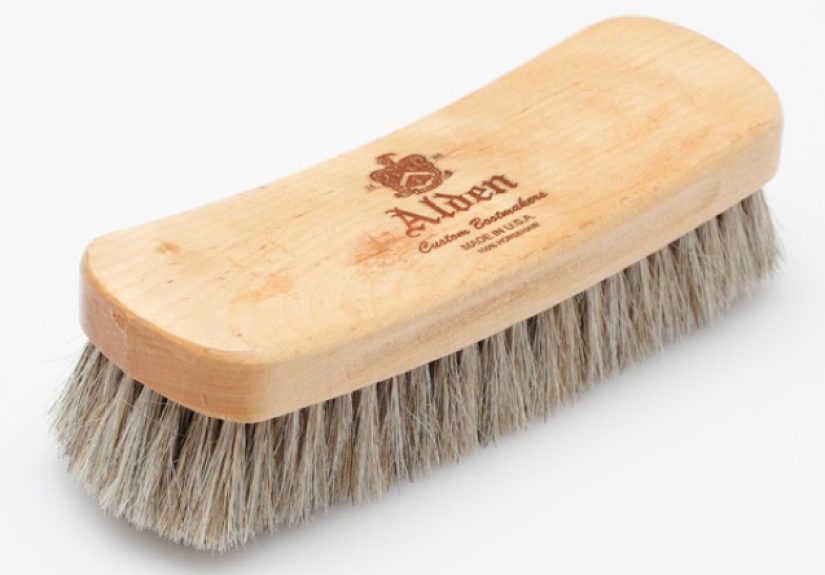
Horsehair has long been prized in shoe care because it buffs leather without being too harsh. Garment brushes also benefit from its softness, making it useful for removing lint and surface dust from wool coats, jackets, and hats.
Detail and finishing brushes
Because horsehair can be gentle, absorbent, and controlled, it has also been used in specialty brushes for finishing, conservation-related tasks, and light-duty technical cleaning. In other words, it is not just a pretty old material. It is a highly functional one.
How to Choose the Right One
If you are shopping for old-fashioned horsehair brooms and brushes, start with the surface and the type of mess.
Choose a pure or mostly horsehair floor broom if you have hardwood, tile, or another delicate smooth surface and you mainly need to collect dust, crumbs, and light dry debris. Choose a horsehair blend if you want a little more firmness and versatility. Choose tampico or a more aggressive natural fiber if the work involves wet cleaning, harsher grime, or rough surfaces.
Also pay attention to the brush block, stitching, and handle. A quality tool should feel balanced in the hand, dense in the bristle fill, and solidly made. Sparse fill usually means disappointing performance. A broom can look charming and still sweep like a sleepy feather duster, which is not the energy anyone needs before coffee.
How to Care for Horsehair Brooms and Brushes
Good care is refreshingly simple. Shake out dust regularly. Store the broom hanging or positioned so the bristles are not crushed for long periods. If the horsehair becomes heavily soiled, wash it gently with lukewarm water and a mild detergent, then let it dry naturally at room temperature or in fresh air. Harsh chemicals, prolonged soaking, and high heat are bad ideas.
This basic maintenance matters because natural fibers behave like, well, natural fibers. They respond better to sensible care than to neglect. The reward is longer life, better sweeping, and bristles that keep their shape.
The Old-Fashioned Appeal Goes Beyond Cleaning
Part of the appeal of old-fashioned horsehair brooms and brushes is emotional, but not in a silly way. They connect daily chores to skilled making. American brush history is full of examples of highly specialized tools, and companies built reputations by listening to what households actually needed. The result was a world where brushes were designed for radiators, stair treads, hat care, garment care, woodworking benches, and polished floors. That level of specificity feels almost luxurious today.
There is also a design appeal. A horsehair brush with a hardwood block and dense dark bristles fits neatly into the renewed interest in utility objects that are both beautiful and useful. It speaks the language of craftsmanship, not clutter. That matters in homes where visible tools are expected to earn their shelf space.
Conclusion
Old-fashioned horsehair brooms and brushes endure because they solve a real problem with uncommon grace. They are quiet, gentle, effective, and often beautifully made. They shine on finished indoor surfaces, excel at lifting fine dust, and offer a tactile quality that plastic tools rarely match. When paired with the right job, they do not feel old-fashioned in the outdated sense. They feel old-fashioned in the best sense: proven, thoughtful, and made with purpose.
If broomcorn brooms are the rugged farmhands of traditional sweeping and tampico brushes are the hardworking scrub crew, horsehair tools are the indoor specialists. They are the reason some people actually enjoy sweeping, or at least complain about it with better equipment. And honestly, that is a respectable standard for any household object.
Experiences With Old-Fashioned Horsehair Brooms and Brushes
One of the most consistent experiences people have with an old-fashioned horsehair broom is surprise at how different sweeping can feel. The first impression is usually not brute force but control. On hardwood floors, a horsehair broom often seems to float rather than scrape. There is less chattering, less pushing, and far less of that maddening moment when dust simply darts away from the broom head like it has a personal grudge.
In kitchens, the difference becomes obvious fast. Fine flour, coffee grounds, dry rice, and toast crumbs are exactly the kind of messes that expose a bad broom. A stiffer synthetic broom may bully the bigger pieces around, but a horsehair broom tends to gather the finer material more neatly. It feels less like a fight and more like a tidy negotiation. The same thing happens in entryways where dry dust settles over smooth tile, or in dining rooms where the aftermath of one crusty loaf of bread can make the floor look like a tiny bakery exploded.
Bench brushes create a similar kind of loyalty. Once someone keeps a dense horsehair bench brush near a worktable, craft station, or kitchen counter, it often becomes one of those tools that mysteriously gets used every day. It is quick for crumbs, pleasant for clearing sawdust, and far nicer on finished furniture than the palm-slapping drama of a paper towel. It is the sort of tool that quietly upgrades a routine.
There is also a sensory side to the experience. Traditional horsehair brushes feel warmer and more human than mass-market plastic tools. The wood block smooths with use. The bristles soften slightly but remain purposeful. The object ages instead of simply deteriorating. That is a subtle distinction, yet it matters. People tend to care for things that age well.
Another common experience is learning that not every old-fashioned brush should be forced into every job. Someone buys a beautiful horsehair floor broom for indoor dust and then tries to tackle muddy porch debris with it. That is like wearing loafers to dig a ditch. The tool is not bad; the match is wrong. Once users understand where horsehair shines, usually on fine dust and delicate surfaces, they tend to appreciate it much more.
Finally, there is the pleasure of visible craftsmanship. A good horsehair brush can sit by a hearth, hang in a mudroom, or rest on a workshop peg without looking like visual clutter. That may sound like a small thing, but daily tools shape daily experience. An old-fashioned horsehair broom or brush makes ordinary cleaning feel just a little less disposable and a little more intentional. In a world overflowing with flimsy stuff, that alone can feel like a minor domestic miracle.