Table of Contents >> Show >> Hide
If your skin has ever decided to throw a surprise party featuring itching, stinging, and tiny fluid-filled bumps, welcome to the not-at-all-exclusive club of eczema blisters. These blisters can be miserable, stubborn, and weirdly good at showing up right when you need your hands the most. Typing? Annoying. Washing dishes? Annoying. Existing peacefully? Also annoying.
But here is the good news: eczema blisters are treatable, and flare-ups can often be reduced with the right habits. In many cases, “eczema blisters” refers to dyshidrotic eczema, a form of eczema that causes small, itchy blisters on the fingers, palms, toes, and soles. Other types of eczema can also ooze, crust, or form raw, blister-like areas when the skin becomes very inflamed or irritated. So while the name may sound dramatic, the strategy is surprisingly practical: protect the skin barrier, avoid triggers, calm inflammation early, and know when to call a doctor.
This guide breaks down what eczema blisters are, what tends to trigger them, how to help prevent them, and what treatment options may actually bring relief without sending you down a rabbit hole of sketchy internet advice and “miracle” creams that belong in the marketing hall of shame.
What Are Eczema Blisters, Exactly?
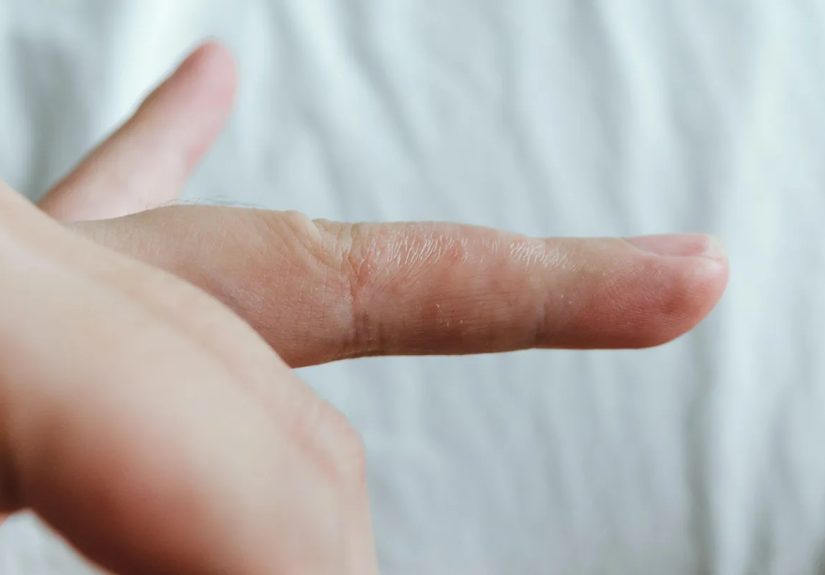
Eczema blisters are small fluid-filled bumps that can develop during certain eczema flares. They are most commonly linked to dyshidrotic eczema, also called pompholyx or dyshidrosis. These blisters often appear on the sides of the fingers, palms of the hands, or soles of the feet. They may look tiny at first, but they can itch intensely, burn, feel tender, and sometimes merge into larger blisters.
In other situations, eczema can become weeping or oozy rather than forming classic little blisters. That can happen when the skin barrier is badly inflamed, scratched open, irritated by a trigger, or complicated by infection. In plain English: the skin gets overwhelmed and starts behaving like it has completely lost the plot.
Common symptoms can include:
- Small itchy or painful blisters
- Redness or discoloration
- Burning or stinging
- Peeling skin after the blisters dry out
- Cracks, tenderness, or thickened skin after repeated flares
- Oozing or crusting in more inflamed cases
One important note: not every blistering rash is eczema. Fungal infections, allergic contact dermatitis, impetigo, and other skin conditions can sometimes look similar. That is one reason recurring or severe blisters deserve a proper diagnosis instead of a guessing contest in your bathroom mirror.
Why Do Eczema Blisters Happen?
Eczema blisters usually develop because the skin barrier is already vulnerable and the immune system reacts too strongly to a trigger. In dyshidrotic eczema, experts still do not know one single cause, but several patterns show up again and again.
1. Contact with Irritants or Allergens
Soaps, cleaning products, detergents, fragrances, shampoos, hand sanitizers, and certain skin care ingredients can irritate already-sensitive skin. Metals such as nickel, cobalt, or chromium can also trigger flares in some people. If your hands break out after jewelry, metal tools, or frequent cleaning, your skin may be trying to file a formal complaint.
2. Wet Work and Sweaty Skin
Hands that stay wet for long periods, frequent handwashing, and sweaty palms or feet can all make blister-type eczema more likely. Moisture sounds helpful in theory, but constant wetness followed by evaporation can damage the skin barrier and trigger a flare.
3. Stress
Stress does not “cause” eczema in the simple cartoon-villain sense, but it can absolutely trigger or worsen flare-ups. Plenty of people notice that their skin becomes dramatically less cooperative during high-stress weeks. Apparently your deadlines and your epidermis have a side chat.
4. Heat, Humidity, or Seasonal Changes
Warm weather, rising temperatures, humidity, or seasonal shifts can trigger blisters in some people. Others flare in cold weather when the skin dries out and becomes easier to irritate. Basically, eczema can be picky in every season, which feels rude but is medically on brand.
5. Skin Infections or Other Skin Problems
Sometimes another skin issue, such as athlete’s foot, can help set off dyshidrotic eczema, especially on the hands or feet. And when eczema skin gets damaged, it is easier for bacteria, viruses, and fungi to move in and make a bad situation worse.
How to Help Prevent Eczema Blisters
Prevention is not about achieving magical, flawless skin forever. It is about making flares less frequent, less severe, and less disruptive. That is a much more realistic and much less exhausting goal.
Protect the Skin Barrier Daily
Your first line of defense is boring, dependable skin care. The glamorous answer is not glamorous at all: use a thick fragrance-free moisturizer early and often. Creams and ointments usually work better than watery lotions for blister-prone eczema.
Apply moisturizer:
- After every handwashing if possible
- Right after bathing or showering while skin is still slightly damp
- Before bed
- Any time skin feels tight, dry, or irritated
Use Gentle Cleansers
Choose fragrance-free, dye-free cleansers. Skip harsh scrubs, strong antibacterial washes unless specifically needed, and products that leave your skin feeling squeaky-clean. “Squeaky-clean” is often just another way of saying “the skin barrier has been mugged.”
Take Lukewarm, Not Hot, Showers
Hot water can feel amazing in the moment and deeply unhelpful an hour later. Keep showers and handwashing lukewarm and relatively short. Afterward, pat skin dry instead of rubbing it, then seal in moisture with a cream or ointment.
Reduce Trigger Exposure
If you suspect a certain product, metal, or work exposure is causing flares, try tracking it. A simple notes app can help you spot patterns. If dish soap, salon chemicals, rubber gloves, cement, or certain cosmetics seem suspicious, that is worth discussing with a dermatologist.
Helpful trigger-reduction habits include:
- Wearing protective gloves for cleaning or wet work
- Using cotton glove liners if gloves make hands sweaty
- Avoiding fragranced skin products
- Changing socks if feet get damp
- Choosing breathable shoes when possible
- Managing athlete’s foot or other skin infections promptly
Do Not Ignore Stress Management
No, deep breathing is not a cure. But stress reduction can still help. Better sleep, movement, counseling, meditation, or even ten quiet minutes without doom-scrolling may lower the odds of a stress-fueled flare. Sometimes the most underrated skin care product is a nervous system that is not doing cartwheels.
How to Treat Eczema Blisters at Home
When a flare starts, the goal is to calm inflammation, reduce itch, protect the blisters, and prevent infection. The earlier you intervene, the better.
1. Cool the Skin Down
A cool compress can help reduce itching and irritation. Use a clean, cool, damp cloth for short sessions, then apply moisturizer right away. Avoid ice directly on the skin because your eczema does not need another reason to be offended.
2. Moisturize Like It Is Your Side Hustle
Blistering eczema often dries out, peels, and cracks after the active blister stage. Frequent moisturizer use can reduce discomfort and support healing. Ointments and thicker creams are usually the MVPs here.
3. Do Not Pop the Blisters
Tempting? Sure. Helpful? Not really. Popping blisters can damage the skin, slow healing, and raise the risk of infection. Leave them alone as much as possible, even if your brain insists that “just one little poke” is a good plan. It is not.
4. Limit Scratching
Scratching can tear the skin, worsen inflammation, and invite bacteria to the party. Keep nails short, consider cotton gloves at night if nighttime scratching is a problem, and talk with a clinician if itch is intense enough to disrupt sleep.
5. Use Medication as Directed
Over-the-counter hydrocortisone may help mild irritation in some cases, but many blistering flares need stronger prescription treatment. Dermatologists often use topical corticosteroids to reduce inflammation. In some cases, they may recommend other prescription creams or ointments, topical calcineurin inhibitors, phototherapy, or additional treatments for severe or stubborn flares.
If sweating seems to trigger your dyshidrotic eczema, your clinician may also discuss ways to manage that. If allergy or contact triggers are suspected, patch testing may help identify the culprit.
When Eczema Blisters Might Be Infected
Eczema skin is easier for germs to invade, especially when the area is cracked, scratched, or weeping. That does not mean every flare is infected, but it does mean you should know the warning signs.
Call a healthcare professional if you notice:
- Pus or cloudy drainage
- Yellow or honey-colored crusting
- Increasing pain, warmth, or swelling
- Rapidly worsening redness or tenderness
- Fever or feeling sick
- Blisters that suddenly become much more severe
Infection may need prescription treatment. Waiting it out and hoping for a miracle is not a skin care strategy. It is more of a plot twist.
When to See a Doctor
Home care can help mild flares, but some eczema blisters need medical attention. See a doctor or dermatologist if:
- The blisters are painful, severe, or widespread
- You are not sure it is eczema
- Symptoms interfere with sleep or daily activities
- The rash keeps coming back
- You suspect infection
- Over-the-counter treatment is not helping
- The rash involves sensitive areas or becomes hard to manage
A dermatologist may diagnose the problem with a skin exam and medical history. In some cases, they may recommend patch testing, allergy evaluation, or tests to rule out infection or another skin condition. The goal is not just to put out the current fire, but to figure out why your skin keeps finding matches.
Common Treatment Plan Mistakes to Avoid
- Using moisturizer only when skin looks bad: Daily barrier care matters most between flares.
- Stopping treatment too early: Some flares calm down on the surface before deeper inflammation is fully settled.
- Using heavily fragranced products: “Smells amazing” and “eczema-friendly” are not always roommates.
- Washing with very hot water: It feels soothing briefly, then often backfires.
- Ignoring repeated hand or foot flares: Chronic blistering may point to dyshidrotic eczema, contact allergy, or another treatable issue.
- Self-diagnosing every blister: Not all blistering rashes are eczema.
What Living With Eczema Blisters Often Feels Like
People dealing with eczema blisters often describe the experience in almost the same sequence. First comes the warning stage: the skin starts tingling, itching, or burning before anything obvious appears. It can feel like something is brewing under the surface. Then the tiny blisters show up, often in clusters on the sides of the fingers or on the palms. They may look small, but the itch can be wildly out of proportion to their size. Many people say it is not a normal itch at all. It is deeper, pricklier, and harder to ignore.
Day-to-day tasks become surprisingly complicated. Washing hands, opening cans, typing, gripping a steering wheel, cooking dinner, buttoning a shirt, or just applying lotion can sting. If the blisters are on the feet, walking may feel irritating in a way that is difficult to explain to anyone who has never had it. Shoes that felt normal last week can suddenly seem like personal enemies. And because eczema can flare visibly, people often feel self-conscious shaking hands or showing their skin in public.
Another common experience is the cycle of improvement and relapse. The blisters dry out, the skin peels, things finally seem better, and then a new trigger hits. A stressful week, frequent handwashing, sweaty weather, a new soap, or even an unnoticed allergen can start the whole story again. That unpredictability can be emotionally draining. Some people feel frustrated because they are “doing everything right” and still flare. Others blame themselves for scratching, even though intense itching is part of the condition and not a character flaw.
There is also the practical side of living with it. Many people end up carrying hand cream everywhere, switching to fragrance-free products, wearing gloves for chores, and learning which fabrics, soaps, and temperatures their skin hates. It can take real trial and error to find a routine that works. But once people identify their triggers and start treating flares early, many describe a big difference. Their skin may not become perfect, but it becomes more predictable and easier to manage.
That may be the most honest message of all: progress with eczema blisters often looks less like a miracle cure and more like better control. Fewer flares. Milder symptoms. Faster recovery. Better sleep. Less scratching. More confidence using your own hands without feeling like your skin is staging a protest. And honestly, that is a pretty solid win.
Conclusion
Eczema blisters can be intensely itchy, frustrating, and disruptive, but they are not random chaos. In many cases, they follow patterns linked to dyshidrotic eczema, skin barrier damage, irritants, moisture, sweat, stress, and allergic triggers. Prevention starts with gentle skin care, thick fragrance-free moisturizers, and avoiding known triggers when possible. Treatment usually works best when started early and may include cool compresses, prescription topicals, and dermatologist-guided care for persistent or severe flares.
If the rash is painful, keeps returning, or looks infected, do not guess. Get it checked. The right diagnosis can save you a lot of discomfort and a truly impressive amount of unnecessary scratching. Your skin may be dramatic, but with a smart plan, it does not have to run the whole show.