Table of Contents >> Show >> Hide
- What the PTT (or aPTT) Test Actually Measures
- Why a PTT Test Is Ordered
- How to Prepare for a PTT Test
- The PTT Test Procedure: Step-by-Step
- What Do PTT Results Mean?
- Follow-Up Tests You Might Hear About
- What Can Affect PTT Accuracy?
- Risks and Side Effects of the PTT Test
- Frequently Asked Questions
- Real-World Experiences With PTT Testing (What People Notice)
- Conclusion
If blood clotting had a “group project,” the Partial Thromboplastin Time (PTT) test would be the stopwatch.
It measures how long it takes your blood to form a clot under controlled lab conditions. Clinicians use it to help evaluate
bleeding problems, clotting problems, and how certain blood thinners are working. And yes, it’s a blood testso it’s quick,
common, and usually less dramatic than it sounds.
Important note: Many labs run an activated version called aPTT (activated partial thromboplastin time).
In everyday conversation, people often say “PTT” when they mean “aPTT.” The purpose is similar: checking specific parts of the clotting system.
What the PTT (or aPTT) Test Actually Measures
When you get a cut, your body launches a carefully timed chain reaction involving proteins called clotting factors.
The PTT/aPTT focuses on the intrinsic pathway and the common pathwaytwo linked sections of the coagulation cascade.
If something in those pathways is missing, low, blocked, or being affected by medication, the clotting time can change.
PTT vs. PT/INR: Similar Vibes, Different Lanes
PTT/aPTT and PT/INR are often ordered together because they look at different “lanes” of clot formation.
PT/INR emphasizes the extrinsic and common pathways, while PTT/aPTT emphasizes the intrinsic and common pathways.
Together, they give a wider snapshot of clotting functionkind of like checking both headlights before driving at night.
Why a PTT Test Is Ordered
A PTT test isn’t ordered just to collect fun numbers (lab professionals already have plenty of those). It’s used when a clinician needs clues
about how well your blood is clottingor why it might be clotting too slowly or, in some contexts, unusually fast.
Common Reasons for a PTT/aPTT Order
- Unexplained bleeding (easy bruising, frequent nosebleeds, heavy menstrual bleeding, prolonged bleeding after dental work)
- Unexplained clotting (history of blood clots, certain autoimmune concerns, or evaluation of clotting risk patterns)
- Monitoring unfractionated heparin therapy (a fast-acting anticoagulant often used in hospitals)
- Pre-procedure or pre-surgery screening in selected situations, especially when bleeding history suggests higher risk
- Checking for factor deficiencies (such as hemophilia-related factors) or clotting inhibitors
- Evaluating a prolonged aPTT found incidentally on other labs
A Real-Life Example: The Heparin Tune-Up
Imagine a patient admitted with a suspected blood clot. The care team starts unfractionated heparin because it can be adjusted quickly.
The lab checks the aPTT at set intervals. If the aPTT is too short, the blood may still be “too eager to clot,” so the dose might be increased.
If it’s too long, bleeding risk may rise, and the dose might be decreased. (This is one reason you’ll hear nurses talk about “drawing aPTTs” like it’s a normal verb.)
How to Prepare for a PTT Test
Preparation is usually simple. In many cases, you do not need to fast. But you do need to do one key thing:
tell your healthcare team what you takeespecially anything that affects clotting.
What to Tell Your Clinician (Yes, Even the “Little” Stuff)
- Prescription blood thinners (heparin, warfarin, direct oral anticoagulants)
- Antiplatelet medicines (like aspirin or clopidogrel)
- Supplements that may affect bleeding in some people (for example, high-dose fish oil, ginkgo, garlic, or vitamin E)
- Recent major illness, infection, pregnancy, or hospitalization
- Prior bleeding issues, transfusions, or family history of bleeding disorders
Don’t stop medications on your own. If anything needs to be paused, your clinician will give instructions based on your situation.
The PTT Test Procedure: Step-by-Step
The PTT test starts as a standard blood draw. The interesting part happens after your blood heads to the lab.
1) Blood Draw
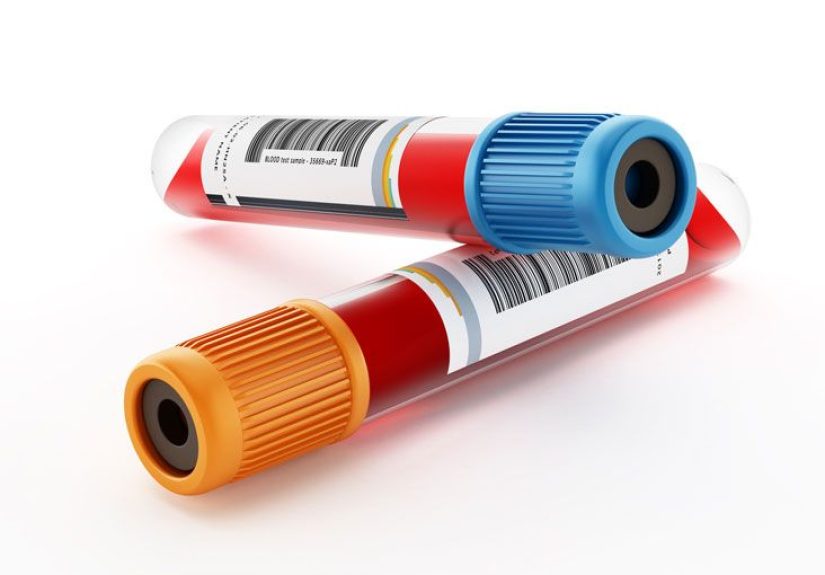
A clinician or phlebotomist cleans the skin (usually your arm), places a tourniquet, inserts a small needle into a vein, and collects blood into tubes.
For clotting studies, the tube typically contains a citrate solution that prevents clotting until the lab is ready to run the test.
2) Lab Processing
The lab separates plasma and runs the test using reagents that trigger clotting under standardized conditions. The analyzer measures the time (in seconds)
until a clot forms. That time is reported as your PTT or aPTT value.
3) Results Reporting
Results may return quickly in hospitals (especially when monitoring heparin), while outpatient turnaround can vary by lab.
What Do PTT Results Mean?
PTT results are reported in seconds. A “normal” range depends on the lab, the method, and the reagents used.
That’s why you should interpret results using the reference range printed next to your value.
When PTT Is Prolonged (Longer Than Expected)
A prolonged PTT generally suggests that clotting through the intrinsic/common pathways is slower than expectedor that something is interfering with the test.
Common possibilities include:
- Heparin effect (especially unfractionated heparin)
- Clotting factor deficiencies (such as factors VIII, IX, XI, XII, and others in the intrinsic/common pathways)
- Von Willebrand disease (can sometimes prolong aPTT indirectly due to factor VIII involvement)
- Clotting inhibitors (for example, lupus anticoagulant or specific factor inhibitors)
- Severe liver disease (reduced production of clotting factors)
- Disseminated intravascular coagulation (DIC) (consumption of clotting factors and platelets)
- Medication effects beyond heparin (some anticoagulants can affect clot-based assays, sometimes variably)
- Pre-analytical issues (sample problems like improper tube fill or contamination from an IV line)
A Key Twist: Lupus Anticoagulant Can Prolong PTT but Link to Clotting
The name “lupus anticoagulant” is famously confusing. It can prolong clotting time in the lab, but in the body it’s often associated with
a higher risk of thrombosis (clotting), not bleeding. This is a classic example of why test results must be interpreted with symptoms and history,
not vibes alone.
When PTT Is Shortened (Shorter Than Expected)
A shortened PTT is less commonly a “headline” finding. It can happen with elevated levels of certain clotting factors (like factor VIII),
which may rise during inflammation, stress, pregnancy, or acute illness. A shortened value is not typically used alone to diagnose a clotting disorder,
but it may prompt clinicians to consider the broader clinical picture.
Follow-Up Tests You Might Hear About
If your PTT/aPTT is abnormal, the next step is often: confirm it, then figure out why.
Your clinician may order additional tests depending on whether bleeding, clotting, or medication monitoring is the main concern.
Common Companion Tests
- PT/INR (to compare pathways and broaden the evaluation)
- Platelet count (platelets matter for clot formation even though PTT focuses on proteins)
- Fibrinogen (a key building block of clots)
- Thrombin time or anti-Xa (in specific anticoagulant evaluations)
- Mixing study (helps distinguish factor deficiency vs. an inhibitor)
- Specific factor assays (to measure levels of particular clotting factors)
- Lupus anticoagulant testing (often with multiple phospholipid-dependent tests)
What Is a Mixing Study (and Why Does It Sound Like a DJ Set)?
A mixing study is a classic problem-solving tool: the lab mixes your plasma with normal plasma and repeats the aPTT.
If the aPTT “corrects” toward normal, it suggests a factor deficiency. If it does not correct (or corrects at first then becomes prolonged),
it can suggest an inhibitor (such as a factor inhibitor or lupus anticoagulant). This helps narrow the path to a diagnosis without guesswork.
What Can Affect PTT Accuracy?
The PTT test is reliable, but it’s also pickylike a sourdough starter. A few details can change results.
Pre-Analytical Factors (Before the Lab Even Runs the Test)
- Tube filling: If the citrate tube isn’t filled correctly, the blood-to-anticoagulant ratio may be off.
- Drawing from an IV line: Heparin contamination can falsely prolong aPTT if blood is drawn from certain lines.
- Delayed processing: Timing and handling matter for clotting tests.
- Very high hematocrit: Can require adjustments in anticoagulant volume in the tube.
Biological Factors (Things Your Body Is Doing)
- Pregnancy or inflammation (can change clotting factor levels)
- Acute illness (stress response may elevate certain factors)
- Autoimmune activity (may involve inhibitors like lupus anticoagulant)
- Liver function changes (affect production of clotting factors)
Risks and Side Effects of the PTT Test
The PTT test itself is just a blood draw, so risks are generally minor:
- Brief pain or stinging during the needle stick
- Small bruise or tenderness at the site
- Lightheadedness or fainting in people who dislike needles (you are not alone)
- Rarely, infection or prolonged bleeding at the sitemore likely in people already prone to bleeding
Frequently Asked Questions
Is the PTT test the same as the aPTT test?
They’re closely related. Many labs use aPTT as the standard method, and people often say “PTT” to refer to it.
Your lab report will specify the exact test.
Do I need to fast for a PTT test?
Usually, no. But always follow your clinician’s instructions, especially if other labs are being drawn at the same time.
Does a prolonged PTT always mean I will bleed?
Not always. Some causes (like lupus anticoagulant) can prolong PTT in the lab without causing bleeding and may even be associated with clotting risk.
That’s why interpretation depends on your history, symptoms, medications, and other test results.
How quickly do results come back?
In hospitals, results can return quicklyespecially for heparin monitoring. Outpatient timing varies by lab.
Real-World Experiences With PTT Testing (What People Notice)
Lab tests are numbers, but the experience is very human. Here are some common real-world “PTT moments” people talk aboutespecially when the test is ordered
for the first time or repeated frequently in the hospital.
1) The name sounds scarier than the needle. Many people hear “partial thromboplastin time” and immediately imagine something dramatic.
In reality, the test is usually just one tube in a standard blood draw. The most intense part is often the waitingnot the procedure.
2) The hospital aPTT schedule can feel nonstop. If you’re on an unfractionated heparin infusion, aPTT checks may happen repeatedly
(sometimes every several hours early on). Patients often describe it as “being on a lab timer.” Clinically, it’s done to keep anticoagulation in a safe range,
but emotionally it can feel like your veins are working overtime. Practical tip patients share: ask if blood draws can be clustered with other labs to reduce
extra sticks, and keep your arm warm to make veins easier to access.
3) “Prolonged” triggers anxietyfast. People see “prolonged” and assume it means “I’m going to bleed out from paper cuts.”
Often, the next step is simply confirming the result and checking context: Were you on heparin? Was the sample drawn from a line? Is your PT/INR normal?
Clinicians frequently reassure patients that one abnormal clotting test is a clue, not a verdict. Many patients feel better once someone explains
that the test is part of a bigger puzzle.
4) Bruising at the draw site becomes a detective story. A small bruise after a blood draw is common, but when someone is being evaluated
for bleeding issues, that bruise can suddenly feel like evidence. Nurses often recommend gentle pressure for a few minutes after the draw, especially if you’re
on blood thinners. Patients also learn that bruising from a needle stick doesn’t automatically mean a bleeding disorderit can be as simple as a fragile vein,
a tight tourniquet, or a spot that got bumped later.
5) Repeat testing can be frustrating but informative. Some people experience a “normal one day, abnormal the next” pattern, especially when
medications change, illness flares, or the body is under stress. Clinicians commonly repeat tests to rule out handling issues and track trends.
Patients often say it helps when a provider explains what they’re watching for: stability, direction of change, and whether other labs agree with the story.
6) The best experience upgrade is communication. People consistently report a smoother experience when they understand:
(a) why the test is being ordered, (b) what a result might suggest, and (c) what the next step will be if it’s abnormal.
A simple script many patients use: “What are you looking for with this PTT, and what would you do if it’s high or low?”
That one question often turns a stressful lab number into a clearer plan.
Conclusion
The PTT/aPTT test is a foundational tool for understanding clotting function. Whether it’s being used to investigate unexplained bleeding,
evaluate clotting concerns, or monitor unfractionated heparin therapy, the goal is the same: get actionable information safely and quickly.
If your result is abnormal, don’t panicPTT is a starting point that often leads to follow-up testing (like PT/INR, mixing studies, and factor assays)
to pinpoint the reason. With the right context, the PTT test helps clinicians make smarter decisions and helps patients get clearer answers.