Table of Contents >> Show >> Hide
- Introduction: Your Period Is Not “Just a Period”
- What Is a Period?
- Common Menstrual Symptoms
- Premenstrual Symptoms: What Is PMS?
- PMDD: When Premenstrual Symptoms Are Severe
- Common Menstrual Problems
- How to Manage Period Cramps and PMS
- When to See a Healthcare Professional
- Medical Treatments for Menstrual Problems
- Myths About Periods That Need to Retire
- Practical Experiences: What Living With Period Symptoms Can Feel Like
- Conclusion
- SEO Tags
Note: This article is for educational purposes only and is based on widely accepted medical information from reputable U.S. health organizations. It should not replace advice from a qualified healthcare professional.
Introduction: Your Period Is Not “Just a Period”
A period can feel like a monthly weather report from your uterus: light drizzle, dramatic thunderstorm, surprise humidity, and the occasional emotional tornado. For some people, menstrual symptoms are mild and predictable. For others, periods arrive with cramps, fatigue, bloating, mood changes, headaches, heavy bleeding, or symptoms that disrupt school, work, sleep, and daily life.
Understanding periods, menstrual symptoms, menstrual problems, and premenstrual symptoms is more than a biology lesson. It helps you know what is common, what may need medical attention, and how to manage symptoms without treating your body like an inconvenient roommate. A menstrual cycle is a normal hormonal process, but “normal” does not mean “you must suffer quietly.” Pain, heavy bleeding, irregular cycles, and severe mood symptoms can often be evaluated and treated.
This guide explains what happens during a period, common period symptoms, signs of menstrual problems, PMS, PMDD, practical relief strategies, and real-life experiences that make the whole topic feel less mysterious and more manageable.
What Is a Period?
A period, also called menstruation, is the bleeding that happens when the lining of the uterus sheds. During a typical menstrual cycle, hormones prepare the uterus in case pregnancy occurs. If pregnancy does not happen, hormone levels shift, the uterine lining breaks down, and bleeding begins.
Many cycles last around 21 to 35 days in adults, though cycles can vary, especially during the first few years after periods begin, during major stress, after pregnancy, while using certain medications, and as menopause approaches. Bleeding often lasts three to seven days, but what matters most is your own pattern. A period tracker, calendar, or simple notes app can help you notice changes.
Common Menstrual Symptoms
Period symptoms can show up before bleeding starts, during bleeding, or both. Some people barely notice them. Others feel like their body has opened a tiny customer service desk where every complaint is urgent.
Menstrual Cramps
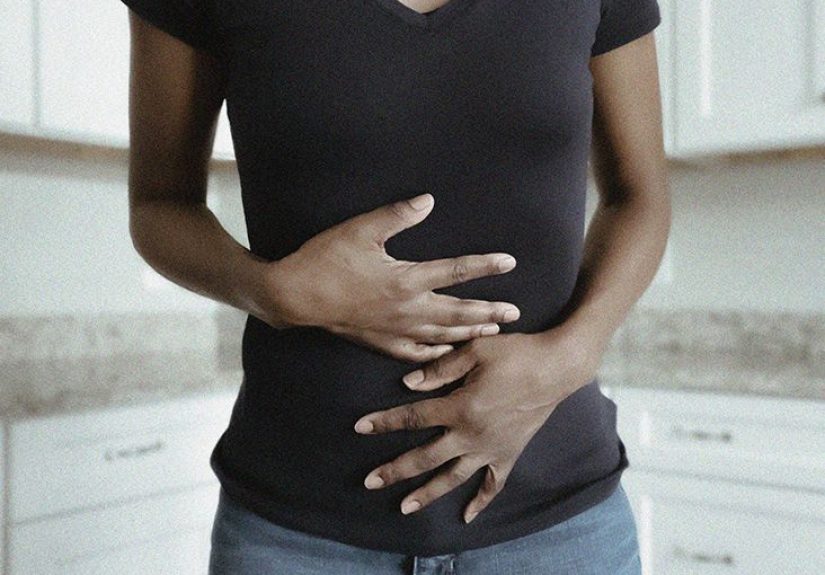
Menstrual cramps, medically called dysmenorrhea, are one of the most common period symptoms. They usually feel like throbbing, aching, or cramping pain in the lower abdomen. The pain may spread to the lower back or thighs. Cramps happen partly because hormone-like chemicals called prostaglandins help the uterus contract to shed its lining.
Mild cramps are common, especially in the first few days of bleeding. However, cramps that regularly stop you from going to school, working, sleeping, or doing normal activities deserve attention. Severe cramps are not a character-building exercise; they may be a sign of a treatable condition.
Bloating and Breast Tenderness
Hormonal changes can cause water retention, bloating, and breast tenderness before or during a period. This can make jeans feel personally offensive. Bloating often improves after bleeding starts or within a few days.
Fatigue
Feeling tired around your period is common. Hormonal shifts, poor sleep, cramps, headaches, and heavier bleeding can all contribute. If fatigue is intense, lasts beyond your period, or comes with dizziness, shortness of breath, or very heavy bleeding, it is worth discussing with a healthcare professional because anemia may be involved.
Headaches and Back Pain
Some people get headaches, migraines, lower back pain, or muscle aches around their period. These symptoms may be linked to hormone changes, inflammation, tension, sleep changes, or dehydration. Tracking headaches alongside your cycle can help reveal patterns.
Digestive Changes
Constipation, diarrhea, nausea, or stomach discomfort can happen around menstruation. Prostaglandins do not always limit their enthusiasm to the uterus; they can also affect the digestive tract. Eating balanced meals, drinking water, and using heat for cramps may help.
Skin Changes and Acne
Hormonal changes before a period may trigger oily skin or acne breakouts. This is common and does not mean you suddenly forgot how to wash your face. Gentle skincare, avoiding harsh scrubbing, and using noncomedogenic products can help.
Premenstrual Symptoms: What Is PMS?
Premenstrual syndrome, or PMS, refers to physical and emotional symptoms that appear after ovulation and before the period starts. PMS symptoms usually improve within a few days after bleeding begins. The key pattern is timing: symptoms return during the same part of the cycle and then ease.
Common PMS Symptoms
PMS can include bloating, breast tenderness, food cravings, headaches, acne, fatigue, sleep changes, irritability, anxiety, sadness, trouble concentrating, and mood swings. For some people, PMS is a small monthly inconvenience. For others, it feels like their patience went on vacation and forgot to leave a forwarding address.
PMS is thought to be related to normal hormonal changes during the menstrual cycle, especially changes in estrogen and progesterone after ovulation. Brain chemicals, stress, sleep, diet, and individual sensitivity to hormone shifts may also play a role.
PMS vs. Period Symptoms
PMS happens before the period. Period symptoms happen during bleeding, although the two can overlap. For example, bloating and irritability may begin before bleeding, while cramps often become stronger once bleeding starts. Tracking symptoms for two or three cycles can help you separate PMS from menstrual pain and notice whether symptoms are predictable.
PMDD: When Premenstrual Symptoms Are Severe
Premenstrual dysphoric disorder, or PMDD, is a more severe form of premenstrual symptoms. PMDD can cause intense mood symptoms such as severe irritability, anxiety, sadness, anger, feeling overwhelmed, or difficulty functioning in daily life. Physical symptoms like bloating, breast tenderness, headaches, and fatigue may also occur.
The biggest difference between PMS and PMDD is severity. PMS may be uncomfortable. PMDD can interfere with relationships, school, work, and daily responsibilities. If emotional symptoms before your period feel extreme, frightening, or out of control, it is important to speak with a doctor, nurse practitioner, gynecologist, or mental health professional. PMDD is real, and treatment options exist.
Common Menstrual Problems
Not every period problem is dangerous, but certain changes deserve attention. Your cycle is like a monthly report card from your body. You do not need to panic over every variation, but you should not ignore major changes either.
Heavy Periods
Heavy menstrual bleeding may mean bleeding that lasts more than seven days, soaking through pads or tampons very quickly, needing double protection, passing large clots, or feeling weak and exhausted during your period. Heavy bleeding can sometimes lead to iron deficiency or anemia.
Possible causes include hormonal imbalance, fibroids, polyps, adenomyosis, thyroid problems, certain medications, bleeding disorders, or other medical conditions. A healthcare professional may recommend blood tests, imaging, medication, or other treatments depending on the cause.
Irregular Periods
Irregular periods can mean cycles that are much shorter or longer than usual, bleeding between periods, skipped periods, or unpredictable bleeding. Irregularity can happen during puberty, perimenopause, stress, intense exercise, significant weight changes, polycystic ovary syndrome, thyroid disorders, and with certain contraceptives.
Occasional variation can be normal. But sudden changes, repeated missed periods, bleeding between periods, or bleeding after sex should be discussed with a healthcare professional.
Painful Periods
Primary dysmenorrhea means period pain that is not caused by another medical condition. It often begins in adolescence and may improve with age or hormonal contraception. Secondary dysmenorrhea means pain caused by another condition, such as endometriosis, fibroids, pelvic inflammatory disease, or adenomyosis.
Clues that pain may need evaluation include cramps that worsen over time, pain that starts days before bleeding and continues after, pain that does not improve with common treatments, pain during bowel movements or urination around your period, or pelvic pain outside your period.
Missing Periods
A missed period can happen for many reasons, including pregnancy, stress, illness, major weight changes, intense exercise, hormonal conditions, certain medications, or breastfeeding. If pregnancy is possible, taking a pregnancy test is a practical first step. If periods stop for several months without a clear reason, medical evaluation is recommended.
How to Manage Period Cramps and PMS
Use Heat
A heating pad, warm bath, or hot water bottle can relax muscles and ease cramps. Heat is simple, low-cost, and surprisingly powerful. It is basically a cozy peace treaty with your abdomen.
Try Gentle Movement
Light exercise, walking, stretching, yoga, or low-impact movement may reduce cramps and improve mood. You do not need to perform Olympic-level athleticism while cramping. A gentle walk around the block counts.
Consider Over-the-Counter Pain Relief
Nonsteroidal anti-inflammatory drugs, such as ibuprofen or naproxen, can help reduce cramps for many people when taken as directed. These medicines work best for some people when taken at the start of cramps or bleeding. They are not right for everyone, especially people with certain stomach, kidney, bleeding, or medication concerns, so follow label instructions or ask a healthcare professional.
Eat and Hydrate Strategically
A balanced diet with fiber-rich carbohydrates, protein, healthy fats, fruits, vegetables, and enough water can support energy and reduce constipation. Reducing excess salt may help bloating. Limiting caffeine may help some people with breast tenderness, anxiety, or sleep problems, though responses vary.
Prioritize Sleep
PMS and period symptoms often feel worse when sleep is poor. A regular sleep schedule, less screen time before bed, and a calming routine can help. Yes, your phone may insist that one more video is essential research. Your hormones may disagree.
Track Your Cycle
Tracking symptoms helps you identify patterns and prepare. Write down period start date, flow level, cramps, mood, headaches, sleep, digestion, and medications used. Bring this information to appointments. It gives your healthcare provider useful clues and prevents the classic “I forgot everything the second I entered the exam room” problem.
When to See a Healthcare Professional
Seek medical advice if periods are very heavy, last longer than seven days, require changing protection every hour or two, include large clots, or cause dizziness or extreme fatigue. You should also get evaluated for severe cramps, pelvic pain outside your period, bleeding between periods, bleeding after sex, sudden cycle changes, missed periods without explanation, symptoms of anemia, or PMS symptoms that seriously affect daily life.
Get urgent medical help if bleeding is extremely heavy, pain is sudden and severe, you feel faint, or you may be pregnant and have significant pain or bleeding.
Medical Treatments for Menstrual Problems
Treatment depends on the cause and your health goals. Healthcare professionals may recommend NSAIDs, hormonal birth control, lifestyle changes, iron supplements for anemia, medications to reduce heavy bleeding, or treatment for underlying conditions such as fibroids, endometriosis, thyroid disease, or bleeding disorders.
For PMS or PMDD, options may include symptom tracking, exercise, sleep support, stress management, cognitive behavioral therapy, certain antidepressants, hormonal contraceptives, or other prescription treatments. The right plan depends on symptom severity, medical history, and personal preferences.
Myths About Periods That Need to Retire
Myth 1: Severe Pain Is Normal
Mild cramps are common. Severe pain that regularly disrupts life is not something you have to accept. Pain deserves care, not a motivational poster.
Myth 2: PMS Is “Just Being Moody”
PMS can include real physical and emotional symptoms linked to cycle changes. Dismissing it as attitude or drama helps exactly no one.
Myth 3: Heavy Bleeding Is Just a Strong Period
Heavy bleeding can be a sign of a medical issue and may cause anemia. If your period is taking over your schedule, clothing, sleep, and energy, it is worth discussing.
Myth 4: Everyone’s Cycle Must Be 28 Days
A 28-day cycle is common in examples, but real bodies are not math worksheets. Many healthy cycles are shorter or longer.
Practical Experiences: What Living With Period Symptoms Can Feel Like
Periods are not experienced in a neat textbook paragraph. They show up during math tests, staff meetings, family trips, soccer practice, first dates, final exams, and the one day you decided to wear light-colored pants. Real menstrual experiences are often a mix of planning, improvising, humor, frustration, and learning what your body needs.
One common experience is the “warning week.” A few days before bleeding, you may notice cravings, bloating, low patience, or a sudden desire to reorganize your entire life at 11:40 p.m. These symptoms can be confusing until you track them. Once you see the pattern, it becomes easier to say, “This mood is real, but it may also be hormonal, and I do not need to make every major life decision today.” That awareness can protect relationships and reduce self-blame.
Another familiar experience is the first-day cramp ambush. You wake up feeling fine, then cramps arrive like they paid rent. For many people, preparation makes a difference: keeping period products in a backpack, desk, locker, purse, or car; carrying a small pain-relief option if approved by a parent or healthcare professional; and having a heating patch or comfortable clothing ready. These small systems can turn a chaotic day into a manageable one.
Heavy periods bring their own challenges. Someone with heavy bleeding may plan outfits around leaks, avoid long activities, wake up at night to change protection, or feel anxious about being far from a bathroom. This experience can feel embarrassing, but it is also a valid health concern. If a period requires constant planning just to avoid accidents, that is not “being dramatic.” It is a sign that support and medical advice may be useful.
Emotional symptoms can be just as disruptive as physical ones. PMS may make small problems feel larger. PMDD can make life feel intensely difficult during the premenstrual window. People often describe relief when they realize the timing is cyclical rather than random. Tracking mood symptoms can help healthcare professionals distinguish PMS, PMDD, anxiety, depression, or other concerns. It also helps the person experiencing symptoms feel less alone and more in control.
There is also the social experience of periods. Some people grow up in homes where menstruation is openly discussed. Others learn to hide pads like secret government documents. A healthier approach is simple: periods are normal, period products are practical, and asking for help should not feel embarrassing. Whether you are a teen, parent, partner, teacher, coach, or friend, calm and respectful conversations make menstrual health easier for everyone.
Over time, many people build a personalized “period toolkit.” It may include a tracker, water bottle, comfortable underwear, preferred period products, heating pad, gentle exercise, easy meals, magnesium-rich foods, extra sleep, and a plan for when symptoms become too much. The goal is not to defeat your cycle like a villain. The goal is to understand it, support your body, and know when to ask for medical help.
Conclusion
Periods are a normal part of life for many people, but painful, heavy, irregular, or emotionally overwhelming periods should not be brushed aside. Menstrual symptoms such as cramps, bloating, fatigue, headaches, and mood changes are common, while PMS and PMDD can affect both physical and emotional well-being. The good news is that tracking symptoms, using practical self-care, and seeking medical guidance when needed can make periods far more manageable.
Your cycle is not supposed to be a monthly mystery novel with a shocking plot twist every chapter. Pay attention to patterns, respect your symptoms, and remember that help is available. A better period experience often begins with one simple step: believing your body when it tells you something needs care.