Table of Contents >> Show >> Hide
- Who Is Pernille Lind?
- Why “Quick Takes” Fits Pernille Lind So Well
- Pernille Lind’s Design Philosophy, Decoded
- What Her “Quick Takes” Reveal About Taste
- Lessons Homeowners Can Steal Without Hiring a London Design Studio
- The Real Appeal of Pernille Lind Right Now
- Experiences Inspired by “Quick Takes With: Pernille Lind”
- Conclusion
Some designers decorate rooms. Pernille Lind seems to compose moods. The difference matters. A room can be stylish and still feel like a furniture showroom that politely asks you not to sit down. A Pernille Lind interior, by contrast, tends to feel lived-in, softly edited, and just a little cinematic, like the sort of place where the coffee is strong, the bedding is crisp, and no lamp bulb ever shouts at you.
That is what makes Quick Takes With: Pernille Lind such an appealing subject. Lind is not only a designer with a recognizable point of view; she is also one of those creatives whose fast answers reveal a surprisingly complete worldview. Ask her about sheets, lighting, bedside tables, dinner-party gifts, or a favorite book, and you do not just get preferences. You get a map of how she thinks about beauty, comfort, function, memory, and atmosphere. In SEO terms, yes, this article is about Pernille Lind. In human terms, it is about why her design philosophy feels so fresh in a world that often mistakes “minimal” for “personality-free.”
Who Is Pernille Lind?
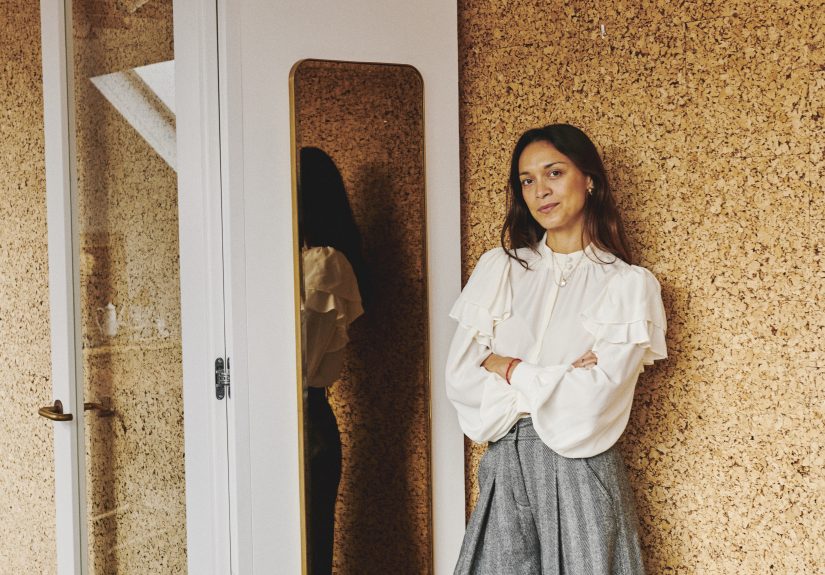
Pernille Lind is a Danish-born, London-based interior and furniture designer with Thai heritage, and that layered cultural background helps explain the layered quality of her work. Her studio, Pernille Lind Studio, is known for spaces that blend Scandinavian calm, midcentury references, tactile materials, and a subtle global sensibility. Before launching her own practice, she built experience in hospitality and high-end residential design, with work shaped by time at respected London firms and projects that sharpened her eye for detail, mood, and guest experience.
That hospitality instinct matters. Lind’s name is closely associated with Hotel Sanders in Copenhagen, a boutique property that helped introduce many design lovers to her aesthetic. The project, developed with collaborator Richy Almond, brought together bespoke furniture, rich but restrained materials, and a “private home, but better dressed” feeling. It is exactly the kind of hotel that makes guests come home, glare at their own bedroom, and mutter, “Well, this is disappointing.” Honestly, relatable.
Her later work has continued that same signature mix: serene palettes, layered textures, vintage and custom pieces, and a strong respect for context. Whether the project is a townhouse, a Chicago-area home, a retail space, or a hospitality setting, Lind’s spaces tend to avoid empty trendiness. They feel curated rather than crowded, polished rather than precious, and personal without turning into chaos.
Why “Quick Takes” Fits Pernille Lind So Well
The charm of a quick-take interview is that it strips away polished branding language and gets closer to instinct. With Pernille Lind, those instincts are revealing. Her answers point toward a designer who values calm over noise, texture over flash, and emotional resonance over showroom perfection. She prefers crispy cotton sheets, keeps a lavender pillow spray and candle by the bed, loves a bath as a meaningful home upgrade, and describes her style in three words: cozy, inviting, personal.
That trio could easily be dismissed as pleasant design vocabulary, except her work actually backs it up. Cozy, in her hands, does not mean cluttered. Inviting does not mean generic. Personal does not mean weird-for-the-sake-of-being-quirky. Instead, those words show up in practical ways: muted palettes, softer contrasts, intimate lighting, natural materials, and rooms that encourage you to exhale instead of perform.
Even her favorite references tell a story. A design-related book choice like In Praise of Shadows makes perfect sense for someone who avoids harsh light and embraces atmosphere. A fondness for a good margarita, sculptural jewelry, eclectic shops, and handmade ceramics suggests a designer who is drawn to objects with mood, shape, and memory. She does not seem interested in collecting things just because they are expensive or “must-haves.” She seems interested in pieces that carry soul.
Pernille Lind’s Design Philosophy, Decoded
1. Calm Is Not Boring
One of the most useful takeaways from Pernille Lind’s work is that restraint does not equal blandness. In fact, many of her most memorable interiors are built on soft, muted palettes: off-whites, taupes, dusty blues, pale neutrals, and warm woods. This is not the cold, clinical minimalism that makes you afraid to place a mug on a table. It is warmer than that, looser than that, and more forgiving.
That philosophy aligns beautifully with broader Scandinavian design principles often highlighted by American design publications: organic materials, livable minimalism, functional layouts, and rooms that prioritize warmth as much as clarity. Lind seems to understand that the trick is not removing personality. It is removing visual noise so the right details can actually breathe.
2. Materials Do the Heavy Lifting
If you look across Lind’s interiors, one thing becomes obvious fast: she trusts materials. Wood, marble, rattan, brass, linen, terrazzo, cane, and stone appear again and again. These materials bring depth without screaming for attention. A room does not need ten dramatic moves when one beautiful slab of marble, a quietly perfect oak headboard, or a vintage brass fixture can do the job with more elegance.
This is part of what gives Pernille Lind Studio projects their tactile richness. The rooms often feel collected through touch as much as sight. You can imagine the grain of the wood, the coolness of the stone, the softness of the bedding, the weight of the drapery. That sensory quality is a huge reason her interiors feel luxurious even when they are visually restrained.
3. Bedrooms Should Feel Like a Boutique Hotel, Not a Storage Unit
If Lind had a bumper sticker, it might read: “Put less stuff near the bed.” Her bedroom advice is refreshingly specific. Keep the palette muted. Choose a well-proportioned headboard. Use rugs intentionally. Make bedside tables smaller. Avoid glaring light. Close the curtains. Keep bedding simple and high quality. In other words, stop turning your bedroom into an extension of your inbox, laundry pile, and existential dread.
Her approach to the hotel-like bedroom is especially smart because it is not about buying luxury for the sake of luxury. It is about editing. A single calming duvet, diffused lighting, soft wall color, and a bit of texture go much further than random decorative clutter. Lind’s rooms suggest that better sleep is sometimes less about biohacking and more about not having a harsh overhead spotlight aimed at your face like an interrogation scene.
4. Good Design Holds Memory
Perhaps the most interesting part of Lind’s story is how much of her work is tied to memory. She has spoken about childhood impressions of grand Bangkok hotels, about growing up around eclectic objects collected by her parents, and about the way global influences shaped her eye. That background helps explain why her interiors often feel nostalgic without looking retro.
She is not copying one era or one national style. She is blending references in a way that feels emotionally coherent. Danish modern pieces might sit beside English-inspired upholstery, a marble detail might nod to Art Deco, and an object picked up on holiday might matter just as much as a custom-made piece. The result is a home that feels layered by life rather than assembled by algorithm.
What Her “Quick Takes” Reveal About Taste
The beauty of the quick-fire format is that tiny answers can reveal huge values. Take her favorite gift for a dinner invitation: a plant for the garden or wine chosen to suit the menu. That answer is thoughtful, situational, and quietly generous. It is not performative. It is also exactly how her interiors work. They are responsive, tailored, and grounded in use.
Her design pet peeve is equally revealing. Good taste is sometimes easiest to define by what it refuses, and Lind clearly believes color and materials need intention. Her favorite shop in Copenhagen appeals to her because it is eclectic and a bit unpredictable. Her most recent purchase for home was handmade ceramics from a holiday. Her wish list includes a bed throw with unique designs. In every case, the theme is the same: objects should carry texture, individuality, and a sense of place.
That may be the central reason Quick Takes With: Pernille Lind resonates. The answers are short, but the worldview is rich. They present a designer who understands that a home is not just a backdrop for photos. It is a daily experience made from rituals, materials, light, comfort, and memory.
Lessons Homeowners Can Steal Without Hiring a London Design Studio
Not everyone can commission bespoke joinery or custom marble tables. Most people are just trying to make the bedroom feel less like a charging station with pillows. The good news is that Lind’s philosophy translates surprisingly well to normal life.
Start with color. Choose soft, warm neutrals instead of sharp white or harsh contrast. Then fix the lighting. If your bedroom bulb makes you feel like you are onstage at a talent show you did not agree to join, replace it. Add dimmers, shaded fixtures, or softer lamps. Next, cut back on visual clutter near the bed. A small nightstand is enough. You do not need a bedside command center worthy of an air-traffic controller.
Then focus on materials. One quality throw, one textured rug, one beautiful vintage or handmade object, one set of bedding that feels good against the skin: these choices can change the emotional temperature of a room. Lind’s work is a reminder that luxury often comes from composition, not quantity.
The Real Appeal of Pernille Lind Right Now
Design trends come and go at Olympic speed, but Pernille Lind’s work feels aligned with something more lasting. American audiences are increasingly drawn to interiors that are warm, edited, and deeply livable. The appetite for natural materials, quiet luxury, Scandinavian comfort, and emotionally intelligent spaces has only grown. Lind fits that moment perfectly, but her work never feels trend-chasing. It feels grounded.
That may be because her rooms are built on principles rather than gimmicks: context, craft, proportion, nostalgia, and atmosphere. Those things age better than viral color palettes. They also make a home feel human. And that, ultimately, is what gives Lind’s work its staying power. It is stylish, yes, but also generous. It leaves room for daily life.
Experiences Inspired by “Quick Takes With: Pernille Lind”
Reading about Pernille Lind’s preferences, then looking at her interiors, creates a very specific kind of envy. Not the bad envy, the “I need to burn my whole house down and start over” kind. More the productive envy. The kind that makes you look around your own bedroom and think, “Okay, maybe the problem is not my life. Maybe it is the angry overhead light and the tragic pile of unmatched blankets.”
The first experience her work brings to mind is the feeling of walking into a room that instantly lowers your pulse. We all know that rare sensation. You step inside, and without anyone saying a word, the space tells you to breathe more slowly. The colors are soft but not sleepy. The materials feel honest. The bed looks inviting in a way that says “rest here” rather than “please admire this from a safe distance.” That is the hotel magic Lind seems to understand so well, and it is surprisingly emotional. A good room does not just look nice. It changes how your body behaves inside it.
Another experience tied to her work is the pleasure of discovery. Lind’s interiors do not seem to reveal themselves all at once. You notice the broad mood first, then the details begin to arrive: a vintage lamp with the right amount of patina, a woven texture that softens a hard surface, a piece of stone that catches the light differently in the afternoon, a fabric choice that suddenly makes the whole room click. It is a little like meeting someone very stylish who does not immediately tell you they are stylish. The confidence is there, but it does not need a drumroll.
Then there is the deeply human experience of attachment. Lind’s quick answers suggest she values objects that come with memory: a jug from a holiday, a favorite book, a scent by the bed, music that sparks imagination. That matters because the best homes are never just well-decorated. They are emotionally indexed. The chair reminds you of a trip. The ceramic plate reminds you of a season. The throw at the end of the bed reminds you that winter can be lovely if handled with enough tea and acceptable socks.
Her ideas also speak to the experience of growing into better taste. Many people begin with design choices that are loud because they are trying to prove something. Later, they start to understand proportion, softness, and restraint. Lind’s work feels like the mature version of confidence. It is secure enough to whisper. That is a powerful lesson, especially for homeowners overwhelmed by trend culture. You do not need every room to make a statement. Sometimes the statement is simply that the room feels good to be in.
Finally, there is the experience of daily ritual. A bath at the end of the week. Crisp cotton sheets. Curtains closed at dusk. A lamp turned low. A quiet playlist. These are not huge design gestures, but together they create atmosphere, and atmosphere is what people remember. That may be the biggest insight behind Quick Takes With: Pernille Lind: design is not only about what you see. It is about what you feel, repeat, and carry with you. A well-designed room does not just photograph beautifully. It improves an ordinary Tuesday night, which might be the highest design achievement of all.
Conclusion
Quick Takes With: Pernille Lind works because Pernille Lind herself works: as a designer, as a storyteller through space, and as a reminder that the best interiors are rarely the loudest ones. Her answers, projects, and design philosophy all point in the same direction. Toward softness over severity. Toward craft over clutter. Toward homes that feel collected, atmospheric, and deeply personal.
If you are drawn to Scandinavian interior design, a hotel-like bedroom, or spaces that balance elegance with ease, Lind offers a compelling model. She proves that calm can still have character, that natural materials can feel glamorous, and that a room does not need to scream to be unforgettable. Sometimes the strongest style move is simply making a space feel like somewhere people genuinely want to be.