Table of Contents >> Show >> Hide
- What Is Rumaki, Exactly?
- Key Ingredients for Rumaki Chicken Liver and Bacon
- Step-by-Step: Rumaki Chicken Liver and Bacon Appetizer Recipe
- Tips for Perfect Rumaki Every Time
- How to Serve Rumaki at Your Next Party
- FAQs About Rumaki Chicken Liver and Bacon
- Food Safety and Nutrition Notes
- Rumaki in Real Life: Entertaining Tips and Experiences
If you’re looking for an appetizer that makes people hover by the serving tray
and “just grab one more,” rumaki is your secret weapon. This retro
chicken liver and bacon appetizer was a tiki-bar rockstar in the
1950s and 1960s, and it still knows how to work a party crowd today.
Classic rumaki is all about contrast: salty-smoky bacon, creamy
chicken liver, and the crisp, juicy snap of water chestnuts, all held together
with a sweet-savory soy marinade. It looks fancy, tastes bold, and secretly
takes less effort than a complicated charcuterie board.
In this in-depth guide, you’ll learn exactly how to make a
Rumaki Chicken Liver and Bacon Appetizer that’s crispy on the
outside, tender inside, and safely cooked for your guests. We’ll cover the
ingredients, step-by-step method, variations, food safety, plus real-world
entertaining tips at the end.
What Is Rumaki, Exactly?
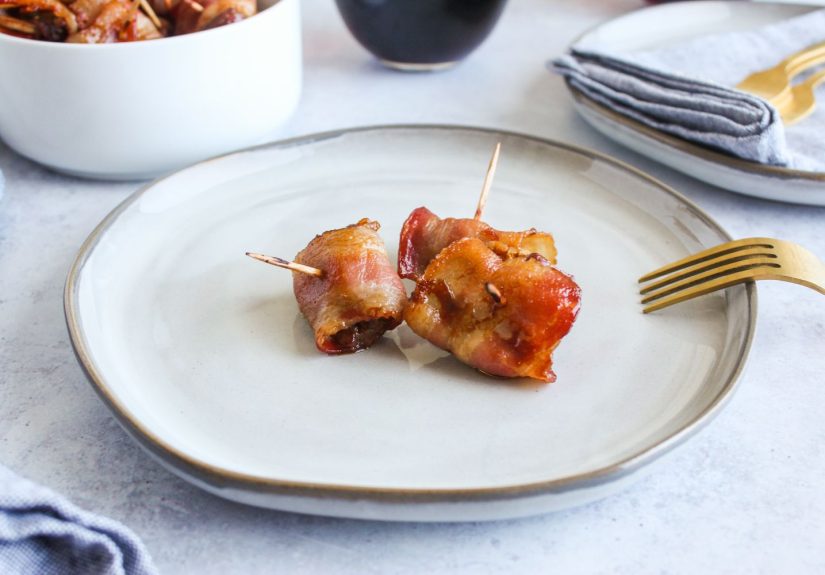
Rumaki is a bite-size hors d’oeuvre made from chicken (or duck) liver and
water chestnuts wrapped in bacon, then marinated in a sweet-savory soy-based
sauce and baked, broiled, or grilled until the bacon is crisp and sizzling.
It’s believed to have started in mid-20th-century American tiki restaurants,
popularized by spots like Don the Beachcomber and Trader Vic’s, where
“Polynesian” cocktails and fusion snacks flooded the menu.
Rather than being a traditional Polynesian dish, rumaki is more of an
playful American mash-up: a little bit of Chinese-American flavor (soy, ginger,
water chestnuts), a touch of European-style liver appreciation, and a big,
unapologetic strip of bacon. It’s the appetizer equivalent of a vintage tiki
mugdramatic, fun, and slightly over the top.
Don’t be surprised if guests who swear they “hate liver” suddenly change their
minds. Bacon and a good marinade are powerful negotiators.
Key Ingredients for Rumaki Chicken Liver and Bacon
One of the perks of this rumaki recipe is that it uses affordable,
easy-to-find ingredients. Here’s what you’ll need and why each one matters.
Core ingredients
-
Chicken livers (about 1 pound) – Trimmed of connective tissue
and cut into bite-size pieces. They bring rich, silky flavor and a big dose
of nutrients like iron and vitamin A. -
Bacon (regular sliced, 12–16 slices) – Cut each slice in half.
Thin to medium thickness works best so it crisps up before the liver overcooks.
Thick-cut bacon takes longer and can end up chewy instead of crisp. -
Canned whole water chestnuts (1 can, drained) – These stay
crunchy even after baking, giving your rumaki that satisfying snap when you
bite in. -
Toothpicks or small skewers – Essential for holding each
little bundle together and making them easy to pick up from the platter.
Marinade ingredients
-
Soy sauce – The salty, umami backbone. Use regular soy sauce;
if sodium is a concern, choose low-sodium and adjust salt later. -
Brown sugar or honey – Adds caramel sweetness and helps the
bacon glaze and brown in the oven. -
Fresh ginger – Brings warmth and a zesty lift that cuts through
the richness of liver and bacon. -
Garlic – Because almost no appetizer ever complained about the
addition of garlic. -
Rice vinegar or dry sherry (optional) – Adds brightness and a
hint of acidity to balance the fat. -
Sesame oil (optional) – Just a little goes a long way for a
toasty, nutty finish.
Finishing touches (optional but fun)
- Thinly sliced scallions for garnish
- Toasted sesame seeds
- Extra soy-teriyaki glaze for dipping
Step-by-Step: Rumaki Chicken Liver and Bacon Appetizer Recipe
1. Prep the chicken livers
-
Rinse the chicken livers gently under cold water and pat them thoroughly dry
with paper towels. -
Trim away any visible connective tissue or greenish spots (those can taste
bitter). -
Cut large lobes into halves or thirds so each piece is small enough for a
single bite.
Drying the livers well is importantit helps them brown nicely and keeps the
marinade from getting watered down.
2. Mix the marinade
In a medium bowl or zip-top bag, whisk together:
- 1/2 cup soy sauce
- 1/4 cup brown sugar or honey
- 2 cloves garlic, minced
- 1 tablespoon freshly grated ginger
- 1–2 tablespoons rice vinegar or dry sherry
- 1 teaspoon sesame oil (optional)
Taste a tiny drop of the marinade. It should taste boldly salty, sweet, and
a little tangy. Remember, it’s seasoning not just the liver, but the bacon and
water chestnuts too.
3. Marinate the livers and water chestnuts
-
Add the trimmed chicken livers to the bowl or bag, along with the drained
whole water chestnuts. - Toss or shake gently to make sure everything is well coated.
-
Refrigerate for 30 minutes to 1 hour. Longer than 2 hours can make the
liver texture a bit mealy and the bacon overly salty, so keep it on the
shorter side.
4. Wrap with bacon
-
Preheat your oven to 400°F (200°C). Line a rimmed baking sheet
with foil and place a wire rack on top if you have one (this helps the bacon
crisp more evenly). - Cut each slice of bacon crosswise into two shorter pieces.
-
Remove a liver piece and a water chestnut from the marinade, letting excess
drip off. -
Place a water chestnut on the cut bacon, top with a piece of chicken liver,
then wrap tightly in the bacon. - Secure the bundle with a toothpick, pushing it straight through the center.
-
Arrange each rumaki on the rack or prepared pan, leaving a little space
between pieces so the hot air can circulate.
5. Bake until crisp and safely cooked
-
Bake at 400°F for about 18–22 minutes, turning once halfway through, until
the bacon is browned and crisp. -
Use a food thermometer to check that the chicken liver in the center of a
piece has reached at least 165°F (74°C), the recommended safe
minimum internal temperature for poultry livers. -
If needed, return to the oven for a few more minutes, checking frequently
so the bacon doesn’t burn.
Once cooked, transfer the rumaki to a plate lined with paper towels for a
minute or two to drain excess fat. Don’t wait too longthese bites are best
served hot or warm.
6. Garnish and serve
Move the rumaki to a serving platter. Sprinkle with sliced scallions or toasted
sesame seeds if you like, and serve with small dipping bowls of extra soy,
teriyaki, or a spicy mayo for guests who enjoy a little heat.
Tips for Perfect Rumaki Every Time
Choose the right bacon
Regular-cut bacon works best. Very thick bacon can stay chewy before the liver
reaches a safe temperature, while ultra-thin bacon can shred when you try to
skewer it. If your bacon feels flimsy, you can slightly overlap the ends when
wrapping for more structure.
Don’t skip drying the livers
Excess moisture is the enemy of browning. Pat the livers dry before marinating,
and let extra marinade drip off before wrapping with bacon. This keeps your
edges crisp instead of soggy.
Use a rack if possible
A wire rack set over a foil-lined baking sheet allows the bacon fat to drip
away while hot air circulates around each piece. If you don’t have a rack,
flip the rumaki halfway through and pour off excess fat for best results.
Make-ahead strategy
-
You can prep and wrap the rumaki up to one day ahead, arrange on a baking
sheet, cover, and refrigerate. -
When ready to serve, bake directly from the fridge, adding a few extra
minutes to the cook time. Always double-check that internal temperature hits
165°F.
Flavor variations to try
-
Teriyaki rumaki: Swap the marinade for a thick teriyaki sauce
and add a pinch of chili flakes. -
Sweet-heat version: Drizzle finished rumaki with a mix of
honey and sriracha. -
Pineapple twist: Replace the water chestnut with a small
pineapple chunk for a sweet-and-smoky combo. -
Liver-free “kid rumaki”: Make a batch using only bacon and
water chestnuts for guests who aren’t into organ meats.
How to Serve Rumaki at Your Next Party
Rumaki shines on any party spread where finger foods are the stars. Think:
cocktail parties, game day gatherings, New Year’s Eve, or a themed retro tiki
night with mai tais and paper umbrellas.
Serve rumaki:
- On a warm platter with fresh lime wedges for squeezing over the top
- Alongside crunchy veggies and a creamy dip to balance the richness
-
With other small bites like stuffed mushrooms, mini meatballs, or shrimp
cocktail for a varied appetizer selection -
Paired with bubbly drinkssparkling wine, light beers, or citrusy mocktails
all cut nicely through the salty richness
FAQs About Rumaki Chicken Liver and Bacon
Can I grill rumaki instead of baking it?
Yes. Thread several rumaki pieces onto skewers and grill over medium heat,
turning often, until the bacon is crisp and the centers reach 165°F. Watch
closely, because bacon likes to flare up on the grillkeep a cooler zone where
you can move skewers if needed.
Can I freeze rumaki?
For best texture, rumaki is ideal cooked and eaten fresh. If you must freeze,
freeze the wrapped-but-uncooked bundles in a single layer on a tray, then move
to a freezer bag. Thaw in the refrigerator, then bake. The texture of the
liver may be slightly softer, but still tasty.
What if my guests are nervous about liver?
You have options:
- Make a half-and-half tray: some pieces with liver, some just bacon and water chestnuts.
-
Don’t overtalk the liver. Let people try a piece before you announce what it
is. Rumaki often converts “I hate liver” people into quiet fans. -
Emphasize that the liver is fully cooked, tender, and surrounded by smoky
bacon and a flavorful marinade.
Food Safety and Nutrition Notes
Chicken liver is nutrient-dense, providing iron, vitamin A, and B vitamins,
but it must be cooked thoroughly to be safe. Harmful bacteria can exist not
just on the surface but inside the liver, so color alone is not a reliable
guide.
Always:
-
Use a clean food thermometer to confirm that the internal temperature reaches
165°F (74°C). -
Avoid re-using marinade that’s been in contact with raw liver unless you
boil it for at least a minute. -
Keep raw livers and bacon separate from ready-to-eat foods, and wash hands,
utensils, and boards well.
Rumaki is indulgentit’s bacon, after allso think of these as a treat rather
than an everyday snack. Serving them alongside fresh, crunchy sides helps
balance out the richness.
Rumaki in Real Life: Entertaining Tips and Experiences
Imagine this: you bring a tray of hot, bacon-wrapped bites into a room full of
hungry guests. Conversation dips, eyes track the platter, and the first
volunteer bravely reaches for a piece. A moment of silence… then: “Whoa. What
is this?” That’s rumaki doing its job.
In practice, rumaki behaves exactly how you want a party appetizer to behave.
It’s easy to eat with one hand, it holds its shape on a toothpick, and it’s
bold enough in flavor that people remember it long after the party. Hosts often
notice that the first batch disappears so quickly they start mentally planning
“extra rumaki” for the next event.
From an entertaining standpoint, rumaki offers a few strategic advantages:
-
It’s prep-friendly. You can trim livers, mix the marinade, and
wrap everything in bacon earlier in the day. When guests arrive, you just
slide the tray into the oven and enjoy the smell doing half the hosting work
for you. -
It starts conversations. Rumaki isn’t as common as wings or
nachos, so people are curious. “Is that bacon-wrapped… something?” becomes a
perfect casual opener between guests who don’t know each other yet. -
It makes use of budget-friendly ingredients. Chicken livers
are inexpensive, and a single pack of bacon stretches into a lot of bites
when each piece is cut in half.
There are also a few “experience-based” lessons that almost every rumaki maker
ends up learning:
-
Don’t underestimate how many people will eat. Even folks who
are skeptical about liver often grab a second piece “just to double-check”
their feelings. Planning for 3–4 pieces per person is rarely a mistake. -
Protect your baking sheet. Line it with foil and, if you have
one, use a rack. After a party, scrubbing caramelized bacon sugar off an
unlined pan is not the memory you want to keep. -
Stagger the batches. If you make a large amount, bake them in
waves. That way, you can keep refreshing the platter with hot rumaki instead
of serving everything lukewarm.
Hosts who enjoy theme nights find that rumaki fits beautifully into tiki-style
menus with mai tais, coconut rice, and bright salads. But it also works at
more casual eventsfootball games, holiday parties, or potlucks where you want
to bring something a little more interesting than grocery store chips and dip.
Another perk from real-world experience: rumaki can gently introduce people to
chicken liver without the intensity of a pâté or a big slab of liver and
onions. Wrapped in bacon with a crunchy water chestnut, the flavor is present
but balanced, and the texture is tender instead of intimidating. It’s a nice
“gateway” dish for guests who are curious about nose-to-tail eating but prefer
to start with one small bite at a time.
Over time, this appetizer tends to develop a bit of a fan club among your
regular guests. People start asking if you’re “making those bacon-wrapped
things again,” and they time their arrival suspiciously close to when the
first tray usually comes out of the oven. When a recipe earns that kind of
reputation, it deserves a permanent place in your entertaining rotation.
Whether you’re hosting a vintage-themed cocktail party, a small family
gathering, or a big holiday open house, this
Rumaki Chicken Liver and Bacon Appetizer Recipe delivers what
every host wants: a dish that’s easy to plan, simple to cook, and guaranteed
to be remembered.