Table of Contents >> Show >> Hide
- Why the Same Outfit Looks Different in Small, Medium, and Large
- The Big Lesson: Size Is Information, Not Identity
- How Fabric Changes the Whole Conversation
- Cut, Proportion, and the Magic of Styling
- Why Shoppers Love Seeing Multiple Sizes
- Body Confidence Without the Corny Pep Talk
- What Brands Can Learn from S, M, and L Try-Ons
- How to Use S, M, and L Try-Ons When Shopping
- Same Outfit, Three Bodies, One Better Fashion Conversation
- Real-Life Experiences: What Same-Outfit Try-Ons Teach Us
- Conclusion
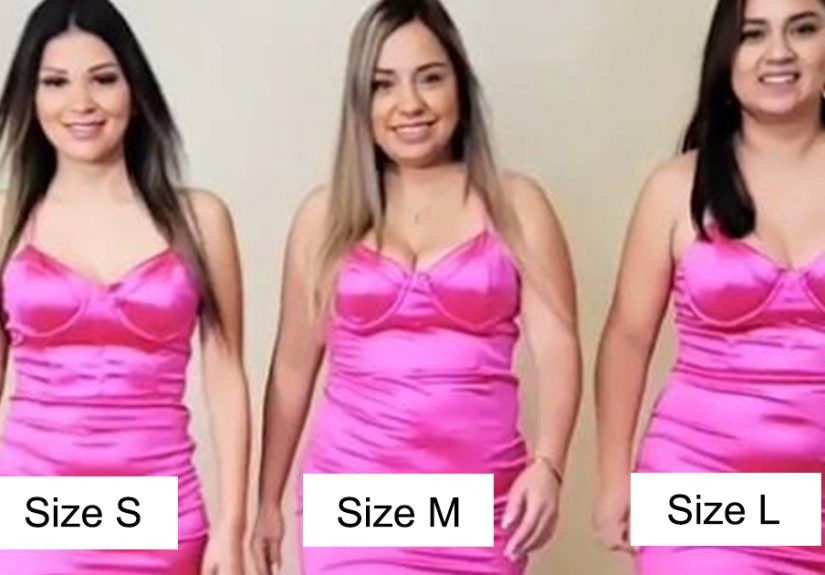
Fashion has a funny little habit: it promises confidence, then hands you a size chart that looks like it was written during a thunderstorm. One brand’s medium fits like a dream. Another brand’s medium fits like it has a personal grudge against your rib cage. That is exactly why the “S, M and L” same-outfit try-on concept has become so refreshing. Three women wear the same outfit in different sizessmall, medium, and largenot to compare bodies, but to show how style lives differently on each person.
The idea is simple, visual, and surprisingly powerful. Instead of seeing a dress, jumpsuit, blazer, or matching set on only one model, shoppers get to see how the same piece behaves on different bodies. Does the fabric drape? Does the waistline sit higher? Does the skirt flare more? Does the top hug, skim, or float? These are the questions people ask when shopping online, usually while zooming in on product photos with the seriousness of a detective investigating a cold case.
Same-outfit styling videos and photos help answer those questions in a human way. They show that clothing does not have one “correct” appearance. A satin dress can look sleek on one woman, soft and romantic on another, and bold on a third. A two-piece set can highlight curves, create structure, or give a relaxed oversized effect depending on size, height, proportions, and styling. The outfit is the same; the story changes beautifully.
Why the Same Outfit Looks Different in Small, Medium, and Large
When three women try on the same outfit in S, M, and L, the result is not a ranking system. It is not “who wore it best,” because this is not a red-carpet gossip column from 2007. The point is fit visibility. Clothing interacts with bodies through proportion, fabric, stretch, seams, length, and personal comfort. A small size may create a closer, tailored look. A medium may balance shape and ease. A large may offer more movement, softer drape, or a relaxed silhouette.
Fit also depends on body distribution. Two women can wear the same letter size and still need totally different cuts. One may have broader shoulders, another a fuller bust, another longer legs, another a shorter torso. That is why size labels should be treated as a starting point, not a personality test. A tag can tell you the manufacturer’s guess. It cannot tell you how confident, comfortable, or fabulous you are going to feel.
The Big Lesson: Size Is Information, Not Identity
One reason the S, M, and L concept resonates is that it gently challenges the emotional weight many people attach to clothing sizes. For years, shoppers have been trained to treat size labels like grades. Smaller is “better,” bigger is “worse,” and changing sizes can feel like a personal failure. In reality, clothing sizes are inconsistent across brands, categories, and countries. They are business decisions, design decisions, and sometimes pure chaos wearing a barcode.
Women’s apparel sizing in the United States has never been perfectly standardized for every body. Even when measurement tables exist, brands often build garments around their own target customers, fit models, fabric choices, and style goals. A structured blazer, a ribbed knit dress, and a linen jumpsuit may all carry the same size label but fit completely differently. Add vanity sizing, stretch materials, international manufacturing, and trend-driven silhouettes, and suddenly the dressing room becomes a math problem with emotional lighting.
That is why seeing real women model the same outfit in multiple sizes matters. It removes some of the mystery. It says, “Here is what this dress does on a smaller frame. Here is how it falls on a medium body. Here is how it moves on a larger body.” Shoppers get context instead of guesswork. And context, in fashion, is worth more than a hundred product descriptions saying “true to size.” True to whose size, exactly? A mannequin named Brenda?
How Fabric Changes the Whole Conversation
Fabric is one of the biggest reasons the same outfit looks different across S, M, and L. Stretchy knits tend to mold to the body, which can make the same dress look more fitted on one person and more relaxed on another. Satin reflects light and may emphasize drape, curves, and movement. Denim is less forgiving but offers structure. Linen looks breezy and elegant, but it wrinkles if you even think about sitting down.
When three women try on the same outfit, fabric behavior becomes easier to understand. A ribbed top may stretch comfortably across the bust on one person but sit loosely on another. Wide-leg trousers may look dramatic on a tall frame and cropped on a shorter one. A wrap dress may define the waist differently depending on torso length. These differences are not flaws. They are the natural relationship between cloth and body.
Cut, Proportion, and the Magic of Styling
Cut matters as much as size. A V-neck can elongate the upper body. A square neckline can create structure. High-waisted pants can visually lengthen the legs. Cropped jackets can define the waist, while oversized blazers can create a cool, borrowed-from-the-boss energy. The same piece may look polished, casual, romantic, or edgy depending on how each woman styles it.
Accessories also change the entire outfit. A belt can transform a loose dress into a defined silhouette. Sneakers can make a satin skirt look daytime-friendly. Heels can change the fall of wide-leg pants. A tucked-in shirt creates shape, while leaving it untucked gives a relaxed feel. This is where same-outfit try-ons become more than product photos. They become mini styling lessons.
Why Shoppers Love Seeing Multiple Sizes
Online shopping has made fashion more convenient, but it has also removed the fitting room. Customers now rely on photos, reviews, measurements, and a little prayer to the shipping gods. Seeing an outfit on different body sizes helps reduce uncertainty. It gives shoppers a better idea of length, tightness, transparency, stretch, and overall shape before they click “add to cart.”
This kind of representation is especially useful because many product pages still show clothing on one body type. A dress photographed only on a tall, straight-size model may not answer the questions of a petite shopper, a curvy shopper, a mid-size shopper, or someone who simply wants to know whether the sleeves are going to behave. Multi-size try-ons close that imagination gap.
They also make fashion feel more welcoming. When people see someone shaped more like them wearing an outfit confidently, the mental question changes from “Could I pull that off?” to “How would I style that?” That is a big shift. Fashion becomes less about permission and more about possibility.
Body Confidence Without the Corny Pep Talk
Body confidence does not mean waking up every day, looking in the mirror, and hearing a movie soundtrack swell behind you. Some days, confidence is simply choosing clothes that do not pinch, twist, scratch, sag, or make you want to cancel plans. Same-outfit content supports that practical kind of confidence. It shows that bodies do not need to be edited to deserve style.
It also pushes back against the old idea that certain trends are reserved for certain sizes. Crop tops, bold prints, bodycon dresses, wide-leg pants, leather jackets, mini skirts, and matching sets are not exclusive clubs with a velvet rope. The better question is not “Can this size wear it?” The better question is “Does this cut, fabric, and styling approach make the wearer feel good?”
What Brands Can Learn from S, M, and L Try-Ons
Fashion brands can learn a lot from this simple format. First, customers want honest visuals. They do not expect every garment to look identical on every body. In fact, they know it will not. What they want is enough information to make a smart choice. Showing garments on multiple sizes builds trust because it respects the shopper’s reality.
Second, size inclusion should not stop at offering more sizes. It should include fit testing, diverse models, accurate measurements, detailed fabric notes, and photography that shows how pieces move. A size range is helpful, but a size range without thoughtful design can feel like an afterthought. The goal is not just to make bigger or smaller versions of the same garment. The goal is to make clothes that fit real people well.
Third, brands should stop treating returns as only a customer behavior problem. Many shoppers order multiple sizes because they do not know which one will fit. Better product pages, better measurements, and more diverse try-on visuals can reduce that uncertainty. When customers can see the item on S, M, and L bodies, they can make decisions with more confidence and fewer cardboard boxes haunting their hallway.
How to Use S, M, and L Try-Ons When Shopping
When you see a same-outfit post, look beyond the size letters. Notice where the shoulder seams land. Check whether the fabric pulls at the bust or hips. Look at the rise of pants, the length of sleeves, and the way the hemline falls. Ask yourself whether you prefer a fitted, relaxed, or oversized look. Sometimes the “right” size is not the one that matches your usual label; it is the one that creates the silhouette you want.
Measurements are also your best friend. Not your annoying best friend who says “just be confident,” but your useful best friend who brings snacks and a tape measure. Compare your bust, waist, hip, inseam, and shoulder measurements to the garment chart. Read reviews for notes on stretch, shrinkage, and whether customers sized up or down. If possible, check photos from real buyers. The more clues you gather, the less likely you are to end up with pants that fit like a plot twist.
Same Outfit, Three Bodies, One Better Fashion Conversation
The beauty of the S, M, and L concept is that it makes fashion feel less intimidating. It invites comparison without cruelty. Viewers can see differences in fit without turning those differences into judgment. The small size is not the “goal.” The large size is not the “before.” The medium size is not the compromise. They are three women wearing the same outfit three different ways, and that is exactly the point.
This kind of content is also a reminder that style is not produced by the tag. Style comes from proportion, attitude, comfort, color, movement, and the little choices that make an outfit feel personal. A dress on a hanger is just potential. A dress on a person becomes a mood.
Real-Life Experiences: What Same-Outfit Try-Ons Teach Us
Anyone who has ever gone shopping with friends knows the same outfit can become three completely different events. One person walks out of the dressing room looking like she is headed to brunch in Paris. Another looks ready for a summer wedding. A third looks in the mirror and says, “Why does this zipper have enemies?” That is not failure. That is fit reality.
Imagine three friends trying on the same floral midi dress. On the woman wearing small, the dress may sit close through the waist and create a clean, tailored line. She might pair it with ankle boots and a cropped jacket, turning it into a polished weekend look. On the woman wearing medium, the same dress may skim the body with a little more ease, giving it a soft and effortless feel. She might add a belt, hoop earrings, and sandals. On the woman wearing large, the dress may drape with more movement through the hips and bust, creating a romantic silhouette. She might style it with wedges, a denim jacket, and a bold lip. Same dress, three different moods. Nobody loses. The dress simply has range.
Now picture the same experiment with a tailored suit. The small may look sharp and close-cut, especially if the wearer likes a sleek office style. The medium may look modern and balanced, with enough room to move without losing shape. The large may lean into a relaxed, fashion-forward oversized look, especially with rolled sleeves and statement sneakers. The outfit changes because the body changes, but the confidence can remain equally strong.
These experiences also teach shoppers to separate fit preference from size anxiety. Some people love clothes that hug the body. Others prefer air, movement, and the ability to eat pasta without negotiating with a waistband. Both choices are valid. A person may wear a medium in one dress, a large in another, and a small in a stretchy top. That does not mean their body changed three times in one afternoon. It means the fashion industry enjoys keeping everyone humble.
Same-outfit try-ons can also make group shopping more fun. Instead of everyone chasing the same look, each person can ask, “How do I make this mine?” One friend might add a blazer. Another might choose sneakers. Another might swap the belt, change the neckline with layering, or size up for a looser silhouette. The outfit becomes a creative starting point rather than a strict instruction manual.
The emotional experience matters too. Many women have had at least one dressing-room moment that ruined their mood. Bad lighting, confusing sizes, and unhelpful mirrors can make even a great outfit feel suspicious. Seeing S, M, and L try-ons online can soften that experience by reminding shoppers that fit issues are normal. If something does not work, it is not a verdict on your body. It may simply be the wrong cut, wrong fabric, wrong size, or wrong brand. The outfit failed the interview, not you.
Conclusion
The “S, M and L: three women try on the same outfit” idea works because it is honest, visual, and wonderfully human. It shows that style does not shrink or expand according to a label. It changes with the wearer. The same outfit can be sleek, playful, relaxed, dramatic, or romantic depending on the body inside it and the confidence around it.
For shoppers, the lesson is practical: use size charts, study fit, read reviews, and choose the silhouette that makes you feel comfortable. For brands, the message is clear: show clothes on more bodies, design with real proportions in mind, and stop pretending one model can answer every fit question. Fashion becomes better when more people can see themselves in it.
At its best, same-outfit content is not about proving that everyone looks identical. It proves something better: different bodies can wear the same trend in different, stylish, completely valid ways. And honestly, that is more interesting than any one-size-fits-all fantasy could ever be.