Table of Contents >> Show >> Hide
- What Is SNL’s “HBO Mario Kart Trailer” About?
- Why Pedro Pascal Was the Perfect Mario
- How the Sketch Parodies HBO’s Prestige Style
- Why the Mario Kart and Last of Us Mashup Went Viral
- The Cast Makes the Mushroom Kingdom Feel Weirdly Real
- What the Sketch Says About Video Game Adaptations
- Why “HBO Mario Kart” Still Works Beyond the First Joke
- The Sketch as a Pop-Culture Time Capsule
- Experiences and Reflections: Watching Mario Kart Become a Last of Us Hellscape
- Conclusion
Some comedy sketches arrive, tell a joke, and politely leave the room. Then there are sketches like Saturday Night Live’s “HBO Mario Kart Trailer”, a three-minute fever dream that looked at America’s love of prestige apocalypse dramas and said, “Fine, but what if Mario had trauma?” The result was one of the most memorable pop-culture mashups of SNL Season 48: Pedro Pascal as Mario, Princess Peach on a dangerous mission, Bowser ruling a ruined Mushroom Kingdom, and Rainbow Road transformed from a colorful racecourse into a survival objective.
The sketch aired during Pedro Pascal’s first time hosting Saturday Night Live on February 4, 2023, with Coldplay as musical guest. Timing was everything. Pascal was then starring as Joel in HBO’s The Last of Us, a hit adaptation of the beloved video game series. SNL took that exact cultural moment and smashed it into Nintendo’s most chaotic party-racing franchise. Instead of red shells, cheerful music, and friendships ending over a last-second blue shell, viewers got a gritty fake HBO drama where Goombas were deadly fungi, banana peels became battlefield hazards, and Mario’s cheerful “Let’s-a go” sounded like a man who had seen things no plumber should ever see.
What Is SNL’s “HBO Mario Kart Trailer” About?
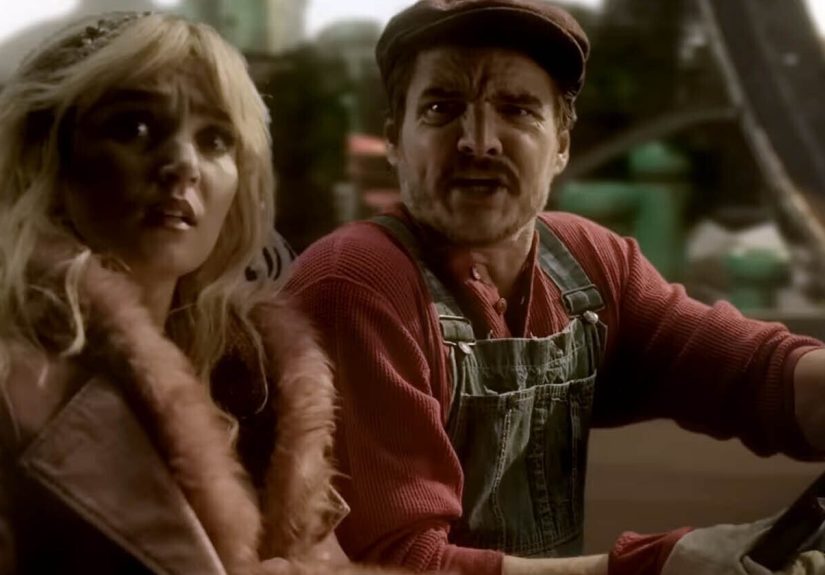
The fake trailer imagines a world set years after the fall of the Mushroom Kingdom. Bowser, played with villainous flair by Kenan Thompson, has taken control. Princess Peach, played by Chloe Fineman, must be transported to Rainbow Road, and the only person tough enough for the job is Mario, played by Pedro Pascal with the grizzled seriousness of a prestige-cable antihero.
That premise alone is ridiculous enough to work, but the sketch commits completely. Mario is no longer the bright, bouncy hero of a family game. He is a tired survivor in dirty overalls, reluctantly taking on a dangerous escort mission. Luigi, played by Mikey Day, appears as the loyal brother with a firearm and the nervous energy of someone who has lost one too many Grand Prix cups. Bowen Yang’s Yoshi and Marcello Hernández’s Toad bring dramatic side-character flavor, while the trailer treats every silly Mario Kart mechanic as if it belongs in a grim survival epic.
The genius of the sketch is that it does not simply say, “Mario Kart, but dark.” It takes details fans know and reframes them through the language of modern prestige television. Rainbow Road becomes a destination of hope. Goombas become fungus monsters. A kart is no longer a toy-like racing vehicle; it is a lifeline. Lakitu’s familiar rescue function becomes a bizarre but oddly useful apocalypse service. The joke keeps escalating because the sketch takes the world seriously while the audience recognizes how absurd every ingredient is.
Why Pedro Pascal Was the Perfect Mario
Pedro Pascal’s casting is the engine of the entire parody. By early 2023, he had become strongly associated with the “tough man escorts precious cargo through danger” archetype. In The Mandalorian, his masked bounty hunter protects Grogu. In The Last of Us, Joel escorts Ellie across a devastated America. SNL recognized the pattern and gave Pascal the funniest possible next assignment: escort Princess Peach through a post-apocalyptic Mario Kart universe.
Pascal does not wink too hard. That matters. He plays Mario with a straight face, a gravelly voice, and just enough exaggerated accent to remind the audience that yes, this is still the guy who jumps on turtles for a living. His delivery turns the sketch into more than a quick reference. The humor comes from the clash between his dramatic commitment and the source material’s cheerful absurdity. When a performer treats banana peels and Goombas like existential threats, the joke gets funnier because nobody on screen is laughing.
How the Sketch Parodies HBO’s Prestige Style
The sketch works because it understands the visual and emotional grammar of prestige television. The muted colors, the wounded hero, the grave voiceover, the ruins, the solemn music, and the promise of a dangerous journey all feel pulled from the same toolbox that powers many modern dystopian dramas. SNL did not need to copy The Last of Us scene by scene. Instead, it borrowed the mood: grief, grit, danger, and reluctant hope.
A Silly Game Treated Like Serious Drama
Mario Kart is famous for fast races, colorful tracks, power-up items, and gleeful chaos. SNL’s trailer asks a wonderfully dumb question: what happens if every playful mechanic is treated as lore? Suddenly, a banana peel is not a slapstick obstacle; it is a deadly trap. A kart race is not a party game; it is a desperate escape. Rainbow Road is not a final cup course; it is a mythic safe zone. This is the same basic joke that powers many great parody trailers: take a childish or lighthearted property and give it the most serious possible treatment.
The Mushroom Joke Practically Wrote Itself
The connection between The Last of Us and Mario is especially funny because both worlds already have mushrooms baked into their identity. HBO’s drama centers on a fungal infection that destroys civilization. Mario lives in the Mushroom Kingdom, collects Super Mushrooms, fights Goombas, and spends much of his life around suspicious fungus. SNL simply connected the dots with a marker the size of Bowser’s castle. The phrase “Mushroom Kingdom” suddenly sounds less adorable and more like a public health warning.
Why the Mario Kart and Last of Us Mashup Went Viral
Part of the sketch’s appeal came from timing. The Last of Us was dominating TV conversation, Pedro Pascal was in peak internet-favorite mode, and anticipation for the animated Super Mario Bros. Movie was already high. SNL caught several cultural waves at once: video game adaptations becoming serious prestige entertainment, nostalgia for Nintendo characters, and online affection for Pascal’s warm-but-weary screen persona.
The sketch also had unusually strong production value for a late-night comedy segment. The environments, digital effects, costumes, editing, and trailer rhythm made the fake show look almost plausible. That is crucial. A cheap-looking parody can still be funny, but this one benefited from looking expensive enough that viewers could imagine an actual streaming service greenlighting it. In today’s entertainment landscape, where almost every recognizable brand seems destined for a gritty reboot, “HBO Mario Kart” felt absurd and believable at the same time. That uncomfortable believability is where the biggest laughs live.
The Cast Makes the Mushroom Kingdom Feel Weirdly Real
Chloe Fineman’s Princess Peach is not a helpless royal waiting in a castle. She is a determined survivor who understands that hope has become dangerous. Mikey Day’s Luigi adds a nervous, brotherly presence that balances Pascal’s haunted Mario. Kenan Thompson’s Bowser gives the trailer a recognizable villain, while Bowen Yang and Marcello Hernández bring side-character energy that feels both silly and oddly dramatic.
One of the most quoted elements of the sketch is the way it gives Yoshi and Toad modern prestige-drama “complexity,” including personal declarations that feel intentionally over-serious for characters usually associated with kart racing and party games. The joke is not merely about identity; it is about the way modern adaptations sometimes add emotional backstory to characters who previously existed to make cute noises, toss items, or help sell plush toys. SNL exaggerates that trend until the Mushroom Kingdom feels like a writers’ room that has been drinking cold brew for 18 consecutive hours.
What the Sketch Says About Video Game Adaptations
The parody landed because the entertainment industry really has changed. For decades, video game adaptations were often treated as risky, awkward, or unserious. By 2023, that perception was shifting quickly. The Last of Us proved that a game could become a prestige drama without losing its emotional core. At the same time, Hollywood’s hunger for recognizable intellectual property meant almost any major game franchise could be imagined as a movie or streaming series.
SNL’s “HBO Mario Kart Trailer” is funny because it pushes that logic to the extreme. If a survival game can become a serious HBO drama, why not a kart-racing game? Why not give Rainbow Road a tragic backstory? Why not turn Bowser into a warlord, Toad into a damaged survivor, and Mario into a reluctant smuggler with plumber’s hands and haunted eyes? The sketch is a joke, but it is also a sharp little industry satire. It asks whether Hollywood can adapt anything, and whether “darker” always means “deeper.”
Why “HBO Mario Kart” Still Works Beyond the First Joke
Many parody sketches are built on one idea and run out of gas halfway through. This one keeps moving because the details are layered. Fans of Mario Kart recognize the characters, items, locations, and gameplay references. Fans of The Last of Us recognize the mood, escort-mission structure, fungal horror, and emotionally bruised hero. General viewers recognize the broader trend of cheerful franchises getting gritty reboots. That gives the sketch multiple entry points.
It also understands trailer language. The pacing is tight. The dramatic beats arrive where viewers expect them. There is danger, a mission, reluctant teamwork, glimpses of enemies, a few funny lines, and a final sense that this fake show could somehow fill eight episodes. The production does not simply parody Mario or HBO; it parodies how trailers sell seriousness. It knows that if you add a low voice, sad music, ash-gray color grading, and a hero who whispers about hope, almost anything can look Emmy-ready. Even a kart with a red “M” on it.
The Sketch as a Pop-Culture Time Capsule
Looking back, the sketch captures a very specific entertainment moment. Pedro Pascal was everywhere. HBO’s The Last of Us had convinced many skeptics that video game adaptations could be more than noisy fan service. Nintendo nostalgia was surging. Streaming platforms were still obsessed with mining familiar brands for serious, serialized storytelling. SNL took all of that and compressed it into one clean, ridiculous premise.
That is what SNL does best when it is firing on all cylinders. It does not just reference popular things; it identifies the funny pressure point between them. The pressure point here was obvious but brilliant: The Last of Us and Mario both come from video games, both involve fungus in some form, and both were at the center of mainstream conversation. Add Pedro Pascal, and suddenly “Mario Kart as HBO apocalypse drama” feels less like a random joke and more like destiny wearing a fake mustache.
Experiences and Reflections: Watching Mario Kart Become a Last of Us Hellscape
Watching the “HBO Mario Kart Trailer” for the first time feels like discovering a fake show you are embarrassed to admit you would actually watch. The rational part of the brain says, “No, the world does not need a prestige drama about Mario transporting Peach to Rainbow Road.” The other part, the part that has lost friendships over Mario Kart blue shells, immediately says, “But what happened to Daisy? Is Wario alive? Does Bowser have a council? How many episodes before Luigi cries?” That tension is exactly why the sketch is so effective.
For anyone who grew up playing Mario Kart, the parody hits a strange emotional sweet spot. The game is usually associated with living rooms, sleepovers, sibling arguments, and someone insisting they did not fall off Rainbow Road because of poor driving but because “the controller was weird.” SNL takes those bright memories and runs them through the prestige-TV machine. Suddenly the goofy track you remember becomes a dangerous route through ruin. The silly power-ups become survival tools. The banana peel, once a joke, becomes a symbol of betrayal. Is that too dramatic? Absolutely. Is that the point? Also absolutely.
The sketch also reflects the modern viewer experience. We now watch entertainment with a built-in awareness of adaptation culture. When a big video game succeeds on TV, audiences immediately speculate about the next one. Could this game work as a movie? Could that character carry a series? Would this franchise be better animated, live-action, or turned into a ten-episode drama where everyone whispers in abandoned buildings? SNL captures that habit and exaggerates it until it becomes wonderfully ridiculous. It makes fun of Hollywood, but it also makes fun of us for being ready to click “play” anyway.
There is also something charming about seeing Pedro Pascal lean so fully into the absurdity. He does not treat Mario as beneath him. He treats the role like a real dramatic assignment, which is why the parody feels bigger than a costume gag. Comedy often works best when performers take the dumbest possible premise seriously. Pascal understands that. His Mario is funny because he looks like he has survived ten years of mushroom warfare and still has to say lines that remind us he is, fundamentally, Mario.
The experience of the sketch is part laughter, part surprise, and part uncomfortable recognition. We laugh because Mario Kart should not be this serious. We are surprised because the fake trailer looks genuinely polished. And we recognize that, in the age of endless reboots, this fake show is only a few degrees more absurd than projects that actually get announced. That is the final joke hiding under the rubble of the Mushroom Kingdom: SNL invented a nightmare adaptation, and many viewers responded, “Okay, but when does episode two drop?”
Conclusion
Saturday Night Live’s “HBO Mario Kart Trailer” remains one of the sharpest pop-culture parodies of Pedro Pascal’s hosting era because it combines perfect timing, committed performances, strong production value, and a premise that is both completely ridiculous and weirdly plausible. By turning Mario Kart into a Last of Us-style hellscape, SNL did more than make a video game joke. It satirized Hollywood’s obsession with gritty adaptations, the prestige-TV formula, and the modern urge to turn every beloved childhood property into a dramatic survival saga.
The sketch works because it loves the things it mocks. It understands Mario Kart’s colorful chaos and HBO’s dramatic seriousness well enough to twist both into something new. Pedro Pascal’s haunted Mario, Chloe Fineman’s determined Peach, Kenan Thompson’s Bowser, and the ruined road to Rainbow Road all combine into a parody that feels instantly memorable. It is funny, clever, visually impressive, and just believable enough to be dangerous. In other words: no, HBO probably should not make a real Mario Kart apocalypse series. But if it did, we would at least watch the trailer.