Table of Contents >> Show >> Hide
Safety gear used to have a branding problem. It was the stuff you bought because a boss, coach, parent, or common sense told you to. It was not glamorous. It was not exciting. It definitely was not the part of the shopping trip that got people bragging online. But in 2024, safety gear stopped being the boring sidekick and became the main character. Whether you were climbing a ladder, biking to work, cutting tile in the garage, coaching youth sports, or building out a home emergency kit, the conversation shifted from “Do I really need this?” to “Does this actually fit, protect, and work together?”
That change matters. Good safety gear is no longer just about owning a helmet, gloves, or goggles. It is about matching the gear to the task, choosing products designed for the hazard, and making sure every piece works as a system instead of fighting the other pieces like jealous siblings in the back seat. In other words, 2024 made one thing very clear: safety gear is only smart if it is wearable, comfortable, and specific to the risk in front of you.
Why Safety Gear Matters More in 2024
The biggest shift in 2024 was not just more gear. It was better thinking. Safety professionals, employers, families, and everyday consumers became more aware that one-size-fits-all protection is usually a terrible strategy. A loose helmet can slide out of place. Gloves that are too bulky can create grip problems. Goggles that fog up become a reason people stop wearing them. Respirators that do not seal properly are basically expensive face decorations.
That is why the smartest safety advice in 2024 sounded less like a shopping list and more like a checklist. What is the hazard? What body part is exposed? How long will you be exposed? Will the gear be worn with other gear? Can the person wearing it actually move, breathe, hear, and see properly? The good news is that modern safety gear has improved. The better news is that people are finally talking about fit and function instead of buying the cheapest item in a flashy package and calling it a day.
The Core Categories of Safety Gear You Should Know
1. Head Protection
Helmets remain the poster child of safety gear for a reason. For cyclists, skaters, construction workers, climbers, and many athletes, head protection is non-negotiable. But the 2024 lesson was simple: not every helmet is built for every activity. A bike helmet is for biking. A climbing helmet is for climbing. A football helmet is not your all-purpose life helmet just because it looks intense.
What separates smart helmet buying from bad helmet buying is fit and intended use. A helmet should sit level on the head, feel snug without becoming painful, and stay put when you move. Straps should be adjusted correctly, not left dangling like decorative spaghetti. If you are buying for a child, resist the temptation to “size up for growth.” A helmet that fits next year but not today protects exactly no one today.
2. Eye and Face Protection
Safety glasses, goggles, and face shields are often treated like optional extras until the first flying shard, splash, spark, or surprise ricochet makes them feel very necessary. In 2024, eye protection became part of more conversations about home improvement, yard work, sports, and workplace readiness. That is a good thing, because the eyes are not exactly famous for growing back.
One of the biggest mistakes people make is wearing regular glasses and assuming they count as protection. They do not. Real eye protection is selected for the hazard. Clear safety glasses may be enough for light debris. Goggles are often better for dust, splashes, or tighter sealing. Face shields add another layer, but they are typically not a replacement for the primary eye protection underneath. Translation: your face shield is not a magic force field.
3. Hearing Protection
Loud environments are sneaky. People notice a falling object or a spinning blade, but noise damage often arrives quietly and stays permanently. In 2024, hearing protection became a bigger topic not just on worksites but also for hobbyists, landscapers, concertgoers, and people who suddenly realized their garage workshop sounded like a jet engine with opinions.
Earplugs and earmuffs both have a place, but the best choice depends on the environment and the other gear being worn. If a worker is using hard hats, respirators, or eye protection, compatibility matters. Gear that interferes with other gear encourages bad adjustments, shortcuts, or total abandonment. Nobody should have to choose between protecting their ears and being able to wear a helmet properly.
4. Respiratory Protection
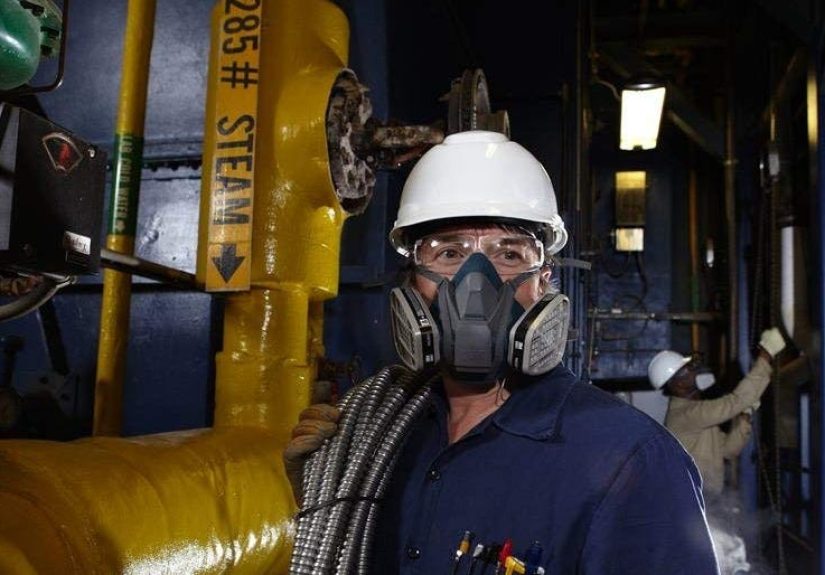
Respirators and filtering facepieces remain some of the most misunderstood safety products on the market. A mask is not automatically a respirator, and a respirator is not automatically effective just because it was expensive. In 2024, better public awareness helped push a basic but important truth into the spotlight: respiratory protection only works when it seals correctly and is used for the right exposure.
If you are working around dust, fumes, particles, or hazardous airborne contaminants, the right respirator matters. So does sizing. So does facial hair. So do eyeglasses, jewelry, and the way the product sits on the face. If air is leaking around the edges, the protection drops fast. A snug, task-appropriate respirator beats a trendy one every time.
5. Hand Protection
Gloves are where safety gear gets weirdly overconfident. People assume any glove is a good glove. That logic falls apart fast. Thin disposable gloves are not built for cut hazards. Heavy leather gloves are not ideal for every chemical task. Thick insulated gloves can reduce dexterity. Cut-resistant gloves are useful, but they are not invincible superhero skin.
The right glove depends on the job: abrasion, puncture, temperature, chemicals, electricity, sharp edges, or impact. In 2024, smarter glove buying meant asking not just “Will this protect my hand?” but also “Can I still do the job safely while wearing it?” Gloves that are too loose reduce control. Gloves that are too tight create fatigue. Gloves that are wrong for the hazard are basically confidence cosplay.
6. Foot Protection
Protective footwear is often overlooked until a dropped tool, sharp nail, slick floor, or electrical hazard makes the issue very personal. Good safety footwear should support the foot, match the environment, and provide the right features for the task. That may mean toe protection, puncture resistance, slip resistance, or electrical hazard protection.
In 2024, buyers got savvier about the difference between rugged-looking boots and genuinely protective footwear. A boot can look ready for a movie trailer and still be wrong for the job. If you work around heavy materials, rolling equipment, sharp debris, or slick surfaces, appearance is not the point. Stability, traction, and task-appropriate construction are.
7. Fall Protection
Fall protection is the category that instantly gets serious because gravity never takes a personal day. For elevated work, ladders, roofs, platforms, and certain industrial settings, fall protection is about systems, not single products. Harnesses, lanyards, anchors, and restraint or arrest equipment must work together correctly. Buying one nice-looking harness and hoping the rest will work itself out is not a plan. It is a plot twist.
The 2024 improvement here was growing attention to training, inspection, and system thinking. A harness stored poorly, worn incorrectly, or attached to the wrong anchor point does not offer the protection people imagine. Fall gear should be inspected, maintained, and used exactly as intended.
Safety Gear Beyond the Jobsite
Sports and Recreation
For kids and adults, sports safety gear remains one of the easiest places to make avoidable mistakes. Mouthguards, shin guards, wrist guards, face shields, helmets, and sport-specific eyewear all serve a purpose. In 2024, there was stronger emphasis on not treating standard eyeglasses or fashion sunglasses like sports protection. They are not the same thing, and in some situations they can make injuries worse.
Parents also became more aware that gear should not just be purchased and forgotten. Kids grow. Straps loosen. Padding wears down. Equipment gets handed down like a family casserole dish. A quick fit check before the season starts can prevent a lot of regret later.
Home Improvement and Yard Work
Weekend projects create a weird confidence bubble. People who would never enter a workshop without goggles somehow feel invincible when trimming branches in flip-flops. In 2024, the smartest home-safety messaging reminded people that home injuries count just as much as workplace injuries. Safety glasses, gloves, hearing protection, sturdy shoes, and dust protection all matter when using power tools, handling chemicals, mowing, sanding, drilling, or cutting.
If a tool can throw, spray, spin, spark, kick back, or scream at high volume, it deserves a few seconds of protective thinking before you hit the power switch.
Emergency Preparedness
Safety gear in 2024 was not only about what you wear. It was also about what you keep ready. A practical home setup includes a stocked first-aid kit, flashlight, spare batteries, gloves, whistle, and other emergency basics that can help during outages, storms, accidents, or fast-moving household emergencies. Add smoke alarms and a fire escape plan to the picture, and your safety setup starts looking less like panic shopping and more like adulting with range.
How to Choose the Right Safety Gear in 2024
Start with the hazard, not the product trend
Do not begin with “What looks good online?” Start with “What can hurt me here?” Flying debris, loud noise, falls, dust, heat, chemicals, sharp edges, and impact all call for different forms of protection. The safest gear is not the most expensive. It is the most appropriate.
Prioritize fit
This was one of the defining themes of 2024. Gear should fit comfortably enough that people can wear it correctly for the duration of the task. Poorly fitting PPE is not just annoying. It can reduce visibility, break seals, create tripping risks, reduce dexterity, and increase the chance that the user removes it early.
Make sure gear works together
Compatibility is the secret weapon of good safety programs and smart consumers. Helmets should work with goggles. Hearing protection should not wreck the fit of a hard hat. Eyewear should not interfere with respirators. If one piece forces a bad compromise in another piece, the system needs to be adjusted.
Inspect before use
Even excellent gear becomes bad gear when it is cracked, expired, dirty, stretched out, worn down, or improperly stored. Check straps, seals, soles, lenses, closures, padding, and hardware. The five-second glance before a task often matters more than the five-star rating from a stranger online.
Common Safety Gear Mistakes to Avoid
- Buying gear for looks instead of the actual hazard
- Assuming one item works for every activity
- Ignoring fit because the gear is “close enough”
- Using damaged or old equipment past its useful life
- Forgetting compatibility between multiple pieces of gear
- Skipping safety gear for short tasks that “will only take a minute”
- Giving children hand-me-down gear without rechecking fit
What Safety Gear Trends Defined 2024?
The most important trend in safety gear for 2024 was not flashy technology. It was the move toward more thoughtful protection. Better fit. Better sizing. Better compatibility. Better understanding that PPE is part of a broader safety strategy, not a substitute for common sense, engineering controls, or proper training.
Another major trend was the blending of professional-grade thinking into everyday life. Homeowners started shopping like safety managers. Parents started checking fit like equipment coordinators. Cyclists, DIYers, and hobbyists paid more attention to standards, not just style. That is a healthy shift. Safety gear works best when people stop treating it like an accessory and start treating it like a tool.
Conclusion
Safety Gear 2024 is really a story about smarter choices. The best gear is not the loudest, coolest, or most aggressively marketed. It is the gear that matches the task, fits the person, works with the rest of the system, and gets worn correctly every single time. That sounds simple because it is simple. The hard part is resisting shortcuts.
Whether you are shopping for a bike helmet, stocking a first-aid kit, upgrading work boots, buying goggles for a garage project, or reviewing PPE for a team, the rule stays the same: choose for the hazard, fit for the human, and never assume “good enough” is actually good enough. In 2024, safety gear stopped being background equipment. It became part of how smart people work, play, and prepare.
Experiences Related to Safety Gear 2024
One of the clearest real-world lessons from 2024 was that people rarely regret wearing safety gear, but they often regret skipping it for “just a second.” That pattern showed up everywhere. A homeowner starts trimming one branch without eye protection because the goggles are in the garage. A cyclist takes a short neighborhood ride without adjusting a loose helmet because it feels like overkill. A worker uses the wrong gloves for a quick task because the correct pair is across the room. These are not dramatic movie moments. They are normal, everyday decisions, and that is exactly why they matter.
Another big experience people kept sharing was how much fit changed everything. A lot of users discovered that the gear they hated was not always bad gear; it was gear that did not fit them. Workers who had constantly pushed goggles up their forehead finally tried anti-fog styles that sealed better and stayed comfortable. People who thought earmuffs were unbearable found versions that worked better with hard hats. Cyclists who used to wear helmets too far back learned proper adjustment and realized the difference immediately. In many cases, the breakthrough was not a new category of protection. It was finally getting the right size and setup.
Parents had their own 2024 learning curve. A surprising number of families realized that children’s sports gear needs regular rechecking, not annual wishful thinking. Kids grow fast, straps loosen, and protective gear gets tossed around in bags, garages, and car trunks like it is indestructible. By midseason, a helmet that fit in August may be awkward in October. Mouthguards disappear into mysterious sports-dimension black holes. Protective eyewear gets replaced with “regular glasses should be fine,” which is a sentence that rarely ages well.
In workplaces, another experience became obvious: comfort affects compliance. If gloves make it hard to grip tools, workers remove them. If eyewear fogs constantly, it gets pushed up. If boots are unstable on slick floors, people compensate with unsafe movement. If respirators do not seal well, workers start making bad adjustments or wearing them inconsistently. The lesson from 2024 was not that people dislike safety. It is that badly selected equipment invites workarounds. The smarter employers and teams paid attention, involved workers in selection, and treated complaints about fit as useful safety data instead of whining.
Homeowners also became more practical about emergency gear. After storms, outages, and household scares, many people realized that safety is not only what you wear during a task. It is also what you can reach in the dark, under stress, when the power is out and your brain is running on panic and leftovers. A flashlight with dead batteries is decoration. A first-aid kit missing gloves and bandages is a confidence box. A smoke alarm without a plan behind it is only half the job. In 2024, the best experience-based lesson was simple: gear should not just exist in your home. It should be ready.
Maybe that is the most useful takeaway of all. Safety gear in 2024 was not about fear. It was about reducing dumb risk. People did not suddenly become fragile. They became a little more honest about how fast accidents happen and how preventable many of them are. And honestly, that may be the smartest trend of the year.