Table of Contents >> Show >> Hide
- Meet Your Skin: The Organ You’re Wearing
- The Three Main Layers of Skin
- What Skin Does All Day (Besides Being “Your Face”)
- Protection: The Great Wall of You
- Water Balance: Keeping Moisture In, Not Letting It Ghost You
- Temperature Regulation: Sweat, Blood Flow, and “Why Am I So Hot Right Now?”
- Sensation: Your Built-In Alarm System
- Immune Support: Security Guards on the Surface
- Vitamin D Production: A Role, With Trade-Offs
- How Skin Gets Unhappy (Common Stressors)
- A Simple, Effective Routine to Keep Skin Healthy
- Healthy Skin Habits That Aren’t in a Bottle
- Skin-Type Friendly Advice (Without Putting You in a Box)
- When to Get Skin Checked
- Quick Myth-Busting (Because Skin Myths Multiply Faster Than Laundry)
- Real-Life Experiences With Skin (About )
- Conclusion: Healthy Skin Is Mostly Boring (In a Good Way)
- SEO Tags
Your skin is the only organ you can’t accidentally leave at home. It’s your body’s built-in “space suit,”
working 24/7 to keep the important stuff in (water, heat, sanity) and the sketchy stuff out (germs, chemicals,
UV rays, and whatever was on that gym mat).
In this guide, we’ll break down the skin’s layers, what each one does, and the habits that help skin stay strong,
calm, and comfortablewithout turning your bathroom into a 17-step science lab. (No shade if you love a serum
lineup. Your shelf space, your rules.)
Note: This is general education, not personal medical advice. If you have a new, changing, painful, bleeding, or concerning skin issue, it’s smart to check in with a clinician or a board-certified dermatologist.
Meet Your Skin: The Organ You’re Wearing
Skin is your body’s largest organ, and it’s surprisingly busy. It helps protect you from the outside world,
regulates temperature, lets you feel touch and pain, and plays a role in immune defense. It also constantly
renews itselfmeaning your “outer you” is basically on a rolling upgrade schedule.
Think of skin like a high-performance jacket: it’s layered, it’s engineered, and it behaves differently depending
on weather, stress, sleep, hormones, and how aggressively you scrubbed it last night “because it felt satisfying.”
The Three Main Layers of Skin
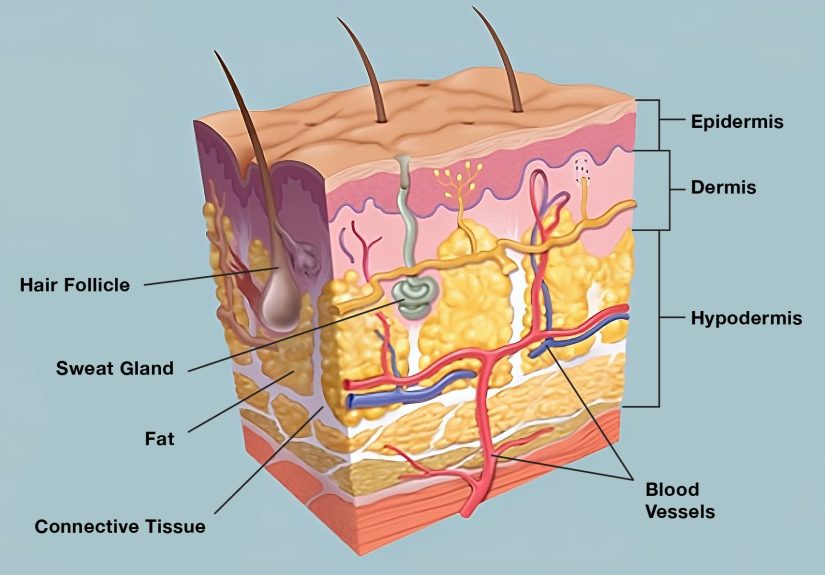
Most descriptions of skin focus on three major layers: the epidermis (outer), the dermis (middle),
and the hypodermis/subcutaneous layer (deep). Each layer has its own “department,” and together they run the skin’s
daily operations.
1) Epidermis: Your Barrier, Bouncer, and Waterproofing Team
The epidermis is the outermost layerthe part you see. Its top job is protection: keeping irritants and microbes out
and keeping moisture from escaping too quickly. The epidermis also contains pigment-producing cells (melanocytes) that help protect against UV damage.
The outermost portion of the epidermis (often described as the “horny layer,” or stratum corneum) is frequently compared to
a brick-and-mortar wall: dead skin cells are the bricks, and lipids (like ceramides, cholesterol, and fatty acids) act as the mortar.
When that mortar is healthy, skin feels smooth and resilient. When it’s disrupted, skin can feel dry, tight, itchy, stingy, or look flaky.
The epidermis is also where you’ll find early immune sentriescells that help recognize invaders and kick off immune responses. Translation:
your skin doesn’t just sit there; it actively watches the perimeter.
2) Dermis: The Support Layer (Collagen, Blood Vessels, Nerves, and Glands)
Under the epidermis sits the dermis, which is thicker and packed with structural and functional components: collagen and elastin fibers,
blood vessels, lymphatic vessels, nerves, hair follicles, and sweat and oil (sebaceous) glands.
If the epidermis is your jacket’s outer shell, the dermis is the lining with the wiring and padding. It provides strength and flexibility and helps
with repair after injury. This is also where many sensory receptors liveso when you feel pressure, vibration, temperature changes, or pain,
the dermis is doing a lot of the “message delivery.”
The dermis also helps with temperature control. When you’re hot, blood vessels near the surface can widen (so heat escapes more easily), and sweat glands
produce sweat for evaporative cooling. When you’re cold, vessels can narrow to conserve heat. Your skin is basically a thermostat with feelings.
3) Hypodermis (Subcutaneous Layer): Cushioning, Insulation, and Storage
The hypodermis (also called the subcutaneous layer) sits beneath the dermis. It contains connective tissue and a significant amount of fat,
which helps insulate the body, cushion against impact, and store energy. It also helps anchor skin to underlying muscles and structures.
This layer varies in thickness depending on the body area, genetics, age, and other factors. It’s also why a bump on your shin feels different
than a bump on your thighdifferent padding, different experience.
What Skin Does All Day (Besides Being “Your Face”)
Protection: The Great Wall of You
Skin forms a physical barrier against bacteria, viruses, and environmental irritants. It also provides chemical defenses through substances on the skin’s surface
and helps shield the body from UV radiation (though not perfectlyhence sunscreen).
Water Balance: Keeping Moisture In, Not Letting It Ghost You
A healthy skin barrier reduces excessive water loss. When barrier function is impaired, skin can become dry, irritated, and more reactive.
This is one reason “over-cleansing” and harsh exfoliation can backfire: you may feel squeaky-clean, but your barrier may feel betrayed.
Temperature Regulation: Sweat, Blood Flow, and “Why Am I So Hot Right Now?”
Skin regulates heat through sweat production and changes in blood vessel diameter. It’s an elegant systemuntil you’re wearing a hoodie in July
and your body starts filing complaints.
Sensation: Your Built-In Alarm System
Skin houses nerve endings and receptors that help you detect touch, pressure, vibration, temperature, and pain. That quick “Ouchhot pan!”
moment is skin doing you a massive favor.
Immune Support: Security Guards on the Surface
Skin contains immune cells that help recognize threats and coordinate responses. This matters because your skin is a frontline environment,
constantly exposed to the outside world.
Vitamin D Production: A Role, With Trade-Offs
UVB exposure can trigger vitamin D production in skin. But too much UV exposure increases skin aging and skin cancer risk, which is why many health authorities
encourage getting vitamin D through diet and supplements when neededwhile still practicing sun protection.
How Skin Gets Unhappy (Common Stressors)
“Sensitive skin” isn’t always a fixed identityit can be a temporary state when your barrier is disrupted. Common stressors include:
- UV exposure (sun and tanning devices) that damages skin cells over time.
- Harsh cleansing (strong soaps, very hot water, over-washing) that strips oils and disrupts barrier lipids.
- Over-exfoliation (especially stacking multiple exfoliating acids/retinoids without a plan).
- Dry environments (cold air, indoor heating) that increase dryness and irritation.
- Friction + sweat (tight clothing, sports gear) that can cause chafing or breakouts.
- Smoking, which is strongly associated with premature wrinkling and skin aging.
The pattern is simple: stressors either damage skin cells directly (UV), disrupt the barrier (harsh products), or create inflammation (irritation, friction).
When you reduce those inputs, skin often becomes calmer and more predictable.
A Simple, Effective Routine to Keep Skin Healthy
Skin care doesn’t need to be complicated to work. A solid routine usually comes down to three pillars:
cleanse, moisturize, and protect from UV.
Then you can add targeted steps (like acne or discoloration treatments) if you actually need them.
Step 1: Cleanse Like You Respect Your Face
Use a gentle cleanser that removes sweat, oil, sunscreen, and dirt without leaving skin feeling tight. In general, lukewarm water beats hot water.
If you wear heavy sunscreen or makeup, a gentle “double cleanse” (oil-based cleanser followed by a mild water-based cleanser) can be helpfulwithout scrubbing.
Example: If your face feels squeaky and “too clean,” and then gets oily an hour later, that can be a sign you’re stripping too much.
Skin may respond by producing more oillike a panicked manager trying to restock supplies.
Step 2: Moisturize to Support the Barrier
Moisturizer isn’t just for dry skin. It supports barrier function and can improve comfort and resilience across skin types.
Look for products that match your needs:
- Humectants (like glycerin or hyaluronic acid) help attract water.
- Emollients soften and smooth roughness.
- Occlusives (like petrolatum) reduce water lossespecially helpful for very dry areas.
If you’re prone to irritation, fragrance-free options are often a safer bet. If your skin burns when you apply “hydrating” products,
that’s a clue your barrier may need a break from actives and a focus on gentle care.
Step 3: Sun Protection (Yes, Even When You’re “Just Running Errands”)
UV exposure adds up over time and contributes to sunburn, premature aging, and skin cancer risk. Many U.S. health organizations recommend:
wearing protective clothing, seeking shade, and using broad-spectrum sunscreen.
Practical sunscreen tips:
- Choose broad-spectrum to cover UVA and UVB rays.
- For everyday outdoor time, many dermatology sources recommend SPF 30 or higher as a strong baseline.
- Apply generously and reapply, especially during extended outdoor exposure, sweating, or swimming.
- Water-resistant labels matter for sports and beach days (no sunscreen is truly “waterproof”).
Pro tip: Sunscreen works best as part of a “sun strategy,” not as a solo superhero. Shade + clothing + sunscreen is the winning trio.
Healthy Skin Habits That Aren’t in a Bottle
Nutrition: Feed the Skin From the Inside
Skin is built from proteins, fats, and micronutrientsso a balanced diet supports overall skin health. Many clinicians emphasize eating patterns rich in fruits,
vegetables, whole grains, and lean proteins. This isn’t a magic trick for perfect skin, but it supports the raw materials your body uses for repair.
If you’re thinking about vitamin D: your body can make it from sunlight, but sun safety still matters. Many people meet vitamin D needs through diet and
supplements when appropriate, rather than chasing unprotected sun exposure.
Sleep and Stress: The “Invisible” Skin Care Steps
When you’re sleep-deprived or stressed, skin can look dull, feel more reactive, or flare in conditions like acne or eczema. You can’t always control stress,
but you can reduce skin’s workload: keep routines gentle, avoid new products during flares, and don’t pick (your future self will thank you).
Don’t Smoke (Your Collagen Would Like a Word)
Smoking is strongly linked with premature wrinkling and skin aging. If you needed another reason to avoid it (beyond, you know… everything else),
add “skin” to the list.
Hygiene for Gear and Fabrics
Breakouts and irritation often come from friction, sweat, and dirty fabrics. Wash pillowcases regularly, clean phone screens, and don’t let sweaty workout
clothes camp out on your body for hours. (Your skin doesn’t love a long-term relationship with bacteria and salt.)
Skin-Type Friendly Advice (Without Putting You in a Box)
Skin “type” can shift with seasons, hormones, stress, and age. Use this section as a starting point, not a permanent label.
Oily or Acne-Prone Skin
- Choose gentle, non-stripping cleansers.
- Use lightweight, non-comedogenic moisturizers (yes, moisturize).
- Introduce actives slowly (for example, acne ingredients or retinoids), and don’t stack five new ones at once.
- If acne is painful, scarring, or not improving, consider professional guidance.
Dry or Sensitive Skin
- Shorten hot showers and avoid harsh soaps.
- Moisturize after washing to help lock in water.
- Prefer fragrance-free products and patch test new items.
- Focus on barrier support before experimenting with strong actives.
Combination Skin
- Use one gentle cleanser, then adjust moisturizer amounts by zone (more on dry areas, less on oily areas).
- Spot-treat where needed rather than “carpet bombing” your entire face.
When to Get Skin Checked
It’s worth getting medical advice if you notice a spot or rash that’s new, changing, bleeding, painful, not healing, or just feels “off.”
Also consider checking in if you have severe acne, frequent infections, widespread itching, or any condition that affects sleep or daily life.
And please don’t DIY-diagnose a mole using the world’s blurriest bathroom mirror selfie. If you’re worried, a professional exam is the most reliable route.
Quick Myth-Busting (Because Skin Myths Multiply Faster Than Laundry)
Myth: “A base tan protects me.”
A tan is a sign your skin is responding to UV exposurenot a safety shield. Indoor tanning devices still expose you to UV radiation and are associated with
increased skin cancer risk. If you want glow without damage, sunless tanners are the safer “cheat code.”
Myth: “If it stings, it’s working.”
Sometimes sting means irritation or barrier damage, not “progress.” Skin care should feel mostly comfortable. If it burns, scale back and simplify.
Myth: “Moisturizer causes oily skin.”
The wrong moisturizer can feel greasy, but the right one can actually make oily skin feel more balanced and less reactiveespecially if you’re using drying
acne treatments.
Real-Life Experiences With Skin (About )
Skin science is helpful, but most of us experience skin in very human ways: the sudden breakout before a big event, the winter dryness that makes your hands
feel like paper, or the mystery rash that appears exactly when you decide to “try a new detergent for fun.” Here are common experiences people reportand the
practical lessons that often come with them.
The “I Over-Washed and Now My Skin Hates Me” Phase
A lot of people hit a point where they’re cleansing hardmaybe multiple times a day, maybe with a strong soaptrying to fix oiliness or acne. For a week, it
feels like progress. Then the tightness shows up. Makeup looks patchy. Moisturizer stings. The surprising twist: skin that’s stripped can look shinier later,
because the barrier is stressed and the skin tries to compensate. Many people find that backing down to a gentle cleanser and a simple moisturizer for a couple
weeks makes skin feel calmer, and breakouts may become less “angry,” even if they don’t vanish overnight.
The “Seasonal Plot Twist” (Hello, Winter Hands)
In colder months or in heavily air-conditioned spaces, people often notice dry, itchy skinespecially on hands, shins, and around the nose. The game-changer
for many is not buying a pricier product, but changing timing: moisturizing right after washing, using lukewarm water, and putting a thicker ointment or cream
on the driest spots at night. It’s not glamorous, but it works. (Your hands don’t care about packaging. They care about barriers.)
The “I Finally Took Sunscreen Seriously” Upgrade
A common story: someone starts using broad-spectrum sunscreen daily for a month and expects instant movie-montage results. Instead, what they notice is more
subtleless redness after outdoor time, fewer new dark spots, or makeup sitting more evenly. Over longer stretches, people often report their skin tone looks
more even and they worry less about sunburn. Many also realize sunscreen is easiest when it’s part of a routine: keep it by the door, apply it after
moisturizing, and use other sun protection (hats, shade, clothing) so sunscreen doesn’t have to carry the whole team.
The “Stress Breakout” Reality Check
People frequently notice acne or flare-ups during exams, deadlines, travel, or big life changes. The helpful takeaway isn’t “never be stressed” (wildly
unrealistic), but “reduce skin friction”: don’t pick, keep products simple, change sweaty clothes quickly, and avoid introducing new actives during a flare.
A steady routine often beats a frantic product spree.
The “I Thought It Was Normal… Until It Wasn’t” Moment
Many people live with recurring rashes, persistent itching, or a spot that won’t heal because it’s easy to normalize what’s familiar. When they finally get
it checked, the biggest emotion is often reliefeither it’s something treatable with a straightforward plan, or it’s reassuringly benign. The experience
teaches a solid rule: if something is new, changing, painful, or not healing, it’s worth asking a professional instead of guessing.
Bottom line: your skin is dynamic. It reacts to environment, habits, and health. The “best” routine is usually the one you can do consistentlyand the one
that makes your skin feel comfortable, protected, and steady most days.