Table of Contents >> Show >> Hide
- What Is Sodium Benzoate?
- Common Uses of Sodium Benzoate
- How Sodium Benzoate Is Regulated in the U.S.
- Potential Dangers and Safety Concerns
- What About Daily Intake and the “Safe Amount” Question?
- How to Reduce Sodium Benzoate Exposure (Without Becoming Exhausted)
- When Sodium Benzoate Is Helpful, Not Harmful
- Experience-Based Scenarios and Everyday Examples (Extended Section)
- Scenario 1: The “I Read the Label and Panicked” Grocery Trip
- Scenario 2: The “My Child Gets Wild After Party Drinks” Pattern
- Scenario 3: The “Beverages in a Hot Car” Mistake
- Scenario 4: The Hospital Use Nobody Expects
- Scenario 5: The “All Natural” Product That Still Needs Preservation
- Scenario 6: The Sensitivity Puzzle
- Conclusion
Sodium benzoate is one of those ingredients people spot on a label and instantly side-eye like it just insulted their cooking. It shows up in sodas, sauces, dressings, and even some medicines, so it’s easy to wonder: Is this stuff safe, or is my pantry plotting against me?
The short answer: sodium benzoate is a widely used preservative with legitimate benefits and real safety rules around it. It helps prevent spoilage and microbial growth, which is a big deal for shelf life and food safety. But like many additives, it also has a complicated reputation because of concerns around benzene formation in certain drinks, sensitivity reactions in some people, and ongoing debates about how food additives may affect behavior in children.
This guide breaks it all down in plain English: what sodium benzoate is, why manufacturers use it, where it appears, what the actual risks are, and how to make smart choices without panic-Googling every snack in your kitchen.
What Is Sodium Benzoate?
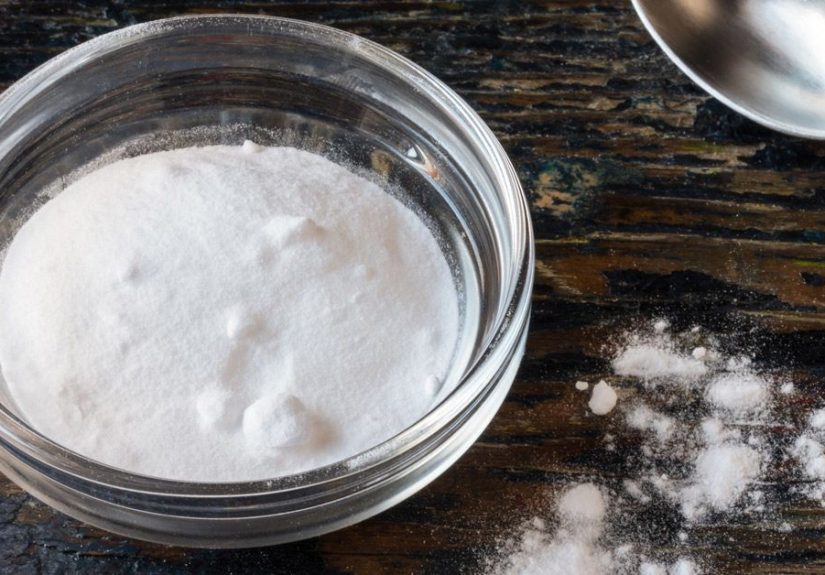
Sodium benzoate is the sodium salt of benzoic acid. In U.S. food regulation language, it’s listed as a chemical preservative and is recognized for antimicrobial use. In practical terms, it helps slow the growth of bacteria, yeast, and mold in certain products, especially acidic ones.
In federal regulation, sodium benzoate is defined as the “chemical benzoate of soda,” produced by neutralizing benzoic acid with sodium bicarbonate, sodium carbonate, or sodium hydroxide. That sounds very chemistry-class, but the important part is this: it’s made for a specific purpose, and that purpose is preservation.
Why It Works Best in Acidic Foods
Sodium benzoate is especially effective in acidic foods and beverages. That’s why it’s commonly used in products like soft drinks, fruit-based sauces, pickled foods, jams, and condiments. If you’re wondering why it’s not everywhere (like plain bottled water or fresh produce), that’s because preservatives are chosen based on the chemistry of the product, not because manufacturers spin a giant “additive wheel.”
Some scientific reviews also note that benzoate compounds relate to naturally occurring benzoic acid found in certain foods and spices (like berries and cinnamon). That doesn’t mean sodium benzoate is “natural” in the same way as fresh fruit, but it does help explain why benzoate chemistry is not some alien substance dropped into the food supply from another dimension.
Common Uses of Sodium Benzoate
1) Foods and Beverages
This is sodium benzoate’s main job. U.S. FDA substance listings identify sodium benzoate for technical effects such as antimicrobial use, and related food regulations describe it as a permitted ingredient under specific conditions. In simple terms: it helps foods and drinks stay stable longer and spoil less quickly.
Examples where it may show up include:
- Soft drinks and flavored beverages
- Salad dressings and condiments
- Pickles and relishes
- Fruit preserves and sauces
- Some processed foods with acidic formulas
FDA consumer guidance also reminds people that preservatives are not just about “looking fresh.” They help reduce spoilage from microbes and can support food safety by limiting contamination risks.
2) Medical Uses
Here’s the part many people don’t know: sodium benzoate is not just a food preservative. It also appears in medicine, including prescription products used in hospitals.
One of the best-known clinical uses is in combination with sodium phenylacetate to treat acute hyperammonemia (dangerously high ammonia levels in the blood), especially in patients with urea cycle disorders. This is serious medical territory, not something handled with a wellness tea and a positive mindset.
In hospital settings, these medications are given under direct medical supervision, and treatment can involve lab monitoring, dietary management, and sometimes dialysis depending on the patient’s condition.
3) Cosmetics and Personal Care Products
Sodium benzoate is also used in some cosmetics and personal care products as a preservative. Consumer health references frequently list it in products like mouthwash, toothpaste, and certain skin or hair products. In the U.S., the Cosmetic Ingredient Review (CIR) program tracks and reviews safety data for cosmetic ingredients, including sodium benzoate-related ingredient reports.
Translation: if you’ve seen sodium benzoate in a face wash or shampoo ingredient list, that’s not unusual. It’s there for preservation, not because your conditioner is trying to become a chemistry set.
How Sodium Benzoate Is Regulated in the U.S.
GRAS Status and FDA Oversight
Under FDA regulations, sodium benzoate is included in the section covering direct food substances affirmed as generally recognized as safe (GRAS) under specific conditions of use. That does not mean “eat unlimited amounts and live forever.” It means the ingredient has recognized uses and safety conditions based on available science and regulatory review.
FDA consumer guidance also emphasizes that ingredients used in food must meet a safety standard supported by science, with a “reasonable certainty of no harm” under intended use conditions. That phrase matters. Safety is not judged in a vacuum; it is judged by dose, exposure, and use context.
Maximum Use Levels in Food
FDA regulations state that sodium benzoate is used in food at levels not exceeding good manufacturing practice, with current usage resulting in a maximum level of 0.1% in food. That cap is a key reason blanket claims like “it’s in everything at dangerous levels” don’t match how the ingredient is actually regulated.
How It Must Appear on Labels
In the U.S., chemical preservatives are not supposed to be sneaky. FDA labeling guidance explains that preservative ingredients should be declared by their common or usual name, followed by a phrase explaining their function (for example, “preservative” or “to retard spoilage”).
So if you’re reading a label and see “sodium benzoate (preservative),” that is the system working as intended: name + function, clearly stated.
Potential Dangers and Safety Concerns
This is where sodium benzoate gets controversial. Some concerns are well-established but conditional. Others are still debated or based on limited evidence. Let’s separate the “good question” concerns from the “my cousin saw a video” category.
1) Benzene Formation in Certain Beverages
The biggest safety concern tied to sodium benzoate is its potential to contribute to benzene formation in some beverages, especially when benzoate salts are present alongside vitamin C (ascorbic acid or erythorbic acid). Heat and light can increase that risk.
That sounds scary because benzene is a carcinogen. The important context is that FDA has specifically studied this issue. FDA reports that many manufacturers reformulated products after benzene concerns were identified, and agency sampling found that the vast majority of beverages tested had either no detectable benzene or levels well below the drinking water benchmark of 5 parts per billion (ppb) used by the EPA (and adopted by FDA for bottled water standards).
In other words: yes, the risk mechanism is real. No, it does not mean every soda containing sodium benzoate is automatically a benzene bomb. It means formulation and storage conditions matter, and regulators have been monitoring this issue for years.
2) Sensitivity Reactions in Some People
Most people tolerate sodium benzoate just fine at typical intake levels. However, some research reviews note that larger amounts may trigger allergic-type reactions in susceptible individuals, and it may worsen symptoms in people with aspirin-sensitive asthma or related sensitivities.
This does not mean sodium benzoate is a common allergen for everyone. It means if someone already has a known sensitivity pattern (especially involving certain additives or aspirin/NSAID sensitivity), ingredient tracking may be useful with a healthcare professional’s guidance.
3) Hyperactivity and Behavior Concerns
Sodium benzoate has also been discussed in research on children’s behavior, especially in studies looking at mixtures of artificial colors and preservatives. A well-known clinical trial and earlier placebo-controlled research both reported increased hyperactivity-related behaviors in some children when exposed to certain additive mixtures that included benzoate preservatives.
Two important caveats:
- Many studies examined mixtures of additives, not sodium benzoate alone.
- Behavior outcomes are complicated and can vary depending on age, sensitivity, and study design.
So the evidence is not “case closed” that sodium benzoate alone causes ADHD. But it is fair to say that some research supports concern about additive combinations in certain children, and parents who notice patterns may want to discuss them with a pediatrician rather than trying a dramatic pantry purge at midnight.
4) High-Dose and Animal Study Findings
You may also run into scary headlines based on animal studies. Some scientific reviews summarize high-dose or long-term animal data showing possible effects on oxidative stress, inflammation, or organ markers. These findings are worth studying, but they do not automatically translate to typical human dietary exposure.
This is a classic “dose makes the poison” situation. A rat study using much higher exposures than a person would usually get from normal food intake does not prove the same effect happens at regulated food levels.
What About Daily Intake and the “Safe Amount” Question?
A commonly cited acceptable daily intake (ADI) for sodium benzoate is 0–5 mg per kilogram of body weight per day. Some reviews also note that benzoate is metabolized and excreted, primarily through urine, rather than building up indefinitely in the body.
That doesn’t mean “more is better” or “don’t worry about labels.” It means safety discussions should focus on total exposure and individual sensitivity, not fear of a single ingredient appearing once in a sauce bottle.
How to Reduce Sodium Benzoate Exposure (Without Becoming Exhausted)
If you want to cut back, you can do it in a practical way:
Check Ingredient Lists
Look for “sodium benzoate” on labels, especially in drinks, condiments, and shelf-stable sauces. It may be followed by a functional description like “preservative.”
Pay Attention to Beverage Combinations
If you’re concerned about benzene formation, be extra mindful of beverages that combine benzoate preservatives with added vitamin C, especially if they’ve been stored in heat or bright light for long periods.
Rotate Products
You don’t have to ban everything. A simple strategy is to rotate fresh, frozen, and minimally processed options with packaged foods instead of relying heavily on one category.
Track Reactions, Not Trends
If you suspect a sensitivity, track what you consume and symptoms you notice. Take that log to a clinician. Social media comments are not a diagnostic tool, even if they’re written in all caps.
When Sodium Benzoate Is Helpful, Not Harmful
It’s easy to frame preservatives as villains, but sodium benzoate exists for a reason. In food, it helps control spoilage and supports product safety in the right formulations. In medicine, it can be part of life-saving treatment for hyperammonemia. In personal care products, it helps keep formulas stable over time.
The better question is not “Is sodium benzoate good or bad?” The better question is: How is it being used, at what dose, in what product, and for whom?
That’s how regulators evaluate it. It’s also how consumers should think about it.
Experience-Based Scenarios and Everyday Examples (Extended Section)
To make this topic more practical, here are a few real-world style scenarios that reflect how sodium benzoate concerns usually show up outside of chemistry articles and internet arguments.
Scenario 1: The “I Read the Label and Panicked” Grocery Trip
A parent buys juice drinks, ketchup, and salad dressing for the week. Later that night, they read the labels and notice sodium benzoate on two of the products. Cue the mini panic. They start wondering if they’ve accidentally stocked a toxic kitchen.
What usually helps in this situation is context. Sodium benzoate is allowed in foods under regulated limits, and preservatives are often used specifically to prevent spoilage. Instead of tossing everything, a smarter move is to compare products and gradually swap in alternatives where it makes sense. For example, they might choose a refrigerated dressing without preservatives for home use, while keeping one shelf-stable bottle for convenience. That’s a realistic, sustainable change.
Scenario 2: The “My Child Gets Wild After Party Drinks” Pattern
Another common story is a parent who notices their child seems extra hyper after birthday parties or certain brightly colored beverages. They assume sugar is the only culprit, but then start noticing the same behavior with some sugar-free drinks too.
This is where sodium benzoate enters the conversation, because some studies looked at additive mixtures (including benzoate preservatives and artificial colors) and found behavior effects in certain children. The key point is not to self-diagnose from one rough afternoon. A better approach is to keep a short food-and-behavior log for a few weeks and discuss it with a pediatrician. Sometimes the issue is additives, sometimes sleep, sometimes caffeine, and sometimes it’s simply that the party had 14 kids and a trampoline.
Scenario 3: The “Beverages in a Hot Car” Mistake
Let’s say someone buys a case of flavored drinks and leaves it in a hot car for a day or two. Later, they remember hearing something about sodium benzoate and vitamin C forming benzene under heat and light. That concern is not randomtemperature and light are known factors in benzene formation in certain beverage formulations.
In practice, this doesn’t mean one warm bottle equals instant danger. It means storage conditions matter, and it’s a good habit to store beverages as directed and avoid prolonged heat exposure. This is one of those “small habit, sensible benefit” changes that doesn’t require a complete lifestyle overhaul.
Scenario 4: The Hospital Use Nobody Expects
Most people only know sodium benzoate from ingredient labels, so they’re surprised to learn it can also appear in emergency medical treatment. In a hospital setting, a clinician may use sodium benzoate (with sodium phenylacetate) for acute hyperammonemia in a patient with a urea cycle disorder.
That scenario completely changes the conversation. Here, sodium benzoate is not a shelf-life additiveit’s part of a targeted medical intervention used under close supervision. Dosing, monitoring, and risk-benefit decisions are handled by specialists. It’s a good reminder that the same compound can play very different roles depending on the context.
Scenario 5: The “All Natural” Product That Still Needs Preservation
Small food brands often struggle with the tradeoff between clean labels and product stability. A company may want a short ingredient list, but if it sells acidic sauces or drinks with a longer shelf life, microbial stability becomes a real challenge. Preservatives like sodium benzoate are often considered because they’re effective in acidic formulas.
This is why ingredient decisions are rarely just about marketing. They’re also about food safety, spoilage control, and product consistency. A “no preservative” label sounds great until a batch goes bad early, tastes off, or becomes unsafe. The best brands balance transparency with science, not just buzzwords.
Scenario 6: The Sensitivity Puzzle
Someone with a history of asthma or sensitivity to certain medications notices they feel worse after specific packaged foods. They don’t know if it’s the spice blend, a preservative, or something else. In this case, a structured elimination-and-reintroduction process (guided by a clinician) is much more useful than blaming every additive at once.
Sodium benzoate may be relevant for some people with sensitivity patterns, but it’s rarely wise to assume it’s the only culprit without evidence. Ingredient labels, symptom timing, and medical guidance usually tell a much clearer story than online comment sections.
The takeaway from all these examples is simple: sodium benzoate is best understood through context. The product type, storage conditions, dose, and your individual sensitivity all matter. Most people do fine with normal dietary exposure, but paying attention to patterns and labels is still a smart move.
Conclusion
Sodium benzoate is a common preservative with a long regulatory history in the United States. It helps protect food quality and can even serve a medical purpose in serious hospital treatments. At the same time, it’s reasonable to ask questions about its safetyespecially around benzene formation in certain drinks, sensitivity reactions, and additive-related behavior concerns in some children.
The balanced approach is this: understand where sodium benzoate shows up, read labels, store beverages properly, and focus on your overall diet pattern instead of obsessing over one ingredient. If you have a known sensitivity or a child with suspected additive-related reactions, track symptoms and talk with a healthcare professional. Smart, evidence-based decisions beat ingredient fear every time.