Table of Contents >> Show >> Hide
- What “Victorian Farmhouse Kitchen” Really Means (And Why It Matters)
- Restoration vs. Renovation: Pick the Right Mindset Before You Pick a Tile
- Start With a “Kitchen Autopsy”: Document, Investigate, Decide
- Protect the Character-Defining Elements: Floors, Trim, Doors, Windows
- Layout Upgrades That Don’t Bully the House
- Cabinetry: Restore What You Can, Rebuild What You Must (But Make It Believable)
- Countertops and Backsplashes: Choose Materials That Age Like a Victorian House
- Fixtures That Whisper “Farmhouse” Instead of Shouting “Theme Park”
- Safety First in Old Houses: Lead Paint and Other “Not Cute, But Important” Realities
- Mechanical Upgrades: Hide the Modern Stuff (But Don’t Ignore It)
- Finishes and Color: Make It Feel Like It’s Always Been There
- A Practical Restoration Roadmap (So You Don’t End Up Making Dinner in the Bathtub)
- Conclusion: A Victorian Farmhouse Kitchen Can Be Historic and Happily Useful
- Real-World Experiences From Victorian Farmhouse Kitchen Restoration (The 500-Word Truth)
A Victorian farmhouse kitchen is basically a time machine with a to-do list. One minute you’re admiring hand-planed trim and a floor that has survived more pies than your entire family tree; the next, you’re trying to figure out where to put a dishwasher without upsetting your home’s 1890s spirit (or your 2026 schedule).
The goal of a Victorian farmhouse kitchen restoration isn’t to freeze the space in amber like a museum exhibit called “Please Don’t Touch the Butter.” It’s to make the kitchen work for modern life while protecting the character that makes an old farmhouse feel like an old farmhouse: honest materials, practical proportions, and details with a little swagger.
What “Victorian Farmhouse Kitchen” Really Means (And Why It Matters)
“Victorian” can cover a big span of late-19th-century styles, while “farmhouse” describes a working home built for function, durability, and daily chaos (the wholesome kindflour on the counter, boots by the door, kids pretending they’re starving five minutes after lunch). In many Victorian-era farmhouses, kitchens were busy workrooms, not the open-concept “everyone gather around the island and judge my knife skills” stage we’re used to today.
Common original clues you may still see
- Separated work zones: pantry, back stair, mudroom entry, sometimes a scullery or utility area.
- Simple finishes that could take a beating: wood floors, beadboard, plaster, and paint that got touched up a lot.
- Freestanding pieces: cupboards, hoosier-style cabinets, worktablesless built-in “wall of cabinets,” more furniture vibe.
- Ventilation improvisation: windows, transoms, and doors doing the heavy lifting before modern hoods were common.
Why does this matter? Because restoration decisions are easier when you know what your kitchen is trying to be. If the house is saying “practical workroom with handsome trim,” and your plan is “glossy white ultra-minimal showroom,” they’ll argue like cats in a bathtub.
Restoration vs. Renovation: Pick the Right Mindset Before You Pick a Tile
Old-house projects go sideways when the vocabulary is fuzzy. “Restoration” usually means bringing features back in a historically accurate way. “Rehabilitation” is more about compatible useupdating for modern living while preserving the features that carry historic value. “Renovation” is the broadest term and can be anything from respectful to… not.
A Victorian farmhouse kitchen often benefits from a rehabilitation-first approach: keep and repair what matters, upgrade systems safely, and add new elements that look like they belong (not like they were teleported from a downtown loft).
Start With a “Kitchen Autopsy”: Document, Investigate, Decide
Before you demo anything, do a calm, nerdy walk-through. (Yes, you are allowed to be excited about woodwork. This is a judgment-free zone.) Photograph everything: trim profiles, hinges, beadboard, floor boards, window casings, even the weird little patch where someone clearly tried to “fix” something in 1978 with materials they found in a garage.
Three questions that guide smarter restoration choices
- What is original or early? Floors, windows, door trim, plaster, built-ins, old hardwarethese often define the room’s soul.
- What is failing or unsafe? Wiring, plumbing, moisture issues, structural sag, pest damage. Romance ends where rot begins.
- What must change for daily life? Storage, work surfaces, lighting, ventilation, appliance placement, accessibility.
This is also where you plan your budget reality check. Older houses almost always contain surprisesuneven floors, patched joists, mystery pipes, and “creative” electrical solutions from past decades. Build in contingency money and time, because Victorian houses love plot twists.
Protect the Character-Defining Elements: Floors, Trim, Doors, Windows
If you want your kitchen to feel authentically Victorian farmhouse, prioritize what people subconsciously read first: proportion and texture. That usually means keeping the old “bones” visible and intactespecially floors, wall materials, and trim.
Floors: the original hardwood flex
Wide-plank wood floors (or early strip floors) carry instant age and warmth. If your floor is salvageable, refinish thoughtfully rather than replacing. A super-glossy, plastic-looking finish can erase the soft, lived-in look that makes old wood so good. If boards are missing, patch with reclaimed wood of similar species and width for a repair that doesn’t scream “NEW GUY.”
Walls and ceilings: beadboard, plaster, and the art of repair
Many farmhouses used beadboard or simple paneling as practical protection. If yours is buried under layers of paint, you may be able to clean, repair, and repaint rather than ripping it out. Plaster walls can often be repaired (and will reward you with depth that drywall rarely matches).
Trim and doors: save the profiles
Victorian-era trim profiles and door casings are part of the home’s “language.” If you add new cabinetry or a pantry wall, echo existing trim widths and details so the new work reads as a respectful continuation.
Layout Upgrades That Don’t Bully the House
The best Victorian farmhouse kitchen restorations improve flow without turning the kitchen into an airport terminal. Keep changes targeted: fix pinch points, improve storage, and create work zones that fit how you actually cook.
Smart ways to modernize without going full open-concept chaos
- Keep the footprint if you can: Expansions can work, but they should be subtle and proportional to the house.
- Use a pantry wall instead of a massive island: A big island can look out of scale in an old farmhouse kitchen.
- Consider a worktable look: If you want an “island,” a furniture-style table can feel period-friendly.
- Honor original circulation: Back doors, stairs, and entries often define how the kitchen historically functioned.
Example: If your farmhouse originally had a pantry nook, restore that function with a tall cabinet run that looks like furniture, add a countertop for small appliances, and use doors to hide modern clutter. You get modern usability without changing the kitchen’s DNA.
Cabinetry: Restore What You Can, Rebuild What You Must (But Make It Believable)
Many Victorian farmhouse kitchens didn’t start with today’s wall-to-wall fitted cabinets. If you do have early built-ins, they’re worth evaluating for repair. If you’re adding new cabinetry, lean into details that feel consistent with older millwork: inset doors, face-frame construction, simple rails and stiles, and hardware that looks like it has a historyeven if it’s freshly minted.
Period-friendly cabinet choices that still feel fresh
- Inset cabinet doors and visible face frames for a classic look.
- Furniture-style bases (toe-kicks minimized, legs or applied feet) in certain areas.
- Painted finishes in warm whites, muted greens, deep blues, or soft grayscolors that feel grounded, not icy.
- Mixed storage: a few open shelves plus closed storage so it doesn’t become a dust museum.
Pro tip: If you’re hiding a dishwasher, panel it. If you’re hiding a fridge, consider cabinetry panels or a recessed nook. Appliances don’t need to be the star of the showyour floors already earned that role.
Countertops and Backsplashes: Choose Materials That Age Like a Victorian House
A Victorian farmhouse kitchen restoration looks more authentic when materials feel “true” and develop patina instead of fighting it. That doesn’t mean everything must be antique. It means the surfaces shouldn’t look like they belong on a spaceship.
Countertop options that play nicely with old houses
- Soapstone: soft, matte, and forgivingperfect if you like character marks instead of panic.
- Marble: classic and gorgeous, but it can etch and stain. If you’re okay with “lived-in,” it’s a stunner.
- Butcher block: warm and farmhouse-friendly, especially on a worktable or secondary prep area.
- Durable stone or quartz: can work if the color/pattern is restrained and the edges aren’t overly modern.
Backsplash ideas that feel era-appropriate
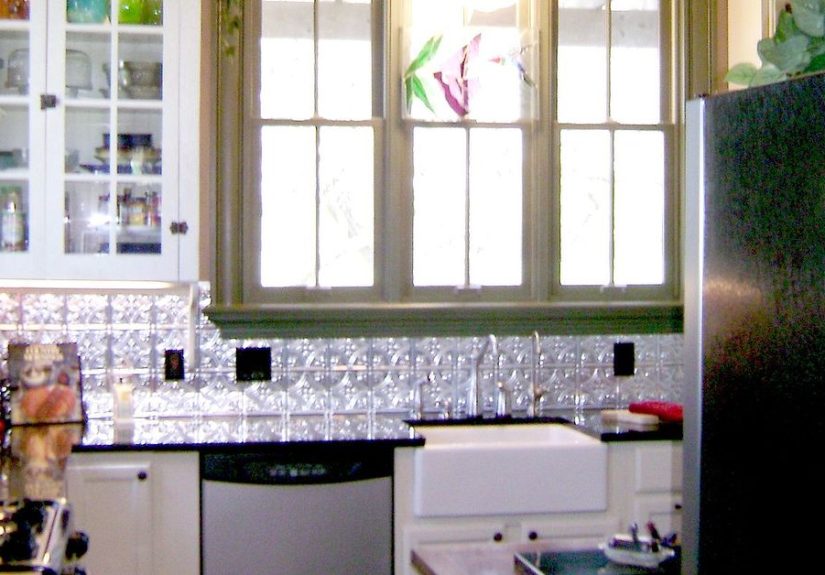
Simple tile is often the safest choice. Classic subway tile can look right at home if you keep the layout and grout timeless. Small-format tile (including hex) can also suit older homes, especially in a restrained palette. If your kitchen has beadboard, a beadboard backsplash sealed properly can look authentic and charming.
Fixtures That Whisper “Farmhouse” Instead of Shouting “Theme Park”
Fixtures can make or break the vibe. The sweet spot is “looks like it belongs” with performance that makes daily cooking easier.
Sinks and faucets
- Apron-front (farmhouse) sinks suit farmhouse kitchens, especially in fireclay or cast iron.
- Bridge faucets and classic goosenecks feel traditional without being fussy.
- Side sprayers or discreet pull-downs can blend in if the finish and form are classic.
Lighting
Old kitchens often had modest, practical lighting. Today, you can layer light without turning the ceiling into a chandelier convention: use a simple pendant over the sink, a schoolhouse-style fixture, and understated under-cabinet lighting for task work.
Hardware
Bin pulls, simple knobs, and unlacquered brass or aged finishes can bring warmth. Avoid hardware that looks aggressively trendy; Victorian farmhouses have survived long enough to watch trends come and go. They are unimpressed.
Safety First in Old Houses: Lead Paint and Other “Not Cute, But Important” Realities
Many Victorian homes predate modern safety standards. If your home was built before 1978, lead-based paint is a real possibility, and renovations that disturb painted surfaces can create hazardous lead dust. Plan lead-safe practices from day one: careful containment, proper cleanup, and the right professionals when needed.
Also plan for modern kitchen safety basics: updated electrical capacity, properly placed outlets, GFCI protection where required, and safe ventilation for cooking. Your kitchen can be historic and still be the place where you don’t trip a breaker every time you toast a bagel and run the microwave at the same time.
Mechanical Upgrades: Hide the Modern Stuff (But Don’t Ignore It)
A truly successful restoration upgrades the invisible systems so the visible historic character can shine. That usually means addressing:
- Electrical: adequate circuits, safe wiring, modern outlet placement, and lighting control.
- Plumbing: leak-free supply lines, updated drains, and sensible shutoffs (future-you will send thank-you notes).
- Ventilation: a hood that actually vents outside (when feasible), sized for your cooking style.
- Moisture control: proper flashing, sealed transitions, and attention to the sink wallwater is sneaky.
Example: If you’re keeping plaster walls, run new wiring in strategic chases or from below during floor work, rather than turning the kitchen into Swiss cheese. Preservation-friendly planning is often about choosing the least destructive route.
Finishes and Color: Make It Feel Like It’s Always Been There
Victorian farmhouse kitchens tend to look best with colors that feel natural, practical, and a little softened by timewarm whites, creamy neutrals, muted greens, smoky blues, and gentle grays. High-contrast black-and-white can work too, but keep it balanced with warm wood tones so it doesn’t feel like a graphic design project.
Finishing moves that add instant authenticity
- Use consistent trim color that matches the rest of the house.
- Pick one “hero” vintage moment: a reclaimed door, a restored built-in, or a pantry cabinet with old glass.
- Let materials show texture: wood grain, honed stone, brushed metals.
A Practical Restoration Roadmap (So You Don’t End Up Making Dinner in the Bathtub)
- Document and research: photos, measurements, and any old images or clues.
- Assess safety: lead paint risk, electrical capacity, plumbing condition, moisture issues.
- Define your “keep” list: floors, trim, windows, built-ins, doorsprotect them early.
- Plan layout changes: small, targeted moves first; avoid oversizing islands and cabinetry.
- Upgrade systems: electrical, plumbing, ventilationdo it before finishes.
- Restore surfaces: floors, plaster, beadboard, trim repairs.
- Cabinetry and storage: restore or build new that matches the home’s language.
- Select durable, honest materials: counters, tile, fixtures, hardware.
- Layer lighting: ambient + task + a little charm.
- Finish with restraint: the house is the feature; let it talk.
Conclusion: A Victorian Farmhouse Kitchen Can Be Historic and Happily Useful
The best Victorian farmhouse kitchen restoration projects don’t try to cosplay the 1890s, and they don’t bulldoze history for convenience. They do something smarter: they keep the character-defining parts that make the space feel rootedfloors, trim, proportions, texturethen quietly add modern function in a way that doesn’t hijack the room.
Done right, your kitchen becomes the kind of place where a cast-iron skillet and a phone charger can coexist peacefullylike an intergenerational family reunion, but with fewer arguments about the thermostat.
Real-World Experiences From Victorian Farmhouse Kitchen Restoration (The 500-Word Truth)
If you’ve never lived through an old-house kitchen restoration, here’s the honest preview: the process is equal parts detective story, endurance sport, and unexpectedly emotional reunion with craftsmanship you didn’t know you’d miss. Homeowners and restoration pros often describe the first week as “thrilling,” the middle as “why did we do this,” and the last as “okay… now I get it.”
One of the most common experiences is the layer reveal. You pull up vinyl and find worn pine. You remove a ceiling tile grid and discover beadboard or an old tongue-and-groove ceiling. Sometimes that reveal is glorious; sometimes it’s a horror movie featuring water damage and a suspiciously bouncy subfloor. Either way, the lesson is consistent: old houses hide their best (and worst) surprises behind the easiest-to-remove surfaces. Planning for surprisesmentally and financiallymakes the whole journey feel less like betrayal.
Another shared experience is learning to respect imperfect perfection. Victorian farmhouse floors may not be level. Walls may not be square. Cabinetry that’s perfectly plumb can look oddly “new” against a house that has settled for 120 years. Many restorations feel most authentic when the new work is precise but not sterilewhen it fits the room instead of trying to correct the room’s entire personality. People often say the kitchen starts to feel “right” the moment they stop fighting every wobble and start designing around it: scribing trim, choosing forgiving materials, and embracing a finish that isn’t mirror-gloss.
There’s also the reality of kitchen limbo. You will make coffee in strange places. You will wash dishes in a bathroom sink at least once. You will develop an intense relationship with takeout containers. The smart move many homeowners swear by is setting up a “mini kitchen” before demo: a folding table, a microwave, an electric kettle, a dish tub, paper plates, and a dedicated corner that stays clean. It’s not glamorous, but neither is brushing your teeth next to a stack of pots because the only flat surface left is the vanity.
Sourcing materials becomes its own adventure. People who restore Victorian farmhouses often discover local architectural salvage shops, antique dealers, and craftspeople who can match trim profiles or build inset doors that don’t look like they came from a different planet. The “aha” moment comes when you realize that authenticity isn’t always expensiveit’s often about choosing the right details. A simple bridge faucet, bin pulls, and cabinet proportions that echo the home can do more for the historic feel than any trendy tile that screams for attention.
Finally, there’s the satisfaction factor. A restored Victorian farmhouse kitchen tends to earn affection fast because it feels warm, grounded, and real. It’s not just a pretty roomit’s a room that tells the truth about the house. And once you’ve cooked in it for a few months, you’ll notice something funny: modern convenience matters, but it’s the old detailstrim, wood, light, the way the space “holds” peoplethat make you want to linger. That’s when you know you didn’t just remodel a kitchen. You gave a working room its dignity back.