Table of Contents >> Show >> Hide
- What Is a Stingray Sting?
- Stingray Sting vs. Stingray Bite: What Is the Difference?
- Common Symptoms of a Stingray Sting
- Stingray Sting First Aid: What to Do Immediately
- When to Seek Emergency Care
- How Doctors Treat a Stingray Sting
- Possible Complications
- How Long Does a Stingray Sting Take to Heal?
- What Not to Do After a Stingray Sting
- How to Prevent Stingray Stings
- Experience-Based Tips: What a Stingray Sting Feels Like and What Helps
- Conclusion
A stingray sting is one of those beach injuries that sounds like it belongs in a dramatic ocean documentary, not your vacation itinerary. One minute you are walking through warm, shallow water, thinking about sunscreen and snacks. The next minute, your foot feels like it has been introduced to a tiny underwater lightning bolt with a grudge.
Technically, most people do not get a “stingray bite.” Stingrays rarely bite humans. What usually happens is a defensive sting from a sharp, barbed spine on the ray’s tail. The injury can cause immediate, intense pain, bleeding, swelling, and sometimes infection if the wound is not cleaned and evaluated properly. The good news? Most stingray stings are treatable, and serious complications are uncommon when first aid is handled quickly and correctly.
This guide explains what a stingray sting feels like, what to do immediately, when to seek emergency care, how treatment works, and how to avoid getting stung in the first place. Consider it your calm, sensible beach buddythe one who remembers the first-aid steps while everyone else is hopping on one foot and yelling at the ocean.
What Is a Stingray Sting?
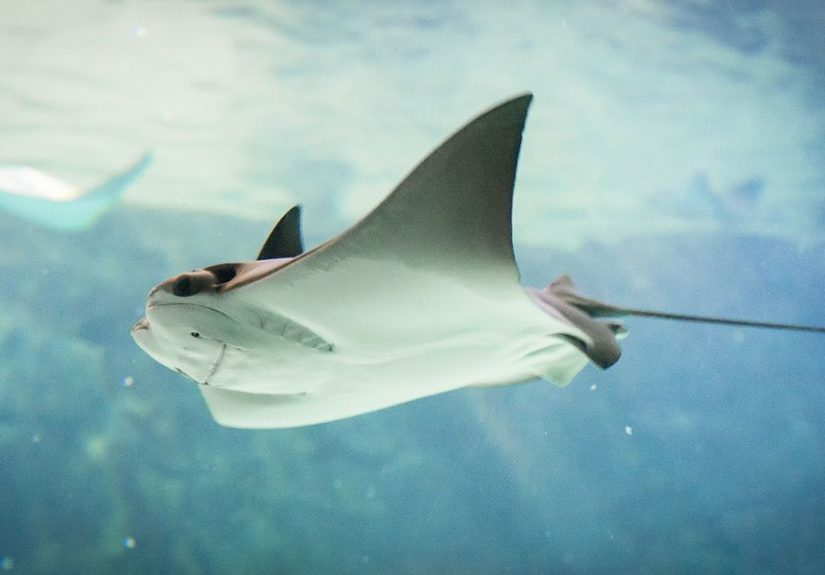
A stingray sting is a puncture or cut caused by a stingray’s tail spine, also called a barb. Many stingrays spend time resting on sandy or muddy ocean bottoms, especially in shallow coastal waters. Because they blend into the sand like shy little pancakes, people sometimes step on them by accident.
When a stingray feels threatened, it may whip its tail upward or forward. The barb can pierce the skin and deliver venom. This venom is what causes the sudden, severe pain that makes even very tough beachgoers reconsider their life choices.
The most common sting locations are the feet, ankles, and lower legs. Fishermen or people handling rays may be stung on the hands or arms. The wound may look small at first, but stingray injuries can be deeper than they appear. That is why proper cleaning, pain control, and medical follow-up matter.
Stingray Sting vs. Stingray Bite: What Is the Difference?
The phrase “stingray bite” is common online, but it is usually not accurate. Stingrays have mouths and teeth, but human injuries are typically caused by the tail barb, not a bite. The tail spine can create a puncture wound, tear the skin, and leave fragments behind.
So, if you are optimizing your search for information, “stingray sting,” “stingray injury,” and “stingray first aid” are the terms that matter most. If your foot met a ray in the surf, the ray probably did not bite you. It defended itself. Not personal. Just very painful.
Common Symptoms of a Stingray Sting
Symptoms can start immediately and may range from mild to severe. The pain is often the first and most memorable sign. People commonly describe it as sharp, throbbing, burning, or surprisingly intense compared with the size of the wound.
Local symptoms near the sting
- Sudden severe pain at the sting site
- Puncture wound or jagged cut
- Bleeding
- Swelling around the injury
- Redness or warmth
- Numbness, tingling, or tenderness
- Blue-gray or dark discoloration in some cases
- Ongoing soreness after the initial pain improves
Possible whole-body symptoms
Some people may also experience nausea, vomiting, dizziness, weakness, sweating, muscle cramps, headache, or anxiety. Rarely, a sting may trigger a serious allergic reaction or shock-like symptoms. Any sign of trouble breathing, fainting, confusion, or widespread swelling should be treated as an emergency.
Stingray Sting First Aid: What to Do Immediately
The first few minutes matter. The goal is to get out of danger, control bleeding, reduce pain, clean the wound, and decide whether urgent medical care is needed.
1. Get out of the water safely
Leave the water calmly but quickly. Pain can make it hard to walk, so ask for help if needed. Avoid staying in deeper water where dizziness or shock could increase the risk of drowning. Sit or lie down once you are on shore.
2. Control bleeding with direct pressure
If the wound is bleeding, apply firm, steady pressure with a clean towel, gauze, or cloth. Do not rub the wound aggressively. If bleeding is heavy, spurting, or will not slow with pressure, call emergency services immediately.
3. Do not pull out a deeply embedded barb
If a piece of the stingray spine is visibly stuck in the skin, avoid yanking it outespecially if the injury is near the chest, abdomen, neck, groin, or a major blood vessel. Removing a deeply embedded object can worsen bleeding or tissue injury. Let medical professionals handle it.
4. Rinse the wound
Rinse away sand, dirt, and debris. Clean water is helpful once you are on shore, and the wound should later be washed carefully with soap and clean water. Avoid folk remedies. No, you do not need mystery beach plants, dramatic suction attempts, or advice from a guy named “Captain Steve” who owns one flip-flop.
5. Use hot-water immersion for pain relief
For many stingray stings, soaking the injured area in hot water can significantly reduce pain. The water should be hot but not scaldingcomfortable enough to avoid burns. A practical range often used in first-aid guidance is about 104°F to 113°F. Test the water first, especially for children, older adults, or anyone with reduced sensation.
Soak the injured area for 30 to 90 minutes, or until pain improves. Add warm water as needed to maintain temperature. If hot-water immersion increases pain, causes skin redness from heat, or is not practical because of the wound location, stop and seek medical help.
6. Get medical evaluation
Even if the pain improves, many stingray wounds deserve medical attention. A clinician may need to check for retained barb fragments, clean the wound more thoroughly, update tetanus protection, prescribe antibiotics when appropriate, or order imaging if a spine fragment may be hidden under the skin.
When to Seek Emergency Care
Call emergency services or go to the emergency room right away if any of the following apply:
- The wound is on the chest, abdomen, neck, face, or groin
- Bleeding is heavy or does not stop with direct pressure
- A barb is deeply embedded or near a sensitive area
- The person has trouble breathing, fainting, confusion, or severe weakness
- There are signs of a severe allergic reaction, such as swelling of the face or throat
- Pain is extreme and does not improve with hot-water immersion
- The injured person has diabetes, liver disease, poor circulation, or a weakened immune system
- Signs of infection appear, including worsening redness, warmth, swelling, pus, fever, chills, or red streaks
Ocean wounds deserve respect because seawater can expose cuts to bacteria. Warm coastal and brackish waters may contain Vibrio species, which can cause serious wound infections in high-risk people. Fast medical care is especially important if symptoms worsen quickly after a marine injury.
How Doctors Treat a Stingray Sting
Professional treatment depends on the location, depth, severity, and infection risk of the wound. A doctor or emergency clinician may begin with pain control and a careful exam. If the wound is deep or irregular, they may use imaging such as X-ray or ultrasound to look for retained spine fragments.
Wound cleaning and exploration
Stingray wounds can contain sand, bits of tissue, or small barb fragments. Medical cleaning reduces infection risk and helps the wound heal properly. In some cases, a clinician may need to explore the wound or remove damaged tissue. That sounds dramatic, but the purpose is simple: get the wound clean so it can heal instead of becoming a tiny beach-themed problem factory.
Pain management
Hot-water immersion is often very helpful, but some people need additional pain relief. Clinicians may recommend over-the-counter pain medicine or, for severe pain, stronger treatment in a medical setting.
Tetanus protection
Because a stingray injury is a puncture wound exposed to the environment, your tetanus vaccination status matters. If your tetanus booster is not current, a healthcare professional may recommend a booster.
Antibiotics
Antibiotics are not always required for every minor stingray wound, but they may be prescribed for deep punctures, dirty wounds, delayed treatment, retained foreign material, or people at higher risk of infection. The choice of antibiotic should consider marine bacteria, which is another reason self-treating a stingray wound with leftover pills from last year is a bad plan.
Possible Complications
Most stingray stings improve with first aid and medical follow-up. Still, complications can happen, especially when the wound is deep, not cleaned well, or ignored after the beach day ends.
- Infection: Marine wounds can become infected, sometimes quickly.
- Retained barb fragments: Pieces of the spine may remain under the skin and delay healing.
- Tissue irritation: Venom and trauma can cause swelling and tenderness for days.
- Delayed healing: Puncture wounds may close on the surface while deeper tissue remains irritated.
- Severe trauma: Rare but dangerous injuries can occur if the barb penetrates the chest, abdomen, or major blood vessels.
How Long Does a Stingray Sting Take to Heal?
Pain may improve within hours after hot-water immersion and proper care, but tenderness can last for several days. A small, clean wound may heal within a week or two. Deeper wounds can take longer, especially if there is infection, tissue damage, or a retained spine fragment.
Watch the wound closely for the first several days. Increasing pain after initial improvement is a red flag. So are spreading redness, warmth, swelling, drainage, fever, chills, or feeling unusually ill. When in doubt, get checked. Beach injuries are not the place to practice heroic denial.
What Not to Do After a Stingray Sting
Some traditional sting remedies are ineffective or risky. Skip the dramatic beach myths and stick with practical care.
- Do not cut the wound open.
- Do not apply ice as the main pain treatment if hot-water immersion is available.
- Do not use urine, alcohol, gasoline, bleach, or mystery liquids.
- Do not aggressively dig for barb fragments with dirty tools.
- Do not ignore a deep puncture because the surface wound looks small.
- Do not return to the water with an open wound.
How to Prevent Stingray Stings
The best stingray treatment is not getting stung in the first place. Fortunately, prevention is simple and slightly goofy-looking.
Do the stingray shuffle
Instead of stepping high and straight down in shallow water, slide or shuffle your feet along the sand. This movement alerts resting stingrays and gives them time to swim away. Think of it as politely knocking before entering their living room.
Swim near lifeguards
Lifeguarded beaches often have first-aid supplies and staff familiar with local marine injuries. In stingray-prone areas, lifeguards may already know the fastest way to help with hot-water immersion and emergency care decisions.
Avoid touching or handling rays
Stingrays are usually not aggressive, but handling them increases risk. Anglers should use proper tools and caution if a ray is caught on a line. Never provoke, corner, or chase a stingray for a photo. The ocean has enough influencers already.
Wear protective footwear when appropriate
Water shoes may reduce minor cuts, but a stingray barb can still penetrate many types of footwear. Shoes are not a guarantee. The stingray shuffle remains the star of the prevention show.
Experience-Based Tips: What a Stingray Sting Feels Like and What Helps
Many people who have experienced a stingray sting say the same thing: the pain feels much bigger than the wound looks. A small puncture on the foot may cause burning, throbbing pain that climbs in waves. This mismatch can be unsettling. You may look down, see only a tiny wound, and think, “Surely this little dot is not responsible for all this drama.” Unfortunately, it can be.
A common beach scenario goes like this: someone is wading in knee-deep water near shore, usually in a sandy area. They step down, feel a sharp jab, and then pain builds quickly. The first instinct may be to panic or run, but the better move is to get help walking out of the water, sit down, and start first aid. Staying calm helps prevent falls, especially when the injured foot is painful.
One practical lesson from real-world stingray injuries is that hot water often feels surprisingly effective. People may go from intense, clenched-jaw pain to noticeable relief once the foot is immersed in hot but safe water. The water should not burn the skin. If someone keeps saying, “Make it hotter, I can take it,” do not turn the bucket into soup. Burns create a second injury, and nobody needs a combo platter.
Another useful experience tip: take off rings, tight anklets, or restrictive footwear near the injury if swelling begins and it is safe to do so. Swelling can make tight items uncomfortable or difficult to remove later. Keep the injured area as clean as possible, and avoid walking barefoot through sand after the sting. Sand in a puncture wound is like glitter at a birthday partyit gets everywhere and overstays its welcome.
People sometimes feel embarrassed after being stung, as if they failed at walking in water. There is no need. Stingrays are excellent at camouflage. Even experienced surfers, swimmers, and locals get stung. The stingray shuffle exists because spotting rays under cloudy surf is genuinely difficult.
If you are helping someone else, your calm voice is part of first aid. Reassure them, help them sit, control bleeding, find clean water and a container for hot-water immersion, and contact lifeguards or medical services when needed. Ask about medical conditions such as diabetes, immune problems, liver disease, or blood thinners, because these can change the urgency of care.
After the first day, the most important experience-based advice is to monitor the wound instead of mentally filing it under “beach adventure, finished.” A sting that feels better at sunset but becomes redder, hotter, more swollen, or more painful the next day deserves medical attention. Fever, chills, drainage, red streaking, or feeling sick after a seawater wound should never be shrugged off.
Finally, do not let one sting ruin the ocean forever. Most stingray encounters are accidental, and most stingrays would rather glide away than deal with humans. Learn the shuffle, choose lifeguarded beaches when possible, respect marine life, and keep a basic first-aid plan in mind. The beach should be memorable for sunsets and snacksnot because your foot had a surprise meeting with a venomous tail barb.
Conclusion
A stingray sting can be painful, startling, and inconvenient, but quick first aid makes a major difference. Get out of the water, control bleeding, avoid removing deeply embedded barbs, rinse and clean the wound, use hot-water immersion for pain relief, and seek medical care for deep wounds, severe symptoms, possible retained fragments, or infection concerns.
Stingrays are not villains. They are shy bottom-dwellers with a very effective “please do not step on me” system. With the stingray shuffle, smart beach habits, and a little first-aid knowledge, you can enjoy the ocean with more confidenceand fewer dramatic foot-related plot twists.