Table of Contents >> Show >> Hide
- Why June 2016 Was a Strong Month for Remodelaholic
- Easy DIY Pocket Shelves: Small Project, Big Practical Payoff
- Self-Watering Nimbus Pots: Outdoor Beauty With Less Plant Drama
- Backyard Pergola Makeover Ideas: Color, Contrast, and Cohesion
- Laundry Room Storage: Pegboard Earns Its Applause
- Grout Dye and Tile Refreshes: The Power of Tiny Lines
- IKEA Sofa Slipcover: Custom Style Without Replacing the Sofa
- Renter-Friendly Wall Sconce: Style Without Permanent Damage
- Metal Ceiling Tile Backsplash: Texture in an Unexpected Place
- Turning Tables DIY Week: Measuring Before Building
- Cabinet Painting and Budget Kitchen Energy
- What Made the June 2016 Roundup SEO-Friendly
- Experiences and Practical Reflections Inspired by Remodelaholic In Review: June 2016
- Conclusion: Why Remodelaholic In Review June 2016 Still Inspires
June 2016 was one of those months in the DIY world that felt like a very enthusiastic toolbox had explodedin the best way possible. Remodelaholic packed the month with approachable home projects, outdoor inspiration, clever storage ideas, furniture tutorials, paint discussions, and enough table talk to make your dining room feel slightly underdressed. The theme was not simply “make your house prettier.” It was more practical and more lovable than that: make your house work harder, feel warmer, and stop making you mutter at cluttered corners.
This review revisits the standout ideas from Remodelaholic In Review: June 2016, then looks at why those projects still matter for homeowners, renters, weekend DIYers, and anyone who has ever stared at scrap wood and thought, “You are either becoming a shelf or going back to the garage pile of shame.” From pocket shelves and self-watering planters to pergola makeovers, laundry storage, grout refreshes, IKEA slipcovers, and table-building inspiration, June 2016 offered a full menu of budget-conscious home improvement ideas.
What made the month especially useful was its mix of quick wins and bigger-picture design thinking. Some projects could be finished in an afternoon. Others were more about planning, measuring, choosing colors, and understanding how small decisions can change an entire room. In other words, it was a month for both the “I have 20 minutes” DIYer and the “I bought a miter saw and now I have a personality” DIYer.
Why June 2016 Was a Strong Month for Remodelaholic
The June 2016 recap arrived during peak summer project season, when homeowners were thinking about porches, patios, kids’ rooms, backyard upgrades, Father’s Day gifts, and indoor projects that could be tackled before school routines returned. Remodelaholic’s roundup reflected that seasonal energy. It leaned into projects that were useful, affordable, and highly visualexactly the kind of content that performs well for readers searching for DIY home projects, budget remodel ideas, and practical decorating inspiration.
At the time, home renovation culture was also gaining momentum. Homeowners were increasingly interested in improving their current houses instead of immediately moving, and kitchen, bath, storage, outdoor living, and curb appeal projects were getting serious attention. That broader trend helps explain why June’s content felt so relevant: it was not about fantasy remodeling with unlimited budgets. It was about realistic improvements, the kind that start with a weekend, a measuring tape, and optimism that may or may not survive the first trip to the hardware store.
Easy DIY Pocket Shelves: Small Project, Big Practical Payoff
One of the standout June 2016 projects was the Easy DIY Pocket Shelf, a compact book shelf created from simple boards and, in the original spirit of Remodelaholic, leftover scrap wood. The beauty of this project was its size and flexibility. It could fit beside a bed, in a toy room, near a reading nook, or anywhere books and small treasures needed a home that was not “randomly on the floor.”
The project worked because it balanced beginner-friendly construction with real function. A pocket shelf does not require a giant workshop, a contractor’s license, or the emotional stamina of a full kitchen remodel. It asks for careful cuts, secure assembly, sanding, and finishing. That is a sweet spot for DIY content: readers can imagine themselves completing it without needing a vacation afterward.
Why Pocket Shelves Still Work
Wall-mounted storage remains one of the smartest ways to add function without consuming floor space. Pocket shelves are especially useful in kids’ rooms because they display books facing outward, making reading feel more inviting. They are also great for small bedrooms, narrow hallways, and family rooms where a full bookcase would feel bulky.
From an SEO perspective, this kind of project naturally supports keywords like DIY pocket shelf, scrap wood project, kids room storage, easy DIY shelves, and budget home organization. From a human perspective, it supports the universal dream of finally having a place to put the books that keep sliding under the bed like they are training for a heist.
Self-Watering Nimbus Pots: Outdoor Beauty With Less Plant Drama
June also featured Self Watering Nimbus Pots, a project and product discussion centered on container gardening with less maintenance. Potted flowers can transform a porch, deck, patio, or front entry, but they also have one tiny drawback: they expect you to remember they exist. In hot weather, that expectation can become surprisingly demanding.
The self-watering planter concept solved a common summer problem. By using a water reservoir and allowing the soil to draw moisture as needed, these pots made container gardening easier for busy families, vacation weeks, and anyone whose gardening style could politely be described as “hope-based.”
What This Added to the June Review
This post expanded the monthly roundup beyond indoor decorating and building projects. It connected Remodelaholic’s DIY audience with outdoor living, curb appeal, and seasonal home enjoyment. That mattered because summer home improvement is not only about what happens inside four walls. Decks, porches, patios, and flower pots often create the first impression of a home.
Self-watering containers also fit neatly into a larger trend: homeowners wanted outdoor spaces that were beautiful but not exhausting. A planter that reduces watering stress is not just a garden accessory. It is a peace treaty between ambition and real life.
Backyard Pergola Makeover Ideas: Color, Contrast, and Cohesion
The June 2016 review highlighted a backyard pergola makeover that focused on stain color, visual balance, and how outdoor structures relate to the rest of the home. This was a smart inclusion because pergolas can be tricky. Choose the right finish and they look intentional, warm, and architectural. Choose the wrong finish and suddenly your backyard looks like it is wearing a hat from a different outfit.
The value of the pergola post was not only the final design idea. It was the process: compare options, use visual mockups where possible, and consider how the new element works with siding, trim, landscaping, and outdoor furniture. DIY design is often less about picking the trendiest color and more about asking, “Does this belong here, or did it wander in from another Pinterest board?”
Outdoor Living Lessons from June 2016
Outdoor living was a major theme in home design around this period, and it remains important today. A pergola can define a seating area, add shade, create a destination in the yard, and make an outdoor space feel like a room. The June content reminded readers that paint and stain choices carry real visual weight. A dark stain may ground a structure and create contrast, while a lighter or brighter color needs to be carefully coordinated with the house.
For readers planning a backyard update, the takeaway is clear: before buying gallons of stain, test colors. Look at them in morning light, afternoon sun, and shade. Your pergola deserves better than a surprise identity crisis.
Laundry Room Storage: Pegboard Earns Its Applause
Another practical June topic was laundry room organization, especially the use of pegboard for storage. Laundry rooms are often small, oddly shaped, and expected to hold everything from detergent to mystery cords to the one sock nobody wants to discuss. Pegboard is useful because it turns wall space into flexible storage.
A well-installed pegboard can hold baskets, hooks, cleaning tools, lint rollers, small shelves, and other supplies. It is especially helpful in a laundry room because storage needs change over time. One month you need space for stain removers; another month you need a place to hang delicates; eventually you need a hook for the bag of things everyone swears they will donate “soon.”
Why Pegboard Is a Smart DIY Storage Solution
Pegboard works best when it is mounted properly with space behind the board for hooks. It should be secured to studs or solid backing and not overloaded. These details are not glamorous, but they are what separate a functional wall organizer from a dramatic clattering sound at 11:42 p.m.
For Remodelaholic readers, the laundry pegboard idea fit perfectly with the site’s practical style. It was affordable, customizable, and achievable. It also reinforced one of the strongest DIY principles: use vertical space before buying another bulky storage cabinet.
Grout Dye and Tile Refreshes: The Power of Tiny Lines
June 2016 also included a tutorial on dyeing grout and refreshing a dated tile floor. This kind of project proves that small details can carry an unreasonable amount of visual power. Grout lines may be thin, but when they are stained, uneven, or the wrong color, they can make an entire floor look tired.
Dyeing grout can give tile a cleaner, more updated appearance without the cost and mess of full replacement. It requires patience, cleaning, careful application, and realistic expectations. It is not magic in a bottle, but it can feel close when a dull floor suddenly looks intentional again.
When a Refresh Beats a Replacement
One of the smartest ideas behind many Remodelaholic projects is knowing when to improve rather than replace. Not every dated surface needs demolition. Sometimes the better move is cleaning, painting, staining, re-covering, or re-styling. These updates are often cheaper, less wasteful, and easier for homeowners to manage.
A grout refresh is a great example. It does not change the tile shape or layout, but it can sharpen contrast, brighten a room, and make a floor feel maintained. That makes it a practical choice for bathrooms, laundry rooms, mudrooms, and kitchens where the tile is structurally fine but visually tired.
IKEA Sofa Slipcover: Custom Style Without Replacing the Sofa
Another memorable June feature showed how a room could change with a custom IKEA sofa slipcover. This is the kind of project that speaks directly to real homes. Sofas are expensive. Families are messy. Pets are creative. Children treat cushions like athletic equipment. A slipcover offers a middle ground between “buy a new couch” and “accept this stain as part of the family history.”
Custom slipcovers can shift the mood of a room quickly. A lighter fabric can make a space feel breezier. A darker fabric may feel more grounded and forgiving. Patterns add personality, while neutrals make it easier to change pillows, art, and rugs over time.
The Bigger Lesson: Work With What You Have
The slipcover idea fits a strong DIY philosophy: do not underestimate the furniture you already own. A piece may not need to be replaced. It may need new fabric, new legs, better styling, or a new location in the room. Budget-conscious decorating often starts with asking what can be reused before deciding what must be purchased.
That approach is also good for long-term design. Rooms feel more personal when they include adapted, collected, and improved pieces. A home should not look like it was ordered in one click. It should look like people live therepreferably people with excellent throw pillows.
Renter-Friendly Wall Sconce: Style Without Permanent Damage
The June roundup included a renter-friendly DIY wall sconce tutorial, which was especially useful for apartment dwellers and homeowners who do not want to open walls for electrical work. Lighting can dramatically change a room, but hardwiring fixtures is not always possible, affordable, or allowed.
A renter-friendly sconce can create the look of built-in lighting without major construction. These projects often rely on clever mounting, battery-operated lights, plug-in solutions, or decorative approaches that deliver ambiance without requiring a call to an electrician.
Why Lighting Projects Matter
Lighting is one of the fastest ways to make a room feel finished. A sconce beside a bed, reading chair, entry table, or hallway mirror adds height, warmth, and intention. Even when the project is simple, the visual result can feel high-end.
The Remodelaholic angle here was accessibility. Not everyone owns their home. Not everyone has a renovation budget. But many people can improve a room’s lighting with a smart, removable, renter-friendly project. That makes this type of tutorial highly useful for a wide audience.
Metal Ceiling Tile Backsplash: Texture in an Unexpected Place
A metal ceiling tile backsplash was another June idea that stood out because it used material in a creative way. Tin or metal-look tiles can add texture, shine, and vintage charm to a backsplash area. In a laundry room or kitchen, they can create a focal point without requiring the same labor as traditional tile installation.
The key with a project like this is balance. Metal tiles bring pattern and reflectivity, so they work best when the surrounding finishes are not fighting for attention. Pair them with simple cabinetry, clean counters, or neutral paint, and they can add just enough personality without making the room feel like it joined a marching band.
Design Takeaway
Creative materials can make budget projects feel custom. Ceiling tiles, beadboard, peel-and-stick products, reclaimed wood, painted panels, and other accessible materials can all become design features when used thoughtfully. Remodelaholic’s June content repeatedly showed that a good idea does not have to be expensive; it has to be well matched to the room.
Turning Tables DIY Week: Measuring Before Building
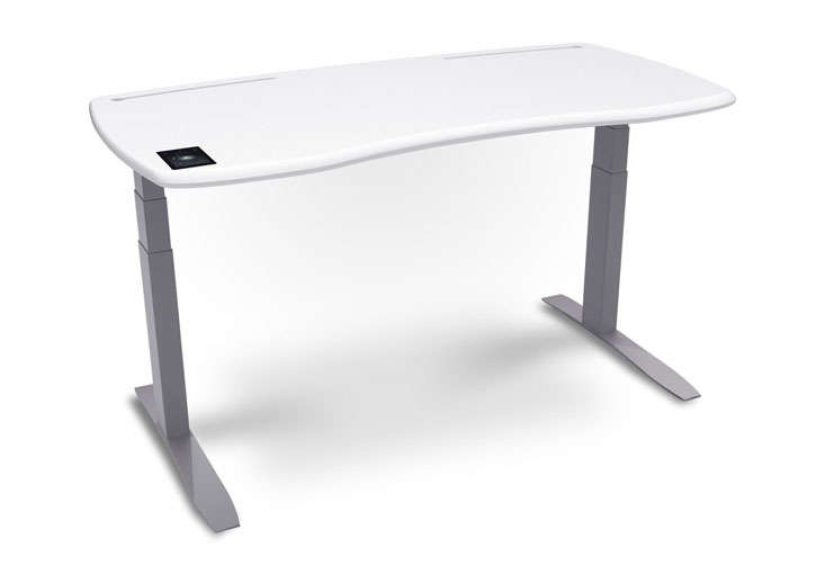
One of the biggest June 2016 highlights was Turning Tables DIY Week, a collection of table-related posts that included dining table sizing, tablecloth dimensions, chair height, console tables, painted entry tables, live edge tables, removable planked table covers, and table runner inspiration.
This was more than a cute theme. Tables are central to daily life. They hold meals, homework, laptops, birthday cakes, mail piles, craft projects, and occasionally one person’s entire plan to reorganize the house. A good table must look right, fit the room, and function comfortably.
Dining Table Sizes and Real-Life Comfort
The dining table guide was especially valuable because it focused on measurements. Many DIY mistakes happen because people build or buy based on appearance alone. A table can be beautiful and still make everyone sit like polite sardines. Chair height, table width, table length, clearance around the room, and tablecloth drop all affect comfort.
A standard dining table height typically sits around 28 to 30 inches, with chairs commonly around 17 to 18 inches at the seat. Those numbers may not sound exciting, but they are the difference between a comfortable dinner and a family gathering where everyone’s knees file a complaint.
Cabinet Painting and Budget Kitchen Energy
The June review also pointed readers toward a popular cabinet-painting topic: how to paint kitchen cabinets in one weekend. Cabinet painting has long been a favorite budget kitchen update because cabinets dominate the visual field. Change the cabinet color, and the entire kitchen can feel different.
Of course, “one weekend” does not mean “zero effort.” Cabinet painting requires cleaning, labeling doors, sanding or deglossing, priming, painting, drying, and reassembling. The process rewards patience. Skip prep, and your cabinets may respond with peeling paint and a smug attitude.
Why Kitchen Updates Were So Important in 2016
Kitchen and bathroom improvements were major remodeling priorities around this time, and many homeowners were looking for ways to update these high-impact rooms without taking on full-scale renovations. Painting cabinets, changing hardware, refreshing backsplashes, and improving storage were all practical ways to stretch a budget.
For readers, the lesson is still relevant: before replacing cabinets, consider whether paint, hardware, lighting, and organization can deliver the transformation you need. Sometimes the bones are good; they are just wearing the wrong outfit.
What Made the June 2016 Roundup SEO-Friendly
From a content strategy perspective, Remodelaholic In Review: June 2016 worked because it grouped many related posts into one useful hub. Monthly review posts are strong for SEO because they help readers discover older content, organize topics by season, and connect multiple internal resources under a clear theme.
The June roundup naturally included searchable topics such as DIY shelves, outdoor planters, pergola makeover ideas, laundry room storage, grout dye, IKEA slipcover, renter-friendly lighting, backsplash ideas, dining table sizes, and kitchen cabinet painting. These are evergreen queries. People searched for them in 2016, and they still search for them today.
Search Intent Covered by the Review
The article served multiple types of search intent. Informational readers could learn about table sizes or paint colors. Practical readers could find tutorials. Inspirational readers could browse before-and-after concepts. Budget-focused readers could identify low-cost projects. This mix helped the review appeal to a broad audience without feeling scattered.
That is a useful model for any home improvement blog: combine inspiration with action. Pretty pictures get attention, but practical steps keep readers engaged.
Experiences and Practical Reflections Inspired by Remodelaholic In Review: June 2016
Looking back at June 2016, the most relatable part is how ordinary many of the project problems were. There was no need for a mansion, a celebrity designer, or a renovation budget large enough to make your bank account whisper for help. The projects addressed normal household frustrations: books without a home, plants that need watering, laundry rooms that attract chaos, old grout that makes floors look gloomy, sofas that need a second chance, and outdoor spaces that almost work but need visual direction.
One personal lesson from this kind of roundup is that small projects build confidence. A pocket shelf may not transform an entire house, but it teaches measuring, cutting, sanding, fastening, finishing, and wall mounting. Once someone completes that, a slightly larger shelf feels possible. Then maybe a console table. Then maybe a built-in bench. This is how DIY grows: not through one giant heroic leap, but through a series of projects that quietly convince you, “Actually, I can do this.”
Another experience many homeowners recognize is the danger of skipping planning because a project looks easy. A table, for example, seems simple until you realize chairs need room, people need elbow space, and the table must fit through the door unless you enjoy building furniture inside the dining room forever. The Turning Tables content was useful because it treated measurements as part of design, not boring homework. Good measurements are the unsung heroes of home improvement. They never get the glamour, but they prevent very glamorous disasters.
The pergola makeover also offers a lesson that applies far beyond backyards: test visual decisions before committing. Paint, stain, fabric, tile, and hardware can look very different in context than they do in isolation. A color that looks charming on a sample may look strangely loud next to siding or flooring. Mockups, samples, and test patches save money and regret. They are like a rehearsal dinner for your design choices.
Storage projects from the June review also remind us that organization is not about buying more containers. It is about designing a system that matches how people actually live. Pegboard works because it keeps tools and supplies visible. Pocket shelves work because children can see book covers. A slipcover works because real sofas experience real life. The best DIY projects solve behavior problems, not just decorating problems.
There is also a refreshing honesty in budget-friendly remodeling. Not every improvement needs to be permanent, expensive, or perfect. A renter-friendly sconce can make a bedroom feel cozy without rewiring. A grout dye project can refresh a floor until a larger renovation is possible. A self-watering planter can help a porch look alive even when the homeowner is busy, traveling, or simply not interested in becoming a full-time plant butler.
The June 2016 Remodelaholic review ultimately shows that home improvement is most successful when it respects both beauty and daily life. A home should look good, yes, but it also needs to hold backpacks, survive laundry day, support family meals, welcome guests, and forgive the occasional crooked first attempt. That is the charm of DIY: it is personal, imperfect, useful, and often a little funny. The shelf may not be museum-grade. The planter may not make you a master gardener. The table may involve more sanding than expected. But the result is yours, and that counts for a lot.
Conclusion: Why Remodelaholic In Review June 2016 Still Inspires
Remodelaholic In Review: June 2016 remains a useful snapshot of practical DIY home improvement at its best. The month blended quick projects, seasonal outdoor ideas, smart storage, design education, budget updates, and furniture inspiration. It showed readers that a home can improve one project at a time, whether that project is a scrap wood shelf, a refreshed tile floor, a better laundry wall, or a table built with enough measuring to keep dinner guests comfortable.
The strongest takeaway is simple: good remodeling is not always about doing more. Sometimes it is about doing the right small thing in the right place. Add storage where clutter gathers. Refresh what is dated but still functional. Test colors before committing. Measure before building. Reuse what still has life. And when possible, choose projects that make everyday routines easiernot just prettier for five minutes on photo day.
June 2016 was a reminder that DIY does not have to be intimidating. It can be creative, practical, budget-friendly, and even fun. Especially fun if the shelf is level on the first try. But let us not demand miracles.