Table of Contents >> Show >> Hide
- Can You Get a Tattoo in Older Age?
- How Aging Skin Changes the Tattoo Experience
- Medical Issues to Think About Before You Get New Ink
- Choosing the Right Tattoo Design and Placement in Older Age
- How to Pick a Safe Tattoo Studio
- What Healing Should Look Like
- Aftercare Tips for Older Adults
- Long-Term Things Older Adults Should Know About Tattoos
- When It May Be Better to Wait
- The Bottom Line on Tattoos and Old Age
- Experiences With Tattoos in Later Life: What People Often Say
There comes a moment in life when some people buy a sports car, some people start bird-watching with Olympic intensity, and some people finally book the tattoo appointment they have been thinking about since the Reagan administration. If that last one sounds familiar, good news: getting tattooed later in life is not weird, reckless, or forbidden by the Tattoo Police. It just requires a little more planning.
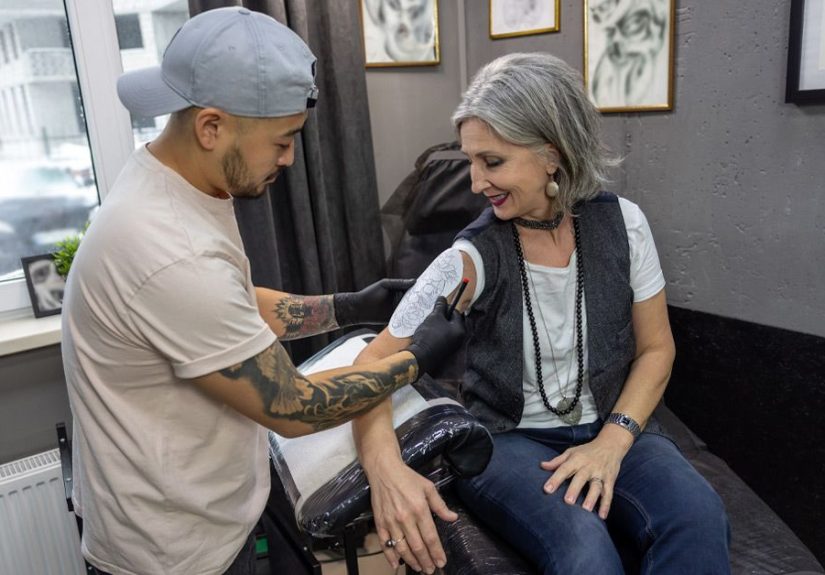
Tattoos and old age can absolutely coexist. In fact, many older adults decide to get new ink for deeply meaningful reasons: to mark retirement, honor a partner, celebrate survival after illness, memorialize a loved one, or simply do something fun because they are finally old enough to stop caring what the neighbors think. The big question is not, “Am I too old for a tattoo?” The better question is, “Is my skin, health, and healing capacity ready for one?”
That distinction matters. Aging skin behaves differently than younger skin. It is often thinner, drier, and less elastic. It may bruise more easily. It may also heal more slowly. Add in common later-life realities like diabetes, blood thinners, circulation issues, steroid use, or a history of skin cancer, and suddenly a spontaneous “Let’s get a dragon on the calf today” plan starts looking less charming and more like a paperwork situation.
This guide breaks down what older adults should know before getting new ink, how to lower tattoo risks, what healing may look like, and how to make smart design choices that still look good years from now. Because yes, your tattoo should have meaning. But it should also survive gravity, sun exposure, and poor font choices.
Can You Get a Tattoo in Older Age?
Yes. There is no universal age limit that says older adults cannot get a tattoo. But age changes the conditions around tattooing. A tattoo is still a controlled skin injury. Needles deposit pigment into the skin, which means your body has to respond with inflammation and healing. If your skin is thinner, more fragile, or slower to repair itself, the healing process may take more patience than it did at 25.
That does not mean later-life tattoos are a bad idea. It means they are less of an impulse purchase and more of a collaboration between your skin, your health history, and your artist. Think less “spring break decision,” more “informed adult choice with moisturizer.”
How Aging Skin Changes the Tattoo Experience
1. Skin can be thinner and more delicate
As people age, skin often becomes thinner and less elastic. Blood vessels may also become more fragile, which can lead to easier bruising. For tattoos, that can mean more sensitivity during the appointment and a greater need for a gentle, experienced artist who knows how to work on mature skin without overworking it.
2. Healing may be slower
Older skin generally does not bounce back as quickly as younger skin. That matters because tattoo healing is not just about the first few days of redness. Your skin needs time to repair its barrier, calm inflammation, and settle the ink. If you rush aftercare, pick at the area, or ignore irritation, you are much more likely to invite trouble.
3. Dryness changes everything
Many older adults deal with naturally drier skin. Dry skin can feel tighter, flake more, and become irritated more easily. That makes gentle aftercare especially important. A fresh tattoo is not the time for mystery lotions, heavy fragrance, or whatever was living in the back of the bathroom cabinet since 2019.
4. Sun damage matters
If you have spent decades gardening, golfing, driving with one arm in the sun, or just generally being alive outdoors, you may have areas of sun damage, age spots, rough texture, or suspicious skin changes. Tattooing over heavily sun-damaged skin is not always a great idea. It can make the design look less crisp, and more importantly, tattoo pigment can make changes in the skin harder to spot later.
Medical Issues to Think About Before You Get New Ink
This is where “fun idea” meets “quick health inventory.” Getting a tattoo later in life does not require panic, but it does require honesty.
Blood thinners and easy bleeding
If you take anticoagulants or other blood-thinning medication, you may bleed more and bruise more easily. That does not automatically rule out a tattoo, but it does mean you should talk with your healthcare professional first. Do not stop prescribed blood thinners on your own just to get tattooed. That is the kind of story people tell in emergency rooms, not tattoo shops.
Diabetes
If you live with diabetes, especially if it is not well controlled, skin can be drier and more vulnerable to infection, and healing can be slower. Good glucose management matters before and after a tattoo. If you have neuropathy, poor circulation, or a history of slow-healing wounds, placement becomes even more important. Areas with poorer circulation may be more troublesome than better-perfused spots.
Immune suppression
If you are on chemotherapy, long-term steroids, transplant medications, or other immune-suppressing drugs, talk with your doctor before scheduling anything. Tattoos increase infection risk because the skin barrier is intentionally broken. Even a small infection can become a much bigger problem when the immune system is under strain.
Skin conditions and skin cancer history
If you have eczema, psoriasis, chronic rashes, frequent skin tears, or a personal history of skin cancer, check in with a dermatologist or your usual clinician before choosing placement. A tattoo should never cover a suspicious mole, a changing lesion, or an area that needs regular visual monitoring. Ink can camouflage trouble, and that is not a party trick you want.
Keloids or thick scarring
If your skin tends to form raised scars or keloids, tattoos may trigger that same response. Even a beautiful design loses some of its charm when your skin decides to turn it into a textured topographic map.
Choosing the Right Tattoo Design and Placement in Older Age
One of the smartest things older adults can do is choose a tattoo that works with mature skin, not against it.
Go a little bigger and simpler
Tiny, ultra-detailed tattoos can blur over time, especially on skin that already has thinning or texture changes. Clean lines, moderate contrast, and slightly larger designs often age better than intricate micro-details. This is one of those times when “subtle” can become “mystery smudge” surprisingly fast.
Pick placement carefully
Some areas are easier on mature skin than others. Skin over bony areas, very thin skin, or places that rub constantly against clothing may be more uncomfortable and slower to settle. Many people do better with fleshier areas and with sites that are easier to keep clean and protected during healing.
Avoid tattooing over moles or suspicious spots
This one deserves repeating. Do not tattoo directly over moles, changing freckles, or strange-looking spots. If a lesion ever needs to be monitored for skin cancer, tattoo ink can make evaluation harder. A good artist should agree immediately. If they do not, keep your money and leave.
How to Pick a Safe Tattoo Studio
For older adults, choosing the right studio matters almost as much as choosing the right design.
- Use a licensed, reputable shop that follows local health regulations.
- Ask whether the artist uses single-use needles and sterile equipment.
- Make sure the artist washes hands, wears fresh gloves, and changes them when needed.
- Ask about ink handling and whether products are opened and dispensed safely.
- Do not get tattooed in someone’s living room, garage, kitchen, or “my friend is actually amazing at this” basement lab.
Infections can come from contaminated equipment, contaminated ink, or poor aftercare. Even sealed tattoo inks have been found to harbor microorganisms in some cases, which is exactly the kind of sentence that should convince you not to bargain-shop for body art.
Also skip home tattoo kits. They are not a charming DIY adventure. They are a fast track to regrettable line work and potentially serious skin problems.
What Healing Should Look Like
A fresh tattoo is usually red, swollen, sore, and a bit dramatic for the first few days. Mild clear fluid, itching, flaking, and some scabbing can be normal during healing. That part is expected.
What is not normal is worsening redness, increasing pain, spreading warmth, pus, a foul smell, fever, or feeling generally sick. Those are red flags for infection. Allergic reactions can also happen, sometimes right away and sometimes much later. Red ink is especially known for causing problems in some people.
If something seems off, do not try to “wait it out” while consulting only the internet and your most opinionated cousin. Contact a healthcare professional. A dermatologist is especially helpful if you develop a rash, bumps, ongoing itching, or skin changes that do not settle down.
Aftercare Tips for Older Adults
Keep it clean, but don’t scrub like you’re sanding furniture
Wash gently with mild soap and water as instructed by your artist. Pat dry. Fresh tattoos need cleanliness, not punishment.
Use simple, gentle moisturizer
Once your artist says it is appropriate, keep the tattoo lightly moisturized with a simple, fragrance-free product. Mature skin often benefits from steady hydration, but more is not always better. A tattoo should be moisturized, not marinated.
Protect it from the sun
Sun exposure can irritate healing skin, fade tattoos, and worsen overall skin aging. Once the tattoo is healed, use broad-spectrum SPF 30 or higher on exposed ink. Think of sunscreen as your tattoo’s long-term retirement plan.
Wear breathable clothing
Tight, rough fabrics can rub and irritate fresh ink. Choose soft, loose clothing during healing whenever possible.
Hands off the scabs
Picking, scratching, and peeling can pull out ink, slow healing, and raise the risk of scarring. I know. The scab will look tempting. It is lying to you.
Long-Term Things Older Adults Should Know About Tattoos
A tattoo is not just an appointment. It becomes part of your skin care routine.
First, continue monitoring tattooed skin over time. If a tattoo develops a new bump, persistent itch, unusual rash, or changing area, get it checked. If you have a history of skin cancer or a lot of sun damage, regular skin exams matter even more.
Second, tell healthcare professionals you have tattoos before an MRI. Rarely, tattoos can cause burning or swelling during MRI imaging, and some pigments may interfere with image quality. This is not common, but it is worth mentioning.
Third, understand that tattoos change because skin changes. Weight shifts, sun exposure, collagen loss, and normal aging can soften lines and alter shape. That is not necessarily a problem. It is just biology doing its thing. The goal is not to freeze your skin in 2026 like a museum exhibit. The goal is to choose art that still looks intentional as your body keeps living.
When It May Be Better to Wait
Postpone a tattoo if you have an active skin infection, a rash in the planned area, a sunburn, an open wound, uncontrolled diabetes, a recent medication change that affects healing or bleeding, or any new health issue you have not yet discussed with a clinician. Waiting is not boring. Waiting is what helps keep a meaningful tattoo from turning into a medical anecdote.
The Bottom Line on Tattoos and Old Age
Getting a tattoo later in life can be joyful, meaningful, stylish, rebellious, healing, or all four at once. Age alone does not disqualify you from new ink. But older skin deserves respect. The right design, the right placement, the right artist, and the right medical common sense can make all the difference.
So yes, you can absolutely get a tattoo in older age. Just do it like a grown-up: ask questions, protect your skin, respect your health history, and do not let anybody tattoo over a suspicious mole just because they “have a steady hand.”
In other words, go ahead and get the tattoo. Just make sure the only thing permanent is the art, not the complications.
Experiences With Tattoos in Later Life: What People Often Say
One of the most interesting things about tattoos and old age is that the experience is often less impulsive and more emotional than it is in youth. Younger people sometimes get tattoos because they love a band, lost a bet, or had access to twenty dollars and poor judgment. Older adults tend to arrive with a story. They have thought about the design for years. They know who it is for, what it means, and why now feels like the right time.
Many people describe their first tattoo after 60 as surprisingly moving. Some say they expected to feel silly walking into a studio and instead felt excited, confident, and oddly calm. Others say the appointment felt like reclaiming something. After decades of raising children, working, caregiving, healing, and generally doing what everyone else needed, the tattoo became a personal marker that said, “This body is still mine.” That is not vanity. That is ownership.
There are also practical experiences people mention again and again. A lot of older adults are surprised by how much placement matters. A spot that looked elegant in theory may turn out to be hard to care for in real life. If you cannot easily see it, reach it, wash it, or keep clothing from rubbing it, healing becomes more annoying than expected. People often say they were grateful when an experienced artist steered them toward a better location instead of simply agreeing to everything.
Another common experience is realizing that mature skin can react differently from what friends or children described. Some older adults say the tattoo session was easier than expected but the healing took longer. Others say the tattoo looked settled on the surface after two weeks, but the skin still felt tender or dry for longer than they anticipated. That can be frustrating if you are used to bouncing back quickly from minor skin irritation. Patience becomes part of the process.
Emotionally, memorial tattoos are especially common later in life. People often choose initials, flowers, birds, wedding dates, military symbols, religious imagery, or handwriting from someone they loved. These tattoos are rarely about trends. They are about continuity. They allow a person to carry family, grief, faith, survival, or remembrance in a visible way. Many say that even years later, their tattoo still brings comfort rather than regret.
At the same time, not every later-life tattoo is serious. Some people finally get the goofy tattoo they always wanted because they no longer feel required to be sensible every minute of the day. A small lemon, a dancing skeleton, a cowboy boot, a lucky fish, a cat in sunglasses: these choices may not scream “legacy planning,” but they often make people smile every time they see them. Joy is a perfectly respectable reason for body art.
Perhaps the most repeated lesson from people who get tattoos in older age is this: they do not regret being older when they got it. They are often glad they waited until they knew themselves better. The tattoo may be simpler, more thoughtful, and better chosen than anything they would have picked decades earlier. So while aging changes the logistics, it can also improve the decision. Sometimes maturity does not ruin the fun. Sometimes it gives the fun better taste.