Table of Contents >> Show >> Hide
- Quick Answer: What’s the Best Temperature for Beef Tenderloin?
- Why Temperature Matters More Than Time (Yes, Even More Than Your Timer)
- Beef Tenderloin Temperature Chart (Pull vs Final)
- Food Safety: Do You Really Need 145°F?
- The Best Temperature by Cooking Method
- Where to Stick the Thermometer (Because “Somewhere in the Middle” Isn’t a Strategy)
- Carryover Cooking: The Sneaky Heat That Finishes the Job
- Best Practices for Flavor (Because Tender Doesn’t Automatically Mean Delicious)
- Common Tenderloin Temperature Mistakes (And How to Avoid Them)
- Serving Temperatures and Slicing Tips
- Real-Kitchen Experiences: What Cooking Tenderloin Teaches You (An Extra of Wisdom, Earned the Delicious Way)
- Conclusion
Beef tenderloin is the cashmere sweater of the cow: ridiculously tender, a little fancy, and (if you treat it wrong) it can make you cry into your cutting board. The good news? You don’t need culinary superpowers to cook it perfectly. You just need one thing: the right internal temperature. Not vibes. Not “until it looks done.” Not “my uncle says 20 minutes per pound.” Temperature.
This guide breaks down the best temperature for beef tenderloin (roast or filet), why it matters more than time, and how to hit your ideal doneness without turning your expensive cut into a very polite hockey puck.
Quick Answer: What’s the Best Temperature for Beef Tenderloin?
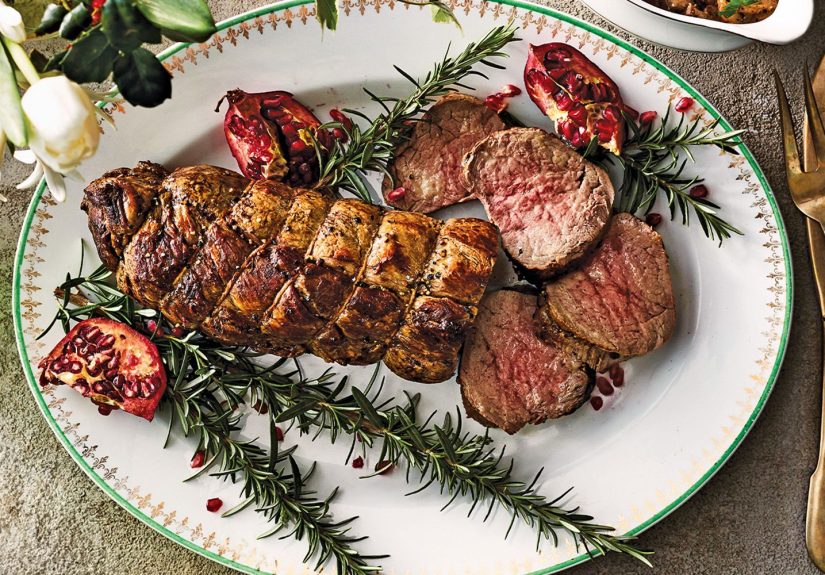
For most people, the sweet spot is medium-rare. That means a final internal temperature of 130–135°F. Because the meat keeps cooking after you pull it (carryover cooking), you’ll usually want to remove it from heat at 125–130°F, then rest it.
- Best overall target (most popular): Medium-rare, final 130–135°F
- Pull temperature (to avoid overshooting): 125–130°F
- Food-safety minimum (whole cuts): 145°F with a 3-minute rest (more on that below)
Why Temperature Matters More Than Time (Yes, Even More Than Your Timer)
Beef tenderloin is lean. Lean meat has a smaller window between “juicy” and “why is my mouth suddenly desert-themed?” The protein structure changes quickly as heat rises:
- Too low: It can be underdone for your preference (and may feel a bit mushy).
- Just right: Tender, juicy, clean beef flavor, minimal gray band.
- Too high: It dries out fastbecause there isn’t much fat to cushion your mistakes.
Time is unreliable because roasts vary in thickness, starting temperature, oven accuracy, and even how windy your kitchen feels when someone dramatically opens the door “just to check.” Internal temperature doesn’t care about your drama. It tells the truth.
Beef Tenderloin Temperature Chart (Pull vs Final)
Use this as your practical roadmap. “Pull temperature” is when you remove it from heat. “Final temperature” is what you expect after resting (carryover cooking typically adds about 5–10°F for a roast; less for small steaks).
| Doneness | Pull Temperature | Final Temperature | What It Looks/Feels Like |
|---|---|---|---|
| Rare | 120–125°F | 125–130°F | Cool red center, very soft |
| Medium-rare (recommended) | 125–130°F | 130–135°F | Warm red center, juicy, tender |
| Medium | 135–140°F | 140–145°F | Pink center, firmer bite |
| Medium-well | 145–150°F | 150–155°F | Faint pink, noticeably drier |
| Well-done | 155°F+ | 160°F+ | Little to no pink, dry risk is high |
Food Safety: Do You Really Need 145°F?
Official food-safety guidance for whole cuts of beef (steaks/roasts) commonly lists a minimum internal temperature of 145°F followed by a 3-minute rest. That standard is designed to reduce risk from pathogens. However, many cooks prefer beef tenderloin at lower temperatures (especially medium-rare).
Here’s the practical reality without the scare tactics: on intact, whole cuts, most bacteria live on the surface. If you sear or roast properly, the exterior gets plenty hot. The inside is typically sterile unless the meat has been mechanically tenderized or punctured extensively. Still, there’s always some risk, and it’s your job to pick your comfort level.
- If serving higher-risk guests (pregnant, elderly, immunocompromised): consider cooking closer to the official minimum.
- If cooking medium-rare: buy from a reputable source, handle safely, avoid long room-temp sitting, and sear/roast thoroughly.
- Ground beef is different: it needs higher temps because bacteria can be mixed throughout.
The Best Temperature by Cooking Method
1) Traditional Oven Roast (Classic, Reliable, “Holiday Energy”)
For a beef tenderloin roast, a common strategy is high heat early for browning, then a moderate oven to finish gently. Your goal is still the same: pull at 125–130°F for medium-rare.
- Oven approach: Start hot (to brown), then finish at moderate heat for even cooking.
- Pull temp: 125–130°F (medium-rare)
- Rest: 10–20 minutes (bigger roast = longer rest)
Timing varies, but here’s a realistic example: a 3–4 lb center-cut tenderloin roast often takes roughly 30–50 minutes total depending on oven temp, thickness, and whether you seared first. Use time only as a reminder to start checking early.
2) Reverse Sear (Low-and-Slow First, Sear at the End)
Reverse searing is basically tenderloin’s love language. You cook it gently at a low oven temperature until it’s close to done, then finish with a hard sear for crust. This method helps reduce the gray overcooked band and makes doneness more even.
- Low oven temp: about 200–250°F
- Cook until internal temp: ~115–125°F depending on final doneness
- Then sear: hot pan, grill, or blast under high heat briefly
- Final temp goal: 130–135°F (medium-rare)
Bonus: reverse sear is forgiving. It’s like driving with a giant wide shoulderif you get distracted for a minute, you’re less likely to crash straight into “well-done.”
3) Grill-Roasting (For People Who Think Smoke Is a Personality Trait)
Grilling beef tenderloin works beautifully, especially if you use a two-zone setup (hot side for searing, cooler side for finishing).
- Sear: 1–3 minutes per side over high heat for color
- Finish: move to indirect heat until internal temp hits your pull target
- Pull temp: 125–130°F for medium-rare
A leave-in probe thermometer is your best friend here. It lets you close the lid and stop poking the meat every 90 seconds like it owes you money.
4) Sous Vide (Precision Mode: Activated)
If you want near-guaranteed perfection, sous vide is the cheat codelegal, encouraged, and delicious. You set the water bath to your exact desired final temperature, then finish with a quick sear for crust.
- Medium-rare sous vide temp: about 129–134°F
- Then sear quickly: ripping-hot pan or grill, 30–90 seconds per side
- Result: edge-to-edge doneness with minimal guesswork
The key is the sear: you want color without raising the interior temperature much. Pat the meat very dry before searing (water is the enemy of browning and the friend of sadness).
Where to Stick the Thermometer (Because “Somewhere in the Middle” Isn’t a Strategy)
Accurate temperature reading is everything. For a tenderloin roast:
- Insert the probe into the thickest part of the center.
- Avoid touching the pan, rack, or any large fat seam (tenderloin is lean, but it can have a little).
- If it’s tapered, consider folding the skinny tail under and tying so it cooks evenly.
- For steaks/filet mignon, insert from the side into the center for a more accurate core reading.
Use an instant-read thermometer to verify, and a leave-in probe when roasting if you have one. This isn’t being extra. This is being right.
Carryover Cooking: The Sneaky Heat That Finishes the Job
Once you remove tenderloin from heat, the outside is hotter than the center. Heat keeps traveling inward while it rests. That’s carryover cooking, and it’s why “I cooked it perfectly, then it got overdone” is a universal kitchen heartbreak story.
As a general guide:
- Small steaks: may rise only a few degrees while resting
- Roasts: often rise 5–10°F (sometimes more if cooked at high heat)
Example: If you want medium-rare at 132°F, pull the roast around 125–127°F, rest it, then slice. The meat juices also redistribute during resting, so you get more juicy bites and fewer “why is the cutting board a soup bowl?” moments.
Best Practices for Flavor (Because Tender Doesn’t Automatically Mean Delicious)
Salt Early (Dry Brine)
Tenderloin is mild. Salting ahead helps. If you can, salt the roast and leave it uncovered in the fridge for several hours (or overnight). This seasons deeper and dries the surface for better browning.
Don’t Over-Tempering the Meat
Many recipes say “bring to room temperature.” In real kitchen tests, the internal temp often doesn’t rise much even after a long sit, and leaving meat out too long adds food-safety risk. A short 20–30 minute sit while you prep is fine, but you don’t need a two-hour countertop spa day to cook evenly.
Sear for Crust, Not for Doneness
Searing is about flavor (Maillard reaction), not cooking the inside. Get a great crust, then rely on controlled heat and temperature monitoring to land the perfect interior.
Common Tenderloin Temperature Mistakes (And How to Avoid Them)
- Mistake: Cooking by time alone.
Fix: Start checking early with a thermometer. - Mistake: Pulling at the final target temp.
Fix: Pull 5–10°F early for a roast. - Mistake: Skipping rest.
Fix: Rest 10–20 minutes; tent loosely with foil if needed. - Mistake: Uneven shape cooks unevenly.
Fix: Tie the roast, tuck the tail, aim for uniform thickness. - Mistake: Slicing wrong.
Fix: Cut across the grain; use a sharp knife and confident energy.
Serving Temperatures and Slicing Tips
Tenderloin is best served warm, not piping hot. After resting, slice into medallions (for filet-style servings) or thicker slices for a “steakhouse platter” effect. If you want to be extra in the best way, serve with:
- Pan sauce (shallots + stock + butter) or red wine reduction
- Peppercorn cream sauce (classic steakhouse)
- Herb butter (because butter is basically applause you can eat)
Real-Kitchen Experiences: What Cooking Tenderloin Teaches You (An Extra of Wisdom, Earned the Delicious Way)
The first time I cooked beef tenderloin for a crowd, I treated the thermometer like a “nice-to-have.” I had read a few recipes, I had confidence, and I had exactly the wrong amount of arrogance. The roast came out looking gorgeousdeeply browned, smelling like a fancy restaurant, and making everyone in the kitchen suddenly “just wander in” to see what was happening. I sliced it immediately because I wanted to show off.
What happened next was a masterclass in why resting matters: juices ran everywhere. The slices looked a little drier by the minute, and the center kept climbing in temperature because the roast was basically still cooking on the cutting board. The flavor was good, but it wasn’t the velvet, melt-in-your-mouth experience I expected from a premium cut. That’s when I learned the tenderloin truth: you don’t “finish” tenderloin by cooking it longer. You finish it by pulling it early and letting physics do the last step.
A few attempts later, I started aiming for a final medium-rare and pulling the roast around 125–127°F. The difference was instant. After a proper rest, the center landed right in that 130–135°F zone, and the slices stayed juicy. The meat didn’t just taste tender; it tasted expensivein the best way. (The kind of expensive that makes you chew slower and nod like you’re judging a cooking show.)
I also learned that tenderloin is extremely honest about your oven. If your oven runs hot, tenderloin will tattletale by overcooking. If your oven cycles wildly, tenderloin will expose it like an investigative journalist. Using a probe thermometer was a game-changer. Instead of opening the oven repeatedly “to check,” I could watch the temperature climb steadily. Fewer door openings meant steadier heat, which meant more even doneness and less gray band around the edges.
Then I tried reverse sear for the first timelow oven, slow roast, then a quick sear at the end. It felt almost too calm, like cooking should be more stressful to count as “real.” But the results were the most consistent I’d ever gotten: pink from edge to edge, tender as promised, and a crust that made a satisfying little crackle when I sliced. Reverse sear taught me a different lesson: when you go gentle first, you get more control. And tenderloin is all about control.
Finally, I learned to respect the shape. Tenderloin tapers, and the skinny end will overcook if you ignore it. Tucking and tying the tail felt fussy the first timelike something only people with monograms do. But it works. The roast cooks more evenly, and you don’t end up with one end medium-well while the center is perfect. That’s not a “technique” as much as it is basic kindness to your future self.
So if you take anything from these experiences, let it be this: the best temperature for beef tenderloin isn’t just a numberit’s a plan. Pick your final doneness, pull early, rest properly, and let the thermometer be the adult in the room. Your tenderloin will thank you. Your guests will thank you. And you’ll thank youespecially when you’re eating leftovers like a champion.
Conclusion
The best temperature for beef tenderloin depends on how you like it, but medium-rare is the crowd-pleasing champion: 130–135°F final, pulled at 125–130°F and rested. Use a thermometer, respect carryover cooking, and don’t let a timer bully you into overcooking a premium cut. Nail the temperature, and tenderloin becomes what it was always meant to be: effortlessly elegant, ridiculously tender, and quietly smug about it.