Table of Contents >> Show >> Hide
- Why The Da Vinci Code Still Gets People Talking
- Ranking The Da Vinci Code Experience: From Best To Most Debated
- The Movie Ranking: Successful Adaptation Or Overstuffed Puzzle?
- Ranking The Biggest Opinions About The Da Vinci Code
- The Da Vinci Code Compared With Other Robert Langdon Stories
- Why The Controversy Made It Bigger
- Best Characters Ranked
- Best Plot Twists Ranked
- Final Verdict: Where Does The Da Vinci Code Rank?
- Personal Reading And Viewing Experience: Why This Story Still Works
- Conclusion
Note: This article is written for web publication and synthesizes real background, reader reactions, film reception, and cultural discussion without inserting source links into the article body.
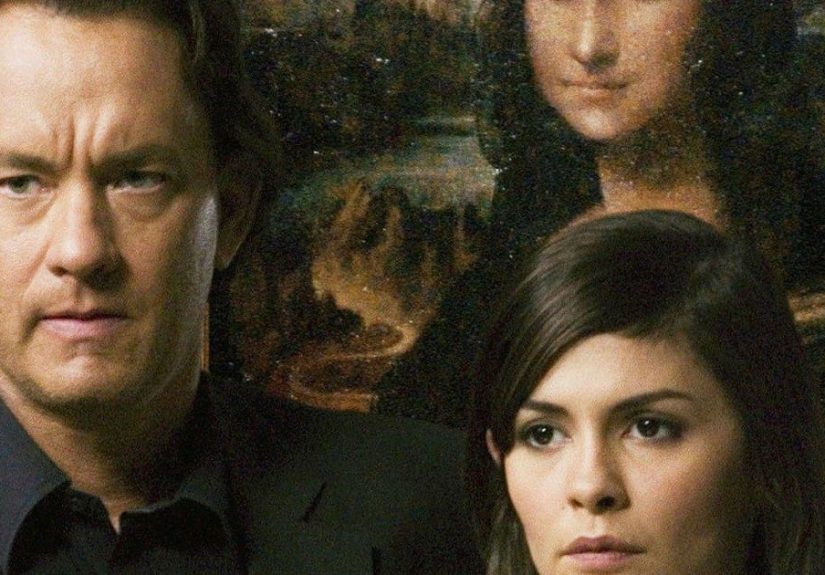
Few modern thrillers have caused as much arguing, page-turning, eye-rolling, late-night Googling, and “wait, is that actually true?” energy as The Da Vinci Code. Dan Brown’s 2003 novel became a worldwide phenomenon by combining murder mystery, religious controversy, art history, secret societies, cryptic symbols, and enough cliffhangers to make a reader miss three subway stops. Then came the 2006 movie adaptation directed by Ron Howard and starring Tom Hanks, Audrey Tautou, Ian McKellen, Paul Bettany, Jean Reno, and Alfred Molina. The result? A franchise that people still rank, debate, defend, criticize, and revisit like a puzzle box that refuses to stay closed.
This article ranks the major parts of The Da Vinci Code experience: the book, the film, the characters, the twists, the controversies, the legacy, and the opinions that keep the story alive. Is it great literature? Not exactly. Is it a masterclass in suspense? Often, yes. Is it historically reliable? Definitely not as a documentary. But as a pop-culture thriller, The Da Vinci Code remains one of the most fascinating entertainment events of the 21st century.
Why The Da Vinci Code Still Gets People Talking
The secret to The Da Vinci Code is not that it solved history. It is that it made history feel like an escape room. The story begins with a murder in the Louvre Museum, then sends Harvard symbologist Robert Langdon and cryptologist Sophie Neveu racing through clues hidden in paintings, architecture, documents, rituals, and religious legends. It is part detective story, part treasure hunt, part conspiracy thriller, and part “please do not bring this up at Thanksgiving dinner unless your family enjoys theological debates with mashed potatoes.”
Its appeal comes from momentum. Brown’s chapters are short, the puzzles are constant, and the stakes keep rising. The book does not ask readers to admire long paragraphs of literary fireworks. It asks them to turn the page. Then another. Then another. Suddenly it is 2:14 a.m., your tea is cold, and you are suspicious of every museum docent on Earth.
Ranking The Da Vinci Code Experience: From Best To Most Debated
1. The Novel: The Strongest Version Of The Story
The book ranks first because it is where the concept works best. The Da Vinci Code is built like a maze, and novels are excellent maze machines. Readers can slow down, reread clues, imagine the locations, and enjoy the intellectual chase without waiting for actors to explain everything in long bursts of dialogue. The novel’s structure is addictive: danger, clue, revelation, betrayal, repeat. It is not subtle, but neither is a roller coaster, and people still line up for those.
As a thriller, the book’s greatest strength is pacing. Brown knows how to end a chapter with just enough tension to make stopping feel irresponsible. Robert Langdon may sometimes explain symbols like a professor trapped in a trivia tournament, but the story moves so quickly that the exposition becomes part of the rhythm. For many readers, this is the definitive Da Vinci Code experience: clever, controversial, dramatic, and proudly overstuffed.
2. The Central Mystery: A Pop-Thriller Gold Mine
The central mystery deserves a high ranking because it takes familiar cultural objects and makes them feel newly suspicious. The Mona Lisa, The Last Supper, the Holy Grail, the Louvre, Westminster Abbey, secret orders, ancient codesthese are not obscure ingredients. They are recognizable enough to hook casual readers, yet mysterious enough to feel dramatic. Brown’s real trick is not inventing every idea from scratch. It is arranging existing myths, theories, artworks, and symbols into a fast-moving thriller that feels like a scavenger hunt through Western culture.
That is why the story became so widely discussed. Even people who disliked the book often wanted to talk about it. The premise was provocative enough to trigger debate, but accessible enough for airport bookstores, book clubs, movie fans, and casual readers. In ranking terms, the mystery is the franchise’s engine. Without it, the story would just be a stressed professor having a very bad night in Paris.
3. Sophie Neveu: The Most Underrated Character
Sophie Neveu often gets less attention than Robert Langdon, but she deserves a strong ranking. She is not simply “the person standing next to the professor while he explains symbols.” In the novel, her personal connection to the mystery gives the plot emotional weight. She is a cryptologist, a grieving granddaughter, and a character whose family history becomes central to the story’s biggest revelations.
In the film, Audrey Tautou gives Sophie a calm intelligence that helps balance the chaos. The movie does not always give her as much depth as the book does, but she remains essential. Without Sophie, the plot would lose its human center. Langdon may decode symbols, but Sophie gives the mystery a heartbeat.
4. Sir Leigh Teabing: The Scene-Stealer
Sir Leigh Teabing ranks near the top because he is one of the most memorable figures in the story. He is eccentric, theatrical, witty, scholarly, and dangerous in the way only a wealthy conspiracy obsessive with too much free time can be. Ian McKellen’s film performance adds extra sparkle, turning Teabing into the kind of character who seems delighted to be both host and chaos generator.
Teabing works because he embodies the seductive side of conspiracy thinking. He is charming, articulate, and persuasive. He can make a wild theory sound like a dinner lecture with better lighting. That makes him entertaining, but also thematically useful. The Da Vinci Code is partly about how stories can be used to reveal truth, distort truth, or replace truth entirely. Teabing sits right in the middle of that tension, sipping tea and causing problems.
5. Robert Langdon: Smart, Steady, And Surprisingly Calm
Robert Langdon is a curious hero because he is less action star and more emergency lecturer. His superpower is pattern recognition. He sees symbols, codes, historical references, and hidden meanings where everyone else sees old walls and museum labels. In the book, this makes him a perfect guide through the maze. In the film, Tom Hanks gives Langdon a grounded, slightly weary quality, as if he knows every vacation he takes will eventually involve murder, religious history, and running in dress shoes.
Langdon is not the flashiest thriller protagonist, but that is part of the appeal. He is not a spy, assassin, or superhero. He is an academic who keeps getting pulled into world-shaking mysteries. His calmness makes the absurdity around him easier to accept. When the plot gets wild, Langdon remains the person pointing at a symbol and saying, essentially, “Actually, this goes back several centuries.”
The Movie Ranking: Successful Adaptation Or Overstuffed Puzzle?
The 2006 film version of The Da Vinci Code is one of those movies that made enormous money while critics sharpened their knives. It was commercially successful, but critical response was mixed to negative. That split is important. Audiences came for the mystery, the cast, the controversy, and the chance to see famous European locations turned into a cinematic treasure map. Critics often complained that the film was too talky, too serious, too long, and too dependent on characters explaining the plot rather than living it.
Both sides have a point. As a movie, The Da Vinci Code has atmosphere, strong production design, and an excellent supporting cast. Ron Howard directs it with polish, and Hans Zimmer’s score gives the story a sense of sacred thunder. However, the film also struggles with the basic challenge of adapting a clue-heavy novel. What feels exciting on the page can become clunky on screen when characters must stop every few minutes to explain a symbol, a painting, a bloodline, a secret order, or why everyone should be running immediately.
Best Film Element: Atmosphere
The film’s strongest quality is atmosphere. The Louvre, churches, mansions, shadowy corridors, candlelit rooms, and rainy streets all help create a mood of intellectual danger. Even when the dialogue becomes dense, the movie often looks and sounds like a serious mystery unfolding inside a very expensive museum after closing time.
Weakest Film Element: Exposition Overload
The weakest part of the film is the heavy exposition. The characters explain so much that the movie occasionally feels like a graduate seminar interrupted by car chases. The book can get away with this because readers control the pace. A film has less flexibility. When too many revelations arrive through speeches, the suspense can slow down.
Most Rewatchable Scene: The Last Supper Discussion
The Last Supper sequence remains one of the most memorable parts of the story because it captures the exact flavor of The Da Vinci Code: famous art, hidden interpretation, bold claims, dramatic music, and the feeling that every painting in a museum might be whispering secrets. Whether viewers accept the theory or not, the scene is classic Dan Brown entertainment.
Ranking The Biggest Opinions About The Da Vinci Code
Opinion 1: “It Is A Brilliant Thriller”
This opinion is easy to understand. The novel is fast, accessible, and packed with hooks. It gives readers the pleasure of feeling like they are solving a grand historical mystery from the comfort of a couch. It also blends high culture with beach-read momentum. That combination is rare. People who love the book usually praise its suspense, puzzles, short chapters, and ability to make art history feel thrilling.
Opinion 2: “It Is Bad History”
This is one of the most common criticisms, and it is fair when the book is treated as factual history. The story uses real locations, real artworks, and real religious references, but it arranges them into fiction. Some of its claims and implications have been strongly disputed by historians, theologians, and religious organizations. The safest way to enjoy The Da Vinci Code is as a thriller inspired by historical material, not as a textbook wearing a trench coat.
Opinion 3: “The Writing Is Clunky But Addictive”
This may be the most balanced opinion. Many readers admit the prose is not elegant, yet still find the book almost impossible to put down. Brown’s style is direct, dramatic, and engineered for suspense. Characters sometimes speak in convenient explanations. Cliffhangers arrive with mechanical precision. But the machine works. Complaining about the prose while staying up all night to finish the book is practically a rite of passage.
Opinion 4: “The Movie Is Not As Good As The Book”
This is probably the dominant fan opinion. The movie has strong ingredients, but the novel’s puzzle-box structure works better in print. The film is handsome and serious, but it cannot fully recreate the internal thrill of decoding clues at reading speed. Still, the movie has value as a visual companion to the book, especially for viewers who enjoy atmospheric mysteries and big-cast adaptations.
The Da Vinci Code Compared With Other Robert Langdon Stories
Within the Robert Langdon series, The Da Vinci Code usually ranks at or near the top because it has the most iconic premise. Angels & Demons has a strong thriller structure and a faster cinematic energy, while Inferno has a darker global-health angle and The Lost Symbol leans into American symbols and Masonic mythology. But The Da Vinci Code remains the cultural giant. It is the one casual readers remember. It is the title that turned Robert Langdon into a household name. It is the book that made millions of people suddenly very interested in Renaissance art and secret societies.
From a ranking perspective, The Da Vinci Code wins on impact. Other Langdon stories may have cleaner plotting in places, but none matched the shockwave of Brown’s Louvre-to-London mystery. It became more than a novel. It became a conversation, a controversy, a movie franchise, a tourism boost, a parody target, and a publishing case study.
Why The Controversy Made It Bigger
Controversy did not hurt The Da Vinci Code. It supercharged it. The book’s religious theories, especially those involving Jesus, Mary Magdalene, the Holy Grail, Opus Dei, and the Priory of Sion, made it a lightning rod. Religious leaders criticized it. Historians challenged it. Readers debated it. News programs discussed it. Bookstores sold more copies. The public, being the public, heard “controversial secret history thriller” and immediately leaned closer.
The controversy also gave the book a strange dual identity. For some readers, it was just a fun mystery. For others, it was a provocative challenge to traditional narratives. For critics, it was an example of fiction blurring too aggressively into pseudo-history. That tension is why people still discuss it. A simple thriller can fade. A thriller that makes people argue about art, faith, evidence, and interpretation tends to stick around.
Best Characters Ranked
1. Sophie Neveu
Sophie ranks first because her emotional connection to the mystery gives the story depth. She is intelligent, capable, and central to the final revelations.
2. Sir Leigh Teabing
Teabing is the most entertaining character. He brings wit, obsession, charm, and danger. Every scene with him feels more alive.
3. Robert Langdon
Langdon is the reliable guide. He may not be explosive, but his knowledge and calm presence hold the story together.
4. Silas
Silas is tragic, frightening, and memorable. The character adds intensity, though some portrayals of his religious extremism remain controversial.
5. Bezu Fache
Fache begins as a classic hard-edged investigator, but his role adds pressure and urgency to the early chase.
Best Plot Twists Ranked
1. Sophie’s Family Revelation
This is the emotional core of the story. It connects the grand historical conspiracy to a personal identity crisis, giving the ending more weight than a simple treasure reveal.
2. Teabing’s True Role
The Teabing twist works because he is so entertaining that readers may not want to suspect him. His betrayal fits the story’s theme of obsession disguised as scholarship.
3. The Holy Grail Reinterpretation
This is the idea that made the book famous. It is bold, controversial, and unforgettable as a fictional device.
4. The Cryptex Clues
The cryptex gives the story a tangible puzzle object. It is exactly the kind of prop that makes readers think, “I want one,” even though most of us would forget the password immediately.
Final Verdict: Where Does The Da Vinci Code Rank?
As literature, The Da Vinci Code is divisive. As history, it should be handled with extreme caution. As a film, it is polished but uneven. As a thriller concept, it is elite. As a cultural phenomenon, it ranks near the top of modern popular fiction. Few books have made symbols, paintings, religious history, and museum corridors feel so dramatic to such a massive audience.
The best way to rank The Da Vinci Code is this: it is not the most beautifully written thriller, but it is one of the most effective. It is not the most accurate historical novel, but it is one of the most discussed. It is not the best movie adaptation of a bestseller, but it remains memorable because the story itself is so sticky. Love it, hate it, or laugh at its dramatic excess, The Da Vinci Code earned its place in pop-culture history.
Personal Reading And Viewing Experience: Why This Story Still Works
Experiencing The Da Vinci Code today is a little different from encountering it during its original explosion. Back then, it felt like everyone was reading it, arguing about it, or pretending they had not read it while secretly knowing exactly what a cryptex was. Today, the hype has cooled, which makes the story easier to judge on its actual entertainment value. And honestly, it still worksespecially if you approach it with the right expectations.
The most enjoyable way to read the novel is to treat it as a puzzle thriller, not a history lecture. Once that mental switch flips, the ride becomes much more fun. The short chapters create a sense of constant motion. The clues are theatrical, the stakes are enormous, and the characters behave as if every old painting might explode with meaning. Is it subtle? No. But subtlety is not always the point. Sometimes you want a quiet literary novel. Sometimes you want a professor sprinting through Europe because a dead curator arranged his final message like the world’s most stressful art assignment.
One of the most interesting experiences is rereading the book after knowing the major twists. The first read is all momentum. The second read reveals how carefully the story is built for suspense. Brown plants questions constantly: Who can be trusted? What does the symbol mean? Why was this clue left behind? What is Teabing really after? Even when the answers are outrageous, the questions are effective. The book understands that curiosity is fuel.
Watching the movie after reading the book creates a different reaction. The film looks serious, expensive, and atmospheric, but it also shows how difficult the novel is to adapt. A page of explanation can feel exciting when you are reading quickly; on screen, the same information can feel like someone paused the thriller to deliver a museum audio guide. Still, the film has pleasures of its own. The cast is strong, the locations are beautiful, and Hans Zimmer’s music adds a grand, almost sacred intensity. Ian McKellen’s Teabing, in particular, gives the adaptation a jolt of theatrical energy whenever it risks becoming too solemn.
The biggest personal takeaway is that The Da Vinci Code is best enjoyed as a conversation starter. It makes people ask what they believe, how they interpret symbols, why mysteries attract us, and how fiction can reshape public curiosity. Some readers come away fascinated by Renaissance art. Others want to learn more about early Christianity, secret societies, or the history behind the myths. Some simply enjoy the chase. That range of reactions is part of the book’s staying power.
There is also something charming about how confidently dramatic the whole thing is. Every clue matters. Every painting hides a secret. Every old building seems to contain a revelation. In real life, most historical research involves dusty archives, careful citations, and someone saying, “Actually, it is more complicated than that.” In The Da Vinci Code, history arrives with dramatic lighting and a ticking clock. That is not reality, but it is undeniably entertaining.
For new readers, the best advice is simple: enjoy the ride, then fact-check the scenery. Let the novel be thrilling, but do not let it be your only source for history or theology. For returning fans, the pleasure is nostalgia mixed with renewed appreciation for how powerfully the book captured public imagination. For skeptics, it is still worth studying as a publishing phenomenon. Few stories have blended controversy, accessibility, and suspense so successfully.
In the end, The Da Vinci Code remains a rare kind of blockbuster: a brainy-looking thriller that became mainstream without losing its weirdness. It made people care about symbols. It turned museum art into plot evidence. It made a Harvard professor seem like an action hero, which is no small miracle. Most importantly, it reminded readers that the right mystery can make the familiar world feel secret again.
Conclusion
The Da Vinci Code continues to inspire rankings and opinions because it sits at the crossroads of entertainment, controversy, mystery, and cultural curiosity. The novel remains the strongest version of the story, the film remains a visually rich but uneven adaptation, and the overall phenomenon remains one of the most memorable pop-thriller events of the modern era. Whether you rank it as a guilty pleasure, a brilliant page-turner, an overhyped controversy, or a flawed classic, one thing is certain: people are still talking about it. For a mystery built around hidden meanings, that may be the greatest clue of all.