Table of Contents >> Show >> Hide
- 1. Chanel: Gabrielle “Coco” Chanel, the Woman Who Freed Fashion
- 2. Dior: Christian Dior, the Quiet Man Behind the “New Look”
- 3. Louis Vuitton: Louis Vuitton, the Trunk Maker Who Packed the Future
- 4. Gucci: Guccio Gucci, the Bellhop Who Turned Luggage Into Legend
- 5. Prada: Mario Prada, Miuccia Prada, and the Art of Intelligent Luxury
- 6. Balenciaga: Cristóbal Balenciaga, the Master Tailor’s Tailor
- 7. Versace: Gianni Versace, the Showman Who Made Fashion Dangerous Again
- 8. Burberry: Thomas Burberry, the Weather Problem Solver
- 9. Fendi: Adele and Edoardo Fendi, the Family Behind Roman Luxury
- 10. Saint Laurent: Yves Saint Laurent and Pierre Bergé, the Dreamer and the Strategist
- What These Founder Stories Reveal About Luxury Fashion
- Experience Notes: What We Learn by Looking Behind the Label
- Conclusion
Luxury fashion can feel like it was born fully dressed: immaculate boutiques, whispered French names, Italian leather that costs more than a weekend getaway, and runway shows where nobody seems surprised by anything. But behind every famous fashion house is a very real personsometimes a rebellious orphan, sometimes a luggage maker, sometimes a former draper’s apprentice who simply hated soggy coats.
The story of fashion houses is not only about silk, suits, handbags, and red carpets. It is about ambition, survival, timing, craft, family drama, clever business partners, and the occasional design decision that changed how the world got dressed. These founders were not logos. They were people with stubborn ideas, unusual backgrounds, and enough creative nerve to make the public say, “Wait, are we wearing that now?”
Here are the real people behind 10 famous fashion housesand why their stories still matter in modern luxury fashion.
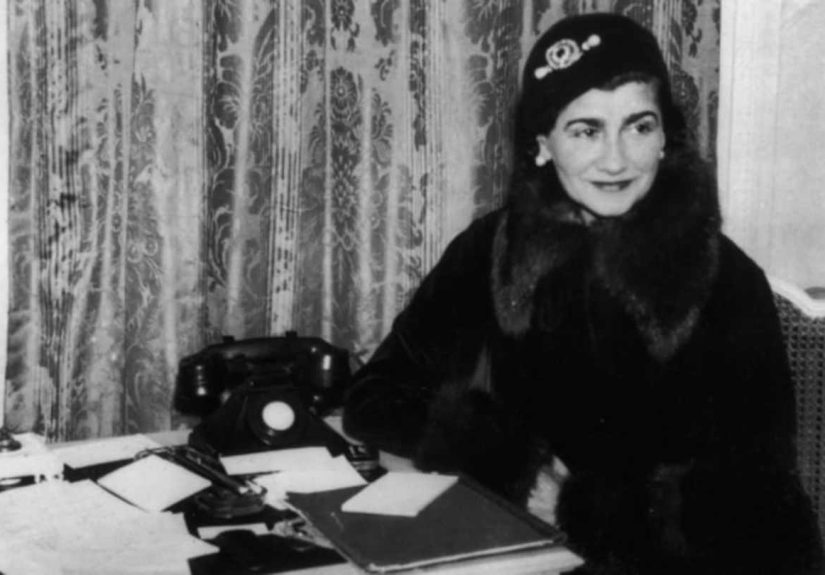
1. Chanel: Gabrielle “Coco” Chanel, the Woman Who Freed Fashion
Before Chanel became a symbol of quilted handbags, tweed jackets, and No. 5 perfume, it was Gabrielle Chanel’s answer to a world that expected women to dress like decorative furniture. Born in 1883, Chanel grew up far from luxury. Her early life was marked by poverty, instability, and time in a convent orphanage, where she learned sewing skills that would later become her escape route.
Her nickname, “Coco,” came from her brief career as a café singer. Luckily for fashion history, her true talent was not belting out songs but editing clothes down to their most elegant essentials. Chanel began with hats, then moved into clothing that rejected the stiff, corseted look of the early 20th century. She borrowed ideas from menswear, sportswear, and workwear, turning jersey fabric into something chic instead of merely practical.
Chanel’s genius was not just designit was attitude. She understood that modern women needed movement, comfort, and independence. The little black dress, the Chanel suit, costume jewelry, and Chanel No. 5 all helped build a fashion house around a new kind of woman: polished, mobile, and not interested in fainting dramatically because her corset was too tight.
2. Dior: Christian Dior, the Quiet Man Behind the “New Look”
Christian Dior did not look like a fashion revolutionary. He was soft-spoken, superstitious, and more comfortable with flowers than fame. Yet in 1947, his first major collection changed the direction of postwar fashion almost overnight.
Dior was born into a wealthy French family and originally seemed destined for a conventional life. Instead, he opened an art gallery, experienced financial hardship, and eventually found his way into fashion illustration and design. When he launched the House of Dior, Europe was still recovering from World War II. Clothes had been practical and rationed. Then Dior introduced rounded shoulders, tiny waists, full skirts, and unapologetic femininity.
The look was dramatic, expensive, and controversial. Some critics thought it used too much fabric at a time when austerity still felt morally correct. But women around the world were ready for beauty, fantasy, and a little theatrical swish. Dior’s “New Look” became one of the most important fashion moments of the 20th century.
Behind the grandeur was a designer who loved gardens, architecture, and elegance with structure. Dior’s legacy proves that a fashion house can be built on romancebut romance still needs expert tailoring.
3. Louis Vuitton: Louis Vuitton, the Trunk Maker Who Packed the Future
Before Louis Vuitton became a global luxury powerhouse, Louis Vuitton was a young craftsman who walked to Paris and learned how to pack other people’s belongings. Not glamorous? Maybe. Useful? Absolutely. In the 19th century, travel was becoming more common among wealthy Europeans, and luggage was a serious business.
Vuitton trained as a box maker and packer, a profession that required precision, problem-solving, and discretion. In 1854, he opened his own workshop in Paris. His great breakthrough was the flat-topped trunk. Earlier trunks often had rounded lids, which made sense for rain but not for stacking. Vuitton’s rectangular trunks were easier to pile, transport, and organize. In other words, he brought order to travel before airport security lines had the chance to ruin everyone’s mood.
The brand’s early identity came from craftsmanship and practical innovation. Later, his son Georges Vuitton expanded the house and helped develop the famous monogram, partly as a response to counterfeiting. Even in the 1800s, apparently, people were already trying to fake the good stuff.
Louis Vuitton’s story reminds us that luxury often begins with solving a real problem beautifully.
4. Gucci: Guccio Gucci, the Bellhop Who Turned Luggage Into Legend
Gucci began with Guccio Gucci, a Florentine who reportedly found inspiration while working at London’s Savoy Hotel. There, he observed wealthy travelers and their elegant luggage. He noticed how much status could be carried in a suitcase before the suitcase was even opened.
In 1921, Guccio Gucci founded his leather goods company in Florence. The city already had a strong tradition of craftsmanship, and Gucci built on that heritage with finely made luggage, saddlery-inspired details, and accessories. The house’s equestrian toucheshorsebit hardware, green-red-green stripes, and polished leatherwere not random decoration. They connected Gucci to leisure, travel, and aristocratic style.
Gucci’s family later helped expand the company internationally, although the family history became famously dramatic. Boardroom battles, legal fights, and personal scandals eventually became almost as well known as the loafers. Still, the brand survived because the original idea was strong: Italian craftsmanship with a glamorous, worldly edge.
Guccio Gucci saw that luxury was not just what people wore. It was how they arrived.
5. Prada: Mario Prada, Miuccia Prada, and the Art of Intelligent Luxury
Prada’s story begins in 1913, when Mario Prada opened a luxury goods shop in Milan. The early business specialized in fine leather goods, trunks, and accessories. Mario had a traditional view of the company, and like many men of his era, he did not imagine women leading the business. Fashion history, with perfect comic timing, had other plans.
Mario’s granddaughter, Miuccia Prada, eventually became the creative force who transformed Prada into one of the most intellectually interesting fashion houses in the world. Trained in political science and once involved in leftist theater and activism, Miuccia did not fit the stereotype of a luxury designer. That difference became her advantage.
In partnership with Patrizio Bertelli, she helped build a new Prada identity: minimal, strange, cerebral, and occasionally deliberately “ugly” in the most fashionable way possible. The black nylon backpack became a Prada icon because it challenged what luxury was supposed to look like. Instead of obvious sparkle, Prada offered utility, irony, and cool restraint.
The real people behind Prada show that luxury does not always have to shout. Sometimes it raises one eyebrow and lets everyone else catch up.
6. Balenciaga: Cristóbal Balenciaga, the Master Tailor’s Tailor
Cristóbal Balenciaga was not merely a designer. He was the designer other designers admired, feared, and studied like final exams. Born in Getaria, Spain, in 1895, Balenciaga learned about clothing through his mother, who worked as a seamstress. That early exposure gave him a deep understanding of fabric, fit, and construction.
He opened his first fashion house in Spain before moving to Paris during the Spanish Civil War. In Paris, Balenciaga became known for architectural shapes, sculptural silhouettes, and technical perfection. He could cut, sew, and construct garments himself, which gave him unusual authority in the couture world.
His designs often moved away from the body rather than simply decorating it. The tunic dress, sack dress, cocoon coat, and dramatic volumes of his later work influenced generations of designers. Christian Dior reportedly called him “the master,” and that was not fashion politenessit was professional awe.
Balenciaga’s legacy is a reminder that true innovation often begins at the cutting table. Before a garment becomes a mood, a statement, or a social media moment, it has to be built.
7. Versace: Gianni Versace, the Showman Who Made Fashion Dangerous Again
If some fashion houses whisper, Versace enters through double doors with gold lighting and a soundtrack. Gianni Versace founded his house in 1978 and brought a bold, sensual, celebrity-driven vision to Italian fashion. He was born in Reggio Calabria, Italy, and learned about dressmaking from his mother, who ran a sewing business.
Versace loved classical art, pop culture, theater, music, and the human body. His clothes were colorful, body-conscious, and fearless. Chainmail dresses, Medusa logos, baroque prints, safety-pin gowns, and supermodel runway moments turned Versace into a brand of confidence bordering on mythological drama.
Gianni also understood celebrity power before it became the fashion industry’s operating system. He dressed musicians, actors, and models in ways that made red carpets feel like cultural events. After his tragic death in 1997, his sister Donatella Versace became central to preserving and evolving the house’s identity.
The real people behind Versace understood that fashion could be glamorous, emotional, provocative, and a little dangerousin the best possible way.
8. Burberry: Thomas Burberry, the Weather Problem Solver
Thomas Burberry founded Burberry in 1856 when he was only 21 years old. A former draper’s apprentice, he was less interested in fragile decoration than in practical protection. His great innovation was gabardine, a breathable, weather-resistant fabric patented in the late 19th century.
Gabardine helped make Burberry outerwear lighter and more comfortable than many heavy coats of the time. Explorers, soldiers, and travelers adopted Burberry garments because they worked in difficult conditions. The trench coat, later associated with military use and timeless British style, became one of the most recognizable pieces in fashion history.
What makes Thomas Burberry fascinating is that he did not begin by asking, “How do I create a luxury status symbol?” He asked, “How do I help people stay dry and move freely?” The status came later. The practicality came first.
Burberry’s story proves that function can become fashion when the design is good enough. Also, never underestimate the commercial power of bad weather.
9. Fendi: Adele and Edoardo Fendi, the Family Behind Roman Luxury
Fendi began in Rome in 1925, when Adele and Edoardo Fendi opened a fur and leather goods workshop. Unlike brands built around one dominant founder, Fendi quickly became a family story. Their five daughtersPaola, Anna, Franca, Carla, and Aldalater helped expand the business and shape its identity.
The Fendi sisters brought energy, discipline, and modern thinking to the house. In 1965, they hired Karl Lagerfeld, who would become one of fashion’s longest-serving creative collaborators. Lagerfeld helped modernize Fendi’s fur work and introduced the famous double-F logo. The house later became known for the Baguette bag, playful luxury, and Roman sophistication with a wink.
Fendi’s real people were not just designers but family operators. They understood that a fashion house requires creativity, production, sales, image, and long-term stamina. The brand’s survival across generations shows how family businesses can evolve without losing their original character.
At Fendi, luxury has always felt like a Roman dinner party: polished, clever, slightly theatrical, and run by people who know exactly where everything is stored.
10. Saint Laurent: Yves Saint Laurent and Pierre Bergé, the Dreamer and the Strategist
Yves Saint Laurent was a prodigy. He became famous early, working at Dior and eventually leading the house after Christian Dior’s death. In 1961, he founded his own fashion house with Pierre Bergé, his business partner and longtime companion.
Saint Laurent changed fashion by bringing power, art, and gender play into women’s wardrobes. His most famous contribution, Le Smoking, introduced the tuxedo suit for women in 1966. It was elegant, sharp, and quietly rebellious. He also drew inspiration from art, global dress, street style, and youth culture, helping fashion move beyond old couture rules.
Pierre Bergé was essential to the house’s success. While Saint Laurent created, Bergé protected the business, managed the brand, and helped turn talent into an institution. Their partnership shows that fashion houses are rarely built by creativity alone. Someone has to negotiate contracts, control chaos, and make sure genius gets delivered on schedule.
Saint Laurent’s story is ultimately about transformation. He gave women clothes that suggested authority, mystery, and independence. He did not simply dress modern life; he helped define what modern elegance looked like.
What These Founder Stories Reveal About Luxury Fashion
When you study the real people behind fashion houses, a pattern appears: almost none of them began with “luxury” as a vague dream. They began with a problem, a skill, or a rebellion.
Chanel wanted women to move. Dior wanted beauty after hardship. Louis Vuitton wanted luggage to travel better. Guccio Gucci saw aspiration in hotel corridors. Thomas Burberry wanted outerwear to function. Balenciaga pursued construction with monk-like discipline. Gianni Versace turned sensuality into spectacle. Miuccia Prada made intelligence fashionable. Fendi turned family craftsmanship into Roman glamour. Yves Saint Laurent gave women tailoring with power.
The best fashion houses last because their founders created more than products. They created visual languages. A Chanel jacket, Dior waist, Gucci loafer, Prada nylon bag, Balenciaga volume, Versace print, Burberry trench, Fendi Baguette, Louis Vuitton trunk, or Saint Laurent tuxedo can be recognized because each one carries a point of view.
That is the difference between a brand and a fashion house. A brand sells things. A fashion house builds a world.
Experience Notes: What We Learn by Looking Behind the Label
Once you know the people behind famous fashion houses, the experience of looking at luxury changes completely. A handbag is no longer just a handbag. A coat is no longer just a coat. Even a perfume bottle starts acting suspiciously like a history lesson in good lighting.
Walk past a Chanel boutique after learning about Gabrielle Chanel, and the clean lines feel less like minimalism for minimalism’s sake. They feel like a woman cutting away the rules that once restricted her. The tweed jacket is not simply “classic”; it is part of a long argument for comfort, polish, and independence. That makes the clothing easier to understand, even for someone who has no plans to buy a jacket priced like a used car.
The same thing happens with Dior. A full skirt in a museum display might seem old-fashioned until you remember the timing of the New Look. After years of wartime shortage, Dior offered drama, softness, and abundance. Whether you love or question that silhouette, you can feel the emotional hunger behind it. Fashion was not just decoration; it was a response to history.
Louis Vuitton and Burberry are especially useful reminders that luxury often begins with practical experience. Vuitton understood travel because he packed trunks. Burberry understood outerwear because he studied weather, fabric, and movement. Their work teaches a simple lesson: usefulness ages better than gimmicks. The most durable style often starts with solving an everyday irritation beautifully.
Then there are houses like Versace and Saint Laurent, where the experience becomes more emotional. Versace teaches the power of confidence. The clothes say, “Enter the room like you own at least three chandeliers.” Saint Laurent teaches a quieter but equally strong lesson: elegance can be a form of authority. A tuxedo jacket on a woman was once shocking because it borrowed symbols of male power and made them chic.
For writers, stylists, shoppers, and fashion fans, these stories also make trend watching more interesting. Trends come and go quickly, but founder DNA remains. When Prada releases something strange, it makes sense because Miuccia Prada built a language around questioning taste. When Balenciaga experiments with volume or proportion, it connects back to Cristóbal Balenciaga’s architectural discipline, even if the modern version looks like it escaped from a very expensive spaceship.
The biggest experience-based takeaway is this: fashion becomes richer when you stop asking only, “Do I like it?” and start asking, “What idea is this carrying?” Some ideas are about freedom. Some are about status. Some are about craft, performance, rebellion, or survival. The real people behind fashion houses gave those ideas shape, stitch by stitch.
That is why their names still matter. The founders were human, imperfect, ambitious, and occasionally impossible. But they left behind design languages strong enough to outlive themand stylish enough to keep making the rest of us curious.
Conclusion
The real people behind 10 fashion houses were not distant fashion gods floating above the runway. They were workers, artists, rebels, technicians, business minds, and family builders. Their stories show that luxury fashion is not born from price tags alone. It comes from vision, craft, timing, and the courage to dress the future before everyone else knows what it looks like.
From Coco Chanel’s liberation of women’s clothing to Christian Dior’s romantic postwar silhouette, from Louis Vuitton’s practical trunks to Gianni Versace’s fearless glamour, these founders changed more than wardrobes. They changed how people imagined identity, movement, power, and desire. Their names became fashion houses because their ideas were strong enough to become worlds.
Note: This article is written in original editorial style for web publication and is based on real fashion history, founder biographies, and established brand heritage information.