Table of Contents >> Show >> Hide
- Why osteoporosis prevention cannot wait
- Who should be thinking about bone health right now?
- How to prevent osteoporosis: the habits that actually matter
- When to ask about osteoporosis screening
- Common mistakes people make with bone health
- A realistic prevention plan you can start now
- Real-life experiences: what prevention looks like outside the brochure
- Conclusion
- SEO Tags
If bone health had a PR team, it would beg for better timing. Osteoporosis usually shows up late, stays quiet for years, and then makes its grand entrance with a fracture that changes everything. That is why prevention matters so much. By the time many people think seriously about osteoporosis, the skeleton has already been doing a slow, invisible budget cut on bone density for years.
The good news is that osteoporosis is not a “well, I guess my bones are just freelancing now” situation. A lot of the risk can be reduced with habits that are both practical and surprisingly unglamorous: eating enough calcium and vitamin D, doing weight-bearing and strength-building exercise, protecting yourself from falls, avoiding smoking, keeping alcohol in check, and knowing when to ask about screening. In other words, prevention is less about magic and more about consistency.
This matters for women, especially around menopause, but it also matters for men, older adults, people on long-term steroid medications, and anyone with risk factors such as a small body frame, family history, low body weight, poor nutrition, or certain medical conditions. Strong bones are not built in one dramatic weekend of kale and dumbbells. They are built and protected over time. That is exactly why the time to prevent osteoporosis is now.
Why osteoporosis prevention cannot wait
Osteoporosis is often called a silent disease because bone loss happens without obvious symptoms. You do not usually get a polite warning email from your hips. Instead, the first clue may be a broken wrist after a minor fall, a compressed vertebra after lifting something awkward, or a hip fracture after a slip that should not have caused major damage. By then, the conversation has already shifted from prevention to damage control.
That silence is what makes early action so important. Bone is living tissue. It is constantly being broken down and rebuilt. In younger years, the body is generally better at building bone than losing it. Later, that balance changes. Bone loss can speed up with age, and for many women it accelerates after menopause. Waiting until you “feel old enough” to care about bone health is not a great strategy, because your bones have been keeping score the whole time.
Prevention also matters because fractures are not small events. They can trigger pain, disability, loss of independence, fear of movement, and a cycle of inactivity that weakens muscles and balance even more. That is especially true with hip and spine fractures. So yes, bone health may not be the flashiest wellness topic on the internet, but it deserves more attention than the average green juice.
Who should be thinking about bone health right now?
Pretty much everyone, but some groups should be especially alert. Women are at higher risk than men, particularly after menopause when estrogen drops and bone loss can speed up. Older adults also face higher risk because bone mass naturally declines with age and muscle loss can raise the odds of falling. But osteoporosis is not only an older woman issue. Men can develop it too, and the condition is often underrecognized in them.
People with additional risk factors should move bone health higher on the to-do list. That includes those with a family history of osteoporosis or fractures, a thin or small frame, low calcium or vitamin D intake, smoking, heavy alcohol use, sedentary habits, or long-term use of medications such as glucocorticoids. Certain health conditions can also raise risk, including endocrine disorders, inflammatory conditions, digestive diseases that affect nutrient absorption, and eating patterns that leave the body underfueled.
If any of that sounds familiar, that does not mean doom is marching toward your skeleton with a clipboard. It means prevention is especially worth your attention now, before low bone density becomes a bigger problem.
How to prevent osteoporosis: the habits that actually matter
1. Get enough calcium and vitamin D
This is the bone-health advice everybody has heard, and for once the classic is still worth playing. Calcium helps build and maintain bone, while vitamin D helps your body absorb calcium. Without enough of both, your body may pull calcium from your bones to keep other systems running. That is convenient for survival and terrible for your skeleton.
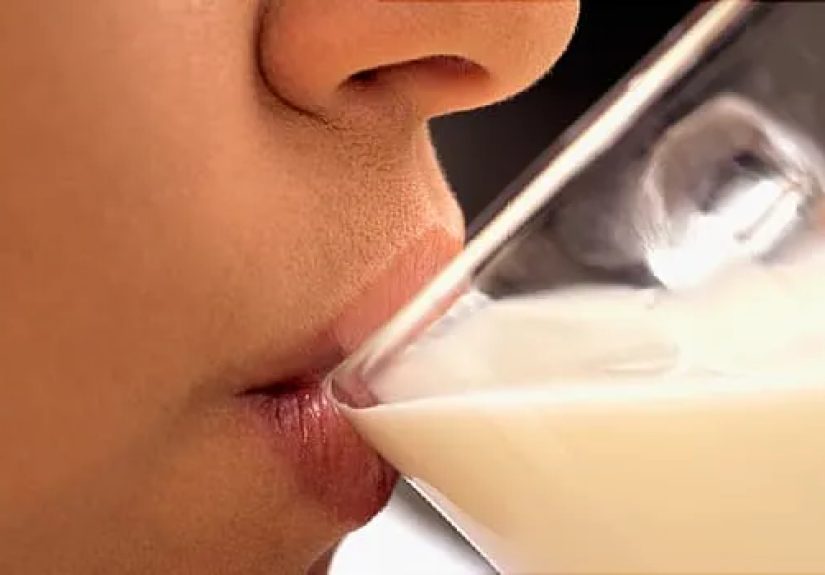
For many adults, daily calcium needs fall around 1,000 to 1,200 milligrams, and vitamin D needs often land around 600 to 800 IU depending on age and life stage. Food should do as much of the heavy lifting as possible. Good calcium sources include milk, yogurt, cheese, fortified plant milks, calcium-set tofu, canned salmon or sardines with bones, kale, bok choy, and fortified cereals or juices. Vitamin D is found in fatty fish, egg yolks, fortified dairy or nondairy milk, and fortified cereals, though many people still need supplements to meet their needs.
The goal is not to panic-buy every calcium gummy in a 10-mile radius. It is to know your intake, fill the gaps smartly, and talk with a healthcare professional if you suspect deficiency or have trouble meeting your needs through food.
2. Do weight-bearing exercise, not just “exercise-ish” exercise
All movement is helpful, but bone responds best to specific kinds of stress. Weight-bearing exercise means activities done on your feet so your bones work against gravity. Think brisk walking, hiking, dancing, stair climbing, tennis, or low-impact aerobics. Resistance training matters too. Lifting weights, using resistance bands, or doing body-weight moves like squats and lunges can help maintain or improve bone strength while also building muscle.
Here is where many well-meaning routines miss the mark: swimming and cycling are excellent for heart health, endurance, and mood, but they are not enough on their own for bone building because they are not strongly weight-bearing. They are good, just not the whole bone-health story.
The best plan usually includes three things: weight-bearing activity, strength training, and balance work. That last one matters because preventing falls is one of the smartest ways to prevent fractures. Tai chi, balance drills, controlled yoga, and lower-body strengthening can all help. Your future self would like to remain upright, so this is worth the effort.
3. Eat enough protein and do not diet your bones into a corner
Bone is not made of calcium alone. Protein supports bone structure and muscle health, which matters for stability and strength. A prevention plan built on coffee, crackers, and wishful thinking is not a prevention plan. Chronic under-eating, restrictive dieting, and rapid weight loss can all work against bone health, especially if they reduce calcium, protein, or overall energy intake.
A balanced eating pattern that includes protein, fruits, vegetables, whole grains, and calcium-rich foods tends to support bone health better than a patchy diet full of nutritional plot holes. This is especially important for teens and young adults building peak bone mass, but it still matters later in life when the goal shifts from building to preserving.
4. Stop smoking and keep alcohol moderate
Smoking is bad news for bones. It contributes to bone loss and raises fracture risk. Alcohol can also be a problem when intake is high, especially because it may weaken bone and increase fall risk. Neither habit tends to arrive alone, either. Smoking, heavy drinking, poor diet, and low activity often team up like the worst health group project in history.
If you smoke, quitting is one of the strongest bone-protective moves you can make. If you drink, moderation matters. This is not glamorous advice, but your skeleton is not asking for glamour. It is asking for less sabotage.
5. Fall-proof your life
A lot of fractures happen not just because bones are weaker, but because people fall. That means osteoporosis prevention is also a fall-prevention project. Check your vision and hearing. Review medications that may cause dizziness or drowsiness. Improve home lighting. Remove loose rugs and clutter. Use handrails. Wear supportive shoes instead of turning your hallway into an accidental skating rink.
Strength and balance training help here too. So does paying attention to foot pain, neuropathy, blood pressure changes, and anything else that makes you feel unsteady. Prevention is not only about density numbers on a scan. It is about creating a body and environment less likely to produce a fracture in the first place.
6. Review your medications and medical conditions
Some cases of osteoporosis are linked to medications or underlying illness. Long-term corticosteroid use is a major example. Certain endocrine disorders, gastrointestinal conditions, inflammatory diseases, and issues that affect hormone levels or nutrient absorption can also contribute. If you have one of these risk factors, bring it up with your clinician. Bone health should not be an afterthought buried under more obvious symptoms.
This is especially important if you have already had a low-trauma fracture, lost height, developed a stooped posture, or noticed persistent back pain. Those are not details to shrug off as “just getting older.” They can be clues that bone loss deserves real attention.
When to ask about osteoporosis screening
Prevention is lifestyle-based, but screening has an important role too. For women age 65 and older, screening is routinely recommended. For postmenopausal women younger than 65, screening may be appropriate if risk factors are present. That decision often involves a clinical risk assessment and may lead to a DXA scan, which measures bone mineral density.
For men, screening guidance is less straightforward, but higher-risk men should still talk to their healthcare professional about bone health, especially if they have a fracture history, long-term steroid exposure, low testosterone, or other significant risk factors. Screening is not about collecting medical hobbies. It is about catching a problem before it turns a simple fall into a major life event.
If you think screening sounds like something for a distant future version of you, remember this: prevention works best before the fracture, not after the cast.
Common mistakes people make with bone health
- Assuming osteoporosis only affects women: Women are at higher risk, but men are not off the hook.
- Thinking walking alone solves everything: Walking helps, but resistance training and balance work matter too.
- Focusing on supplements while ignoring diet: Pills cannot fully replace a consistently bone-healthy eating pattern.
- Waiting for symptoms: Osteoporosis often stays quiet until a fracture happens.
- Ignoring menopause, steroids, or family history: These are not tiny footnotes. They are major clues.
- Doing only non-weight-bearing exercise: Swimming and cycling are great, but your bones also need gravity-based challenge.
A realistic prevention plan you can start now
If you want a simple approach, start here. First, audit your food for calcium, vitamin D, and protein. Second, add or upgrade movement: brisk walking or stairs, two or more days of strength training, and regular balance work. Third, reduce fall risks at home and review any medications or health conditions that could affect bone strength. Fourth, if you are approaching or past menopause, have risk factors, or are over screening age, ask your clinician whether bone density testing makes sense.
That may not sound revolutionary, but prevention rarely looks dramatic in real life. It looks like buying the fortified milk, lifting the dumbbells, making the doctor’s appointment, and not pretending the rug curled up in the hallway is “probably fine.” Bone health is a long game, and boring consistency beats heroic bursts of motivation almost every time.
Real-life experiences: what prevention looks like outside the brochure
The most useful part of osteoporosis prevention is seeing how it plays out in ordinary life. For one woman in her early 50s, the wake-up call was menopause. She did not have pain, and she still thought of herself as healthy, active, and too young to worry about brittle bones. But she noticed her workouts had become less regular, most of her meals were rushed, and she had quietly turned into someone who considered coffee a food group. After talking with her doctor, she started tracking calcium intake, added more protein and fortified foods, and began lifting weights twice a week. The biggest surprise was not that the plan worked. It was that she felt stronger, steadier, and less tired after a few months. Bone prevention ended up improving more than her bones.
Another common experience comes from men who do not realize osteoporosis applies to them too. A retired man in his late 60s might think bone scans are for “somebody else,” right up until he takes a bad step off a curb and ends up with a fracture that seems out of proportion to the fall. In many cases, the fracture becomes the moment that connects the dots: less muscle, less balance practice, more sedentary time, and maybe a medication history that increased risk. Once he starts strength training, improves his balance, and talks with his clinician about bone density, the whole issue stops feeling abstract. It becomes personal, practical, and worth managing.
You also see bone-health lessons in younger adults. A woman in her 30s who exercises a lot may assume she is automatically protecting her bones, but if that exercise is paired with under-eating, irregular periods, or a chronically low body weight, the picture changes. Plenty of active people are not actually well-fueled. They may be burning through workouts while missing key nutrients that bones need. In those cases, prevention is not about doing more. It is about eating enough, recovering well, and treating hormonal health as part of bone health, not a separate issue.
Then there is the everyday experience of people who are simply busy. They are not ignoring their health out of rebellion. They are working, caregiving, sitting too much, sleeping too little, and grabbing whatever food fits between obligations. For them, osteoporosis prevention works best when it is broken into ordinary actions: a walk after dinner, a strength session at home, yogurt and fruit instead of another pastry lunch, better lighting in the hallway, a check-in about vitamin D, and a decision to stop putting off a screening conversation.
These experiences all point to the same truth: bone loss is not always dramatic, and prevention does not have to be either. It is built from routines that seem small in the moment but become powerful over time. Most people do not need a perfect plan. They need a plan they will actually do next week, next month, and next year. That is how prevention becomes real.
Conclusion
The time to prevent osteoporosis is now because the disease often develops quietly, but its consequences can arrive loudly. Stronger bones are supported by the basics done well: enough calcium and vitamin D, regular weight-bearing and resistance exercise, good protein intake, fewer fall hazards, no smoking, moderate alcohol use, and timely screening when risk is elevated. None of that is trendy, but all of it is effective.
If osteoporosis has a lesson, it is this: prevention is easier than recovery. Bones may be silent, but they are not passive. They respond to what you eat, how you move, the habits you keep, and the risks you ignore. Start protecting them now, and your future self may never need the dramatic reminder that you waited too long.