Table of Contents >> Show >> Hide
- What Are Toe Raises?
- Why Toe Raises Matter More Than They Look
- Main Benefits of Toe Raises
- How to Do Toe Raises Correctly
- Common Toe Raise Mistakes
- Who Should Try Toe Raises?
- How Often Should You Do Toe Raises?
- Toe Raises vs. Calf Raises: What Is the Difference?
- Best Toe Raise Variations for Different Goals
- How to Add Toe Raises to a Full Lower-Leg Routine
- Safety Tips Before You Start
- Real-Life Experiences With Toe Raises
- Final Thoughts
Toe raises are one of those small exercises that look almost too simple to matteruntil you try doing a slow, controlled set and suddenly realize your shins have been quietly filing a complaint. This beginner-friendly movement strengthens the muscles around the front of the lower leg, improves ankle control, supports balance, and helps your feet do their daily job with less drama.
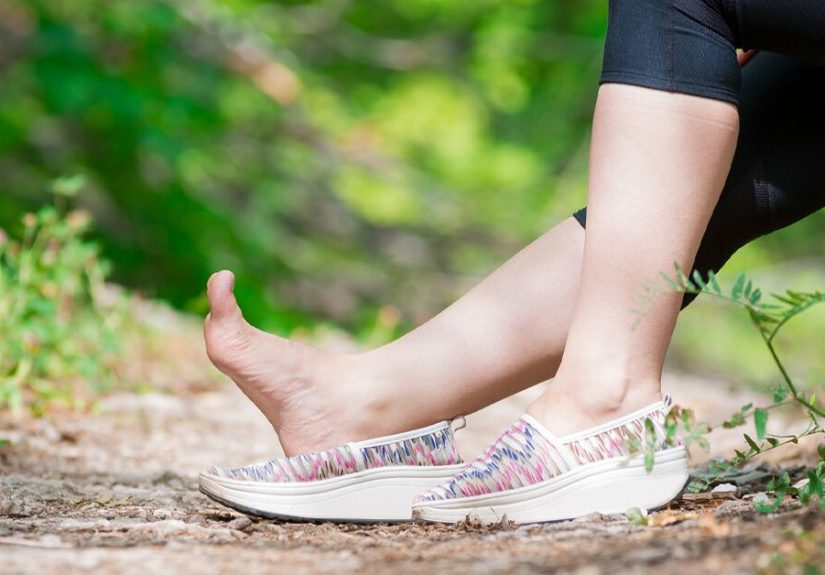
In this guide, “toe raises” refers to lifting your toes and the balls of your feet upward while keeping your heels on the ground. You may also hear this called a tibialis raise or ankle dorsiflexion exercise. It is different from a calf raise, where you lift your heels and rise onto your toes. Both exercises are useful, but toe raises specifically target the muscles that help pull your foot upward when you walk, climb stairs, run, or avoid tripping over a suspiciously invisible rug corner.
What Are Toe Raises?
Toe raises are a lower-leg strengthening exercise that trains ankle dorsiflexionthe movement of bringing your toes closer to your shin. The main muscle involved is the tibialis anterior, located along the front of your shin. Smaller muscles in the foot and ankle also assist, helping control your foot position and keeping your movement smooth.
You can do toe raises while seated, standing, leaning against a wall, or using a resistance band. That flexibility makes them easy to add to a home workout, physical therapy routine, warm-up, or quick desk break. No gym membership is required, no shiny equipment is necessary, and your toes do not need to sign a waiver.
Why Toe Raises Matter More Than They Look
Strong feet and ankles are the foundation of everyday movement. Every step you take depends on your lower-leg muscles coordinating balance, shock absorption, and foot clearance. When the muscles at the front of the shin are weak, your foot may slap down when walking, your ankles may feel less stable, and your calves may work overtime to compensate.
Toe raises are simple, but they train a movement pattern your body uses constantly. Walking requires your toes to lift so your foot can clear the ground. Running demands even more coordination from the ankle. Stairs, curbs, uneven sidewalks, and sports movements all rely on the same basic ability: lift the foot, place it well, and stay balanced.
Main Benefits of Toe Raises
1. They Strengthen the Front of the Lower Leg
Toe raises directly target the tibialis anterior. This muscle is often ignored because it is not as flashy as the calves, quads, or glutes. But the tibialis anterior helps control how your foot lands and lifts during walking. Strengthening it can improve lower-leg endurance and reduce that “my shins are yelling” feeling during activities that involve lots of walking, hiking, or running.
2. They Support Better Ankle Stability
Your ankle is a busy joint. It bends, flexes, absorbs force, and adjusts to uneven surfaces. Toe raises help build strength around the ankle so your foot can respond more confidently when the ground is not perfectly flat. That is useful for athletes, older adults, walkers, runners, and anyone who has ever discovered a sidewalk crack at the worst possible moment.
3. They Can Improve Balance
Balance is not just about standing still like a statue. It depends on your feet, ankles, legs, core, eyes, and nervous system working together. Toe raises train ankle control, which can make balance exercises feel more stable over time. For beginners, holding a chair or wall while doing toe raises is a smart way to build confidence safely.
4. They Help With Foot Clearance While Walking
Good walking mechanics require your toes to lift as your leg swings forward. If the front shin muscles are weak or fatigued, the foot may not clear the ground as well. Toe raises train that lifting action in a controlled way, making them a common choice in ankle and foot strengthening routines.
5. They Pair Well With Calf Raises
Calf raises strengthen the back of the lower leg, while toe raises train the front. Together, they create a more balanced ankle-strengthening routine. Think of them as the front door and back door of lower-leg fitness. If one side is strong and the other side is neglected, movement can feel uneven.
6. They Are Easy to Modify
Toe raises can be gentle enough for beginners or challenging enough for advanced exercisers. You can start seated, move to standing, add a wall lean, increase repetitions, slow down the lowering phase, or use a resistance band. That makes the exercise practical for many fitness levels.
How to Do Toe Raises Correctly
Basic Standing Toe Raise
Start with the most straightforward version. Stand tall with your feet about hip-width apart. Hold a wall, counter, or sturdy chair for support if needed. Keep your heels planted on the floor. Slowly lift your toes and the balls of your feet toward your shins. Pause for one second at the top, then lower your feet back down with control.
Aim for 2 sets of 10 to 15 repetitions. If you are new to the exercise, begin with one set and focus on quality. Your movement should feel controlled, not jerky. If your toes are flapping like they just heard gossip, slow down.
Seated Toe Raise
Sit in a chair with both feet flat on the floor. Keep your heels down and lift your toes upward. Pause briefly, then lower them slowly. This version is great for beginners, people working at a desk, or anyone who wants a low-intensity starting point.
Try 2 to 3 sets of 12 to 20 repetitions. Because the seated version uses less body weight, you may be able to do more repetitions comfortably.
Wall-Leaning Tibialis Raise
Stand with your back against a wall and walk your feet forward slightly. Keep your heels on the ground. Lift your toes toward your shins, pause, then lower them slowly. The farther your feet are from the wall, the harder the exercise becomes.
Start with a small lean and build gradually. This version is more challenging than seated or basic standing toe raises, so do not turn it into a lower-leg battle on day one.
Resistance Band Toe Raise
Sit on the floor with your legs extended. Loop a resistance band around the forefoot and anchor the other end securely in front of you. Pull your toes toward your shin against the band, then slowly return to the starting position. This version adds resistance through the full range of motion.
Use a light band at first. Choose a resistance level that lets you complete each repetition without pain, cramping, or twisting your ankle.
Common Toe Raise Mistakes
Rushing the Movement
Speed makes toe raises less effective. The goal is not to see how fast your toes can wave hello. Lift slowly, pause briefly, and lower with control. The lowering phase matters because it teaches the muscle to control movement instead of simply reacting.
Letting the Knees Collapse Inward
Keep your knees facing forward and your feet aligned. If your knees drift inward, reduce the range of motion or use support. Good alignment helps train the ankles and legs in a safer, more useful pattern.
Lifting the Heels
For toe raises, the heels should stay down. If your heels pop up, you may be switching into a different movement. Keep the heels planted and focus on lifting the front of the foot.
Doing Too Much Too Soon
The tibialis anterior may not be used to direct training. Too many repetitions too quickly can lead to soreness. Start with a modest number of sets and increase gradually. A little muscle fatigue is normal; sharp pain is not.
Who Should Try Toe Raises?
Toe raises can be useful for walkers, runners, athletes, older adults, office workers, and beginners building a simple strength routine. They are also popular in foot and ankle conditioning programs because they train a movement that supports gait, balance, and ankle control.
Runners may use toe raises to strengthen the front of the shin and balance calf-heavy training. Hikers may benefit from stronger ankle control on uneven terrain. Older adults may include them as part of a broader balance and strength routine. Office workers can sneak in seated toe raises during the day to wake up stiff lower legs.
If you have a current injury, recent surgery, nerve condition, severe foot pain, or unexplained weakness, talk with a healthcare professional or physical therapist before adding toe raises. Exercise should help your body move better, not turn your ankle into a tiny courtroom drama.
How Often Should You Do Toe Raises?
For general strengthening, try toe raises 3 to 5 days per week. Start with 1 to 2 sets and build toward 2 to 3 sets as your strength improves. Beginners can use seated toe raises first, then progress to standing versions.
A simple weekly plan might look like this:
- Monday: Standing toe raises, 2 sets of 12
- Wednesday: Seated toe raises, 2 sets of 20
- Friday: Wall-leaning toe raises, 2 sets of 10
- Optional weekend: Gentle balance practice with support
If you feel soreness in the front of your shins, take a rest day or reduce the number of repetitions. Progress is built through consistency, not through turning every exercise into a personal feud.
Toe Raises vs. Calf Raises: What Is the Difference?
Toe raises and calf raises sound similar, but they train opposite actions. In a toe raise, your heels stay down while your toes lift. This strengthens the muscles in the front of your shin. In a calf raise, your toes stay down while your heels lift. This strengthens the calf muscles in the back of your lower leg.
Both movements are valuable. A balanced lower-leg routine often includes both because walking, running, jumping, and climbing require coordinated strength from the front and back of the leg.
Best Toe Raise Variations for Different Goals
For Beginners: Seated Toe Raises
Seated toe raises are the easiest entry point. They allow you to learn the motion without worrying about balance. This version is ideal if your ankles feel weak, your shins fatigue quickly, or you want a simple exercise you can do while working.
For Balance: Standing Toe Raises With Support
Standing toe raises challenge your ankle control while still being manageable. Use a chair or countertop for safety. As your balance improves, you can use lighter support, but there is no award for pretending you do not need the chair.
For Strength: Wall Tibialis Raises
Wall tibialis raises increase the workload on the front shin muscles. Adjust the difficulty by changing how far your feet are from the wall. Start close to the wall and move your feet forward gradually over time.
For Rehabilitation Support: Band Dorsiflexion
Resistance band toe raises can be helpful when you need controlled strengthening through a clear range of motion. Use light resistance and focus on smooth movement. If you are recovering from an injury, follow the plan given by your clinician.
How to Add Toe Raises to a Full Lower-Leg Routine
Toe raises work best as part of a complete routine. Pair them with calf raises, ankle circles, gentle calf stretches, balance drills, and walking. This gives your lower legs a mix of strength, mobility, and coordination training.
Here is a simple 8-minute routine:
- Ankle circles: 30 seconds each direction
- Seated or standing toe raises: 2 sets of 15
- Calf raises: 2 sets of 10
- Single-leg balance with support: 20 seconds each side
- Gentle calf stretch: 20 to 30 seconds each side
This routine is short enough to fit before a walk, after a workout, or during a break. The key is to move with control and stop if anything feels painful.
Safety Tips Before You Start
Toe raises are generally low-impact, but smart technique still matters. Use a stable surface for support, especially if balance is challenging. Wear comfortable shoes or do the exercise barefoot on a non-slip surface. Avoid doing toe raises on slippery floors, thick rugs, or anything that makes your feet feel unstable.
Mild muscle fatigue in the front of the shin is normal. Sharp pain, numbness, swelling, or worsening discomfort is not. If symptoms appear, stop the exercise and consider getting professional guidance.
Real-Life Experiences With Toe Raises
One of the best things about toe raises is that they fit into real life without demanding a dramatic lifestyle makeover. You do not need to buy a machine, clear a room, or dress like you are about to film a fitness commercial. You can do them while brushing your teeth, waiting for coffee, standing at your desk, or taking a short break between chores.
Many beginners notice the same surprise: the exercise looks easy but feels oddly challenging. The first few repetitions may feel smooth, and then the front of the shin starts to burn a little. That is often the tibialis anterior saying, “Oh, we are finally being included?” This is especially common for people who walk a lot but rarely train ankle dorsiflexion directly.
For walkers, toe raises can make daily movement feel more controlled. Imagine someone who takes a 30-minute walk every evening but often feels their feet slap the ground near the end. Adding seated toe raises three or four times per week may help build endurance in the muscles that lift the foot. Over time, the walking stride may feel cleaner and less clumsy.
Runners may experience toe raises differently. Because running already loads the lower legs heavily, the trick is to introduce toe raises gradually. A runner who adds three hard sets of wall tibialis raises after every run may wake up with shins that feel personally betrayed. A better approach is to start with one or two light sessions per week, focus on slow form, and increase only when the body adapts.
Office workers often like toe raises because they interrupt long periods of sitting. A seated set of 20 repetitions under the desk can bring gentle movement back into the ankles and lower legs. It is not magic, and it will not cancel out eight hours of sitting, but it is a useful micro-habit. Think of it as sending your lower legs a polite reminder that they still exist.
Older adults may benefit from using toe raises as part of a balance routine. The safest version usually starts with a chair, counter, or wall nearby. The goal is not to test courage; the goal is to build strength and control. A simple patternhold the counter, lift the toes, pause, lower slowlycan help make the ankles feel more reliable during everyday movement.
People returning from mild ankle weakness often appreciate how measurable toe raises are. At first, lifting the toes may feel awkward or uneven from side to side. After a few weeks of consistent practice, the movement may become smoother. That progress is motivating because it is easy to notice: more repetitions, better control, less fatigue, and fewer “why is this so hard?” moments.
The biggest lesson from real-world practice is that toe raises reward patience. They are not glamorous. They will not trend harder than a celebrity smoothie. But they are practical, portable, and surprisingly effective when done consistently. For a tiny movement, they pull more weight than expectedkind of like the quiet person in a group project who actually does the work.
Final Thoughts
Toe raises are a simple strengthening exercise with a big job. By training the muscles that lift the front of the foot, they support ankle stability, walking mechanics, balance, and lower-leg strength. They are beginner-friendly, easy to modify, and simple to add to your day.
Start small, move slowly, and focus on control. Pair toe raises with calf raises, balance work, and regular walking for a stronger lower-leg routine. Your feet carry you everywhere; giving them a few minutes of attention is not excessive. It is maintenanceand honestly, they have been doing unpaid labor for years.
Note: This article is for general educational and fitness information. If you have pain, injury, surgery history, balance problems, or a medical condition affecting your feet, ankles, nerves, or circulation, ask a qualified healthcare professional before starting a new exercise routine.