Table of Contents >> Show >> Hide
- What Are Traditional English Crumpets?
- Why This Homemade Crumpets Recipe Works
- Ingredients for Traditional English Crumpets
- Equipment You Need
- How to Make Traditional English Crumpets
- Traditional English Crumpets Recipe Card
- How to Get Perfect Crumpet Holes
- Common Crumpet Problems and Easy Fixes
- Best Toppings for English Crumpets
- How to Store and Reheat Crumpets
- Crumpets vs. English Muffins
- Helpful Tips for Beginners
- Flavor Variations
- Experience Notes: What Making Traditional English Crumpets Teaches You
- Conclusion
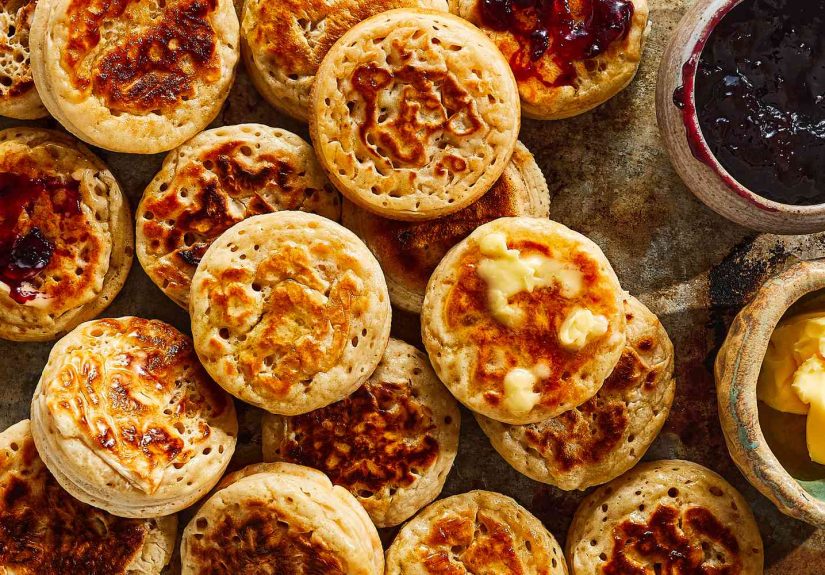
If toast and pancakes had a charming British cousin who owned a tea kettle and knew how to absorb butter like a professional, it would be the crumpet. A traditional English crumpet is soft, springy, golden on the bottom, and famous for its little surface holesthose magical butter tunnels that make every bite taste like breakfast decided to wear a crown.
This traditional English crumpets recipe gives you the classic texture: crisp around the edges, tender in the middle, and full of tiny open holes ready for butter, jam, honey, marmalade, or a cheeky swipe of cream cheese. The best part? You do not need an oven. Crumpets cook on a griddle or skillet using simple pantry ingredients: flour, yeast, milk, water, salt, sugar, and baking soda.
Many people confuse crumpets with English muffins, but they are not the same. English muffins are made from dough, split open, and toasted on both sides. Crumpets are made from a loose yeast batter, cooked in rings, and usually toasted whole before serving. Think of them as griddle cakes with a bread-like soul and a pancake’s relaxed personality.
What Are Traditional English Crumpets?
Traditional English crumpets are small, round, yeasted griddle breads commonly served for breakfast, brunch, or afternoon tea. Their signature feature is the bubbly surface. As the batter cooks, bubbles rise, pop, and leave tiny holes. These holes are not decorative; they are highly important butter infrastructure.
A good crumpet should be lightly browned on the bottom, pale and holey on top, and soft enough to bend slightly without breaking. When toasted, the outside becomes crisp while the center stays pleasantly chewy. The flavor is mild, slightly yeasty, and just salty enough to balance sweet toppings.
Why This Homemade Crumpets Recipe Works
The secret to homemade crumpets is the batter. It needs to be thinner than bread dough but thicker than pancake batter. Yeast gives the crumpets flavor and structure, while baking soda helps create the bubbling action that forms the famous holes. A warm resting period allows the batter to ferment, relax, and become airy.
Heat control is just as important. If the pan is too hot, the bottoms burn before the tops set. If the pan is too cool, the crumpets become pale, flat, and sadbasically bread pancakes having an identity crisis. Medium-low heat gives the batter enough time to bubble, set, and develop that classic texture.
Ingredients for Traditional English Crumpets
Main Ingredients
- 2 cups all-purpose flour – Provides structure and a tender crumb.
- 1 teaspoon granulated sugar – Feeds the yeast and adds gentle sweetness.
- 1 teaspoon fine salt – Balances the flavor.
- 1 teaspoon instant yeast – Helps the batter rise and develop flavor.
- 1 cup warm milk – Adds softness and richness.
- 3/4 cup warm water – Loosens the batter to the right pourable consistency.
- 1/2 teaspoon baking soda – Encourages bubbles and creates the classic holes.
- 2 tablespoons warm water – Used to dissolve the baking soda.
- Butter or neutral oil – For greasing the skillet and rings.
Optional Serving Toppings
- Salted butter
- Strawberry jam
- Orange marmalade
- Honey
- Lemon curd
- Peanut butter
- Soft cheese and herbs
- Fried egg and bacon for a savory breakfast
Equipment You Need
You do not need fancy bakery equipment to make English crumpets at home. However, crumpet rings make the process much easier. If you do not have crumpet rings, you can use metal biscuit cutters, English muffin rings, or clean tuna cans with both ends removed. Just make sure whatever you use is heat-safe and well greased.
- Large mixing bowl
- Whisk or wooden spoon
- Measuring cups and spoons
- Nonstick skillet or griddle
- Crumpet rings or metal biscuit rings
- Spatula
- Clean kitchen towel or plastic wrap
How to Make Traditional English Crumpets
Step 1: Mix the Dry Ingredients
In a large mixing bowl, combine the flour, sugar, salt, and instant yeast. Whisk everything together so the yeast and salt are evenly distributed. This helps the batter rise consistently and prevents salty pockets, which are as unwelcome as a soggy teabag.
Step 2: Add Warm Milk and Water
Pour in the warm milk and 3/4 cup warm water. The liquid should feel warm but not hot, about the temperature of a comfortable bath. If it is too hot, it can damage the yeast. Stir until the mixture becomes smooth, thick, and pourable. It should look like heavy pancake batter.
Step 3: Rest the Batter
Cover the bowl with a clean towel or plastic wrap. Let the batter rest in a warm place for 45 to 60 minutes, or until it looks bubbly and slightly risen. The surface should show small bubbles, and the batter should smell pleasantly yeasty.
Step 4: Add the Baking Soda
In a small cup, dissolve the baking soda in 2 tablespoons of warm water. Stir this mixture into the rested batter. The batter may loosen slightly, which is exactly what you want. Let it sit for another 10 minutes while you prepare the skillet.
Step 5: Heat and Grease the Rings
Place a nonstick skillet or griddle over medium-low heat. Grease the crumpet rings generously with butter or oil, then place them in the pan. Greasing matters because crumpets love to cling to metal like they are signing a long-term lease.
Step 6: Cook the Crumpets
Spoon or pour batter into each ring, filling it about halfway. Do not overfill the rings because the batter will rise as it cooks. Cook for 7 to 10 minutes, or until bubbles appear, pop, and the top begins to look dry and set.
If the bottoms are browning too quickly, reduce the heat. Patience is the crumpet’s love language. Once the tops are mostly set, carefully remove the rings using tongs. Flip the crumpets and cook for 1 to 2 minutes on the second side, just to lightly color the top.
Step 7: Cool, Toast, and Serve
Transfer the cooked crumpets to a wire rack. Repeat with the remaining batter, greasing the rings between batches. Crumpets are delicious fresh, but they are even better toasted. Toast them until the edges are crisp, then spread with butter while warm. Watch the butter disappear into the holes. Try not to applaud. Or do. Your kitchen, your rules.
Traditional English Crumpets Recipe Card
Recipe Details
- Prep Time: 15 minutes
- Resting Time: 55 to 70 minutes
- Cook Time: 25 to 35 minutes
- Total Time: About 1 hour 45 minutes
- Yield: 10 to 12 crumpets
- Course: Breakfast, brunch, afternoon tea
- Cuisine: British
Ingredients
- 2 cups all-purpose flour
- 1 teaspoon granulated sugar
- 1 teaspoon fine salt
- 1 teaspoon instant yeast
- 1 cup warm milk
- 3/4 cup warm water
- 1/2 teaspoon baking soda
- 2 tablespoons warm water, for dissolving baking soda
- Butter or neutral oil, for greasing
Instructions
- Whisk flour, sugar, salt, and yeast in a large bowl.
- Add warm milk and warm water. Stir until smooth and thick but pourable.
- Cover and let the batter rest in a warm place for 45 to 60 minutes, until bubbly.
- Dissolve baking soda in 2 tablespoons warm water, then stir it into the batter.
- Let the batter rest for 10 more minutes.
- Heat a greased skillet or griddle over medium-low heat.
- Grease crumpet rings and place them in the skillet.
- Fill each ring halfway with batter.
- Cook for 7 to 10 minutes, until bubbles form and the tops begin to dry.
- Remove the rings, flip the crumpets, and cook for 1 to 2 minutes more.
- Cool on a rack, then toast and serve with butter or your favorite topping.
How to Get Perfect Crumpet Holes
The holes are the main event. Without them, you still have something tasty, but it is not quite the traditional English crumpet experience. To encourage those beautiful holes, make sure your batter is not too thick. It should slowly pour from a spoon, not sit there like bread dough refusing to participate.
Also, avoid stirring the batter too aggressively after the final rest. Once the baking soda is mixed in and the batter has relaxed, treat it gently. Overmixing can knock out the air bubbles. Finally, keep the heat moderate. A slow cook allows bubbles to rise and pop before the surface sets.
Common Crumpet Problems and Easy Fixes
My Crumpets Have No Holes
The batter may be too thick, the heat may be too high, or the baking soda may not have been evenly mixed in. Add a tablespoon or two of warm water to loosen the batter and cook the next batch more slowly.
My Crumpets Are Raw in the Middle
The pan is probably too hot. The outside cooked too fast while the inside stayed wet. Lower the heat and give the crumpets more time to set before flipping.
My Crumpets Stick to the Rings
Grease the rings more generously. Butter adds flavor, but neutral oil can be more reliable for preventing sticking. A thin silicone brush works well for coating the inside edges.
My Crumpets Taste Too Yeasty
The batter may have rested too long or too warmly. Use fresh yeast, follow the timing, and avoid placing the bowl in a very hot spot.
Best Toppings for English Crumpets
The classic topping is salted butter, and honestly, it is hard to improve on perfection. The butter melts into the holes and gives each bite a rich, savory finish. For a sweet version, add strawberry jam, raspberry preserves, marmalade, honey, or golden syrup.
If you prefer savory crumpets, try cream cheese and chives, smoked salmon, a fried egg, sharp cheddar, or sautéed mushrooms. Crumpets also make a fun base for breakfast sandwiches. They are sturdy enough to hold toppings but soft enough to feel cozy.
How to Store and Reheat Crumpets
Homemade crumpets keep well for 2 to 3 days in an airtight container at room temperature. For longer storage, freeze them in a sealed freezer bag for up to 2 months. Place parchment paper between layers so they do not stick together.
To reheat, toast crumpets directly from room temperature or frozen. Toasting brings back the crisp edges and warm, fluffy center. Avoid microwaving if possible because it can make crumpets rubbery. A toaster, toaster oven, or dry skillet gives the best result.
Crumpets vs. English Muffins
Crumpets and English muffins are both round, breakfast-friendly, and delicious with butter, but they are built differently. English muffins use a firmer dough and are usually split before toasting. Crumpets use a wet batter and are cooked in rings without being split.
The texture is also different. English muffins are breadier and have nooks inside after splitting. Crumpets are softer, spongier, and have visible holes on top. If English muffins are practical shoes, crumpets are slippers by the fireplace.
Helpful Tips for Beginners
- Use warm liquid, not hot liquid. Hot milk or water can weaken the yeast.
- Do not rush the first rest. The batter needs time to become bubbly.
- Grease the rings every time. This prevents tearing and sticking.
- Fill rings only halfway. Overfilled rings create thick crumpets that cook unevenly.
- Cook low and slow. Gentle heat creates holes and prevents burnt bottoms.
- Toast before serving. Toasting gives crumpets their best texture.
Flavor Variations
Whole Wheat Crumpets
Replace 1/2 cup of all-purpose flour with whole wheat flour for a nuttier flavor. You may need an extra tablespoon or two of water because whole wheat flour absorbs more liquid.
Cheddar Herb Crumpets
Add 1/3 cup finely shredded cheddar and 1 tablespoon chopped chives to the batter after the first rest. Serve with butter or a poached egg.
Honey Butter Crumpets
Toast warm crumpets and spread them with a mixture of softened butter, honey, and a pinch of salt. This is dangerously good and may cause polite breakfast silence.
Experience Notes: What Making Traditional English Crumpets Teaches You
Making traditional English crumpets at home is one of those kitchen projects that feels simple on paper but surprisingly satisfying in real life. The ingredients are humble, the method is quiet, and the result feels like something you would be served in a cozy tearoom with floral wallpaper and a teapot that has seen things.
The first experience most home cooks have with crumpets is curiosity. You mix the batter and wonder if it is too thin. Then it rests, bubbles appear, and suddenly the bowl looks alive in the friendliest possible way. That moment is encouraging because it tells you the yeast is working. It is also a reminder that good food often needs a little patience, not panic.
The skillet stage is where crumpets become a small cooking lesson. The first batch may not be perfect. Maybe the pan is too hot, or maybe the rings were not greased enough. That is normal. Crumpets are forgiving, and each batch teaches you something. By the second or third round, you start to understand the rhythm: pour, wait, watch the bubbles, adjust the heat, remove the rings, flip briefly, repeat.
One of the best experiences is seeing the holes form. It feels oddly exciting, like the batter is performing a tiny magic trick. When those bubbles pop and leave open pockets, you know you are close. The top slowly changes from glossy to matte, and the bottom becomes golden. The kitchen smells warm, toasty, and faintly yeasty, like a bakery decided to move into your breakfast plans.
Serving homemade crumpets is even better. Toast one until the edges crisp up, then add butter while it is still hot. The butter melts straight into the holes, which is exactly why crumpets have earned their loyal following. Add jam if you want sweetness, marmalade if you like a citrusy bite, or a fried egg if breakfast needs to be more serious. There is no wrong direction, only insufficient butter.
Another useful lesson is that homemade crumpets are excellent for planning ahead. You can make a batch on the weekend, store them, and toast them during busy mornings. They freeze well, reheat beautifully, and taste far better than many store-bought versions. A freezer bag full of homemade crumpets is basically breakfast insurance.
This recipe also gives you room to develop your own preferences. Some people like thicker crumpets with a chewy center. Others prefer thinner ones with crispier edges. Some enjoy a slightly tangier flavor from a longer rest, while others like a mild, soft crumpet that lets the toppings shine. Once you understand the basic batter and heat control, you can adjust the recipe with confidence.
Most importantly, making crumpets is fun. It is slower than popping bread into a toaster, but that is part of the charm. It invites you to stand near the stove, drink coffee or tea, and enjoy the process. In a world of rushed breakfasts, homemade English crumpets feel like a small act of rebellionsoft, golden, buttery rebellion.
Conclusion
A traditional English crumpets recipe is proof that simple ingredients can create something memorable. With flour, yeast, milk, water, and a little baking soda, you can make soft, holey, golden crumpets that toast beautifully and welcome almost any topping. The key is a bubbly batter, greased rings, and gentle heat. Once you master those basics, homemade crumpets become an easy weekend favorite and a reliable way to make breakfast feel special.
Serve them with butter and jam for a classic teatime treat, or turn them into a savory brunch base with eggs, cheese, or smoked salmon. Either way, these homemade crumpets bring cozy British comfort straight to your kitchenno passport, umbrella, or royal invitation required.
Note: This article was written in original American English and synthesized from established cooking knowledge, traditional crumpet methods, and reputable recipe references for accurate web publication.