Table of Contents >> Show >> Hide
- What Makes Sleep Apnea “Mild”?
- Why Treat Mild Obstructive Sleep Apnea?
- First Step: Confirm the Diagnosis and Understand the Sleep Report
- Lifestyle Changes That Can Improve Mild OSA
- Positional Therapy: When Sleeping on Your Back Is the Villain
- CPAP and APAP for Mild Obstructive Sleep Apnea
- Oral Appliance Therapy: A Popular Option for Mild to Moderate OSA
- Myofunctional Therapy and Airway Exercises
- When Surgery Is Considered
- Combination Therapy Often Works Best
- How to Know Whether Treatment Is Working
- Common Mistakes People Make With Mild OSA
- Experience Section: What Treating Mild Obstructive Sleep Apnea Often Feels Like
- Conclusion
Mild obstructive sleep apnea sounds almost polite, doesn’t it? “Mild” makes it seem like your airway is only being a little dramatic at nightperhaps clearing its throat and requesting attention. But anyone who wakes up tired, snores like a small lawn mower, or gets nudged awake by a sleep-deprived partner knows that mild obstructive sleep apnea can still feel very real.
Obstructive sleep apnea, often shortened to OSA, happens when the upper airway repeatedly narrows or collapses during sleep. Breathing may become shallow, pause briefly, or require extra effort. The brain, being a responsible night-shift supervisor, reacts by partially waking the body so breathing can resume. You may not remember these mini wake-ups, but your energy level certainly does. Mild OSA is commonly defined as an apnea-hypopnea index, or AHI, of 5 to fewer than 15 breathing events per hour. That number matters, but it is not the whole story. Symptoms, oxygen levels, sleep quality, health conditions, body weight, anatomy, and personal preference all help determine the best treatment plan.
The good news: treating mild obstructive sleep apnea does not always mean jumping straight into the most intense medical option. Some people improve with lifestyle changes, positional therapy, a custom oral appliance, CPAP therapy, or a combination of several approaches. The goal is not simply to lower a number on a sleep study. The real goal is to breathe better, sleep deeper, protect long-term health, and stop treating morning coffee like a personality transplant.
What Makes Sleep Apnea “Mild”?
Sleep apnea severity is often measured by AHI. Mild OSA usually means 5 to 14.9 breathing disturbances per hour. Moderate OSA typically falls between 15 and 29.9, while severe OSA is usually 30 or more. However, a person with “mild” numbers can still have miserable symptoms, especially if events happen during REM sleep, while lying on the back, or alongside oxygen drops.
That is why sleep specialists do not look at AHI alone. They also consider daytime sleepiness, morning headaches, brain fog, high blood pressure, heart rhythm concerns, mood changes, insomnia, and whether snoring is disturbing a bed partner. Mild OSA with no symptoms and no major risk factors may be handled differently than mild OSA in someone who nearly falls asleep at red lights. One is a sleep problem. The other is a public safety committee meeting waiting to happen.
Why Treat Mild Obstructive Sleep Apnea?
Some people wonder whether mild OSA really needs treatment. The honest answer is: sometimes yes, sometimes watchful management, and often a customized plan. Treatment is especially worth discussing when mild sleep apnea causes daytime fatigue, loud snoring, poor concentration, restless sleep, high blood pressure, morning headaches, mood changes, or reduced quality of life.
Untreated OSA can place stress on the cardiovascular system, disrupt normal sleep architecture, and make daytime functioning harder. Even when the condition is mild, poor sleep can spill into everything: school, work, relationships, driving, workouts, appetite, patience, and the ability to read one paragraph without mentally wandering into a snack cabinet.
The key is to treat the person, not just the sleep-study label. A mild diagnosis should start a practical conversation: What symptoms are present? What is the sleep position pattern? Is there nasal congestion? Is weight a factor? Are alcohol or sedating medications worsening symptoms? Is the jaw or airway anatomy contributing? The best treatment plan often comes from answering those questions carefully.
First Step: Confirm the Diagnosis and Understand the Sleep Report
Before choosing treatment, it helps to understand the sleep study. A home sleep apnea test may identify obstructive events, oxygen changes, and breathing patterns, while an in-lab polysomnography can provide more detailed information, including sleep stages, limb movements, arousals, and body position. For mild OSA, details matter because the problem may be highly positional or worse during REM sleep.
Questions to Ask About Your Sleep Study
Ask your clinician about your AHI, oxygen saturation, respiratory disturbance index, snoring pattern, sleep position data, and whether events were worse on your back. Also ask whether your symptoms match the findings. If the test says “mild” but you feel like you were assembled from leftover fog every morning, say so clearly. Numbers guide treatment, but lived experience helps steer it.
Lifestyle Changes That Can Improve Mild OSA
Lifestyle changes are often recommended first or used alongside other treatments. They are not a punishment, and they are not a magical overnight cure. Think of them as reducing the airway’s workload so other treatments can work better.
Weight Management When Weight Is a Factor
Excess weight can contribute to airway narrowing, especially around the neck and upper airway. For people who are overweight or have obesity, gradual weight loss may reduce OSA severity. Even modest changes can help some people, although weight loss is not guaranteed to eliminate sleep apnea completely. Thin people can have OSA too, especially when jaw structure, enlarged tonsils, nasal obstruction, or airway anatomy plays a role.
The most realistic approach is not crash dieting. Sustainable nutrition, regular physical activity, and medical guidance work better than declaring war on carbohydrates every Monday morning. For adults with obesity and more severe OSA, medication-based weight treatment may sometimes be discussed with a healthcare professional, but currently approved drug therapy for sleep apnea is aimed at moderate to severe OSA in adults with obesitynot routine mild OSA.
Exercise and Better Sleep Quality
Regular exercise may improve sleep quality, support weight management, and reduce cardiovascular risk. It does not need to look like a superhero training montage. Brisk walking, cycling, swimming, strength training, or consistent daily movement can all help. The best workout is the one you will actually repeat after the novelty wears off and your sneakers stop looking inspirational by the door.
Avoid Alcohol and Sedatives Before Bed
Alcohol and sedating medications can relax the muscles of the throat and worsen airway collapse during sleep. People with mild OSA often notice that snoring and breathing events get worse after evening alcohol. If medication is involved, do not stop it suddenly. Ask a healthcare professional whether it may be affecting sleep breathing and whether safer timing or alternatives exist.
Treat Nasal Congestion
Nasal congestion does not always cause OSA by itself, but it can make breathing feel harder and can interfere with CPAP or oral appliance success. Allergies, chronic sinus issues, a deviated septum, or untreated congestion may deserve attention. Saline rinses, allergy management, nasal steroid sprays, or evaluation by an ear, nose, and throat specialist may help, depending on the cause.
Positional Therapy: When Sleeping on Your Back Is the Villain
Some people have positional obstructive sleep apnea, meaning breathing events are much worse when sleeping on the back. Gravity pulls the tongue and soft tissues backward, narrowing the airway. In these cases, side sleeping can make a meaningful difference.
Positional therapy can be simple or high-tech. Options include special pillows, wearable vibration devices that gently prompt side sleeping, backpack-like devices, or body-position training. The old tennis-ball-sewn-into-a-shirt method exists, but let’s be honest: modern sleep medicine has slightly more dignity than turning your pajamas into sporting equipment.
Positional therapy works best when the sleep study clearly shows back-sleeping events are the main issue. It may not be enough if OSA occurs in every position or if oxygen levels drop significantly. Follow-up testing may be needed to confirm that the strategy actually controls breathing events rather than simply making you sleep sideways with confidence.
CPAP and APAP for Mild Obstructive Sleep Apnea
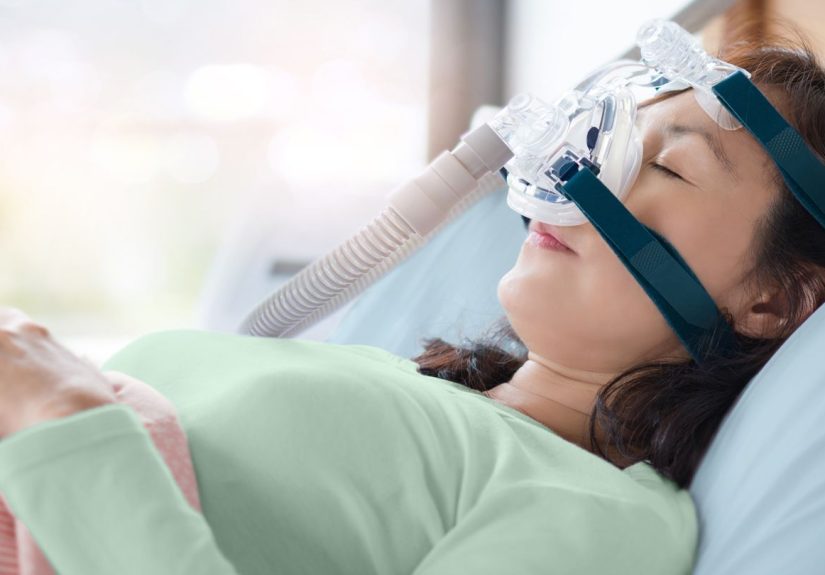
Positive airway pressure therapy remains one of the most effective treatments for OSA. CPAP delivers steady air pressure through a mask to keep the airway open. APAP, or auto-adjusting positive airway pressure, changes pressure within a prescribed range based on breathing needs during the night.
Some people assume CPAP is only for severe cases, but it can be appropriate for mild OSA when symptoms are significant, sleep quality is poor, blood pressure is a concern, or other treatments are not enough. CPAP is not a personality flaw, a medical defeat, or a sign that bedtime has become a science experiment. It is simply a tool that helps the airway stay open.
Common CPAP Problems and Fixes
Many CPAP struggles are fixable. A leaking mask may need a different size or style. Dry mouth may improve with humidification or a chin strap. Nasal discomfort may improve with heated tubing, pressure adjustments, or allergy treatment. Claustrophobia may improve with gradual practice while awake. Pressure discomfort may improve with ramp settings or a different PAP mode.
The biggest mistake is quitting silently after three bad nights. CPAP often requires tuning. Mask fit, pressure settings, humidity, cleaning habits, and coaching all matter. Follow-up with a sleep clinic or durable medical equipment provider can turn “I hate this machine” into “Fine, the little air robot can stay.”
Oral Appliance Therapy: A Popular Option for Mild to Moderate OSA
Oral appliance therapy is another common treatment for mild obstructive sleep apnea. A custom mandibular advancement device is worn during sleep and gently moves the lower jaw forward. This helps keep the airway more open by reducing collapse behind the tongue and soft palate.
Oral appliances are often considered for people with mild to moderate OSA, especially those who cannot tolerate CPAP or strongly prefer a smaller, quieter treatment. They are not the same as a sports mouthguard or an over-the-counter anti-snoring gadget. A proper sleep apnea oral appliance should be custom-fitted and adjusted by a qualified dentist with sleep-medicine experience, usually in coordination with a sleep physician.
Pros and Cons of Oral Appliances
The advantages are easy to understand: no hose, no machine, portability, quiet operation, and often better convenience for travel. The downsides may include jaw soreness, tooth movement, bite changes, drooling, dry mouth, or temporomandibular joint discomfort. Regular dental follow-up is important.
Oral appliances may reduce symptoms and breathing events, but they do not work equally well for everyone. A follow-up sleep test while using the appliance is often recommended to confirm effectiveness. Feeling better is important; proving the airway is behaving is even better.
Myofunctional Therapy and Airway Exercises
Myofunctional therapy involves exercises for the tongue, soft palate, lips, and facial muscles. Some studies suggest these exercises may reduce snoring and OSA severity in selected people. This approach is usually not a stand-alone miracle cure, but it may be useful as part of a broader plan, especially when tongue posture, mouth breathing, or weak upper-airway muscle tone contributes to symptoms.
Exercises may include tongue presses, controlled swallowing patterns, nasal breathing practice, and soft-palate movements. They should ideally be taught by a trained professional. Randomly inventing tongue workouts from the internet is less ideal, though admittedly very entertaining if accidentally performed in front of a mirror.
When Surgery Is Considered
Surgery is usually not the first stop for mild OSA, but it may be considered when a clear anatomical problem is present. Enlarged tonsils, nasal obstruction, a deviated septum, jaw structure, or soft-palate collapse may contribute to airway blockage. An ENT specialist or sleep surgeon can evaluate whether surgery may help.
Common procedures may target the nose, tonsils, palate, tongue base, or jaw position. Surgery can help selected patients, but results vary, and recovery matters. It is best viewed as an anatomy-specific treatment, not a universal shortcut. The airway is a neighborhood, not a single door hinge.
Combination Therapy Often Works Best
Mild OSA treatment is rarely one-size-fits-all. A person might use positional therapy plus weight management. Another may use an oral appliance plus nasal allergy treatment. Someone else may choose APAP and improve comfort with humidification and a better mask. The best plan is the one that improves breathing, reduces symptoms, fits the person’s life, and can be used consistently.
Consistency is the unglamorous hero of sleep apnea care. A perfectly prescribed CPAP machine does nothing from a closet. An oral appliance does nothing in a drawer. Side-sleeping therapy does nothing if you start on your side and wake up triumphantly flat on your back like a starfish with a snoring hobby.
How to Know Whether Treatment Is Working
Treatment success should be measured in several ways. Do you wake up more refreshed? Is daytime sleepiness better? Is snoring reduced? Are morning headaches gone? Is blood pressure improving? Are you more focused? Is your bed partner less likely to file a noise complaint?
Objective data also matters. CPAP and APAP machines often track residual AHI, mask leak, and usage hours. Oral appliances and positional therapy may require repeat sleep testing to confirm improvement. Do not rely only on snoring apps or wearable devices. They can provide clues, but they are not replacements for medical evaluation.
Common Mistakes People Make With Mild OSA
Ignoring Symptoms Because the Diagnosis Says “Mild”
Mild does not mean meaningless. If symptoms affect your daily life, treatment is worth discussing.
Buying Random Anti-Snoring Devices
Snoring and sleep apnea overlap, but they are not identical. An over-the-counter device may reduce noise without properly treating airway obstruction.
Giving Up Too Quickly
CPAP, oral appliances, and positional therapy all may require adjustment. Early discomfort does not always mean failure.
Skipping Follow-Up
Follow-up turns guesswork into a treatment plan. This is especially important when using oral appliances or positional therapy.
Experience Section: What Treating Mild Obstructive Sleep Apnea Often Feels Like
For many people, the journey starts with denial. Not dramatic denial, just the everyday kind: “I’m tired because life is busy,” “Everyone snores sometimes,” or “My partner is exaggerating because they are jealous of my powerful breathing style.” Then the clues pile up. Morning headaches appear. Afternoon energy crashes become routine. Coffee stops feeling optional and starts feeling like a legal requirement. A sleep study finally confirms mild obstructive sleep apnea, and the word “mild” creates confusion. If it is mild, why does the person feel like a phone battery stuck at 18%?
A common experience is trying lifestyle changes first. Someone may start sleeping on their side, raise the head of the bed slightly, treat nasal allergies, and become more careful with late-night alcohol. At first, it feels almost too simple. Then the small improvements show up: fewer dry-mouth mornings, less snoring, fewer nighttime wake-ups. The change may not be cinematic. No violins. No sunrise montage. Just a quiet realization that mornings are less awful.
Another common path is choosing an oral appliance. The first few nights may feel strange, like the jaw has joined a tiny orthodontic gym. There may be mild soreness or extra saliva. Adjustments are normal. Over time, many users like the simplicity: put it in, sleep, rinse it, repeat. Travel becomes easier because the device fits in a small case. But responsible treatment means follow-up. A person may feel better and snore less, yet still need a repeat sleep test to confirm the appliance is controlling OSA well.
CPAP users often have a different story. The first night can feel awkward. The mask may leak. The air pressure may seem weird. The hose may appear to have a personal goal of wrestling the pillow. But with the right mask, humidification, ramp settings, and coaching, many people adapt. Some notice better sleep quickly; others improve gradually. The emotional turning point often comes when they wake up and realize they slept through the night without the usual fog. CPAP is not glamorous, but neither is waking up exhausted every day.
The most successful experiences usually share one pattern: people stop searching for the “perfect” treatment and start building a workable system. They track symptoms. They communicate with their clinician. They adjust instead of quitting. They treat nasal congestion. They replace equipment when needed. They ask whether their sleep position matters. They involve their dentist or sleep specialist when using an oral appliance. They understand that mild OSA can change over time with weight, aging, medications, alcohol use, nasal health, and sleep habits.
Perhaps the biggest lesson is that treatment is not about winning a medical purity contest. It is about breathing better at night and living better during the day. If side sleeping helps, great. If APAP works best, excellent. If an oral appliance is the right fit, wonderful. If a combination works, even better. Mild obstructive sleep apnea may be “mild” on paper, but better sleep can feel anything but small.
Conclusion
Treating mild obstructive sleep apnea begins with understanding the full picture: sleep study results, symptoms, oxygen levels, body position, anatomy, lifestyle factors, and personal comfort. Lifestyle changes, weight management, positional therapy, CPAP or APAP, oral appliance therapy, nasal treatment, myofunctional therapy, and selected surgical options may all have a role. The best treatment is not always the most complicated one. It is the one that works, fits your life, and is used consistently.
If you suspect mild OSA or already have a diagnosis, work with a qualified sleep professional rather than guessing your way through treatment. Sleep apnea is common, treatable, and absolutely worth taking seriously. After all, sleep is not just the thing you do between episodes of responsibility. It is maintenance for the brain, heart, mood, metabolism, and every conversation where you would prefer not to yawn mid-sentence.
Note: This article is for educational purposes only and should not replace medical advice, diagnosis, or treatment from a qualified healthcare professional.