Table of Contents >> Show >> Hide
- Why Vegetables Deserve Main-Character Energy
- The Flavor Formula (AKA: How Vegetables Become Craveable)
- Recipe 1: Sheet-Pan “Rainbow Roast” Vegetables with Lemon-Tahini Drizzle
- Recipe 2: Fast Garlic-Ginger Vegetable Stir-Fry (No Soggy Vegetables Allowed)
- Recipe 3: Bright Green Beans Almondine (The “Fancy” Vegetable That’s Actually Easy)
- Recipe 4: Smoky Grilled Vegetable Tacos with Lime Yogurt Sauce
- Recipe 5: Creamy Roasted Cauliflower Soup (No Cream Needed, but Allowed)
- Recipe 6: “Clean-Out-the-Fridge” Vegetable Pasta (A.K.A. Dinner With Benefits)
- Frozen, Fresh, and “Oops I Bought Too Much”: Smart Vegetable Strategies
- Homemade Vegetable Stock (Use Your Scraps Like a Kitchen Wizard)
- Conclusion
- Kitchen Experiences: The Real-Life Side of Vegetable Recipes (500+ Words)
Vegetables get a bad rap. Somewhere along the line, broccoli was framed as a punishment and Brussels sprouts
were treated like a dare. But here’s the plot twist: vegetables can be the best part of the meal
crispy, saucy, smoky, buttery (yes, buttery), and bold enough to steal attention from whatever protein is
trying to be the main character.
This guide is built for real life: weeknights, picky eaters, “I forgot to grocery shop” moments, and the
eternal question, “How do I make vegetables taste good without turning dinner into a science fair?”
You’ll get technique-based, easy vegetable recipes, flavor combos that work like cheat codes, and a few
vegetables that might even make you say, out loud, “Okay… wow.”
Why Vegetables Deserve Main-Character Energy
If you’ve ever heard “make half your plate fruits and vegetables,” that’s not just wellness-culture chatter
it’s consistent with mainstream nutrition guidance in the U.S. (and a surprisingly practical way to build meals
that feel satisfying without requiring a spreadsheet). Think of vegetables as the volume, color, crunch, and
flavor foundation that makes meals feel abundant.
Also: vegetables are flexible. Fresh, frozen, canned, raw, roasted, mashed, chopped, ribboned, grilledthere’s
no single “right” way to cook them. Your job isn’t to be perfect. Your job is to make them delicious enough that
you actually want to eat them again tomorrow.
A simple weekly goal
- Pick 2 cooking methods you’ll use on repeat (roast + stir-fry is a power couple).
- Buy 6–8 vegetables across colors (greens, orange/red, starchy, “other”).
- Keep 3 flavor boosters on hand: a citrus, a salty thing, and something spicy.
The Flavor Formula (AKA: How Vegetables Become Craveable)
Most “boring vegetable” problems aren’t vegetable problems. They’re technique problems.
Use this quick framework and you’ll level up healthy vegetable recipes fast:
1) Heat: roast, sear, char
High heat helps vegetables brown and taste deeper. If your veggies come out pale and soggy, they probably
steamed instead of roasted. Give them space and use a hot oven or hot pan.
2) Fat: your browning assistant
A light coating of oil (or butter when appropriate) helps seasoning stick and encourages crisp edges.
Too much fat can make things greasy; too little can leave vegetables dry and sad.
3) Salt + acid: the finishing move
Salt brings out flavor. Acid (lemon, vinegar, yogurt) makes vegetables taste brighter and “alive.”
If your roasted vegetables taste flat, add a squeeze of lemon at the end and watch the magic happen.
4) Texture: crunch beats mush
Great vegetable recipes usually include contrast: crispy edges, tender centers, crunchy toppings (nuts,
seeds, toasted breadcrumbs), or creamy sauces.
Recipe 1: Sheet-Pan “Rainbow Roast” Vegetables with Lemon-Tahini Drizzle
This is the weeknight MVP: minimal dishes, maximum flavor, and it makes your kitchen smell like you have your
life together. Bonus: it’s an easy vegetarian dinner idea that doesn’t feel like a compromise.
Ingredients
- 1 head broccoli (or cauliflower), cut into florets
- 2 carrots, sliced on a bias
- 1 red onion, thick wedges
- 1 bell pepper, strips
- 1 zucchini, half-moons
- 2–3 tbsp olive oil, salt, black pepper
- Optional: smoked paprika, cumin, garlic powder
Lemon-Tahini Drizzle
- 3 tbsp tahini
- 1 lemon (juice + a little zest)
- 1 small garlic clove, grated (or 1/2 tsp garlic powder)
- 2–4 tbsp warm water to thin
- Salt to taste
How to cook it
- Heat oven to 425°F. If you want extra crisp edges, let the sheet pan preheat too.
- Toss vegetables with oil, salt, pepper, and spices. Spread in one layer with breathing room.
- Roast 20–30 minutes, tossing once halfway, until browned at the edges and tender inside.
- Whisk drizzle ingredients. Add water slowly until it pours like warm honey.
- Finish with lemon zest, chopped herbs, or toasted sesame seeds. Drizzle and serve.
Flavor variations: Add Parmesan + lemon; or go spicy with chili crisp; or use balsamic and
a sprinkle of toasted walnuts for a cozy vibe.
Recipe 2: Fast Garlic-Ginger Vegetable Stir-Fry (No Soggy Vegetables Allowed)
Stir-frying is the best way to turn “random produce” into dinner. The secret isn’t a fancy wokit’s keeping
vegetables dry so they sear instead of steam.
Ingredients
- 4 cups mixed vegetables (broccoli, snap peas, mushrooms, bell pepper, carrots, cabbage)
- 2 tbsp neutral oil
- 2 cloves garlic, minced
- 1 tbsp fresh ginger, minced
Quick Stir-Fry Sauce
- 3 tbsp soy sauce
- 1 tbsp rice vinegar or lime juice
- 1–2 tsp honey or brown sugar
- 1 tsp sesame oil (optional)
- 1–2 tsp cornstarch + 2 tbsp water (optional for glossy sauce)
- Chili flakes or hot sauce to taste
How to cook it
- Pat vegetables dry. Yes, really. Your pan will thank you.
- Heat a large skillet over medium-high. Add oil, then vegetables (hard ones first: carrots, broccoli).
- Cook 3–5 minutes, tossing often. Add softer vegetables next (mushrooms, peppers, cabbage).
- Add garlic and ginger for the last 30 seconds so they don’t burn and get bitter.
- Pour in sauce; cook 1–2 minutes until glossy. Serve over rice, noodles, or just with a fork.
Pro move: Add a crunchy topper (peanuts, cashews, sesame seeds) for texture that makes the
whole thing feel restaurant-y.
Recipe 3: Bright Green Beans Almondine (The “Fancy” Vegetable That’s Actually Easy)
If you’ve ever wondered why restaurant green beans look so green, it’s usually because they’re blanched and
shocked. That means a quick boil, then an ice bath to stop cooking and lock in color and snap.
Ingredients
- 1 lb green beans, trimmed
- Salt (for boiling water)
- Ice + water (for shocking)
- 3 tbsp butter
- 1/3 cup sliced almonds
- Lemon wedge
- Optional: minced garlic or shallot
How to cook it
- Boil salted water. Add green beans and cook 2–4 minutes until bright and tender-crisp.
- Move immediately to an ice bath for 2 minutes. Drain well.
- In a skillet, toast almonds in butter until golden and nutty-smelling.
- Toss in beans to warm through. Finish with lemon and pepper.
This is one of those healthy vegetable recipes that feels like a special occasioneven if the occasion is
“it’s Tuesday and I survived my inbox.”
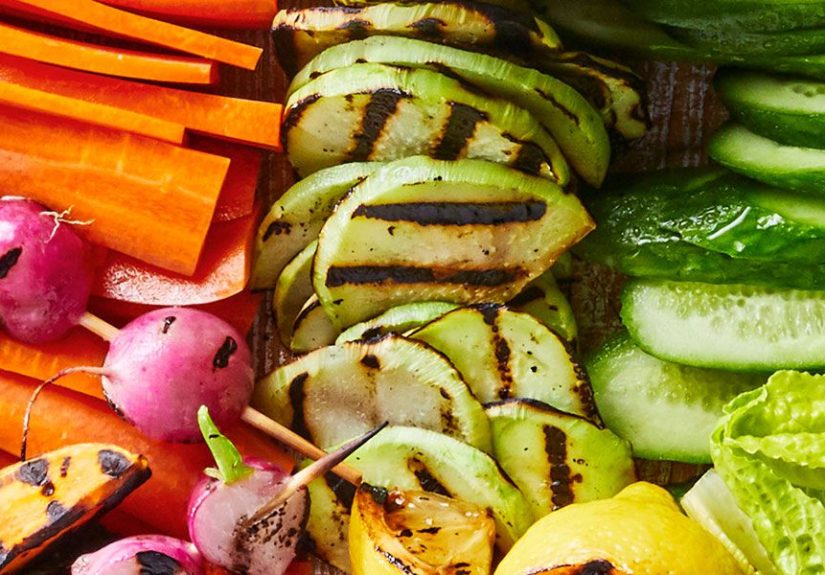
Recipe 4: Smoky Grilled Vegetable Tacos with Lime Yogurt Sauce
Grilling turns vegetables sweet and smoky, like they’ve been hanging out with the cool kids. If you don’t have a grill,
use a grill pan or broil on high.
Ingredients
- 2 zucchini, sliced lengthwise
- 1 red onion, thick rings
- 1–2 bell peppers, quarters
- 1 cup mushrooms (optional)
- Olive oil, salt, pepper
- 1 tsp smoked paprika + 1/2 tsp cumin
- Tortillas
Lime Yogurt Sauce
- 1/2 cup plain Greek yogurt
- 1 lime (juice + zest)
- Pinch of salt
- Optional: hot sauce, minced cilantro
How to cook it
- Toss vegetables with oil, salt, pepper, and spices.
- Grill 3–6 minutes per side until charred and tender.
- Slice, tuck into tortillas, drizzle sauce, and add crunchy toppings (cabbage, pickled onions, pepitas).
Make it a meal: Add black beans, avocado, and a squeeze of lime. Your tacos will taste like
summer even if it’s raining sideways outside.
Recipe 5: Creamy Roasted Cauliflower Soup (No Cream Needed, but Allowed)
The secret to good vegetable soup is flavor building. Start with aromatics (onion, carrot, celery),
then layer in roasted vegetables for depth. This one tastes like comfort food with a nutrition glow-up.
Ingredients
- 1 head cauliflower, florets
- 1 onion, chopped
- 1 carrot + 1 celery stalk, chopped
- 2 tbsp olive oil (or butter)
- 4 cups vegetable stock (store-bought or homemade)
- Salt, pepper
- Optional: thyme, bay leaf, pinch of nutmeg
- Finish: lemon juice, Parmesan, or a swirl of yogurt
How to cook it
- Roast cauliflower at 425°F with oil, salt, pepper until browned (20–30 minutes).
- In a pot, sauté onion, carrot, celery until soft and sweet (8–10 minutes).
- Add stock and roasted cauliflower. Simmer 10 minutes.
- Blend until smooth. Taste and adjust salt + acid (lemon is your friend).
Texture hack: Top with toasted breadcrumbs or croutons for crunch. Soup + crunch = happiness.
Recipe 6: “Clean-Out-the-Fridge” Vegetable Pasta (A.K.A. Dinner With Benefits)
This one is for the nights when you have half a bag of spinach, a lonely bell pepper, and the emotional
bandwidth of a spoon. The goal: use whatever vegetables you have and make it taste intentional.
How it works
- Base: olive oil + garlic (or butter + garlic)
- Vegetables: fresh and/or frozen (broccoli, peppers, kale, peas, corn, tomatoes)
- Liquid: a splash of broth or pasta water for sauce
- Finish: lemon + Parmesan (or nutritional yeast) + black pepper
Quick steps
- Cook pasta. Save 1 cup pasta water.
- Sauté vegetables in a large skillet. Add harder ones first, softer ones later.
- Add pasta, a splash of pasta water, and your finishers. Stir until glossy and saucy.
Why it’s great: This is one of the easiest vegetable recipes to customize. It also makes
leftovers you’ll actually want.
Frozen, Fresh, and “Oops I Bought Too Much”: Smart Vegetable Strategies
Frozen vegetables are not a compromise
Frozen vegetables are often processed quickly after harvest, which can help them taste reliably good year-round.
The key is cooking them the right way: high heat, no thawing (unless a recipe specifically calls for it), and
avoid crowding so they don’t steam.
Roasting tips that actually matter
- Don’t crowd the pan: space helps steam escape so you get browning.
- Go hot: 425°F is a common sweet spot for crisp-tender roasted vegetables.
- Use the right liner: parchment is convenient; foil can brown aggressively; a bare pan can crisp the most (but may stick).
- Season in layers: salt before roasting; finish with acid, fresh herbs, or cheese after.
Meal prep that doesn’t taste like punishment
- Roast a double batch of vegetables and repurpose: salads, grain bowls, wraps, omelets.
- Blanch-and-shock green vegetables for quick sides all week.
- Make a jar of “house dressing” (lemon + olive oil + mustard + honey) to rescue any bowl of vegetables.
Homemade Vegetable Stock (Use Your Scraps Like a Kitchen Wizard)
If you cook often, you probably generate vegetable “scraps” that are secretly flavor: onion ends, carrot peels,
celery leaves, herb stems. Save them in a freezer bag and turn them into stock for soups, grains, and sauces.
Best scraps for stock
- Onion, carrot, celery (classic base)
- Leek tops, fennel fronds, parsley stems, mushroom stems
- Corn cobs (amazing sweetness)
Avoid (usually)
- Huge amounts of crucifer scraps (broccoli, cauliflower) can get funky if overused
- Dirty peels (wash everything well)
- Strongly bitter greens in large amounts
Quick method
- Add scraps to a pot. Cover with water.
- Add bay leaf, peppercorns, and a pinch of salt (optional).
- Simmer gently 45–60 minutes. Strain. Cool. Freeze in containers.
The result: vegetable soup and sauces that taste like you spent all day cooking, when you actually spent all day
thinking about cooking.
Conclusion
Great vegetable recipes aren’t about willpower. They’re about reliable methodshot pans, smart seasoning, a little
crunch, and a confident squeeze of lemon at the end. Once you have a few go-to techniques (roasting, stir-fry,
blanch-and-shock, soup), vegetables stop being “something you should eat” and start being the thing you’re
genuinely excited to make.
Try one recipe this week. Then try the same recipe again with a different vegetable and a different finishing
flavor. That’s how you build a personal library of easy vegetable recipes that feel effortlessand taste
ridiculous in the best way.
Kitchen Experiences: The Real-Life Side of Vegetable Recipes (500+ Words)
Here’s a universal truth: the hardest part of eating more vegetables isn’t the cookingit’s the decision fatigue.
You open the fridge, see a bag of spinach staring back like it pays rent, and suddenly you’re considering cereal
for dinner. The best “experience-based” vegetable strategy is to reduce choices. Pick one method (like sheet-pan
roasting) and let it carry you for a week.
Another common experience: you roast vegetables, they smell incredible, you pull the pan out… and they’re soft.
Not bad-soft, but not the crispy-edged glory you imagined. This is almost always a spacing issue. Vegetables are
basically tiny water balloons. When they’re packed together, that water turns into steam and the whole pan becomes
a humid sauna. Give them room, and suddenly you get caramelized edges that make you want to “just taste one” and
accidentally eat half the tray.
Then there’s the salt learning curve. Many people under-salt vegetables because they’re afraid of overdoing it.
The result is a sad paradox: you cooked something healthy and it tastes like… responsibility. A better approach is
to salt in stages. Salt lightly before cooking, taste after, and finish with something salty and punchyParmesan,
feta, soy sauce, miso, or even a sprinkle of flaky salt. The moment vegetables taste “complete,” they stop feeling
like a side quest.
Frozen vegetables bring their own set of experiences. The first time someone throws frozen broccoli into a pan and
it leaks water like it’s auditioning for a waterfall documentary, they assume frozen is the problem. It’s not.
The pan just wasn’t hot enoughor it was too crowdedor both. High heat and patience turn frozen vegetables into a
legit weeknight solution. Once you nail that, you get the superpower of cooking vegetables without worrying about
produce going bad after three days of optimistic intentions.
And let’s talk about the “I bought a vegetable and forgot I owned it” phenomenon. This is why soups, stir-fries,
and stock are so emotionally soothing. They forgive you. Slightly limp carrots? Soup. Half a cabbage? Stir-fry.
Onion ends and herb stems? Stock. These recipes turn guilt into dinner, which is honestly the most supportive thing
a pot can do.
Finally, there’s the experience of cooking for other peoplekids, partners, roommates, guestswho may or may not be
enthusiastic about vegetables. The sneaky secret isn’t hiding vegetables; it’s making them feel fun. Add a
dip. Make tacos. Put crunchy toppings on everything. People don’t argue with crispy. They don’t complain about a
lemony yogurt sauce. They will, however, complain about a plain steamed vegetable that tastes like it was boiled
in regret.
Over time, these little experiences stack up into confidence. You start recognizing patterns: “This tastes flat,
I need acid.” “This is soft, I crowded the pan.” “This is bland, I didn’t use enough salt or a finishing sauce.”
That’s how vegetable recipes go from intimidating to automaticuntil one day you’re the person who brings a tray of
roasted vegetables to a gathering and people ask for the recipe like you invented vegetables.