Table of Contents >> Show >> Hide
- What Are Flanks?
- Why Do People Gain Fat Around the Flanks?
- Can You Spot-Reduce Flank Fat?
- How to Lose Flanks the Healthy Way
- 1. Create a Realistic Calorie Deficit
- 2. Build Meals Around Protein
- 3. Eat More Fiber Without Making It Weird
- 4. Limit Added Sugars and Ultra-Processed Foods
- 5. Prioritize Strength Training
- 6. Add Cardio You Do Not Hate
- 7. Train the Core for Strength, Not Magic
- 8. Sleep Like It Is Part of the PlanBecause It Is
- 9. Manage Stress Without Pretending Life Is a Spa Brochure
- A Simple Weekly Plan to Reduce Flanks
- Best Exercises for the Flank Area
- Common Mistakes When Trying to Lose Flanks
- What to Eat to Support Flank Fat Loss
- How Long Does It Take to Lose Flank Fat?
- When to Get Professional Help
- Personal Experience: What Healthy Flank Fat Loss Really Feels Like
- Conclusion
If you have ever stood in front of a mirror, turned slightly sideways, and wondered why your waistline seems to have developed tiny side handles like a suspiciously ergonomic coffee mug, you have met your flanks. In everyday fitness language, people often use “flanks” to describe the side area of the waist and lower torso, especially where extra fat can sit above the hips. You may also hear the more dramatic nickname: love handles. Charming name, stubborn location.
But here is the important truth: your flanks are not a problem to “attack.” They are a normal part of your body. The goal is not to punish them with endless side bends, rubbery detox teas, or a workout routine that looks like a squirrel trying to escape a laundry basket. The goal is to understand what flanks are, why fat can collect there, and how to reduce overall body fat in a healthy, realistic, and sustainable way.
This guide breaks down what flanks are, why spot reduction is mostly fitness folklore, and how to lose flank fat through smart nutrition, full-body exercise, sleep, stress management, and consistency. No crash diets. No magic waist wraps. No promises that a single plank will reveal superhero abs by Friday.
What Are Flanks?
The flanks are the side areas of your torso, roughly between the lower ribs and the hips. In medical language, the flank area is often discussed in relation to side-body or back-side pain, especially because the kidneys sit deeper in that general region. In everyday body-composition conversations, however, “flanks” usually refers to the soft tissue and fat around the sides of the waist.
When people say they want to “lose flanks,” they usually mean they want to reduce fat around the side waist, lower back, and hip area. This is the same region commonly called love handles, muffin top, side belly fat, or waist fat. The names are playful, but the frustration is real. Pants may feel tighter. Shirts may cling. A fitted dress or tucked-in shirt may suddenly feel like it has a personal grudge.
Flank Fat vs. Flank Pain
Before we go deeper, let us separate two very different things: flank fat and flank pain. Flank fat is the visible or pinchable fat around the sides of the waist. Flank pain is discomfort on one or both sides of the body between the upper abdomen and the back. Pain in this region can come from muscle strain, spinal issues, kidney stones, urinary infections, or other medical causes.
If you have sharp, severe, persistent, or unexplained flank painespecially with fever, chills, nausea, blood in the urine, burning urination, or frequent urinationdo not treat it like a fitness issue. That is a “call a healthcare professional” situation, not a “do more bicycle crunches” situation.
Why Do People Gain Fat Around the Flanks?
Flank fat happens for the same general reasons fat accumulates anywhere: energy balance, genetics, hormones, age, stress, sleep, lifestyle, and body composition. Some people store more fat around the hips and thighs. Others store it around the abdomen and flanks. Your body has its own storage strategy, and unfortunately, it did not ask for your opinion during the design meeting.
1. Genetics and Body Shape
Your genes influence where your body tends to store fat. Some people gain weight first in the belly and flanks, while others notice changes in the thighs, arms, chest, or face. This does not mean you are stuck forever. It simply means your fat-loss journey may show progress in some areas before others.
2. Calorie Surplus Over Time
When you consistently take in more energy than your body uses, the extra energy can be stored as fat. That fat does not always distribute evenly. For many adults, especially as activity levels drop, extra fat tends to appear around the waistline, abdomen, and flanks.
3. Age and Hormonal Changes
As people age, muscle mass can decline and metabolism may slow. Hormonal shifts can also influence fat distribution. This is why someone may eat the same way they did in their twenties but notice a different body response in their thirties, forties, fifties, and beyond. Your body changes its software updates without sending a polite notification.
4. Stress and Poor Sleep
Chronic stress and inadequate sleep can make weight management harder. Poor sleep may affect hunger and fullness hormones, increase cravings, lower energy for movement, and make high-calorie comfort foods feel like they are whispering your name from the pantry. Stress can also encourage emotional eating and make consistency more difficult.
5. Low Muscle Mass
Muscle is metabolically active tissue. Strength training helps preserve or build lean mass, supports posture, improves daily function, and can make your body look firmer as fat decreases. If you lose weight without strength training, you may lose more muscle than necessary, which is not ideal for long-term body composition.
Can You Spot-Reduce Flank Fat?
Here comes the part many people do not want to hear but absolutely need to know: you cannot reliably choose exactly where your body loses fat first. Side bends, Russian twists, and oblique crunches can strengthen the muscles around your waist, but they do not melt the fat sitting directly above those muscles like butter on a skillet.
That does not make core training useless. Far from it. A strong core supports posture, balance, back health, athletic performance, and a tighter-looking midsection as overall body fat drops. But if your goal is to reduce flanks, the winning formula is not “1,000 side crunches.” It is overall fat loss plus muscle-building exercise plus lifestyle habits you can actually maintain.
How to Lose Flanks the Healthy Way
Healthy flank fat loss is really healthy total-body fat loss. Think of it as lowering the water level in a lake. You cannot scoop water only from the left corner and expect that one corner to shrink while the rest stays the same. As the overall level drops, different areas reveal change at different speeds.
1. Create a Realistic Calorie Deficit
Fat loss requires using more energy than you consume over time. But “calorie deficit” does not mean starvation, skipping meals, or living on lettuce and motivational quotes. A healthy deficit is moderate, consistent, and supported by nutrient-rich foods.
A good starting point is to reduce portions slightly, limit liquid calories, cook more meals at home, and build plates around protein, fiber-rich carbohydrates, vegetables, fruits, and healthy fats. Extreme restriction often backfires because hunger, cravings, irritability, and social misery eventually kick down the door.
Aim for gradual progress. For many adults, losing about 1 to 2 pounds per week is considered a realistic and sustainable pace. Some weeks will be faster. Some weeks will be slower. Some weeks your body will appear to be negotiating with gravity. That is normal.
2. Build Meals Around Protein
Protein supports muscle repair, helps you feel full, and is especially important when you are losing weight. Good options include eggs, Greek yogurt, cottage cheese, fish, chicken, turkey, lean meats, tofu, tempeh, beans, lentils, edamame, and protein-rich whole foods.
A simple meal formula is: protein plus plants plus smart carbs plus healthy fat. For example, grilled salmon with roasted vegetables and brown rice. Or eggs with avocado, berries, and whole-grain toast. Or tofu stir-fry with vegetables and quinoa. None of these meals require a secret handshake from the fitness industry.
3. Eat More Fiber Without Making It Weird
Fiber helps with fullness, digestion, and blood sugar steadiness. It also makes meals more satisfying without requiring a dramatic calorie load. Add fiber through vegetables, fruits, beans, lentils, oats, barley, chia seeds, flaxseed, nuts, and whole grains.
If your current fiber intake is low, increase slowly. Going from “almost none” to “bean festival” overnight may create digestive drama. Your stomach may file a formal complaint.
4. Limit Added Sugars and Ultra-Processed Foods
You do not have to ban dessert forever. A healthy plan that includes occasional treats is usually more sustainable than one that turns cookies into forbidden artifacts. But frequent intake of sugary drinks, pastries, candy, chips, fast food, and highly processed snacks can make it easy to overshoot calories while staying hungry.
Start with the obvious swaps: water or unsweetened drinks instead of soda, fruit and yogurt instead of candy most days, homemade meals instead of constant takeout, and snacks that contain protein or fiber instead of snacks that disappear in three bites and leave you emotionally unfinished.
5. Prioritize Strength Training
Strength training is one of the best tools for reshaping your body while losing fat. It helps preserve muscle, supports metabolism, improves posture, and creates a firmer look as body fat decreases.
A balanced program should include major movement patterns: squats or lunges, hip hinges like deadlifts, pushing movements like push-ups or presses, pulling movements like rows, and core stability exercises. You can use dumbbells, resistance bands, machines, kettlebells, or your own body weight.
For beginners, two to three full-body sessions per week is a strong start. Focus on form first. Your goal is not to impress the person near the dumbbell rack who is making dinosaur noises. Your goal is controlled, progressive movement.
6. Add Cardio You Do Not Hate
Cardio helps burn calories, improves heart health, supports endurance, and can help reduce abdominal fat when paired with nutrition. Walking, cycling, swimming, dancing, rowing, hiking, jogging, and elliptical workouts all count. The best cardio is the one you can repeat without plotting revenge against your sneakers.
A practical target is at least 150 minutes of moderate-intensity aerobic activity per week. That could be 30 minutes, five days per week. If you already do that and your body handles it well, gradually increasing duration, pace, or intensity can support fat loss.
7. Train the Core for Strength, Not Magic
Core exercises will not directly erase flank fat, but they can strengthen the obliques, transverse abdominis, and deep stabilizing muscles around your trunk. This can improve posture, support your spine, and make your waistline look more athletic as overall body fat drops.
Helpful core exercises include side planks, dead bugs, bird dogs, Pallof presses, farmer carries, mountain climbers, cable chops, and controlled Russian twists. You do not need to do all of them in one workout. Choose two or three, perform them with good technique, and progress over time.
8. Sleep Like It Is Part of the PlanBecause It Is
Sleep is not just recovery glitter sprinkled on top of your plan. It is part of the plan. Poor sleep can increase hunger, reduce energy, raise cravings, and make workouts feel much harder than they need to be.
Try setting a consistent bedtime, limiting late-night scrolling, keeping your room cool and dark, reducing caffeine later in the day, and creating a wind-down routine. Your future self may not write you a thank-you card, but they will appreciate not waking up feeling like a phone battery stuck at 12%.
9. Manage Stress Without Pretending Life Is a Spa Brochure
Stress is real. Work deadlines, family responsibilities, finances, health concerns, and everyday chaos can all affect eating patterns and motivation. You do not need a perfect meditation cave to reduce stress. Start with small tools: short walks, breathing exercises, journaling, stretching, time outdoors, talking with a friend, or taking five quiet minutes before meals.
Stress management matters because consistency is easier when your nervous system is not constantly running a five-alarm fire drill.
A Simple Weekly Plan to Reduce Flanks
Here is a realistic weekly structure for healthy flank fat loss. Adjust it based on your fitness level, schedule, and medical needs.
- Monday: Full-body strength training plus a 10-minute walk after dinner.
- Tuesday: 30 to 45 minutes of brisk walking, cycling, swimming, or dancing.
- Wednesday: Full-body strength training with core stability work.
- Thursday: Light cardio, mobility, or an active recovery walk.
- Friday: Full-body strength training or resistance-band workout.
- Saturday: Longer enjoyable movement, such as hiking, sports, or a long walk.
- Sunday: Rest, meal planning, stretching, and sleep reset.
Pair this with meals that include protein, vegetables, fiber-rich carbs, and healthy fats. Keep treats planned rather than random. Drink enough water. Track progress with waist measurements, photos, strength improvements, energy levels, and how your clothes fitnot just the scale.
Best Exercises for the Flank Area
These exercises strengthen the muscles around the waist and core. They are not fat-melting spells, but they are excellent tools for building a stronger, more stable midsection.
Side Plank
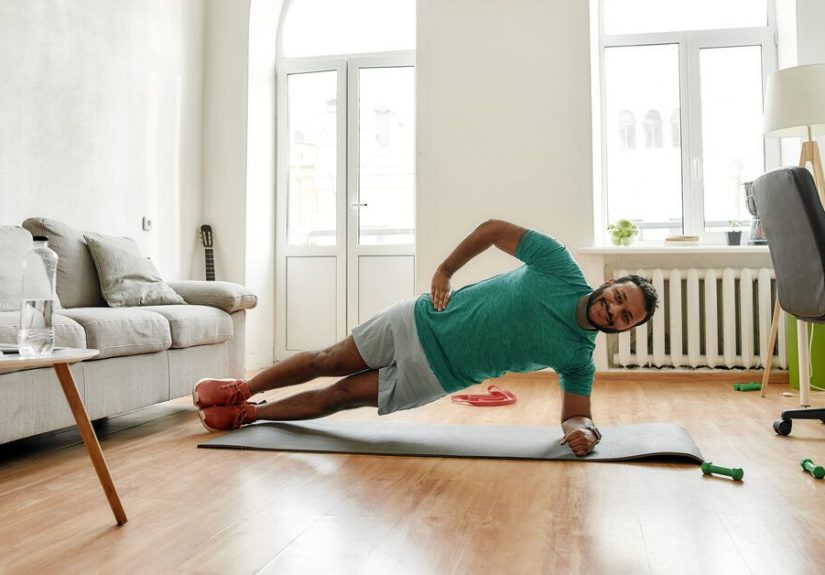
Lie on one side, stack your feet, and support your body on your forearm. Lift your hips and hold a straight line from head to heels. Start with 15 to 30 seconds per side and build gradually.
Pallof Press
Use a resistance band or cable machine. Stand sideways to the anchor point and press the handle straight out from your chest while resisting rotation. This trains anti-rotation strength, which is excellent for the obliques.
Farmer Carry
Hold a heavy dumbbell or kettlebell in each hand and walk with tall posture. This simple move trains grip, shoulders, core, and trunk stability. It also makes you feel like you are carrying groceries with heroic purpose.
Mountain Climbers
Start in a plank position and alternate driving your knees toward your chest. Keep your core tight and avoid bouncing wildly. Use a slow version for control or a faster version for conditioning.
Cable or Band Wood Chop
Move a cable or resistance band diagonally across your body while keeping your hips and core controlled. This trains rotational strength and coordination.
Common Mistakes When Trying to Lose Flanks
Mistake 1: Doing Only Ab Work
Core training is helpful, but it should not be your entire plan. Full-body strength training and cardio burn more energy and create broader body-composition changes.
Mistake 2: Eating Too Little
Severe restriction may lead to fatigue, cravings, muscle loss, and rebound overeating. A moderate calorie deficit is more sustainable and usually more effective over the long term.
Mistake 3: Ignoring Weekends
Many people eat carefully Monday through Friday and accidentally erase progress on Saturday and Sunday. You do not need to be perfect, but weekend meals, alcohol, desserts, and snacks still count.
Mistake 4: Expecting Instant Results
Flank fat may be one of the later areas to change. That does not mean your plan is failing. It means your body has its own timeline. Stay consistent long enough for the results to become visible.
Mistake 5: Skipping Strength Training
Cardio alone can help with weight loss, but strength training helps improve shape, muscle tone, posture, and long-term maintenance. Do not skip the weights just because the treadmill has a cup holder.
What to Eat to Support Flank Fat Loss
Instead of chasing a “flank fat diet,” focus on a balanced eating pattern. Build most meals from whole or minimally processed foods. Include lean proteins, high-fiber carbohydrates, colorful produce, and healthy fats.
A sample day could look like this:
- Breakfast: Greek yogurt with berries, chia seeds, and a small handful of nuts.
- Lunch: Grilled chicken or tofu bowl with brown rice, roasted vegetables, greens, and avocado.
- Snack: Apple with peanut butter or cottage cheese with fruit.
- Dinner: Salmon, beans, or turkey with sweet potato and a large salad.
- Treat: A small dessert you actually enjoy, eaten mindfully instead of inhaled over the sink like a raccoon with Wi-Fi.
The key is not perfection. The key is repeatability. A plan you can follow for months will beat a dramatic plan you abandon after six days and one stressful email.
How Long Does It Take to Lose Flank Fat?
The honest answer is: it depends. Your starting point, genetics, calorie intake, activity level, sleep, stress, hormones, medications, and consistency all matter. Some people notice waist changes in a few weeks. Others need several months.
Instead of asking, “How fast can I lose my flanks?” ask, “What habits can I repeat for the next 90 days?” That question leads to better outcomes. Track your waist measurement every two to four weeks, take progress photos under similar lighting, and notice improvements in strength, stamina, sleep, and mood.
When to Get Professional Help
Consider talking with a healthcare professional, registered dietitian, or certified fitness professional if you have a medical condition, take medications that affect weight, have a history of disordered eating, experience unexplained weight gain, have persistent flank pain, or feel unsure how to begin safely.
Professional support can also help if you are doing “everything right” but not seeing progress. Sometimes the issue is not effort. It may be hidden calories, poor recovery, unrealistic targets, inconsistent tracking, hormonal changes, or a plan that does not fit your real life.
Personal Experience: What Healthy Flank Fat Loss Really Feels Like
Trying to lose flanks can be strangely emotional because the area is easy to notice and hard to hide. Many people begin with the same routine: stand in the mirror, pinch the side waist, twist left, twist right, sigh dramatically, and decide that Monday will be the beginning of a new personality. By Wednesday, the salad is boring, the workout playlist is already annoying, and the couch is making a strong legal argument.
The healthier experience usually starts when you stop treating your flanks like an enemy and start treating your body like a project worth caring for. In real life, the first win may not be a smaller waist. It may be walking after dinner four nights in a row. It may be choosing a protein-rich breakfast and realizing you are not hunting for snacks at 10:30 a.m. It may be lifting heavier dumbbells after three weeks and feeling your posture improve. These little wins matter because they are the roots of visible change.
One common experience is that the scale moves before the waist doesor the waist changes before the scale does. This can be confusing. You may feel stronger and notice your jeans fitting better, while the scale acts like it has signed a non-disclosure agreement. That is why waist measurements, photos, and strength progress are useful. Your body can change in ways that a single number does not capture.
Another real-life lesson: weekends count, but they do not have to ruin everything. Many people eat balanced meals during the week, then turn Saturday into a nacho-powered festival of freedom. Enjoying food is part of life. The trick is learning moderation without guilt. Have the pizza, but add a salad. Enjoy dessert, but do not let one treat become an all-day snack parade. Healthy fat loss is not about being flawless; it is about returning to your habits quickly.
Exercise also feels different once you stop using it as punishment. A brisk walk becomes a way to clear your head. Strength training becomes proof that your body is capable. Core work becomes less about “burning love handles” and more about feeling stable, strong, and confident. When movement becomes something you do for energy and self-respect, consistency becomes much easier.
The hardest part is patience. Flank fat can be stubborn, and it may not disappear evenly. You might lose fat from your face, arms, or upper abdomen first. That does not mean the plan is broken. It means your body is following its own order of operations. Keep going. Keep eating enough protein and fiber. Keep lifting. Keep walking. Keep sleeping. Keep managing stress in small, realistic ways.
Eventually, the changes add up. Your waist feels less tight. Your clothes sit differently. Your side profile changes. More importantly, you feel better in your own bodynot because it became perfect, but because you built trust with yourself. That is the real healthy way to lose flanks: not through panic, gimmicks, or punishing workouts, but through steady habits that make your whole life feel lighter.
Conclusion
Flanks are the side areas of the torso between the ribs and hips, and extra fat in this region is commonly called love handles. While it is completely normal to store fat there, reducing flank fat in a healthy way means focusing on overall body fat lossnot spot reduction. The best approach combines a moderate calorie deficit, protein-rich meals, fiber, full-body strength training, cardio, core stability work, quality sleep, and stress management.
There is no magic exercise that melts side waist fat overnight. But there is a reliable path: build habits you can repeat, measure progress realistically, and give your body enough time to respond. Your flanks did not appear in a weekend, and they will not leave because you did three side planks while glaring at your reflection. But with consistency, patience, and a plan that respects your health, real change is absolutely possible.