Table of Contents >> Show >> Hide
- The Short Answer: Artemus Ward Is Usually Called the First Stand-Up Comic
- Why the Question Is Trickier Than It Sounds
- Artemus Ward: The Comic Lecturer Who Started It All
- Mark Twain and the Rise of the Comic Lecture
- Charley Case: The Missing Link to Modern Stand-Up
- So Who Really Deserves the Title?
- What Early Stand-Up Comedy Sounded Like
- How Vaudeville Changed Comedy Forever
- Why the First Stand-Up Comic Still Matters
- Modern Stand-Up Still Uses Old Tools
- Experiences and Reflections: What the First Stand-Up Comic Teaches Us Today
- Conclusion
Ask ten comedy historians, “Who was the first stand-up comic?” and you may get one answer, three caveats, and a polite argument that lasts longer than a modern streaming special. That is because stand-up comedy did not arrive one Tuesday wearing a blazer and holding a microphone. It evolved from lecture halls, vaudeville stages, minstrel shows, humorous storytelling, political speeches, and the ancient human urge to stand in front of other people and say, “Have you noticed how weird life is?”
Still, if we are talking about American stand-up comedy as a recognizable performance style, one name rises to the top: Artemus Ward, the pen name of Charles Farrar Browne. Many comedy historians describe Ward as America’s first stand-up comic because he toured in the 1850s and 1860s delivering comic lectures that depended on timing, persona, irony, and direct audience engagement. In other words, he was doing something that looks surprisingly familiar to anyone who has watched a comedian pace a stage and build a joke out of a ridiculous observation.
But Ward is not the only important figure in the story. Mark Twain helped popularize the comic lecture. Charley Case, a vaudeville performer of the late 19th century, is often credited with shaping the prop-free, one-person humorous monologue that looks even closer to modern stand-up. So the most honest answer is this: Artemus Ward is usually considered the first American stand-up comic, while Charley Case helped define what stand-up would become.
The Short Answer: Artemus Ward Is Usually Called the First Stand-Up Comic
Artemus Ward was born Charles Farrar Browne in Maine in 1834. He became a newspaper humorist, created the fictional character “Artemus Ward,” and built a public career around comic writing and live lectures. His stage persona was a sly, deadpan showman who appeared simple on the surface but delivered sharp humor through absurd phrasing, mock seriousness, and carefully controlled timing.
Ward toured with comic lectures at a time when public lectures were a major form of entertainment in the United States. Audiences gathered not only to learn but to be amused, dazzled, and occasionally tricked into thinking education had happened. Ward’s performances blended storytelling, satire, character comedy, and verbal misdirection. That combination makes him a strong candidate for the title of first stand-up comedian.
He did not use a handheld microphone, did not release a Netflix special, and almost certainly did not complain about airport boarding groups. But the core ingredients were there: one performer, one audience, a comic voice, and the expectation that laughter was the point.
Why the Question Is Trickier Than It Sounds
The phrase “stand-up comedy” is modern compared with the art form itself. Before people used that exact label, performers were already telling jokes, doing comic lectures, delivering monologues, singing parody songs, and entertaining crowds in variety theaters. The history of stand-up is less like inventing the light bulb and more like inventing soup. Many people added ingredients before anyone wrote down the recipe.
Comedy Existed Long Before Stand-Up
Comic performance is ancient. Greek playwrights used satire, Roman performers mocked public life, court jesters survived by being funny near powerful people, and traveling entertainers told humorous stories for centuries. But those traditions were not stand-up comedy in the modern sense. They were theater, storytelling, clowning, satire, or folk performance.
Modern stand-up usually means a performer appears as themselves or as a lightly exaggerated version of themselves, speaks directly to the audience, and builds laughter through jokes, stories, observations, and timing. That direct relationship with the audience is what separates stand-up from scripted theater or sketch comedy.
The 19th Century Created the Perfect Stage
In the United States, the 1800s produced several entertainment spaces that helped stand-up take shape. Lecture circuits brought speakers to towns across the country. Minstrel shows, though deeply rooted in racist performance traditions, influenced American popular entertainment and comic monologue structures. Vaudeville later created a fast-moving variety format where singers, dancers, magicians, acrobats, and comedians competed for audience attention.
Out of this noisy world came the early stand-up comic: a performer who could hold a crowd with words alone. No elephant. No chorus line. No cannon. Just jokes. Terrifying, really.
Artemus Ward: The Comic Lecturer Who Started It All
Artemus Ward’s importance lies in how he transformed the lecture into a comedy vehicle. His performances were not simply readings of funny essays. They were live comic events built around persona and timing. He used a deliberately awkward style, odd spellings in his printed work, and a voice that made foolishness sound profound. That gap between what he seemed to say and what he actually meant created much of the humor.
Ward’s comedy often worked through exaggeration and mock innocence. He could appear naïve while quietly skewering politics, culture, show business, and human vanity. His humor was dry enough to qualify as a fire hazard in certain climates.
What Made Artemus Ward Feel Like a Stand-Up Comic?
Ward’s act had several features that connect him to modern stand-up comedy:
- A clear comic persona: He performed as “Artemus Ward,” a fictional showman with a distinct voice.
- Direct address: His lectures were designed for live audiences, not just readers.
- Timing and delivery: His humor depended on pauses, phrasing, and surprise.
- Topical wit: He commented on public life and popular culture.
- Touring performance: Like modern comics, he traveled to bring his act to audiences.
Ward also influenced other humorists, most famously Mark Twain. That influence matters because Twain became one of the most important comic voices in American culture. When a comedian influences Mark Twain, that comedian is not exactly working open mic night at the back of a sandwich shop.
Mark Twain and the Rise of the Comic Lecture
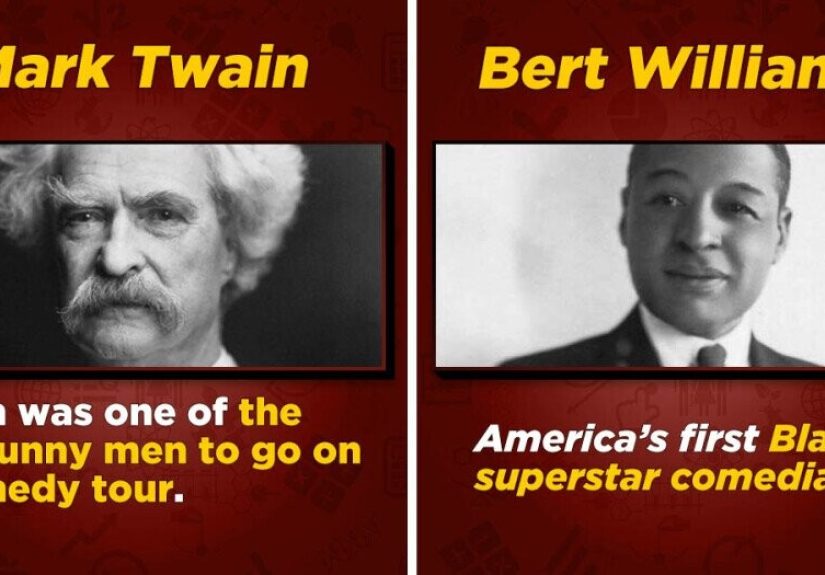
Mark Twain is sometimes mentioned in discussions of early stand-up because he toured as a lecturer and developed a legendary stage presence. Twain’s live performances were witty, polished, and deeply rooted in storytelling. His lectures helped turn literary humor into public performance.
Twain’s famous deadpan delivery became part of his brand. He could let a sentence sit in the air until the audience discovered the joke for itself. That style is still one of the great weapons of stand-up comedy. The pause is not empty space; it is where the laugh gets its luggage.
However, Twain was not quite the first. He followed and admired performers like Artemus Ward. If Ward helped build the bridge between humorous writing and live comic performance, Twain marched across it wearing a white suit and carrying better marketing.
Charley Case: The Missing Link to Modern Stand-Up
While Artemus Ward is often called the first American stand-up comic, Charley Case deserves major attention. Case performed in vaudeville in the late 1800s and early 1900s. He was known for standing alone onstage and telling funny stories without elaborate props, costumes, or theatrical machinery. That format sounds strikingly close to modern stand-up.
Case’s style mattered because vaudeville was packed with spectacle. Performers often relied on songs, costumes, characters, tricks, or physical routines. Case showed that a comedian could succeed with little more than a voice, a body, and a strong sense of rhythm. In comedy terms, that is like showing up to a sword fight with a butter knife and somehow winning because the butter knife has excellent timing.
Why Some People Credit Charley Case Instead
Some comedy historians and writers argue that Case should be considered the first true stand-up comic because his act more closely resembled what modern audiences recognize as stand-up. He was not mainly a comic lecturer in the 19th-century lyceum tradition. He was a stage comedian delivering humorous monologues directly to paying entertainment audiences.
The challenge is documentation. Case’s career is less thoroughly recorded than those of Artemus Ward or Mark Twain. Much of what survives comes through references, memories, and later accounts. That makes him both fascinating and difficult to pin down. He is a crucial figure, but the historical paper trail is thinner than comedy club nacho cheese.
So Who Really Deserves the Title?
The best answer depends on how we define “stand-up comic.” If we mean the first major American performer to use live comic lectures in a way that shaped stand-up comedy, Artemus Ward is the strongest answer. If we mean the first performer whose act closely resembled a modern stand-up set, Charley Case has a powerful claim.
Here is a useful way to look at it:
- Artemus Ward: Often considered America’s first stand-up comedian because of his comic lecture tours and influence on later humorists.
- Mark Twain: A major popularizer of humorous stage lectures and deadpan storytelling.
- Charley Case: A key vaudeville figure whose direct, prop-free comic monologues anticipated modern stand-up.
In other words, Ward may be the first stand-up comic in the historical sense, while Case may be the first stand-up comic in the format sense. Comedy history, like a good joke, depends on setup.
What Early Stand-Up Comedy Sounded Like
Early stand-up was not the same as today’s comedy. There were no brick-wall stages, podcast clips, crowd-work videos, or audience members recording every joke while holding phones vertically like courtroom evidence. Early performers used longer stories, comic lectures, songs, dialect humor, and character-based routines.
Much of the humor came from exaggerated speech, absurd logic, and social satire. A performer might tell a long story in a mock-serious tone, allowing the foolishness to build slowly. The punchline was not always a quick one-liner. Sometimes the whole story was the joke.
The Role of Persona
One of the most important contributions of early comics was the use of persona. Artemus Ward was not simply Charles Farrar Browne talking casually. He was performing a constructed comic identity. Mark Twain also turned himself into a stage character: wise, dry, sharp, and mischievously calm.
Modern stand-up still relies on persona. Some comics play anxious truth-tellers. Others play angry observers, confused parents, polished storytellers, chaotic philosophers, or lovable disasters in sneakers. The audience may feel they are seeing the “real” person, but stand-up usually involves a crafted version of reality.
How Vaudeville Changed Comedy Forever
Vaudeville was a major training ground for American comedy. It forced performers to be quick, clear, and memorable. A vaudeville bill might include a dozen acts, so comedians had to win over audiences fast. If they failed, they did not have the luxury of a slow-burn prestige arc. They had a few minutes before the juggler came out.
This environment helped sharpen joke structure. Comedy became more direct. Monologists learned to create laughs quickly, move efficiently from one bit to another, and develop catchphrases or signature rhythms. Vaudeville also helped create the idea of comedy as a professional craft rather than a casual talent.
From Vaudeville to Nightclubs
As entertainment changed in the 20th century, comedy moved through burlesque houses, radio, nightclubs, television, comedy albums, cable specials, and eventually streaming platforms. Each era changed the style. Radio rewarded voice. Television rewarded facial expression and clean structure. Nightclubs rewarded intimacy and edge. Streaming rewards personality, originality, and the ability to generate clips that travel faster than gossip at a family reunion.
But the basic structure remains recognizable: one person, one audience, and the risky little miracle of trying to make strangers laugh on purpose.
Why the First Stand-Up Comic Still Matters
Knowing who came first is not just trivia for people who alphabetize their comedy albums. It helps explain how stand-up became one of America’s most influential art forms. Stand-up comedy is now a space for entertainment, social criticism, personal storytelling, political commentary, and cultural analysis. The comic onstage may look casual, but the form carries a long history.
Artemus Ward’s comic lectures showed that a humorous voice could hold a live audience. Mark Twain proved that literary wit could become stagecraft. Charley Case demonstrated the power of a solo comic monologue in popular entertainment. Together, they helped create the path that led to modern stand-up legends.
Modern Stand-Up Still Uses Old Tools
Watch a great comedian today and you can still see the old machinery working. The deadpan pause? Twain would recognize it. The exaggerated persona? Ward would understand immediately. The prop-free monologue? Case helped clear that lane. Even crowd work has roots in older forms of direct audience address.
The tools have changed, but the comic challenge is the same. A stand-up comic must create trust, surprise, rhythm, and release. They must make the audience believe the next sentence is worth hearing. That was true in a 19th-century lecture hall, a vaudeville theater, a smoky nightclub, and a sold-out arena where the back row is basically watching a very funny postage stamp.
Experiences and Reflections: What the First Stand-Up Comic Teaches Us Today
Thinking about the first stand-up comic is more than a history lesson. It is also a reminder that comedy often begins in uncertainty. Artemus Ward did not have a rulebook for stand-up. He did not have comedy podcasts explaining joke structure, social media clips to test material, or a manager saying, “We need more relatable content about grocery stores.” He had to discover what worked by standing in front of real audiences and listening for laughter.
That experience feels familiar to anyone who has ever tried to be funny in public. Comedy is one of the quickest ways to learn humility. A joke either lands or it limps away quietly, pretending it meant to do that. Early comics had to develop instincts through repetition. They learned where to pause, when to push, when to soften a line, and how to recover when a room turned colder than leftover soup.
The story of Artemus Ward also shows the importance of voice. He became memorable because he sounded like himself, or at least like the comic character he invented. That is still the secret of great stand-up. Audiences do not only want jokes; they want a perspective. They want to hear someone describe the world in a way that feels fresh, surprising, and oddly true. A basic joke can make people laugh, but a strong comic voice makes people come back.
Charley Case’s example adds another lesson: simplicity can be powerful. Standing alone and telling stories without props may sound minimal, but it is also brave. There is nowhere to hide. No scenery can rescue weak timing. No costume can disguise a dull punchline. The performer has to create the entire world with language, rhythm, and presence. Modern comics still face that same test every time they step onstage.
There is also something inspiring about how comedy grows from many places at once. Stand-up was not invented in a laboratory by a man in a bow tie shouting, “Eureka, but make it observational!” It emerged from newspapers, lecture halls, theaters, traveling shows, political speeches, and everyday storytelling. That messy origin is part of its charm. Comedy belongs to anyone who can notice life’s absurdity and shape it into a laugh.
For writers, performers, and comedy fans, the history of the first stand-up comic offers a useful creative lesson: originality often comes from combining familiar things in a new way. Artemus Ward combined journalism, character, lecture, and satire. Mark Twain combined literature, storytelling, and performance. Charley Case helped strip comedy down to the direct monologue. Each step moved the form closer to what we now recognize.
The next time you watch a stand-up special, visit a comedy club, or hear someone tell a perfectly timed story at dinner, you are seeing part of that long tradition. The stage may be brighter, the microphones better, and the ticket fees more emotionally complicated, but the human exchange is old: one person risks embarrassment so everyone else can feel the joy of recognition. That is a generous act, even when the joke is about bad dates, airport snacks, or the mysterious emotional life of printers.
So, who was the first stand-up comic? Artemus Ward is the best historical answer. But the fuller answer is that stand-up comedy was built by many performers who discovered, one laugh at a time, that a person with a point of view could command a room. Ward may have opened the door, Twain widened it, and Case walked through it looking remarkably modern. Every comic since has been trying to follow them without tripping over the microphone cord.
Conclusion
The first stand-up comic was probably Artemus Ward, at least if we define stand-up as a live comic performance built around a solo humorist, a distinctive persona, and direct audience laughter. His comic lectures in the mid-19th century helped create the foundation for American stand-up comedy. Mark Twain expanded the tradition with brilliant stage storytelling, while Charley Case brought the form closer to the modern stand-up monologue through his vaudeville performances.
The title “first stand-up comic” may never be perfectly settled because comedy evolved gradually. But that uncertainty makes the story richer. Stand-up was not born fully formed. It was assembled from lectures, stories, satire, vaudeville, and the timeless thrill of making a roomful of people laugh. Artemus Ward remains the most widely accepted starting point, but the history of stand-up is really a relay race of funny people passing the microphone before microphones were even part of the job.