Table of Contents >> Show >> Hide
- What’s “normal” for period blood smell?
- Why does period blood smell at all? (The not-scary science)
- Common (usually harmless) reasons your period smells stronger
- Odor decoder: what different smells can suggest
- When odor can signal a problem (and what it might be)
- Fishy odor + thin gray/white discharge: possible bacterial vaginosis (BV)
- Foul/rotten odor: possible retained tampon or other foreign body
- Bad smell + frothy yellow/green discharge or genital irritation: possible trichomoniasis
- Itching/burning + thick “cottage cheese” discharge: possible yeast infection
- Unusual vaginal odor without clear infection symptoms
- What to do about period odor (without starting a fragrance arms race)
- When to call a clinician
- Quick FAQs
- Conclusion
- Experiences: What People Commonly Notice (and What Helps)
If you’ve ever gone to change a pad or tampon and thought, “Whoa… that is not the vibe,” welcome to a very normal human moment. Period blood can smell different from day to day (and person to person), and most of the time it’s just your body doing the perfectly unglamorous chemistry of blood + bacteria + air + time. Still, certain odors can be a clue that something’s off and the trick is learning the difference between “normal bodily funk” and “please call your clinician.”
Let’s decode what period odor usually means, why it happens, and what you can do without dousing your life in fragrance or starting a war with your vagina’s microbiome. (Spoiler: your vagina is not asking for a floral rinse. It’s asking for peace.)
What’s “normal” for period blood smell?
Normal menstrual odor is typically mild and may be more noticeable when blood sits on a pad/tampon or in a cup for a while. “Normal” doesn’t mean “odorless,” it means “not alarming and not paired with other symptoms like itching, burning, pain, fever, or unusual discharge.”
1) Metallic (like pennies or a copper coin)
This is the classic: a slightly metallic smell from iron in blood. If your period smells a bit like you licked a battery (please don’t), it’s usually just the iron doing iron things especially on heavier flow days.
2) Musky, earthy, or “body” smell
Your vulva has sweat glands, your groin is warm, and periods often come with extra moisture. Add underwear, tight pants, and a long day, and you get a stronger “human” smell. Annoying? Sure. Dangerous? Usually not.
3) Slightly sour or tangy
Vaginas are naturally acidic. During your period, that balance can shift, and the scent can change with it. Mild sourness can be normal, especially if it fades when your period ends.
Why does period blood smell at all? (The not-scary science)
Menstrual fluid isn’t just blood. It’s a mix of blood, uterine lining tissue, cervical mucus, and vaginal fluid and then it interacts with: air, your skin, your underwear, and the bacteria that normally live in and around the vagina.
- Iron + oxygen can create a metallic odor as blood oxidizes.
- Time + warmth lets bacteria break down fluid, which can intensify smell.
- pH changes matter: menstrual blood is more alkaline than the vagina’s usual acidic environment, so your overall vaginal pH can rise during bleeding. That shift can change how bacteria behave and how things smell.
- Menstrual products can “trap” odor. Pads in particular can hold moisture against skin and warm it up, which boosts smell.
Common (usually harmless) reasons your period smells stronger
Heavier flow days
More fluid + more time managing it = more opportunity for odor. Day 1–2 often smell stronger than the tail end of your period.
Blood sits longer before you change your product
If you’ve been in meetings, traveling, sick in bed, or just living your life, you might not change a pad/tampon as quickly as usual. Odor tends to build when blood has more “hang time.”
Sweat and friction (hello, summer)
Heat and sweating can add a stronger body odor to the mix. This is especially common with tight leggings, non-breathable underwear, or long days on your feet.
Diet, hydration, and medications
What you eat doesn’t “ruin” your vagina, but it can influence overall body odor. Dehydration can make urine smell stronger, and that can blend with period odor. Some people also notice shifts after antibiotics (which can affect vaginal bacteria balance).
Product factors: pads vs tampons vs cups
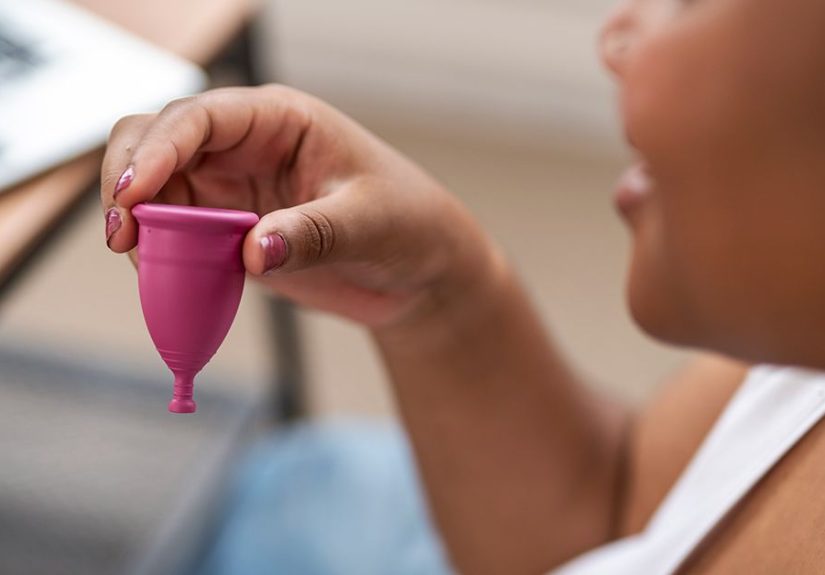
Pads expose blood to air (more oxidation), while tampons and cups hold blood internally (less air, different odor profile). None is inherently “cleaner” just different. If one method makes you feel extra smelly, switching products for a cycle can be a simple experiment.
Odor decoder: what different smells can suggest
Smell alone can’t diagnose anything but smell plus other symptoms can point you in the right direction. Here’s a practical guide to help you decide what to do next.
| Odor | Common “normal” explanation | When to pay attention |
|---|---|---|
| Metallic | Iron in blood; oxidation | If it’s suddenly extreme + new symptoms |
| Musky/body odor | Sweat + moisture + time | If accompanied by irritation, rash, or pain |
| Fishy | Sometimes pH shift can boost odor | Especially with gray/white discharge (BV) or STI symptoms |
| Rotten / foul | Blood sitting too long in a product | Could suggest a forgotten tampon/foreign body seek help promptly |
| “Chemical” or very sharp | Mix of urine + blood + product materials | If burning, pain with urination, or discharge changes |
When odor can signal a problem (and what it might be)
If the smell is strong, unusual for you, and doesn’t improve after your period ends or it comes with other symptoms it’s worth checking in with a healthcare professional.
Fishy odor + thin gray/white discharge: possible bacterial vaginosis (BV)
BV happens when vaginal bacteria get out of balance. A fishy smell and thin gray or white discharge are common signs. Some people notice it more after sex or during their period. BV is common and treatable, but it generally needs the right medication.
Foul/rotten odor: possible retained tampon or other foreign body
A forgotten tampon can cause a sudden, unmistakably foul smell sometimes with unusual discharge. It can also bring symptoms like pelvic discomfort or fever. If you think this might be happening, don’t panic, but don’t ignore it either: removing the tampon (or getting help removing it) matters.
Also important: tampons should not be worn longer than recommended. If you’re prone to forgetting, consider setting a phone reminder or sleeping in a pad/period underwear instead of a tampon.
Bad smell + frothy yellow/green discharge or genital irritation: possible trichomoniasis
Trichomoniasis (“trich”) is an STI that can cause a change in discharge (sometimes thin/frothy, yellow/green) and a fishy odor, along with itching, burning, soreness, or discomfort with urination. Many people have no symptoms so testing matters if there’s any concern.
Itching/burning + thick “cottage cheese” discharge: possible yeast infection
Yeast infections usually cause itching, redness, and thick discharge that can look like cottage cheese. They often have little to no odor so if the main issue is a strong fishy smell, BV or an STI might be more likely than yeast.
Unusual vaginal odor without clear infection symptoms
Sometimes odor changes come from irritants (scented products, harsh soaps), hormonal shifts, or a temporary pH change. If the smell is mild and you feel fine otherwise, it may settle on its own after your period. But if it’s persistent or worrisome, it’s reasonable to ask for a check.
What to do about period odor (without starting a fragrance arms race)
1) Change products more often
- Pads: change regularly, especially on heavier days.
- Tampons: follow the product’s time guidance; many clinicians recommend changing every 4–6 hours and not exceeding 8 hours.
- Cups: empty and rinse per instructions; wash your hands before insertion/removal.
2) Clean the outside only (vulva), gently
Warm water is usually enough. If you use soap, keep it mild and fragrance-free and only on the external skin. The vagina is self-cleaning; cleaning inside can irritate tissues and disrupt healthy bacteria.
3) Skip douching and scented products
Douching can temporarily mask odor but often worsens the underlying problem by disrupting the normal balance. Scented tampons, deodorant sprays, “feminine washes,” and fragranced wipes can also irritate sensitive tissue. If odor is bothering you, aim for fewer products, not more.
4) Let things breathe
- Choose breathable underwear (cotton is your friend).
- Change out of sweaty clothes quickly after workouts.
- If you can, sleep in looser bottoms or breathable period underwear.
5) Try a “swap test” for one cycle
If you always use pads and feel extra smelly, try tampons or a cup for a cycle (if you’re comfortable and it’s safe for you). If tampons seem to intensify odor for you, try pads/period underwear or a cup. A simple switch can reveal whether the smell is mostly product-related.
6) Track the pattern like a detective (a low-effort one)
A quick note in your phone can help: “fishy smell day 2 + discharge?” or “strong odor only after gym.” Patterns help you (and your clinician) separate normal cycle variation from a recurring issue like BV.
When to call a clinician
Seek medical advice if you notice any of the following:
- Strong fishy odor that doesn’t fade after your period
- Gray/white/green discharge, especially if thin or frothy
- Itching, burning, redness, swelling, or pain
- Burning with urination or pelvic pain
- Fever, feeling ill, or sudden severe symptoms
- Concern about a forgotten tampon or other retained object
Quick FAQs
Does period sex change the smell?
It can. Semen and menstrual blood are more alkaline than the vagina’s usual acidic environment, which can shift pH and change odor temporarily. If you notice a fishy smell afterward that persists, consider getting checked for BV or an STI.
Is it normal for my period to smell worse at the end?
It can go either way. Some people notice more odor early (heavier flow), others later (blood sitting longer, slower flow, more oxidation). The key is whether it’s your usual pattern and whether you have other symptoms.
Can stress make period odor worse?
Stress can change sweat, affect immune function, and sometimes nudge your body’s balance in subtle ways. It’s not a direct cause of “bad smell,” but it can be part of a bigger picture especially if you’re also sleeping less, hydrating less, or dealing with hormonal changes.
Conclusion
Period blood smell is usually a normal side effect of biology doing biology: iron, oxidation, sweat, pH changes, and the reality of wearing absorbent products. If the odor is mild and goes away after your period, it’s typically not a health problem just an inconvenience.
But if you notice a strong fishy or rotten smell, especially with unusual discharge, itching, burning, pelvic pain, or fever, don’t try to “wash it away.” Get checked. The right treatment is usually straightforward, and you deserve relief not embarrassment.
Experiences: What People Commonly Notice (and What Helps)
People don’t all experience period odor the same way and that’s part of why it can feel confusing. One person’s “totally normal” metallic scent might be another person’s “why do I smell like a jar of pennies?” A few real-world patterns come up again and again, and they’re often more about lifestyle and logistics than anything “wrong.”
The long-workday effect: Many people notice the strongest odor late afternoon or evening not because their period suddenly got “worse,” but because the product has been on longer, their body temperature is up, and sweat has entered the chat. A mid-day change (even if flow is light) can make an outsized difference. Some people keep a small “period kit” (spare underwear + wipes for the outer vulva + a fresh pad/tampon) so they can reset quickly without turning it into a production.
The workout surprise: Exercise increases sweating and friction, and tight leggings can trap moisture. A common experience is: “I didn’t smell much all morning, then after the gym… yikes.” What helps is changing out of sweaty clothes promptly, wearing breathable underwear, and using a fresh product right before a workout (so blood isn’t sitting as long). If you’re a pad user, a thinner pad plus frequent changes may feel fresher. If you’re a tampon or cup user, the odor might be less “open air,” but you may still notice a stronger body smell from sweat around the vulva.
The product-switch discovery: People often learn that their “period smell” is partly a pad smell or partly a tampon timing issue. Pads can smell stronger because blood is exposed to air and sits close to skin, while tampons can smell stronger if kept in too long or if they dry the vagina out, causing irritation. Cups can smell different too often less “oxidized,” but sometimes stronger if not cleaned well between emptying. The “swap test” for one cycle is a surprisingly helpful, low-drama experiment: you’re not committing for life, you’re just collecting data.
The “I tried scented stuff and regretted it” lesson: A lot of people try fragranced wipes or deodorizing sprays when they feel self-conscious. The common outcome is irritation, more odor, or both. It’s not your fault marketing is persuasive but your vulva generally prefers gentle and simple. If you want to feel fresher, most people report better results from basics: warm water rinse on the outside, clean underwear, breathable fabrics, and more frequent product changes rather than adding fragrance.
The moment you realize something is actually wrong: People often describe BV or a retained tampon as “not subtle.” It’s the kind of smell that feels new, persistent, and hard to ignore often paired with discharge changes or discomfort. One of the most reassuring experiences people share is how quickly things improve once they get the correct diagnosis and treatment. If you’re debating whether you’re overreacting, a helpful rule of thumb is: new + strong + persistent (especially with symptoms) deserves a check-in.