Table of Contents >> Show >> Hide
- Quick refresher: what disabled parking is actually for
- 19 reasons not to park there if you’re not eligible
- 1) It’s not a convenience perkit’s an access requirement
- 2) You’re taking the “only spot that fits”
- 3) The access aisle is part of the accessibility, not decoration
- 4) “Just a minute” can create a chain reaction
- 5) It can force someone into unsafe routes
- 6) It’s especially harmful in bad weather
- 7) It delays appointments and essential errands
- 8) You’re gambling with hefty fines, towing, and embarrassment
- 9) It’s a fairness issue (and yes, fairness matters)
- 10) You’re undermining the purpose of disability permits
- 11) It fuels suspicion and harassment toward people with “invisible” disabilities
- 12) It can force painful trade-offs
- 13) It creates barriers for caregivers and families
- 14) It can reduce independence
- 15) It’s not “victimless” just because you don’t see the impact
- 16) It’s a community trust issue
- 17) It puts businesses and public spaces in a tough spot
- 18) It encourages permit fraud and “placard borrowing” culture
- 19) Because basic decency is a life hack, actually
- Common excuses, gently roasted (with love)
- What to do instead (so you still win the parking game)
- How to be an ally without being “that person”
- Real-world experiences that show why this matters (extra 500+ words)
- SEO tags
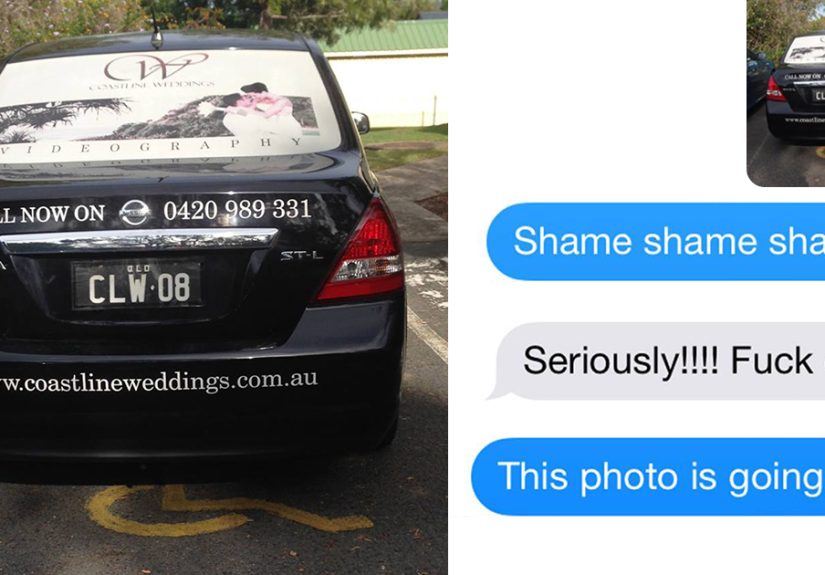
You know that little voice that says, “It’ll only be a second”? That voice is not your friend. It’s the same voice that convinces people to microwave metal, “just to see what happens.” Parking in a disabled (accessible) spot without a valid permit isn’t a harmless shortcutit’s a real barrier for real people, and it can turn someone’s ordinary errand into an exhausting, painful, or even unsafe situation.
This isn’t about being the Parking Police or starting arguments in parking lots. It’s about understanding why accessible parking exists, what those blue stripes actually do, and why “just for a minute” can cost someone a whole lot more than a minute.
Quick refresher: what disabled parking is actually for
Accessible parking spaces are designed so people with disabilities can get in and out of a vehicle safely and reach entrances without unnecessary obstacles. That often includes:
- Extra space for mobility devices (wheelchairs, walkers, scooters) and safer transfers.
- Access aisles (the striped areas) so a ramp or lift can deploy and someone can maneuver.
- Van-accessible options for vehicles with lifts and ramps, plus adequate clearance in garages.
In other words: these spots aren’t “closer parking.” They’re “possible parking.”
19 reasons not to park there if you’re not eligible
-
1) It’s not a convenience perkit’s an access requirement
For many people, an accessible spot is the difference between being able to go inside or having to go home. What looks like “one empty space” to you can be someone’s only workable option.
-
2) You’re taking the “only spot that fits”
Some drivers need space for a wheelchair ramp, a side-loading lift, or room to safely transfer from a car seat to a mobility device. A regular spot can be physically impossiblenot merely annoying.
-
3) The access aisle is part of the accessibility, not decoration
Those blue stripes aren’t an arts-and-crafts moment. They’re the area a person may need to lower a ramp, unload a chair, or move around the vehicle. If you block it, you can trap someone in or out of their car.
-
4) “Just a minute” can create a chain reaction
One person parks there “for a second,” then another sees it and does the same, and suddenly the accessible spaces are treated like the express lane for people who don’t want to walk. Bad habits spread faster than a catchy song.
-
5) It can force someone into unsafe routes
If accessible parking is unavailable, a person may have to park farther away where curb cuts are missing, surfaces are uneven, or traffic is heavier. That can mean navigating potholes, steep slopes, or crossing lanes without safe access.
-
6) It’s especially harmful in bad weather
Rain, heat, ice, or snow doesn’t just make walking inconvenientit can be dangerous. Reduced traction, limited stamina, and mobility equipment don’t mix well with extra distance.
-
7) It delays appointments and essential errands
Being late isn’t always a mild inconvenience. Missing a medical appointment, a pharmacy pickup, or a caregiver schedule can have real consequences. An accessible spot helps people keep their day on track.
-
8) You’re gambling with hefty fines, towing, and embarrassment
Penalties vary by state and city, but many areas treat accessible parking misuse seriously. “I was only grabbing a coffee” is not a magical legal defense spell.
-
9) It’s a fairness issue (and yes, fairness matters)
Accessible parking is part of a larger promise: public spaces should be usable by everyone. Taking that awayknowinglybreaks the deal we all rely on to function as a community.
-
10) You’re undermining the purpose of disability permits
Placards and plates exist so people who qualify can park where they can safely access a building. Ignoring that system signals that rules are optional if you’re impatient enough.
-
11) It fuels suspicion and harassment toward people with “invisible” disabilities
Not every disability is obvious. When misuse is common, some bystanders start “auditing” strangersquestioning or accusing people who legitimately qualify but don’t “look disabled.” That creates stress and stigma for people who already have enough to manage.
-
12) It can force painful trade-offs
Sometimes the choice becomes: “Do I save energy for the errand, or spend it getting from the far end of the lot to the door?” When the access option is taken, people may push past safe limits, triggering pain or fatigue that lasts hours or days.
-
13) It creates barriers for caregivers and families
Caregivers may be assisting someone who moves slowly, uses oxygen, or needs steady support. Extra distance increases the risk of falls and makes transfers harder. The parking spot is part of the care plan.
-
14) It can reduce independence
Accessible parking is about autonomybeing able to shop, work, attend school events, or participate in daily life without needing extra help. When spots are unavailable, independence shrinks.
-
15) It’s not “victimless” just because you don’t see the impact
Many harms are invisible in the moment: someone circles the lot multiple times, gives up, arrives late, or skips an errand. You might never witness the fallout, but it still happened.
-
16) It’s a community trust issue
Accessible parking works when people respect it. When people treat it like a suggestion, the system becomes unreliableespecially in busy areas where demand is high and accessibility is already limited.
-
17) It puts businesses and public spaces in a tough spot
Property owners and managers often have obligations to provide and maintain accessible features. Abuse adds pressure: more complaints, more enforcement needs, and more conflictall because someone didn’t want to park 60 feet farther away.
-
18) It encourages permit fraud and “placard borrowing” culture
When people normalize breaking the rules, it can slide into worse behaviorusing someone else’s placard, borrowing a family member’s tag “real quick,” or gaming the system. That ultimately makes life harder for legitimate permit holders.
-
19) Because basic decency is a life hack, actually
Here’s a low-effort way to be the kind of person others want to share a planet with: don’t take resources designed to remove barriers for people who need them. It’s kindness with almost no downside.
Common excuses, gently roasted (with love)
“I’ll be quick.”
So will the tow truck drivereventually. Also, the point isn’t how long you’re there; it’s what you’re blocking while you’re there.
“There were other disabled spots.”
Maybe. Or maybe those spots weren’t van-accessible, had a blocked aisle, were too steep, or were already claimed by someone who needs that exact configuration.
“I’m just picking up an order.”
Then use curbside pickup, loading zones, or a regular spot. Accessible parking isn’t a “takeout lane.”
“I didn’t see a sign.”
Look again. Accessible spaces usually have signage and markings, but even when paint is faded, the ethical choice is still the same: if you’re not eligible, don’t occupy it.
What to do instead (so you still win the parking game)
- Use curbside pickup when availablemany stores have it for a reason.
- Park a little farther and treat it as bonus steps for your knees (or at least your conscience).
- Use short-term loading zones if you’re genuinely loading/unloading and it’s allowed.
- Ask staff for help if you’re struggling with a heavy itemmany places will assist.
- Plan the quick stop: pick less busy hours, or choose locations with easier parking layouts.
How to be an ally without being “that person”
If you want to help, focus on the choices you control:
- Model good behaviorpark legally, leave access aisles clear, and don’t “borrow” placards.
- Don’t interrogate strangers. If someone has a valid placard/plate, it’s not your job to decide whether they “look” disabled.
- Support better accessibility: clear striping, visible signs, and safe pedestrian routes make lots easier for everyone.
Real-world experiences that show why this matters (extra 500+ words)
People often understand accessible parking best when they hear what the “inconvenience” actually looks like on the other side. Here are a few real-world style scenarios that mirror what many disabled drivers and their families describeno dramatic soundtrack needed, just everyday life:
1) The ramp that can’t come out
A van pulls into the only open spot near the entrance. The driver needs to deploy a side ramp. But the access aisle is blocked by a car “just for a minute.” The ramp can’t lower. The person in the van can’t exit. Now the options are: wait (hoping the driver returns), leave and circle the lot again, or attempt a risky maneuver in a space that isn’t designed for it. That “minute” becomes a logistical puzzle with safety consequences.
2) The slow walk that isn’t a choice
Someone with a heart or lung condition qualifies for a placard because walking long distances can trigger symptoms. On a good day, they can manage a little extra. On a bad day, they can’t. When accessible spots are taken, they may sit in the car for a few minutes to recover, weigh whether the errand is worth the physical cost, and sometimes decide to go home. From the outside, it can look like “no big deal.” Internally, it’s a day derailed.
3) The caregiver juggling act
A caregiver arrives with an older adult who needs steady support. The accessible spot isn’t just closer; it’s flatter, with room to open the door fully and help someone stand safely. When that space is unavailable, the caregiver might have to brace the person in a narrow spot while cars pass behind them. The stress level rises instantly: “Don’t fall, don’t get clipped by a cart, don’t get hit by a car backing out.” It’s not scenicjust scary.
4) The “invisible disability” confrontation
A driver parks legally with a placard, steps out without a cane or chair, and someone snaps, “You don’t look disabled.” That interaction can ruin an entire day. Many conditions don’t show on the outsidechronic pain, neurological issues, autoimmune disease, post-surgery recovery. When non-eligible drivers treat accessible spaces casually, it increases suspicion toward everyone, including the people who followed the rules.
5) The weather penalty
Now imagine it’s pouring rain. Or 95 degrees. Or the sidewalk is icy. The extra distance from parking farther away isn’t just uncomfortableit can be dangerous. Wet surfaces increase fall risk. Heat can worsen symptoms. Cold can stiffen joints. That’s why accessible parking exists as part of safe access, not as a “nice-to-have.”
6) The missed appointment spiral
A person arrives for a time-sensitive appointment. Accessible spots are taken by drivers without permits. They circle the lot, then circle again. Stress spikes. They arrive late, flustered, and already exhausted. Sometimes the consequence is small; sometimes it means rescheduling, missing medication pickup windows, or losing the chance to be seen that day. All because someone else wanted the closest spot for a quick stop.
7) The ticket that feels “unfair” (until it doesn’t)
Plenty of people only learn this lesson after getting fined. They feel singled out“Everyone does it!”until they understand the design: the access aisle, the need for door clearance, the safety and independence angle. The ticket stings, sure. But for many, the bigger sting is realizing they accidentally made someone’s day harder for no good reason.
If any of these scenarios made you think, “I’ve done that… yikes,” that’s not a reason to spiral into guilt. It’s a reason to change the habit. The fix is simple: leave accessible spaces for the people who need them. Park elsewhere. Keep aisles clear. And when your inner voice whispers “just a minute,” remind it that accessibility isn’t measured in minutesit’s measured in whether someone can participate in daily life.