Table of Contents >> Show >> Hide
Note: This HTML includes only the <body> content, and the SEO tags appear in JSON format at the end for easy publishing.
Picking an exterior house color is a little like choosing a haircut for picture day: everyone will see it, everyone will have an opinion, and yes, your house will be stuck with it for a while. The good news is that the right paint color can make even an ordinary home look polished, memorable, and seriously expensive. A smart exterior palette boosts curb appeal, highlights architectural details, and gives your house that “Who lives there? They clearly have their life together” energy.
These days, the most eye-catching homes are not always the loudest ones. Some turn heads with warm whites and creamy trim. Others lean into moody greens, deep charcoals, or earthy terracottas that feel grounded and stylish instead of trendy for trendiness’s sake. The secret is not picking a random color that looked good on a tiny swatch under store lighting while you were sleep-deprived and holding a coffee. It is choosing a shade that fits your home’s architecture, works with your roof and stonework, and still feels like you.
Below, you will find 35 exterior house colors worth considering, plus practical advice for choosing a palette that looks amazing from the curb, not just in your imagination.
How To Choose Exterior House Colors Without Regretting It Later
Before you fall in love with a color name like “Stormy Pine” or “Salted Caramel Sky,” start with the parts of your home you are not changing. Roof shingles, brick, stone, concrete, and pathways all have undertones. If your roof reads warm brown, a cool icy gray may feel off. If your stone skews blue-gray, a creamy yellow-beige can fight it. The best exterior house colors usually look like they belong to the property instead of trying to stage a color coup.
Architecture matters, too. Colonial and traditional homes often look sharp in whites, creams, slate blues, and historic greens. Farmhouses can handle warm white, black trim, sage, or greige beautifully. Ranch homes love earthy neutrals and low-contrast palettes. Contemporary exteriors can pull off charcoal, soft black, muted taupe, and blue-gray with effortless swagger.
Also remember that outdoor light is dramatic. The same paint can look soft at noon, muddy at sunset, and ten shades bolder on a cloudy day. Sample large sections on different sides of the house before making a final call. A color that looked elegant on a sample chip can become blindingly bright once it is spread across siding the size of a small aircraft hangar.
A simple way to build a balanced exterior palette is to think in three layers: the main body color, the trim color, and the accent color. The body does most of the visual heavy lifting. The trim sharpens edges and highlights details. The accent color, often used on the front door or shutters, adds personality. When these three elements work together, your home looks intentional rather than accidentally assembled.
35 Exterior House Colors That Deliver Serious Curb Appeal
Classic Neutrals That Never Miss
- Crisp White Clean, timeless, and impossible to ignore in the best way. Crisp white gives traditional, coastal, and modern homes a fresh look, especially when paired with black shutters or a natural wood door.
- Warm White Softer than pure white and more forgiving in bright sun. Warm white feels welcoming, polished, and ideal for homeowners who want bright curb appeal without the stark glare.
- Creamy Ivory Ivory has a classic, elegant feel that works beautifully on Colonial, cottage, and farmhouse exteriors. It adds warmth while still reading light and refined.
- Soft Beige Beige is no longer boring when it has the right undertones. A soft beige exterior creates an easy, approachable look and plays nicely with stone, brick, and warm roofing materials.
- Greige Half gray, half beige, all curb appeal. Greige is a favorite because it feels modern without being cold, and it works across many home styles and neighborhoods.
- Putty Putty is subtle, earthy, and quietly upscale. It is perfect for homeowners who want a neutral with more personality than tan but less drama than gray.
- Mushroom Taupe Richer than beige and more interesting than standard brown, mushroom taupe creates a grounded look that feels calm, sophisticated, and expensive.
- Light Gray A light gray exterior offers versatility and balance. It can look crisp with white trim, coastal with navy accents, or modern with black-framed windows.
- Pewter Gray Pewter adds depth without making a house feel gloomy. It is especially good for homes with stone, dark roofs, or landscaping that deserves a slightly moodier backdrop.
- Charcoal Gray Charcoal is dramatic without being chaotic. It looks sharp on modern builds, updated ranch homes, and farmhouses that want a stronger, more architectural presence.
Dark, Bold, and Surprisingly Versatile
- Soft Black Not every house can wear black, but the ones that can look unforgettable. A softened black exterior feels sleek, tailored, and especially striking with warm wood or brass accents.
- Graphite Graphite sits between charcoal and black, which makes it ideal for homeowners who want depth and contrast without going full drama club.
- Navy Blue Navy is one of the safest bold choices around. It is classic, rich, and handsome, pairing beautifully with white trim, tan stone, and red brick.
- Slate Blue Slightly grayer than navy, slate blue feels sophisticated and grounded. It gives a home color without screaming for attention from three streets away.
- Dusty Blue Dusty blue has a softer, lived-in charm. It works especially well on cottages, bungalows, and homes that want to feel relaxed and cheerful.
- Blue-Gray This shade blends cool elegance with subtle softness. If you like coastal style but do not want your house to look like it is auditioning to be a seashell shop, blue-gray is a smart pick.
- Deep Teal Teal brings depth, personality, and a slightly artistic edge. On the right home, it looks custom, memorable, and far more elevated than plain blue.
- Coastal Blue-Green A blue-green exterior feels breezy and distinctive. It is especially pretty in sunny climates or on homes with white trim and natural textures.
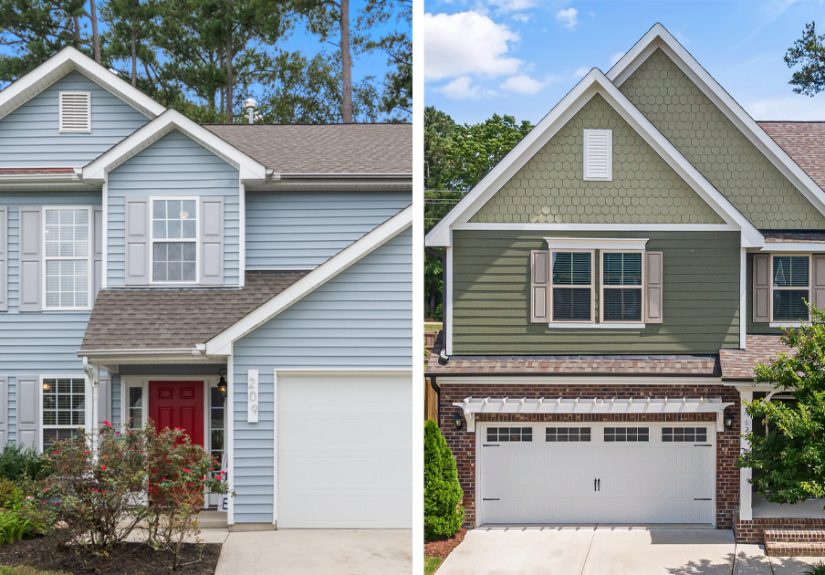
- Sage Green Sage is one of the most adaptable exterior colors right now. It feels natural, calm, and flattering against brick, stone, wood, and lush landscaping.
- Olive Green Olive gives a home earthy depth and historic character. It is a standout choice for Craftsman, Tudor, and traditional houses with strong architectural lines.
- Moss Green Moss green looks like it grew out of the landscape on purpose. It works beautifully on wooded lots and homes with natural stone or rustic finishes.
- Forest Green Darker and more dramatic than sage, forest green gives a home richness and seriousness. It looks especially sharp with cream trim or copper lighting.
Warm, Earthy Shades That Feel Lively and Current
- Sandstone Sandstone has a sun-washed, natural quality that works in many climates. It feels relaxed and elegant, especially with dark trim or a wood front door.
- Camel Tan More stylish than builder beige, camel tan adds warmth and depth. It suits ranch homes, desert-inspired exteriors, and houses with lots of warm masonry.
- Wheat Gold Wheat gold brings cheerful warmth without tipping into bright yellow territory. It can make older homes feel fresh and charming rather than dated.
- Butter Yellow Soft butter yellow has a sunny, nostalgic charm. It looks especially inviting on cottages, Southern homes, and porches that deserve a little extra friendliness.
- Muted Mustard Mustard is bold, but a softened version feels historic and confident. It is a great way to turn heads while still respecting older architecture.
- Terra-Cotta Terra-cotta feels earthy, warm, and full of character. It shines on stucco homes, Mediterranean styles, and houses that benefit from a little sunbaked richness.
- Clay Beige Think of this as the relaxed cousin of taupe. Clay beige brings just enough warmth to feel current while keeping the overall exterior calm and grounded.
- Sunwashed Ochre Ochre is a fantastic choice when you want a home to stand out without looking gimmicky. It feels artistic, welcoming, and surprisingly sophisticated.
- Muted Brick Red A toned-down red can look historic, handsome, and deeply charming. The trick is keeping it muted so it reads refined instead of “retired barn makeover.”
- Cinnamon Brown Cinnamon brown offers warmth and richness with a little personality. It is especially good on homes that need color depth but not high contrast.
- Espresso Brown Deep brown can feel luxurious and natural at the same time. Espresso exteriors pair beautifully with cream trim, black metal accents, and surrounding greenery.
- Chestnut Brown Chestnut has a classic, woodsy quality that makes homes feel rooted and substantial. It is ideal for traditional houses and homes surrounded by mature trees.
- Dusty Rose-Taupe This one is subtle but special. A rosy taupe exterior can feel warm, soft, and unexpectedly elegant, especially on stucco or vintage-style homes.
Unexpected Colors For Homeowners Who Like Compliments
Wait, 35 means 35. Here are the final standout shades that finish the list strong:
- Smoky Plum-Brown This moody in-between shade feels custom and designer-forward. It is subtle from a distance but intriguing up close, which is exactly how a head-turning exterior should work.
- Pale Peach Stucco On the right home, pale peach reads sunlit and sophisticated, not sugary. It is especially lovely in warm climates and on Mediterranean-inspired exteriors.
- Weathered Copper Green This patina-inspired shade feels artistic and timeless. It works best when paired with creamy trim, natural wood, and restrained landscaping.
- Soft Aqua Aqua can be charming when toned down. It brings a breezy personality to cottages and coastal-inspired homes without feeling cartoonish.
- Lavender Gray This color has a whisper of purple and a lot of sophistication. It is unusual, memorable, and perfect for homeowners who want subtle individuality.
Quick correction for the copy editor in all of us: those final five shades complete the spirit of the trend conversation, but the core list of 35 exterior house colors is the first 35 numbered colors above, ending with Dusty Rose-Taupe. The extra five function as bonus inspiration for readers who like bolder possibilities.
How To Make Any Exterior Color Look Better
Even the best exterior house color can fall flat if the supporting cast is wrong. Trim matters. Front doors matter. Landscaping absolutely matters. A sage green house with crisp cream trim and a stained wood door looks intentional. The same sage green with dingy white gutters, faded shutters, and patchy shrubs can look like the house gave up halfway through the project.
Pay attention to contrast. High-contrast combinations like white and black feel graphic and modern. Low-contrast schemes, such as greige with taupe trim, feel softer and more upscale. Neither is wrong. The better choice depends on your architecture, neighborhood context, and how bold you want to go.
Also, do not forget your front door. If the body color is neutral, the door is your chance to flirt a little. Navy, deep teal, muted red, warm wood, and earthy terracotta can all add punch without overwhelming the facade.
Experience: What Homeowners Often Learn After Living With Exterior Colors
One of the most common experiences homeowners talk about after repainting is how different a color feels once they live with it for a few weeks. A white that looked perfectly clean on day one may start to feel too sharp in blazing summer sunlight. A deep charcoal that seemed intimidating on the sample board can end up looking cozy, crisp, and surprisingly timeless once it is balanced with landscaping and trim. Exterior paint is emotional that way. It does not just change the house. It changes how the house introduces itself every single day.
Many people also realize that neighbors respond to warmth more than shock value. The colors that earn compliments are often not the most outrageous shades on the block. They are the ones that look thoughtful. A warm greige with black shutters, a moss green with creamy trim, or a dusty blue with a natural wood door tends to get the “Your house looks amazing” reaction because the palette feels complete. It looks like someone made a decision, not a mistake.
Another real-world lesson is that undertones are sneaky little gremlins. Homeowners who expected “simple gray” sometimes discover a faint purple cast at sunset. Beige can suddenly lean peach. Green can look muddy in shade and beautiful in morning light. That is why test patches matter so much. People who skip sampling often end up with a color they tolerate. People who sample usually end up with a color they love.
There is also the experience of seeing color interact with the seasons. A sage or olive home can look especially gorgeous in spring and summer because it blends with the landscape. Charcoal and soft black can feel especially dramatic and elegant in winter. Warm whites and sandy neutrals often glow in golden afternoon light. Homeowners do not always expect paint to have a seasonal personality, but it absolutely does.
Perhaps the biggest lesson is that curb appeal is rarely just about paint. Once the house gets a beautiful new color, the rest of the exterior starts asking for equal attention. Suddenly the old mailbox looks tired. The porch light starts feeling suspiciously cheap. The faded planters begin to look like they are freeloading. In a weirdly satisfying way, a new paint color often kick-starts a whole exterior refresh.
And then there is the pride factor. People talk about pulling into the driveway and feeling newly excited about their home. That is not a small thing. A well-chosen exterior house color can make an older home feel relevant again, a plain home feel elevated, and a homeowner feel like they made a smart, lasting upgrade. For a project that mostly involves paint, ladders, and at least one moment of second-guessing, that is a pretty great return.
Final Take
The best exterior house colors do more than look pretty on a swatch. They shape first impressions, boost curb appeal, and help a home feel cohesive with its architecture and surroundings. Whether you love warm whites, earthy greens, moody charcoals, or sun-washed clay tones, the smartest choice is the one that feels both stylish and believable on your particular house. In other words, aim for “beautiful and memorable,” not “why is that house the color of a novelty cereal box?”