Table of Contents >> Show >> Hide
- What a “Sagging Roof” Really Means (And Why It Happens)
- DIY vs. “Call Someone Before This Gets Weird”
- Safety First: Roof Work Is Not the Place to Freelance
- Step 1: Diagnose the Sag (Because Fixing the Wrong Thing Is a Hobby, Not a Repair)
- Step 2: Fix the Water Problem First (Or Your “Repair” Becomes a Damp Memory)
- Step 3: Choose the Right Repair Strategy
- Step 4: “Can I Jack It Back Up?” (Sometimes, Carefully)
- Step 5: Prevent the Sag from Returning
- Realistic Cost and Effort Expectations
- Homeowner Experiences: What It’s Really Like Fixing a Sagging Roof
- Conclusion
A roof that dips in the middle isn’t “character.” It’s your house quietly asking for helplike a puppy that ate a sock and now won’t make eye contact.
The good news: some sagging roof repairs can be handled by a skilled DIYer with the right tools, patience, and respect for gravity.
The not-so-good news: other situations are structural and can go from “hmm” to “oh no” faster than you can say “I’ll just take one more look from the ladder.”
This in-depth roof repair guide walks you through how to diagnose why a roof is sagging, what you can realistically fix yourself, and when you should
call a pro (or at least a structural engineer) before you create an expensive surprise for your drywall, your shingles, and your insurance adjuster.
What a “Sagging Roof” Really Means (And Why It Happens)
A sagging roof is typically a sign that part of the roof framing system is no longer holding its intended shape. In a conventional framed roof, rafters,
ridge components (ridge board or ridge beam), ceiling joists/rafter ties, and connections work together as a system. When one piece weakens, slips,
rots, or was never installed correctly, the geometry changesand the roofline shows it.
Common causes of a sagging roof
- Excess weight (snow loads, multiple reroofs, heavy roofing materials added later)
- Water damage and rot from leaks, poor flashing, or chronic condensation in the attic
- Undersized or overstressed rafters that slowly “creep” over time
- Missing or inadequate rafter ties allowing exterior walls to spread and the ridge to drop
- Loose or failed connections (nails pulling, cracked collar ties, split rafters)
- Improper modifications (removing a support wall, cutting ties, sloppy attic conversions)
DIY vs. “Call Someone Before This Gets Weird”
Here’s the honest line: you can DIY some reinforcement and repairs when the sag is minor and the cause is straightforward (like a single
damaged rafter, a localized leak, or a small area of soft roof decking).
But you should pause and bring in professional help when the roof shape is changing because the building’s structure is shifting.
Stop and get a pro if you notice any of these
- Cracks in ceilings/walls that are growing or radiating from corners and openings
- Doors or windows sticking (newly, not “since 1998”)
- Ridge sagging across a long span or a roofline that looks like a hammock
- Exterior walls bowing outward near the top plates (classic sign of missing/failed rafter ties)
- Multiple broken/rotted rafters or evidence of long-term moisture problems
- Truss roofs (factory trusses should not be altered without engineered repair details)
In those scenarios, the “fix” may involve engineered beams (like LVLs), new load paths, or code-compliant tie placementmeaning you’re beyond casual DIY.
And that’s okay. Your goal isn’t to win a home-improvement medal; it’s to keep the house standing where you left it.
Safety First: Roof Work Is Not the Place to Freelance
Roof and attic repairs combine heights, awkward positions, dust, nails, and power tools. Plan like a cautious adult.
If the roof pitch is steep, the height is significant, or the surface is slick, don’t “just be careful.” Use proper fall protection and stable ladder practices,
or hire it out.
Basic safety checklist
- Wear eye protection, gloves, and a respirator in dusty attics (especially around insulation).
- Use stable ladders and never overreach.
- Work with a buddysomeone who can hand tools and call for help if needed.
- Do not cut structural members “to make things fit.” That’s not carpentry; that’s suspense writing.
Step 1: Diagnose the Sag (Because Fixing the Wrong Thing Is a Hobby, Not a Repair)
Before you reinforce anything, figure out what’s failing. The roofline is a symptom; the cause is usually inside the attic.
Start with a visual check from outside, then confirm inside.
Outside inspection clues
- Dip along the ridge (center sag is common in older homes)
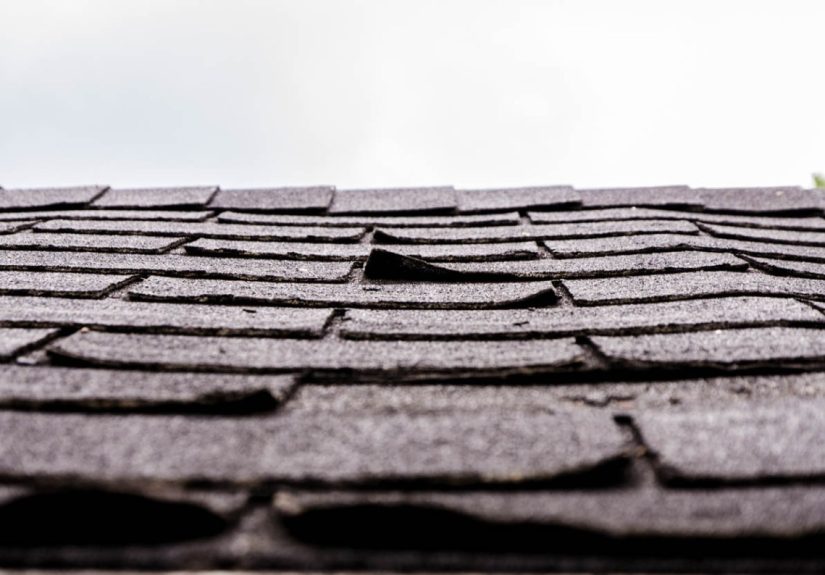
- Wavy shingles or a roof plane that looks like it’s melting
- Soft spots that flex when walked on (roof decking issues)
- Gutter lines and fascia out of level (can indicate rafter tail or wall movement)
Inside/attic inspection clues
- Cracked or split rafters, especially near the ridge or at midspan
- Rotted wood (dark staining, spongy feel, crumbling fibers)
- Rusty nails, mold, or damp insulation signaling moisture issues
- Separated joints where rafters meet the ridge board or top plates
- Missing rafter ties or ties installed too high to stop wall spread
Tip: Use a string line or laser in the attic to spot bowing. Measure the same span at multiple points to see whether the sag is localized or consistent.
Localized often points to one damaged member or leak; consistent sag across the middle often points to undersized framing or missing ties.
Step 2: Fix the Water Problem First (Or Your “Repair” Becomes a Damp Memory)
If you find staining, mold, or rot, assume moisture is part of the story. Patch the leak, improve flashing, and make sure the attic isn’t acting like a sauna.
Wood stays stronger when it stays drychronic moisture is what turns framing into compost with ambitions.
Quick moisture fixes that make a big difference
- Repair roof leaks and flashing problems (chimneys, valleys, penetrations).
- Confirm bathroom fans vent to the outside, not into the attic like a warm, wet prank.
- Improve attic ventilation and air sealing where appropriate to reduce condensation risk.
- Replace water-damaged insulation once leaks are solved (wet insulation is basically a sponge with a job title).
Step 3: Choose the Right Repair Strategy
There’s no single “sagging roof repair” because the underlying failure can be different. Below are the most common DIY-appropriate repair paths,
from simplest to more involved.
Repair Path A: Re-secure loose connections
Sometimes the sag is from movement at jointsfasteners pulling out, old toe-nails loosening, or connectors missing where they should exist.
If the framing members are sound (not cracked/rotted), improving connections can help stabilize things.
- Check rafter-to-ridge and rafter-to-top-plate connections for gaps or shifting.
- Add appropriate metal connectors where allowed/needed (hurricane ties, straps, or framing angles) and use the specified fasteners.
- Replace split blocking or cracked collar tie boards (don’t just add more nails into broken wood).
Repair Path B: Sister a damaged or sagging rafter
“Sistering rafters” means fastening a new piece of lumber alongside the old rafter to restore strength and stiffness.
This is one of the most common DIY structural reinforcement techniques when the problem is limited to a few members.
How to sister a rafter (high-level, DIY-friendly steps)
- Support the area temporarily. In the attic, use adjustable posts and a temporary beam under the sagging rafter(s) to take load off before you work.
- Address rot properly. If the rafter is rotted, remove all compromised material from the plan (severely rotted members may require replacement, not sistering).
- Select matching lumber. Use the same dimension as the existing rafter when possible. Longer sisters that extend past the weak zone work better than short patches.
- Fit tight and fasten correctly. Apply construction adhesive where appropriate, clamp tight, then fasten with a robust schedule (through-bolts or structural screws are often better than nails alone).
- Restore load transfer. Make sure the sister bears properly at the top and bottom or is supported with approved connectorsstrength without a load path is just decorative wood.
Example: If you have one cracked rafter near midspan from an old leak, sistering with a full-length member (or as close as practical) plus proper fasteners can bring back stiffness and help flatten the roof plane.
If you have eight rafters with rot at the same location, you may be dealing with a systemic moisture/ventilation problem and potentially a larger structural correction.
Repair Path C: Add or correct rafter ties (to stop wall spread)
One of the most misunderstood causes of ridge sagging is outward thrust. If opposing rafters don’t have adequate rafter ties (or if ties were removed for a “cathedral ceiling vibe”),
exterior walls can slowly spread. When walls spread, the ridge drops. It’s geometry doing geometry things.
Rafter ties generally belong in the lower third of the rafter height to effectively resist thrust.
Collar ties are up higher and primarily resist separation/uplift at the ridge under certain loading conditionsuseful, but not a substitute for proper rafter ties.
DIY approach (when appropriate)
- Confirm what’s missing: are there ceiling joists acting as rafter ties? Or were they cut/raised too high?
- Add new ties across opposing rafters using correctly sized lumber and strong fastening at each end.
- In many homes, ties can be added above a ceiling plane if they remain in the effective zone and don’t interfere with mechanicals.
If your plan involves moving ties higher for headroom, that’s where engineering comes inraising ties changes forces and can require a ridge beam or other structural redesign.
Repair Path D: Reinforce ridge components (ridge board vs. ridge beam)
A ridge board is typically a non-structural member that provides a nailing surface and alignment for opposing rafters.
A ridge beam is structural: it carries roof loads and transfers them down to posts/headers and ultimately to the foundation.
Converting a roof from ridge-board behavior to ridge-beam behavior is not a casual DIY upgradeit’s a design change with consequences.
If the ridge is sagging because the roof needs a true beam and posts (or because supports were removed), you’re often looking at engineered lumber (LVL/glulam),
proper bearing points, and potentially new footings. That’s the moment to call in a structural engineer or qualified contractor.
Repair Path E: Replace soft or sagging roof decking (sheathing)
Sometimes the roof framing is fine, but the roof decking (often plywood or OSB) has deteriorated from leaks. That can create localized sags that feel spongy underfoot.
Repair usually involves removing shingles in the affected area, cutting out the damaged sheathing, and patching with new panels that land on framing members.
Decking repair overview
- Strip shingles carefully and protect surrounding roofing.
- Cut out damaged sheathing back to the centerline of rafters/trusses for solid nailing.
- Install same-thickness replacement sheathing, fasten properly, then restore underlayment and shingles.
If you discover widespread soft decking, you may be looking at a larger reroof and underlying ventilation/leak correction.
Step 4: “Can I Jack It Back Up?” (Sometimes, Carefully)
Many homeowners ask if they can jack a sagging roof back into place. The cautious answer:
sometimes you can nudge framing back gradually as part of a reinforcement plan, especially for minor deflection,
but you should not expect a decades-old roof to snap back perfectly like it just finished a yoga class.
Guidelines for controlled lifting
- Lift slowly over days, not minutes, to reduce cracking finishes below.
- Use temporary beams and posts on stable bearing surfaces.
- Reinforce while supported (sister rafters, add ties, improve connections), then remove temporary supports.
If lifting reveals bigger issueswalls moving, loud cracking, or framing separatingstop and reassess with a pro.
Step 5: Prevent the Sag from Returning
A repair that doesn’t address root cause is like taping a “Do Not Enter” sign to a screen door. Make the fix last by preventing the conditions that caused it.
Long-term prevention checklist
- Keep water out: maintain flashing, vents, pipe boots, and shingles; fix leaks fast.
- Manage moisture: improve attic air sealing/ventilation strategy appropriate for your climate and assembly.
- Limit overload: remove excessive snow safely when needed; avoid stacking multiple roofing layers without verifying structure.
- Inspect annually: look for early signsstaining, cracking, nail pops, or new dips in the roofline.
Realistic Cost and Effort Expectations
DIY roof structure repairs range from “Saturday project” to “why is my attic now a full-time job.”
A single sistered rafter and minor decking patch can be manageable. A roofline sag caused by missing ties or a needed ridge beam is a bigger, more technical undertaking.
If you’re comparing DIY vs. hiring help, remember: paying for a targeted inspection can be cheaper than guessing wrong.
Even one professional evaluation can save you from reinforcing the wrong member while the real issue continues quietly in the background.
Homeowner Experiences: What It’s Really Like Fixing a Sagging Roof
Most DIY sagging-roof stories begin the same way: someone notices a dip that “was probably always there,” then sees it in just the right evening light and realizesnope,
that’s new. What follows is usually a very human mix of denial, curiosity, and a tape measure.
One common experience is the “two-problem reveal.” A homeowner goes into the attic expecting to find one obvious broken rafter, and instead finds:
(1) an old leak stain near a vent pipe, and (2) framing that’s slightly separated where opposing rafters meet the ridge.
The lesson people often learn is that sag is rarely a single-event issue. It’s more often a slow-motion chain reactionwater weakens wood, connections loosen,
and the system gradually stops acting like a tight triangle.
Another pattern: people are surprised by how much temporary support helps with both safety and confidence.
When homeowners set a temporary beam and adjustable posts beneath the problem area, the attic suddenly feels less like a haunted crawlspace
and more like a controllable work zone. It’s also when many realize the sag isn’t always “one board.” Sometimes multiple rafters share the load,
so stabilizing the area first makes it easier to see which members are truly damaged versus which are just following the crowd.
Sistering rafters tends to be the DIY repair that feels most “I fixed a structural thing!”but it also comes with real-world frustration:
old rafters aren’t always straight, and fitting a new sister tight to a bowed member can take patience. People frequently report that
the best results come from longer sisters (extending well beyond the weak point) and careful fasteningnot from short patches and a bucket of nails.
There’s also a humbling moment when you realize you can’t just shove new lumber into place; sometimes you have to adjust insulation, move wiring safely,
and work around ducting like you’re playing attic Tetris.
Homeowners dealing with missing or ineffective rafter ties often describe a “lightbulb moment” when they understand the geometry:
if the bottom of the roof triangle isn’t tied together, the walls can push out and the ridge can drop. That realization changes the whole repair strategy.
Instead of chasing the dip with random bracing, they focus on restoring the tie system so the roof stops trying to flatten itself.
People also commonly discover that a past remodellike raising ties for headroommay have started the problem years earlier.
Then there’s the emotional roller coaster of lifting a sag “back” into place. Many DIYers learn that you don’t crank a jack and magically restore perfection.
The best outcomes come from small, gradual adjustments that respect the house’s age and finishes below.
A gentle lift combined with reinforcement can improve alignment, but it may not erase every dipespecially if the structure has been settled for decades.
The win is stability, not necessarily showroom-straight lines.
Finally, a lot of homeowners report that the biggest victory wasn’t the structural fixit was stopping the moisture that caused it.
Fixing flashing, venting bath fans outdoors, sealing attic air leaks, and improving ventilation are the unglamorous steps that keep your repairs from becoming a sequel.
In other words: the best sagging roof repair story is the one you only have to tell once.
Conclusion
Learning how to fix a sagging roof yourself starts with one non-negotiable step: diagnose the cause.
From there, the right solution might be as practical as sistering a damaged rafter, restoring proper rafter ties, repairing roof decking,
and tightening connectionsor it might require engineered structural changes.
When you respect the roof as a system (not a single board), your repair becomes safer, stronger, and far more likely to last.