Table of Contents >> Show >> Hide
- The Story Behind the Polish Test Tube Chandelier
- Why Test Tubes Make Surprisingly Good Decor
- A Chandelier That Changes With the Seasons
- Where the Design Fits Best
- Design Analysis: Why It Feels Both Classic and New
- Biophilic Design and the Rise of Living Decor
- How to Style a Test Tube Chandelier
- Care, Safety, and Practical Considerations
- Why This Design Still Feels Fresh
- Experience Section: Living With a Garden in the Sky
- Conclusion
Some lighting fixtures politely illuminate a room. Others walk in wearing a velvet cape, quote a little art history, and ask whether you would like your parsley suspended from the ceiling. The test tube chandelier from Poland, especially the Maria S.C. design by Polish designer Pani Jurek, belongs firmly in the second group. It is not simply a lamp. It is a floating laboratory, a miniature greenhouse, a floral installation, and a clever reminder that home decor does not have to sit quietly in the corner like a well-behaved ottoman.
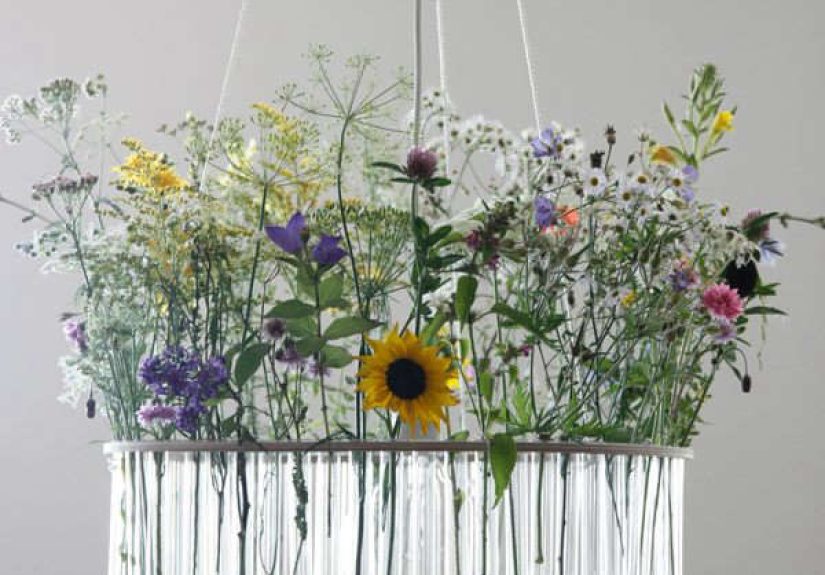
At first glance, the idea sounds almost mischievous: take laboratory test tubes, place them in circular plywood bands, hang the structure like a chandelier, and invite the owner to fill each tube with flowers, herbs, colored water, or whatever tiny decorative mood happens to be having its moment. The result is part lighting design, part botanical theater, and part science-class nostalgiaminus the smell of Bunsen burners and panic before a chemistry quiz.
What makes this test tube chandelier so memorable is its balance of restraint and surprise. The structure is simple, almost architectural. The materials are humble: glass tubes, wood, and a socket. Yet the effect can be wildly expressive. With clear water and white flowers, it becomes a delicate modern chandelier. With herbs, it becomes an aerial kitchen garden. With colored liquid, it turns into a glowing color wheel. With bare tubes, it reads as minimalist, sculptural, and faintly futuristic. One object, many personalitiesbasically the lighting equivalent of a very stylish actor with range.
The Story Behind the Polish Test Tube Chandelier
The most widely recognized example of this concept is the Maria S.C. chandelier by Pani Jurek, the studio founded by Polish artist and designer Magda Jurek. The design has been admired by design publications for its unexpected use of laboratory glassware, its simple plywood structure, and its interactive quality. It is named in tribute to Maria Skłodowska-Curie, the Polish-born scientist whose pioneering work in radioactivity changed science forever. That connection gives the chandelier more than visual charm; it gives it a story.
Instead of copying the sparkle of a traditional crystal chandelier, the Maria S.C. design reimagines sparkle through transparency, repetition, and experimentation. Test tubes become tiny vessels for light, water, color, and life. The circular form recalls classic chandelier silhouettes, while the laboratory material pulls the piece sharply into contemporary design. This is not nostalgia for grand dining rooms and polished silver trays. It is a chandelier for people who like their elegance with a wink.
Why Test Tubes Make Surprisingly Good Decor
Test tubes are practical objects, designed for clarity, containment, and repetition. In a lab, they hold samples. In a chandelier, they hold possibility. Their slim shape gives flowers and greenery a clean vertical line, and their transparent walls allow the stems to become part of the composition. You do not hide the mechanics of the arrangement; you celebrate them.
This is why a test tube flower chandelier works so well visually. Traditional floral arrangements often rely on abundance: armfuls of blooms, dense greenery, and enough ribbon to frighten a minimalist. The test tube approach does the opposite. It uses small, individual stems. Each tube becomes a tiny vase. Together, the tubes create rhythm. The result feels lighter, more intentional, and more modern.
There is also a practical benefit. A large bouquet can be expensive and short-lived. A test tube chandelier can look beautiful with only a handful of stems, herbs, or clipped garden finds. One sprig of rosemary, a single fern frond, a stem of chamomile, or a few tiny wildflowers can suddenly look curated. It is the rare decor idea that makes “I found this outside” sound like a design strategy.
A Chandelier That Changes With the Seasons
The most appealing feature of the Maria S.C.-style chandelier is its adaptability. Because the tubes are detachable, the owner can rearrange, refill, and refresh them whenever the mood changes. In spring, the chandelier can hold tulips, daffodils, or fresh green stems. In summer, it can become a floating herb garden with basil, mint, parsley, and thyme. In autumn, dried grasses, seed heads, and amber-colored water can create a warmer, moodier look. In winter, bare branches, eucalyptus, or simple clear tubes can give the fixture a quiet sculptural elegance.
This flexibility makes the design especially powerful for people who like seasonal home decor but do not want to store eighteen bins of holiday objects in a closet. Instead of buying a new centerpiece for every occasion, you refresh what goes inside the tubes. The structure stays the same; the personality changes. It is sustainable, creative, and wonderfully low-drama.
Where the Design Fits Best
A Polish test tube chandelier can work in more spaces than one might expect. In a kitchen, it becomes a playful herb display, especially above a breakfast nook or small island. In a dining room, it can act as a conversation-starting centerpiece that hangs above the table without taking up surface space. In a studio apartment, it adds vertical interest and greenery without requiring floor space. In a plant lover’s home, it feels like a tiny botanical exhibit.
The design is especially effective in interiors that mix natural materials with clean lines. Think plywood, white walls, pale oak, concrete, matte ceramics, and simple linen. It also looks striking in more eclectic homes, where its scientific reference can play against vintage furniture, colorful textiles, or collected art. The chandelier does not demand one style. It simply asks for enough visual breathing room to be noticed.
In a Modern Kitchen
Imagine a small kitchen with white cabinets, open shelving, and a few pots of herbs by the window. Now place a test tube chandelier above the table, filled with parsley, dill, and mint. Suddenly, the room feels fresher and more personal. The herbs are decorative, but they are also useful. Dinner guests may admire the chandelier; you may quietly snip a little mint for lemonade. Everybody wins.
In a Dining Room
Over a dining table, the chandelier becomes a floating centerpiece. Unlike a vase on the table, it does not block sightlines or compete with plates, glasses, and serving dishes. It hovers. It frames the meal. It makes even a Tuesday pasta dinner feel like it has been invited to a design magazine photo shoot.
In a Creative Studio
In an artist’s studio, florist’s workspace, or design office, the test tube chandelier feels perfectly at home. It is modular, experimental, and visually expressive. The tubes can hold samples, dried flowers, color studies, or seasonal clippings. It turns the ceiling into a working mood board.
Design Analysis: Why It Feels Both Classic and New
The genius of this chandelier lies in contrast. A chandelier is traditionally associated with luxury, ornament, and permanence. A test tube is associated with science, precision, and experimentation. Plywood suggests simplicity and utility. Flowers suggest softness and impermanence. Put all of that together and the object becomes more than decoration. It becomes a conversation between old and new, craft and industry, science and nature.
The circular form also matters. Circles naturally create harmony. They suggest continuity, movement, and gathering. In chandelier design, circular symmetry helps distribute visual weight evenly. When test tubes repeat around the ring, they create a rhythm similar to crystal drops on a traditional chandelierbut cleaner, lighter, and more contemporary. The sparkle comes not from cut crystal but from glass, water, and reflected light.
There is also a subtle reference to ready-made art, the idea that ordinary manufactured objects can become art when placed in a new context. A test tube does not stop being a test tube, but when multiplied, suspended, and filled with flowers, it becomes poetic. That transformation is the whole charm. The chandelier says: “Yes, I came from a lab supply catalog. Look at me now.”
Biophilic Design and the Rise of Living Decor
The popularity of this kind of object connects naturally with biophilic design, the design approach that brings natural elements into indoor spaces. Plants, daylight, wood, water, natural textures, and organic forms can make rooms feel calmer and more alive. A test tube chandelier fits neatly into that movement because it combines greenery, glass, water, and light in a compact vertical display.
Unlike a large living wall or an elaborate indoor garden, a test tube chandelier offers a smaller and more manageable way to bring nature inside. It does not require advanced irrigation, a spare wall, or the emotional resilience needed to keep a fiddle-leaf fig alive. The tubes can hold cut stems, herbs, or dried botanicals. Maintenance is simple: replace water, refresh stems, and occasionally clean the glass. That is a much friendlier commitment than adopting a jungle.
How to Style a Test Tube Chandelier
The best styling approach depends on the mood of the room. For a clean, minimalist look, use only a few stems and leave several tubes empty. Negative space is your friend. For a lush garden effect, fill nearly every tube with greenery at varied heights. For a party, try colored water in a controlled palettesoft blush, amber, pale green, or blue. For a wedding or special dinner, tiny blooms such as ranunculus, sweet peas, chamomile, or baby’s breath can create a romantic floating meadow.
One important rule: keep the contents lightweight. Test tubes are small, and chandeliers must be properly installed. Avoid heavy objects, too much water, or anything that could spill, stain, or create a safety issue near the light source. Beauty is wonderful; gravity remains undefeated.
Fresh Flowers
Fresh flowers create the most garden-like effect. Choose blooms with slender stems and relatively small heads. Large roses or heavy flowers may look awkward unless used sparingly. Tiny blossoms, herbs, grasses, and delicate branches tend to suit the scale better.
Herbs
Herbs are ideal because they look natural and smell wonderful. Mint, rosemary, thyme, oregano, parsley, and dill can turn the chandelier into a fragrant sky garden. In a kitchen, this is both decorative and practical, which is exactly the kind of multitasking we like from objects that hang overhead.
Colored Water
Colored water gives the chandelier a playful laboratory feel. A careful gradient can look sophisticated, while bright rainbow tones can make the fixture feel joyful and experimental. This approach works especially well for events, creative studios, and children’s art spaces.
Dried Botanicals
Dried grasses, seed pods, lavender, strawflowers, and preserved eucalyptus create a longer-lasting arrangement. This is a great option for people who love the look of flowers but do not want to replace stems every few days.
Care, Safety, and Practical Considerations
Because this is a chandelier, installation matters. The fixture should be mounted securely according to its weight and electrical requirements. If water-filled tubes are used, the added weight should be considered. The tubes should be seated properly, and the fixture should hang where people will not bump into it. A dramatic chandelier is delightful; a surprise forehead collision is less delightful.
Cleaning is also part of the experience. Glass test tubes can develop water marks, especially if filled with tap water. Using filtered water and changing it regularly helps keep the tubes clear. A narrow bottle brush or test tube brush can make cleaning easier. If flowers are used, remove fading stems quickly so the chandelier remains elegant rather than “forgotten science fair project.”
Light temperature also matters. Warm white bulbs make flowers and wood feel cozy. Cooler bulbs emphasize the laboratory look. Dimmable lighting gives the most flexibility, allowing the chandelier to function as both practical illumination and atmospheric decor.
Why This Design Still Feels Fresh
The Maria S.C. chandelier first drew attention more than a decade ago, yet the concept still feels relevant because it anticipated several design ideas that remain popular today: customization, sustainability, modular objects, biophilic interiors, and decor that invites participation. It is not a sealed, finished object that tells the owner, “Do not touch.” It says, “Go ahead. Try something.”
That sense of participation is valuable. Many home products promise personality but arrive fully decided. This chandelier leaves room for the owner’s hand. A florist might fill it differently from a chef. A minimalist might leave it nearly empty. A maximalist might turn it into a floating festival. The design succeeds because it is incomplete in the best possible way.
Experience Section: Living With a Garden in the Sky
Living with a test tube chandelier is not like living with an ordinary pendant light. An ordinary pendant light does its job, takes compliments politely, and retires into the background. A test tube chandelier becomes part of the rhythm of the home. It asks small questions every week: What is blooming? What is growing? What color feels right today? Should the mint go overhead or into the tea? These are not life’s hardest questions, thankfully, but they are charming ones.
The first experience many people have with a fixture like this is surprise. Guests look up, pause, and then look again. The brain needs a second to process the combination of chandelier, laboratory glass, and greenery. Then the reactions begin. “Are those test tubes?” “Is that real parsley?” “Can you actually change them?” This is the rare lighting fixture that starts conversations without trying too hard. It does not shout. It simply hangs there being clever.
In daily life, the chandelier can become a seasonal ritual. On a Saturday morning, you might trim a few herbs from the windowsill and slip them into fresh water. In spring, a small handful of wildflowers can make the entire room feel awake. In late summer, basil and mint bring a kitchen to life. In autumn, dried wheat and copper-colored leaves create warmth. During the holidays, evergreen sprigs or tiny branches can offer a festive mood without turning the ceiling into a department store display.
There is also something unexpectedly calming about arranging the tubes. Because each vessel is small, the task feels manageable. You do not need to be a professional florist. You only need to notice proportion, spacing, and color. One tall stem here, one low sprig there, a few empty tubes for breathing room. The process encourages attention. It slows the hand and sharpens the eye. In a world where most home updates involve scrolling, ordering, and unboxing, physically arranging a chandelier feels refreshingly analog.
For small apartments, the experience is especially rewarding. Floor space is precious, windowsills fill quickly, and not everyone has room for big planters. A test tube chandelier uses the overlooked space above eye level. It brings nature upward, making the room feel layered. Even a tiny dining nook can gain the feeling of a suspended garden. It is proof that a home does not need to be large to be imaginative.
For families, the chandelier can become a gentle creative project. Children can help choose flower colors or watch how stems drink water through the glass tubes. Adults can use it to mark birthdays, dinners, or changing seasons. For hosts, it is an easy way to make a table feel special without crowding the surface. For plant lovers, it offers another place to put clippings, because plant lovers are always looking for another place to put clippings. This is not criticism. This is simply botanical truth.
The only real challenge is discipline. Once you realize the tubes can hold many things, the temptation to overdo it becomes real. Colored water, feathers, herbs, flowers, glitter, pebblessuddenly the chandelier risks becoming a tiny airborne craft store. The most beautiful versions often show restraint. A limited palette, repeated greenery, or a simple row of clear tubes can be more powerful than filling every vessel with a different idea. The chandelier is already unusual; it does not need to wear every accessory in the drawer.
Over time, the best part of living with a garden in the sky is that it keeps the home from feeling static. The fixture changes because life changes. Flowers fade, herbs grow, seasons turn, dinner guests arrive, and moods shift. The chandelier reflects all of that. It becomes less like a purchased object and more like a small ongoing collaboration between design, nature, and whoever happens to be holding the watering can.
Conclusion
A Garden in the Sky: Test Tube Chandeliers from Poland is more than a catchy design phrase. It describes a genuinely inventive approach to lighting: one that turns laboratory glass into floral architecture, plywood into sculpture, and a ceiling fixture into a living display. Pani Jurek’s Maria S.C. chandelier remains compelling because it blends science, history, nature, and humor without losing elegance. It is smart but not cold, decorative but not fussy, and experimental without requiring anyone to wear safety goggles.
For homeowners, designers, plant lovers, and anyone bored by predictable lighting, the test tube chandelier offers a memorable lesson: great design does not always require rare materials or grand gestures. Sometimes it begins with ordinary objects used in an extraordinary way. Sometimes the best garden is not on the ground at all. Sometimes it is floating above the table, holding parsley, flowers, and just enough mischief to make the room smile.