Table of Contents >> Show >> Hide
- Why a Burlap Lampshade Works So Well
- Pottery Barn’s Burlap Lampshade Style
- What Makes Burlap Different From Linen or Cotton?
- Best Rooms for a Burlap Lampshade
- How to Choose the Right Size
- Styling Ideas for a Pottery Barn Burlap Lampshade
- Decor Styles That Love Burlap Lampshades
- Bulb Choice Matters More Than You Think
- How to Clean and Maintain a Burlap Lampshade
- When a Burlap Lampshade Is Not the Best Choice
- Is a Pottery Barn Burlap Lampshade Worth It?
- 500-Word Personal Experience: Living With a Burlap Lampshade
- Conclusion
- SEO Tags
A burlap lampshade may sound like the quiet cousin at the home decor family reunion, but give it five minutes in a room and suddenly it is doing all the conversational heavy lifting. The Pottery Barn burlap lampshade has long appealed to people who want lighting that feels warm, relaxed, textural, and just a little bit rustic without making the living room look like a hayride. It is simple, neutral, and quietly stylishthe kind of accessory that does not scream for attention but somehow makes everything around it look more intentional.
In home design, lighting is never just lighting. A lamp can soften a room, define a reading corner, balance a sofa table, or make a bedside setup feel like it belongs in a boutique inn where the sheets are mysteriously always crisp. The shade is a major part of that magic. A burlap shade filters light differently from a crisp white cotton shade or a dark opaque shade. It adds grain, texture, shadow, and a touch of natural character. That is why a burlap tapered drum lamp shade from Pottery Barn has become a favorite topic for decorators who love farmhouse, coastal, cottage, transitional, and organic modern interiors.
Why a Burlap Lampshade Works So Well
The appeal of burlap comes from contrast. It is humble, but it looks expensive when paired with the right materials. Put burlap next to a glazed ceramic lamp base, and the shade relaxes the shine. Pair it with black metal, and the texture keeps the look from feeling too industrial. Set it on a weathered wood console, and suddenly the whole arrangement says, “Yes, I casually understand design,” even if the mail pile nearby says otherwise.
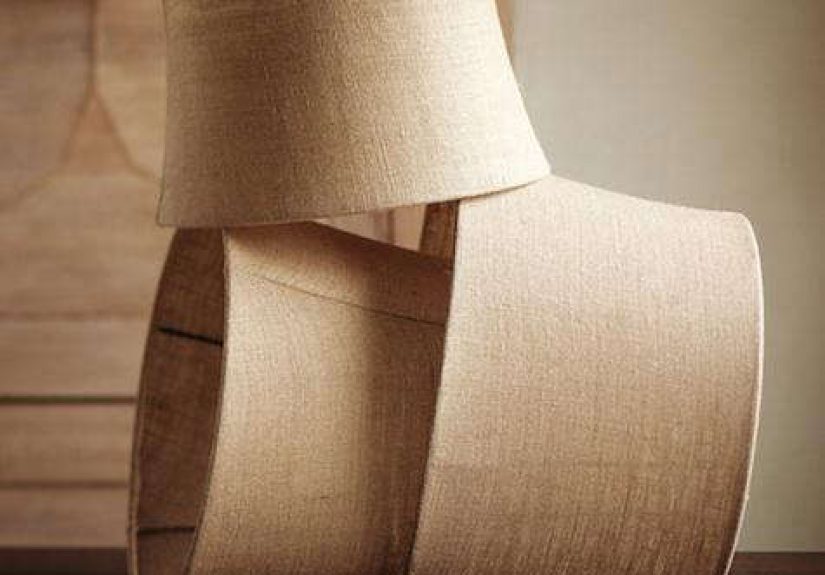
Burlap has a visible weave, which means it gives a lamp more dimension. Smooth lampshades can be beautiful, but they often disappear into a room. Burlap does the opposite. It catches light, reveals small variations in the fabric, and creates a glow that feels layered rather than flat. That natural imperfection is part of the charm. A burlap shade does not need to be flawless; it needs to look alive.
Pottery Barn’s Burlap Lampshade Style
Pottery Barn is known for lighting that leans classic, comfortable, and versatile. Its burlap lampshade designs have typically emphasized tapered drum shapes, neutral tones, and compatibility with a range of lamp bases. The original Burlap Sheer Tapered Drum Lamp Shade is now listed as no longer available, but its design remains useful as inspiration: an unlined burlap shade that lets light pass through the fabric and highlights the natural slubs and variations in the weave.
The Gallery Burlap Tapered Drum Lamp Shade follows a more structured approach, with burlap construction and a lining that gives the shade form and durability. That difference matters. An unlined shade tends to feel airier and more casual, while a lined burlap shade often looks cleaner and more tailored. Both can work beautifully; the better choice depends on how much glow, structure, and polish you want.
What Makes Burlap Different From Linen or Cotton?
Linen is refined. Cotton is familiar. Burlap is the one that arrives with personality. A burlap lampshade has a more open, rugged texture than linen and a more natural, earthy presence than cotton. It is especially effective when a room needs warmth but not more color. That is a key reason designers reach for natural materials: texture can make a neutral room feel finished without adding visual noise.
Imagine a living room with a beige sofa, white walls, oak floors, and a simple coffee table. Add a plain white lampshade, and the room may feel clean but slightly unfinished. Swap in a burlap shade, and suddenly there is depth. The shade brings in a tactile note that connects to wood, woven baskets, jute rugs, rattan chairs, and natural fiber pillows. It is a small accessory, but it helps the room speak the same design language.
Best Rooms for a Burlap Lampshade
Living Room
A burlap lampshade works beautifully in a living room because it softens evening light. Place one on a ceramic, wood, or metal table lamp beside a sofa, and it creates a relaxed glow for reading, conversation, or pretending you are not watching one more episode. The texture also helps balance large upholstered pieces, especially in neutral rooms where surfaces can otherwise feel too smooth.
Bedroom
In a bedroom, a burlap shade brings warmth to the nightstand. It pairs well with white bedding, wooden furniture, black accents, and soft blue or sage walls. The key is to choose a shade that diffuses light gently without becoming too dim. If you read in bed, use a quality LED bulb with a warm color temperature and enough brightness for comfort.
Entryway
An entry table is a perfect place for a burlap lampshade. It says “welcome home” without trying too hard. Pair it with a round mirror, a bowl for keys, and a vase of branches or flowers. The texture of the shade keeps the vignette from feeling like a showroom display, which is good because real homes have keys, sunglasses, and at least one receipt nobody can explain.
Home Office
A burlap lampshade can also work in a home office, especially when the room needs to feel less corporate. It pairs nicely with leather, wood, aged brass, black metal, and woven storage. For task lighting, choose the bulb carefully. Burlap can soften brightness, so the lamp should support the work you actually do, not just look photogenic during video calls.
How to Choose the Right Size
Buying a lampshade without measuring is how good lamps end up wearing tiny hats. The shade should look proportional to the lamp base and the surrounding furniture. A common design rule is that the widest part of the shade should be roughly twice the width of the lamp base, while the shade height should be around one-third of the lamp’s overall height. These are not prison laws; they are helpful guardrails.
Before buying a replacement shade, measure four things: the top diameter, the bottom diameter, the slant height, and the vertical height. Also check the fitter type. Many table and floor lamps use a spider fitter with a harp and finial, while smaller lamps may use clip-on or uno fitters. If the fitter does not match, the shade may look great in theory and completely useless in practice. Home decor has enough drama already.
Styling Ideas for a Pottery Barn Burlap Lampshade
Pair It With Ceramic Bases
Ceramic lamp bases are one of the easiest partners for burlap. A white, cream, gray, or blue ceramic base gives the shade a polished foundation, while the burlap keeps the look from becoming too formal. This pairing is especially strong in coastal, cottage, and transitional rooms.
Use It With Black Metal
Black metal can feel sharp or industrial, but burlap softens it instantly. A black metal lamp with a burlap shade looks grounded and modern without feeling cold. Try this combination on a console table, home office desk, or side table near a leather chair.
Layer It With Natural Textures
Burlap loves company. It works well with jute rugs, woven baskets, rattan trays, cane chairs, linen curtains, and raw wood finishes. The trick is not to use every natural material in the same corner unless you want the room to look like a basket convention. Choose two or three textures and let them repeat gently.
Balance It With Smooth Finishes
Because burlap is rough and textured, it looks best when balanced with smoother surfaces. Think polished ceramic, glass, lacquered wood, marble, or metal. This contrast makes the burlap feel intentional rather than dusty or unfinished.
Decor Styles That Love Burlap Lampshades
Modern farmhouse is the obvious match. Burlap brings the rustic note, while Pottery Barn’s clean silhouettes keep it from drifting into barn-themed territory. In a farmhouse room, use a burlap shade with a turned wood lamp, black metal accents, slipcovered seating, and warm white walls.
Coastal design also welcomes burlap. The natural weave resembles beach grasses, rope, and driftwood textures. Pair it with a blue ceramic base, white linen curtains, and a woven tray for a look that says seaside calm without requiring a bowl of decorative shells.
Organic modern interiors use burlap in a more edited way. Here, the shade should be paired with sculptural bases, matte finishes, stone textures, and a restrained color palette. The burlap adds warmth to the minimalist setting so the room feels human rather than museum-adjacent.
Traditional rooms can use burlap too, especially when they need a casual update. A burlap shade on a classic lamp base can make older furniture feel fresher without replacing major pieces. It is a small swap with a big attitude adjustment.
Bulb Choice Matters More Than You Think
A burlap lampshade changes how light feels, so the bulb matters. Warm white LED bulbs are usually the safest choice for living rooms and bedrooms because they create a comfortable glow. Very cool bulbs can make burlap look gray or harsh, while warm bulbs emphasize the shade’s natural golden tones.
LED bulbs are also practical because they use much less energy and last longer than traditional incandescent bulbs. They also produce less heat, which is useful for any fabric shade. Always follow the lamp manufacturer’s maximum wattage recommendation, and never assume that a shade can handle any bulb just because it looks sturdy. Burlap has confidence, not superpowers.
How to Clean and Maintain a Burlap Lampshade
Burlap is textured, which means dust can settle into the weave. Regular light cleaning is better than heroic deep cleaning once a year. Start by turning off the lamp and letting the bulb cool completely. Then use a lint roller, a soft brush, or a vacuum with a brush attachment to remove dust gently.
For spots, avoid soaking the shade unless the care instructions clearly allow it. Burlap and water can be a risky friendship. Use a barely damp cloth with mild soap for small marks, test in an inconspicuous area, and blot rather than scrub. Aggressive cleaning can distort the weave or leave water marks. In other words, treat the shade like a delicate guest, not a kitchen floor.
When a Burlap Lampshade Is Not the Best Choice
As charming as burlap is, it is not perfect for every room. In very sleek modern spaces, it may feel too rustic unless paired carefully with refined materials. In bathrooms or damp areas, fabric shades can be impractical unless the product is specifically rated for that environment. Pottery Barn’s burlap shade details indicate indoor and dry-environment use, which is exactly the kind of detail worth respecting.
Burlap may also be too casual for highly formal rooms with silk drapes, polished antiques, and crystal lighting. That does not mean it cannot work, but it needs a bridgeperhaps a refined ceramic base, a tailored shade shape, or repeated natural textures elsewhere in the room.
Is a Pottery Barn Burlap Lampshade Worth It?
A burlap lampshade from Pottery Barn is worth considering if you want a simple accessory that can shift the mood of a room without repainting, replacing furniture, or having a dramatic argument with your budget. It is especially useful when a room feels too plain, too shiny, too cool, or too new. Burlap adds the kind of texture that makes a space feel collected over time.
The best part is its versatility. You can use one burlap shade in a small reading corner or repeat a pair on matching bedside lamps. You can pair it with a new Pottery Barn base or use it to revive an older lamp you already own. That is the quiet power of a good lampshade: it can make an old lamp feel new and a new room feel lived-in.
500-Word Personal Experience: Living With a Burlap Lampshade
The first time I used a burlap lampshade in a room, I did not expect much. It was one of those “small weekend updates” that starts with optimism and usually ends with a drawer full of spare hardware. The lamp base was ceramic, slightly glossy, and perfectly finebut the original white shade made the whole corner look flat. Nothing was wrong, exactly. It was just the home decor version of plain toast.
Switching to a burlap-style shade changed the mood immediately. During the day, the shade added texture even when the lamp was off. It connected the lamp to the woven basket under the console table and the jute rug nearby. Suddenly, the corner looked planned instead of accidental. That is one of the best things about natural accessories: they make separate pieces feel related without shouting “matching set.”
At night, the difference was even more noticeable. The light became warmer and softer, and the weave created a subtle glow that felt cozy without being dim. The room did not look professionally decorated in a stiff way; it looked comfortable, finished, and friendly. That is the sweet spot. A home should not feel like nobody is allowed to sit down.
I also learned a few practical lessons. First, size matters. The first shade I tried was too small, and the lamp looked like it had borrowed a hat from a teacup. A wider tapered drum shade made the base feel balanced. Second, the bulb matters. A cool white bulb made the burlap look dull and slightly gray. A warm white LED made the texture glow beautifully. Third, dust is real. Burlap’s weave can collect lint, so a quick pass with a lint roller every few weeks keeps it looking fresh.
The biggest surprise was how well the shade worked with different seasonal decor. In summer, it looked breezy with white flowers and light linen pillows. In fall, it played nicely with amber glass, wood bowls, and rust-colored accents. During the holidays, it kept greenery and metallic ornaments from feeling too formal. A burlap lampshade is neutral, but not boring. It is flexible in the same way a great pair of jeans is flexible: casual by nature, but easy to dress up.
If you are considering a Pottery Barn burlap lampshade or a similar natural-fiber shade, my best advice is to think of it as texture first and color second. The beige tone is helpful, but the weave is the real star. Use it where the room needs warmth, softness, or a little imperfection. Pair it with smooth surfaces so it looks intentional. Choose the right size, use a warm LED bulb, and keep it clean with gentle dusting. Do that, and this humble shade can become the accessory that quietly pulls the whole room together.
Conclusion
The Accessories: Burlap Lampshade from Pottery Barn idea remains popular because it solves a common decorating problem: how to make a room feel warmer, softer, and more layered without adding clutter. A burlap lampshade brings natural texture, diffused light, and relaxed character to living rooms, bedrooms, entryways, and home offices. It works with ceramic, wood, glass, and metal bases, and it fits several favorite American decor styles, from modern farmhouse to coastal and organic modern.
Choose the right size, check the fitter, pair it with a warm LED bulb, and clean it gently. A burlap shade may be a small accessory, but in the world of interiors, small accessories often do the heavy lifting. The sofa gets the applause, the rug gets the compliments, but the lampshade is over there making everyone look better. Respect the shade.