Table of Contents >> Show >> Hide
- Why Disney Characters Slide Into Other Franchises So Easily
- The 21-Pic Hook: A Few Pairings That Practically Cast Themselves
- This Is More Than a Joke: It Is a Crash Course in Fandom
- Why the “Oddly Fitting” Part Matters
- The Craft Sells the Comedy
- What These Disney Recasts Say About Pop Culture Right Now
- Final Thoughts
- Extra Reflection: What It Feels Like to Experience a Gallery Like This
- SEO Tags
Every now and then, the internet gifts us a concept so simple and so ridiculous that resisting it becomes physically impossible. This is one of those cases. A familiar movie poster appears on your screen. Your brain prepares for the usual faces. ThenbamDisney characters have hijacked the cast, stolen the spotlight, and somehow made the whole thing feel even more correct than the original setup. It is absurd. It is charming. It is a little cursed in the best possible way.
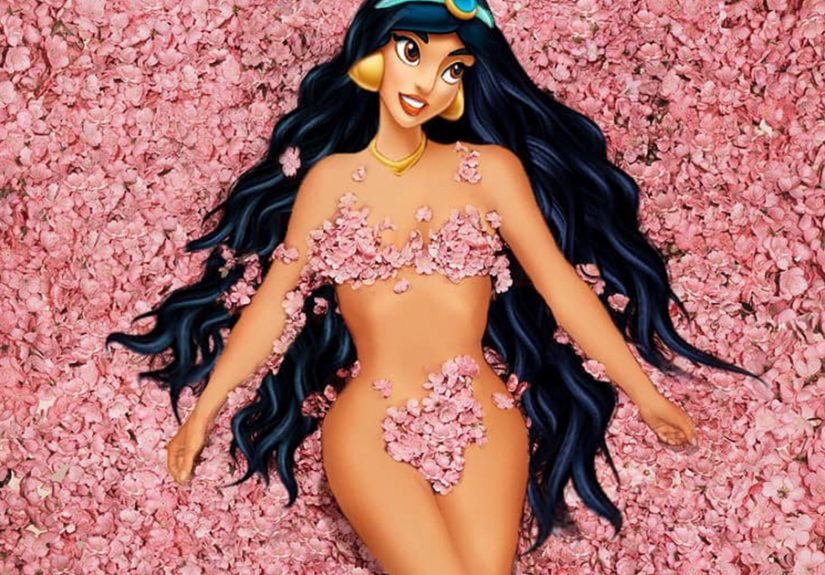
That is exactly the strange magic behind artist Gregory Masouras’s series imagining movies and TV shows with Disney characters in the starring roles. The collection, widely shared as a set of 21 images, does not just swap characters for a cheap laugh. It taps into something deeper: the way pop culture fans instantly recognize silhouettes, moods, archetypes, and poster language. In other words, this is not random chaos. This is highly organized pop-culture nonsense, and that is why it works.
From Game of Thrones and The Addams Family to Stranger Things, La La Land, A Star Is Born, and even The Favourite, these Disney mashups feel less like Photoshop pranks and more like alternate-universe casting decisions made by a very caffeinated film professor with a Disney+ password.
Why Disney Characters Slide Into Other Franchises So Easily
The first reason these mashups land so well is that Disney characters are built like visual shorthand. They are designed to be recognized instantly. A hairstyle, a gown, a jawline, a smirk, a color palettedone. You know who you are looking at before your brain finishes the sentence. That kind of iconic design makes Disney characters unusually portable. Drop them into a fantasy drama, a moody indie romance, or a campy horror poster, and they still read clearly from across the room.
Movie and TV posters work in a similar way. They are not trying to tell you the whole story. They are selling a vibe in one glance. Grandeur. menace. longing. chaos. prestige. glitter. grief. When an artist swaps a human cast for Disney characters, the joke lands only if the emotional architecture stays intact. Masouras understands that. He is not just replacing faces; he is preserving tone. That is the difference between a throwaway meme and a piece of fan art people keep sharing years later.
There is also the archetype factor. Disney’s heroes, villains, sidekicks, and mischief-makers are already exaggerated versions of familiar screen types: the dreamer, the schemer, the misfit, the diva, the romantic, the disaster with good hair. Modern film and TV are full of those same character energies. So when viewers see a Disney figure dropped into another fictional universe, the match often feels suspiciously natural. It is less “What am I looking at?” and more “Wait, why does this make sense?”
The 21-Pic Hook: A Few Pairings That Practically Cast Themselves
Game of Thrones and the fantasy factor
Fantasy is already halfway to Disney. Both worlds love kingdoms, crowns, dramatic capes, dangerous ambition, prophecy-adjacent energy, and the occasional family issue that could have used several more therapy sessions. So when Disney characters invade a Game of Thrones-style composition, the transition feels weirdly seamless. The scale is there. The costume drama is there. The emotional excess is definitely there. All that changes is that the dragons suddenly seem more merch-friendly.
The Addams Family and gothic cartoon logic
This one is almost unfair. Disney and gothic whimsy have always flirted across the room. The dark elegance of The Addams Family already lives in a heightened, stylized universe, which makes it perfect for a Disney recast. The visual joke works because the source material is already theatrical. It does not need realism; it needs commitment. And Disney characters, bless them, have never been accused of undercommitting.
Stranger Things, A Star Is Born, and La La Land
These are strong examples of how the series is not limited to one genre. Stranger Things brings retro suspense and ensemble chemistry. A Star Is Born leans into heightened romance and star-image mythology. La La Land is already one step away from animation, with its dreamy colors and emotionally overqualified sky. Disney characters can inhabit all three because they are not tied to realism; they are tied to emotional clarity. If the poster says yearning, glamour, innocence, heartbreak, or danger, they can show up and deliver.
The prestige-and-camp sweet spot
Some of the funniest entries are the ones that flirt with prestige drama or stylized camp: titles like American Beauty, Zoolander, American Horror Story: Hotel, Haunting of Hill House, Phantom Thread, and The Favourite. These pairings work because Disney characters bring built-in innocence or flamboyance into worlds that are elegant, eerie, vain, or emotionally weaponized. The contrast creates comedy, but the composition keeps it classy. It is the visual equivalent of hearing a violin play a meme song and suddenly respecting the meme more.
This Is More Than a Joke: It Is a Crash Course in Fandom
Part of what makes this kind of crossover art so durable is that it rewards media literacy. To enjoy it fully, you need to know both sides of the equation. You have to understand the original poster, the tone of the film or show, and the personality of the Disney characters stepping in. The fun comes from seeing the overlap. Fans love that kind of pattern recognition. It turns passive viewing into a game.
That is also why mashup culture has stayed strong across fan art, cosplay, memes, parody posters, and fandom discourse. People enjoy remixing worlds that already mean something to them. A good mashup says, “I know these stories. I know these aesthetics. And I know exactly how to make them collide.” When the collision is affectionate rather than cynical, audiences respond. The best mashups feel like love letters with a prankster streak.
Disney is especially useful in this space because its characters have enormous cultural reach. They carry nostalgia, familiarity, and emotional shorthand all at once. Even when viewers have not revisited certain animated films in years, the characters still live rent-free in their minds, redecorating periodically. That gives artists a massive shared vocabulary to work with. In internet terms, Disney characters are premium remix material.
Why the “Oddly Fitting” Part Matters
Let’s talk about that phrase: oddly fitting. It is doing a lot of heavy lifting, and honestly, it deserves a raise.
If these images were only funny, they would be scroll-past content. You would chuckle, exhale through your nose like a civilized person, and move on. But the “fit” is what makes you linger. The viewer starts testing the image against their internal logic. Could that Disney character actually carry this role? Does the costume line up? Does the attitude work? Is the poster composition somehow better now? The mind gets busy trying to justify the joke, and in doing so, it becomes more invested in the art.
That tension between the ridiculous and the believable is what powers most successful crossover art. Too random, and it feels disposable. Too obvious, and it feels flat. Masouras’s concept sits in the sweet spot where you are surprised first and convinced second. It is the same pleasure as a clever fancast, a brilliant parody trailer, or a meme that somehow understands cinema better than half the internet comments section.
There is also a broader reason these recasts click: modern audiences are used to cinematic universes, franchise cross-pollination, legacy sequels, nostalgic reboots, and endlessly remixable IP. We already live in a culture that loves asking what happens when one story engine gets plugged into another. So in a way, these Disney poster swaps are not bizarre at all. They are just fandom speaking its most fluent language.
The Craft Sells the Comedy
What keeps the series from feeling lazy is the craft. Good mashup art depends on more than a funny premise. It needs composition, clean integration, tonal accuracy, and an eye for character selection. The Disney figure has to feel like it belongs in the frame, not like it wandered in from the wrong tab on someone’s laptop.
The strongest entries use the original poster’s mood as a guide. If the source image is sleek and glamorous, the recast leans into elegance. If it is spooky or melodramatic, the Disney choices amplify those qualities without breaking the scene. That restraint matters. Fan art often succeeds when it respects the grammar of the original work while still having fun with it.
And yes, the comedy matters too. One of the pleasures of this whole idea is that it allows viewers to enjoy high and low culture at the same time. You can appreciate visual design, archetypal storytelling, and fandom history while also thinking, “This should not work, and yet here we are.” It is criticism with glitter on it.
What These Disney Recasts Say About Pop Culture Right Now
At a bigger level, this kind of art says something revealing about how people watch movies and TV now. Viewers do not simply consume stories; they reorganize them. They meme them, quote them, fancast them, redraw them, cosplay them, and toss them into crossover blenders just to see what comes out. Entertainment no longer ends with the credits. It keeps mutating in public.
That is why an image set like this can resonate beyond novelty. It reflects how audiences actually relate to stories in the social-media era. We do not keep our favorite characters in neat little boxes. We drag them into other genres, compare them across franchises, and test whether their emotional core survives new packaging. The answer, in Disney’s case, is usually yessometimes alarmingly yes.
So when an artist replaces the cast of famous movies and TV shows with Disney characters, the result feels like more than fan service. It becomes a mirror of modern fandom itself: playful, obsessive, highly visual, a little chaotic, and constantly searching for the next crossover that should not work but absolutely does.
Final Thoughts
Gregory Masouras’s Disney-character recasts are funny on first glance, but their staying power comes from how intelligently they are built. They understand iconography. They understand poster language. They understand that fandom loves recognition almost as much as it loves surprise. Most of all, they understand a basic truth about pop culture: once a character becomes iconic enough, they can wander into almost any universe and still feel at home.
That is why these 21 images are so enjoyable. They are not just fan art. They are miniature case studies in design, nostalgia, and character archetypeswearing a comedy disguise. And honestly, that may be the most Disney thing of all: making something look effortless while sneaking in a surprising amount of craft underneath.
Extra Reflection: What It Feels Like to Experience a Gallery Like This
Scrolling through a series like Artist Replaces The Cast Of Movies & TV Shows with Disney Characters, And It’s Oddly Fitting is a strangely layered experience, because your brain is doing at least three jobs at once. First, it is recognizing the original movie or TV poster. Second, it is identifying the Disney characters. Third, it is judging whether the emotional chemistry of the swap makes sense. That is a lot of work for what is technically a very silly internet activity, and maybe that is why it is so satisfying.
There is a special kind of joy in encountering art that makes you feel smart and amused at the same time. You are not just passively looking; you are decoding. You are comparing memories. You are mentally casting roles. You are probably arguing with the image a little, too. “Okay, that choice is brilliant.” “No, wait, another character would have fit better.” “Why does this poster suddenly look like a movie I would absolutely watch on opening night?” It becomes interactive without asking anything from you except attention and a functioning pop-culture memory.
That personal experience is a huge reason fan art like this spreads. People do not share it only because it is visually appealing. They share it because it starts conversations instantly. A friend sends you one image, and suddenly you are both debating which Disney characters belong in a horror franchise, which ones would dominate prestige TV, and which princess could absolutely survive a prestige limited series where everyone whispers while holding a teacup. This kind of art is social by nature. It invites reaction.
There is also something comforting about the mashup itself. Disney characters carry childhood familiarity, while the movies and shows being spoofed often belong to teen or adult viewing habits. Put them together and you get a playful bridge between different eras of your media life. It is nostalgia without being precious. It lets you revisit childhood icons in a way that feels current, ironic, and internet-savvy rather than purely sentimental. That balance is hard to pull off, but when it works, it feels like reconnecting with an old friend who suddenly has incredible taste in television.
On a visual level, the experience can be surprisingly elegant. Even when the joke is loud, the best mashups still give your eyes something pleasing to do. You notice shapes, colors, costume echoes, facial expressions, and how poster layouts guide attention. The humor gets you in the door, but composition keeps you there. That is why these images tend to linger in memory longer than ordinary memes. They are not just punch lines; they are designed objects.
And maybe the most relatable part of the experience is this: galleries like this give viewers permission to be delightfully unserious about media they care deeply about. You can love movies, television, animation, and visual storytelling while still enjoying the spectacle of a Disney character showing up where absolutely no one invited them. In fact, that mix of affection and chaos is part of the fun. It reminds us that pop culture does not only belong to studios, critics, or algorithms. It also belongs to audiences who keep reimagining it, remixing it, and laughing with it. Sometimes the best way to appreciate a story is not to leave it untouched. Sometimes it is to hand it a cartoon crown, a dramatic poster pose, and let the weirdly perfect recasting begin.