Table of Contents >> Show >> Hide
- Quick Definitions: What “Upright” and “Canister” Actually Mean
- The Core Difference That Matters: How You Move It
- Head-to-Head: Canister vs. Upright in Real Homes
- Bagged vs. Bagless: The Side Quest That Impacts Both Types
- Filtration and Allergies: Don’t Stop at the Word “HEPA”
- Pets: The Great Fur Olympics
- A Practical Comparison Table
- Which One Should You Choose? Use These “Home Profiles”
- Smart Shopping Checklist (So You Don’t Regret This Purchase at 11:48 PM)
- 500+ Words of Real-World Experience: What Vacuuming Feels Like in Daily Life
- Conclusion: The Right Vacuum Is the One That Matches Your Floors (and Your Life)
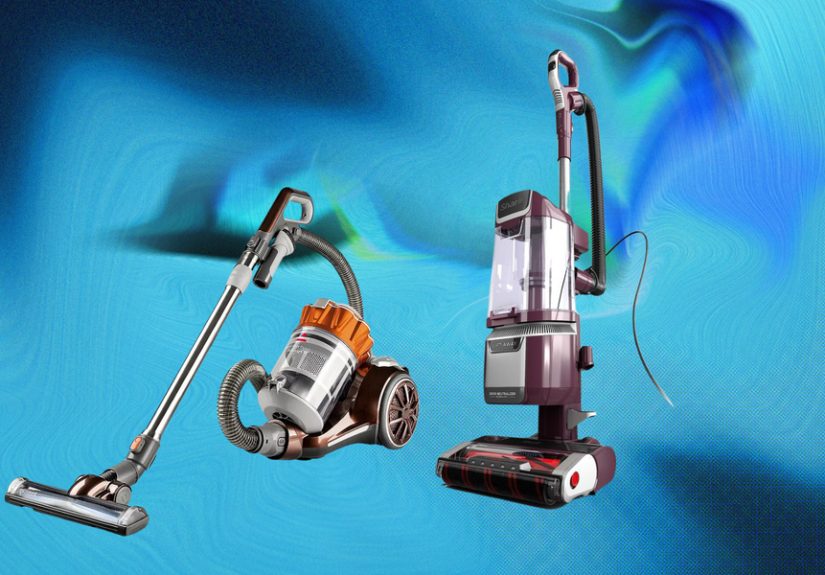
Choosing a vacuum sounds like an easy adult decision until you realize you’re basically selecting a lifelong roommate: loud at inconvenient times, weirdly needy about maintenance, and somehow always judging you for that one corner you “totally got last time.” The good news? If you understand the two main personalitiesupright and canisterthe decision gets a lot simpler.
This guide breaks down how each style works, what they’re best at (and what they’re secretly terrible at), and which one fits your home, floors, pets, allergies, storage situation, and tolerance for dragging a machine around like it’s a reluctant suitcase at the airport.
Quick Definitions: What “Upright” and “Canister” Actually Mean
Upright vacuums
An upright is the classic all-in-one tower: motor, dustbin/bag, brush roll, and handle in a single unit you push in front of you. Many uprights are designed to excel on carpets thanks to a powered brush roll that agitates fibers to lift embedded grit and pet hair.
Canister vacuums
A canister vacuum splits the machine into two parts: a wheeled “canister” (motor + dustbin/bag) that follows behind you, and a lightweight wand/hose you steer with your hand. The floor head can be a simple hard-floor nozzle or a powered head for carpet. This design often makes above-floor cleaning (stairs, upholstery, curtains, corners) feel more naturalbecause you’re mostly moving the wand, not the entire vacuum.
The Core Difference That Matters: How You Move It
Here’s the simplest way to think about it: uprights are “push” vacuums and canisters are “pull + steer” vacuums. That movement style changes everythingfatigue, maneuverability, how you handle stairs, and whether you end the cleaning session feeling productive or personally betrayed.
- Upright: Fast, straightforward lanes. Great for big carpet areas. Less great for tight furniture or lots of transitions.
- Canister: More flexible steering and reach. Great for hard floors, stairs, and detail work. Requires coordinating hose + canister like a tiny cleaning parade.
Head-to-Head: Canister vs. Upright in Real Homes
1) Carpets and rugs
If your home has lots of wall-to-wall carpet or thick area rugs, an upright often feels like the “default correct answer.” The wide cleaning head covers more ground per pass, and many models are built around deep carpet cleaning with a powered brush roll. That agitation helps pull up fine debris that settles into carpet fibers (the stuff that makes your socks look like they’ve been through a desert hike).
Canisters can also clean carpet wellif they have a powered carpet head. A canister with the right power head can be excellent, but it’s important to confirm you’re not buying a hard-floor specialist and expecting it to wrestle shag carpet into submission.
2) Hardwood, tile, vinyl, and other hard floors
Hard floors reward control and gentle contact. Canisters often shine here because the wand and floor nozzle are easy to angle under furniture, and many hard-floor heads are designed to pick up debris without scattering it like confetti.
Uprights can be great on hard floors too, especially newer models with improved seals, suction, and brush-roll shutoff. But if you’ve ever watched an upright’s brush roll flick a rogue Cheerio across the kitchen like it’s trying out for the Olympics, you already understand why hard floors can favor a canister setup (or an upright with strong hard-floor design).
3) Stairs
Stairs are where many people decide they “actually don’t need clean stairs.” Canisters usually make stairs easier because you can leave the canister on a landing and use the hose/wand to clean steps. Uprights can handle stairs too, but it often involves lifting and balancing the unit or relying heavily on attachments.
A notable exception: some upright designs have a detachable pod (“lift-away” style) that turns the vacuum into a pseudo-canister for stairs and upholstery. If you like upright speed but hate stair workouts, that hybrid approach can be a practical compromise.
4) Under furniture, corners, and weird angles
Canisters are generally more nimble in cramped spaces because you’re maneuvering a slim wand and floor head. Uprights can struggle under low sofas and beds unless they have a low-profile head or specialized features.
If your home is full of chair legs, coffee tables, and “decorative” furniture that exists mostly to block cleaning paths, a canister can reduce the amount of bumping, tugging, and apologizing you do.
5) Above-floor cleaning (couches, curtains, baseboards, ceiling corners)
Canisters typically feel more natural for above-floor work because the hose and attachments are central to the design. Uprights can do above-floor cleaning, but the experience varies: some have short hoses that make you feel like you’re vacuuming your couch while the vacuum vacuuming you back.
6) Weight, fatigue, and who’s doing the vacuuming
If you want the least complicated “push and go” experience, uprights usually win. But weight can be a factor: uprights often keep the motor and dustbin in the main body you’re guiding.
With canisters, the heavier part sits on the floor and rolls behind you, while your hand mostly handles a lighter wand. Some people find that easier on arms and shouldersothers find the trailing canister annoying, especially around tight turns. The best choice depends on what tires you out: pushing a heavier unit or managing a hose + rolling base.
7) Storage space
Uprights store vertically in a smaller footprint, which is great if you live in a space where “storage closet” is more of a vibe than a room. Canisters can take more space because you’re storing a canister body plus a hose and wand (and possibly multiple heads). Some canisters are compact, but it’s still a two-part system.
8) Noise
Noise levels vary widely by model, but canisters are often described as quieterpartly because the motor is farther from your ears and sometimes better insulated in the canister body. That said, “quiet vacuum” is like “quiet toddler”: possible, but don’t set your expectations to “library.”
Bagged vs. Bagless: The Side Quest That Impacts Both Types
Upright vs. canister is only half the decision. The other half is bagged vs. bagless, and it matters for cost, convenience, and cleanliness.
Bagged vacuums
- Pros: More hygienic disposal (especially helpful if you have allergies), less dust plume when emptying, often better at containing fine debris.
- Cons: Ongoing cost of replacement bags, and you need the right bag type (no, a random paper bag will not “basically work”).
Bagless vacuums
- Pros: No bag purchases, easy to see when it’s full, convenient for quick emptying.
- Cons: Emptying can release dust back into the air, bins and filters need regular cleaning, and performance can drop if filters clog.
If allergies, asthma, or “I just hate dust” are part of your life, a bagged vacuum with good filtration is often the calmer, cleaner option. If you prefer lower ongoing costs and don’t mind routine filter maintenance, bagless can be a solid fit.
Filtration and Allergies: Don’t Stop at the Word “HEPA”
Many vacuums advertise HEPA filtration, and that can be helpful for homes with allergies or pets. But filtration isn’t only about the filter it’s also about how well the vacuum is sealed. If air (and dust) leaks out through gaps, the filter can’t do its job.
For allergy-focused shopping, look for:
- True HEPA filtration (not vague “HEPA-like” wording).
- A sealed system designed to keep particles from escaping.
- Certification or independent testing when available, especially if allergens are a major concern.
Also: no vacuum fixes allergies by itself. Regular cleaning routines, frequent vacuuming in high-traffic areas, and good dust-control habits make a bigger difference than chasing a single “magic” feature.
Pets: The Great Fur Olympics
Pet hair isn’t just “more debris.” It’s clingy, stringy, and determined to become one with your upholstery. Either vacuum type can work well, but the details matter:
- On carpet: a powered brush roll (and good airflow) helps lift hair embedded in fibers.
- On hard floors: strong pickup without scattering is keymany canisters do well here, as do uprights designed for hard floors.
- On furniture: canisters often feel easier because attachments are the main event, not an afterthought.
If your home includes multiple surfaces and lots of pet hair, consider a vacuum with strong attachments and an easy-to-maintain brush roll. Hair tangles are the vacuum equivalent of stepping on a LEGO: it’s not just painful, it’s personal.
A Practical Comparison Table
| Category | Upright | Canister |
|---|---|---|
| Best for | Large carpeted areas, quick passes | Hard floors, stairs, above-floor cleaning, tight spaces |
| Maneuverability | Good in open spaces; can be bulky around furniture | Excellent steering with wand/head; canister may bump corners |
| Stairs | Depends on hose/tools; can be awkward to carry | Often easier with hose/wand; canister stays on landing |
| Storage | Usually easier (stands upright, smaller footprint) | Can take more space (canister + hose + wand + heads) |
| Above-floor cleaning | Varies; some have short hoses | Typically strong, designed for attachments |
| Learning curve | Low (push-forward simplicity) | Moderate (hose management + trailing canister) |
Which One Should You Choose? Use These “Home Profiles”
Choose an upright if…
- You have mostly wall-to-wall carpet or lots of rugs.
- You want fast, straightforward cleaning with minimal setup.
- You prefer a vacuum that stores neatly in a closet.
- You like the idea of a wider cleaning path (fewer passes in large rooms).
Choose a canister if…
- You have lots of hard floors, mixed surfaces, or delicate flooring.
- You clean stairs often (or you enjoy not suffering).
- You do a lot of above-floor cleaning: upholstery, drapes, corners, baseboards.
- Your home has tight spaces or lots of furniture to maneuver around.
Choose a “hybrid” upright (lift-away style) if…
- You want upright speed for floors but better flexibility for stairs and furniture.
- You like the idea of a detachable pod for above-floor cleaning.
- You want one machine to cover multiple job types without switching vacuums.
Smart Shopping Checklist (So You Don’t Regret This Purchase at 11:48 PM)
Before you pick a side in the canister vs. upright debate, measure your realitynot your fantasy self who “vacuums every Tuesday at 6.”
- Floors: Mostly carpet? Mostly hard floors? A genuine mix?
- Stairs: Do you have them, and do you actually clean them?
- Storage: Where will it live? Closet width matters more than you think.
- Attachments: If you’ll use them, make sure they’re included and easy to access.
- Filtration: If allergies/pets are a concern, prioritize sealed design + true HEPA.
- Maintenance: Are you okay washing filters or do you prefer changing bags?
- Weight and handling: Consider who will use it most and what feels comfortable.
- Cord and reach: Operating radius (cord length + hose reach) affects how often you switch outlets.
500+ Words of Real-World Experience: What Vacuuming Feels Like in Daily Life
Spec sheets are cute, but lived experience is where vacuums reveal their true personalities. In real homes, the “best vacuum” often becomes “the vacuum you actually use.” For example, people who switch to an upright after years of struggling with a bulky setup often describe the first run as oddly satisfying: you park it in the middle of the room, tilt it back, and it just goesstraight lines, wide path, quick progress. In a carpet-heavy living room, that speed can feel like you got your weekend back. You finish faster, and you’re less tempted to declare the hallway “good enough” and reward yourself with snacks.
But the same upright in a dining area with chair legs can turn into a slow-motion obstacle course. You bump, pivot, back up, pivot again, and suddenly you’re doing three-point turns like you’re parallel parking a minivan. This is where canister fans tend to become evangelical. They’ll tell you the wand-and-head steering feels more like sweeping: you slide under chairs, trace baseboards, and angle into corners without lifting the whole machine. The canister rolls behind you like a loyal petuntil it doesn’t. There’s usually a moment when the canister catches on a doorway or taps your ankle to remind you who’s in charge.
Stairs are another “experience gap.” With a canister, many people find they can clean stairs in a more controlled, less gym-class way: leave the canister on the landing, work step by step with the hose, and hit the edges with a crevice tool. With a traditional upright, stairs can feel like you’re trying to carry an awkward suitcase while also vacuuming a narrow surface. That’s why “lift-away” upright designs have such a followingthey give upright owners a way to handle stairs and upholstery without fully switching to a canister lifestyle.
Maintenance is also more emotional than it should be. Bagless vacuums feel convenient until you empty the bin and a puff of dust rises like a tiny ghost of every snack you ate on the couch. People with allergies often notice that the act of emptying can be the worst part, not the vacuuming itself. Bagged vacuums can feel calmer: remove bag, seal it, toss it. No cloud. No gritty bin rinse. No “why does this smell like the past?” The trade-off is that you need bags on hand, and you’ll feel mildly annoyed the first time you realize bags are a recurring purchaselike printer ink, but with more lint.
Finally, the most common “I didn’t expect this” experience is how much hose and cord management affects your mood. A canister’s retractable cord can feel like a tiny luxury, while a short hose can feel like betrayal when you’re trying to reach cobwebs. Uprights can be wonderfully simple until you discover the hose barely reaches the top cushion of your sofa without the vacuum tipping like it’s fainting. In other words, comfort isn’t only about cleaning powerit’s about whether the vacuum helps you finish the job without turning it into a slapstick comedy routine. The right pick is the one that fits your rooms, your habits, and your patience level… especially on the days you’re cleaning because guests are coming in 20 minutes and you’re negotiating with dust bunnies like they pay rent.
Conclusion: The Right Vacuum Is the One That Matches Your Floors (and Your Life)
If you want a quick, efficient cleaner for lots of carpet, an upright is often the simplest win. If your home has hard floors, stairs, tight spaces, and lots of above-floor cleaning, a canister can feel more versatile and less awkward. And if you want a little of both, a lift-away upright can bridge the gap.
The best choice isn’t about which style is “better” in the abstractit’s about which one you’ll use consistently without sighing dramatically every time you open the closet. Pick the vacuum that makes cleaning feel easier in your actual home, not your imaginary home with endless storage and perfectly spaced furniture.