Table of Contents >> Show >> Hide
- What “Classic” Cornbread Really Means
- Ingredients That Matter (and Why)
- Classic Corn Bread Recipe (Skillet or Pan)
- Classic Substitutions (So You Don’t Have to Abandon Mission)
- Variations That Still Count as “Classic”
- Serving Ideas That Make Cornbread Feel Like a Main Character
- Troubleshooting: If Your Cornbread Isn’t Perfect Yet
- Storage, Freezing, and Reheating (So Leftovers Don’t Get Sad)
- Kitchen Moments: The 500-Word Cornbread Experience (You’ll Recognize This)
Cornbread is the kind of food that shows up unannounced, steals the spotlight, and somehow makes everything else on the table taste better.
Chili? Better. Barbecue? Better. “I only made a salad” dinner? Cornbread will respectfully disagree and turn it into a meal.
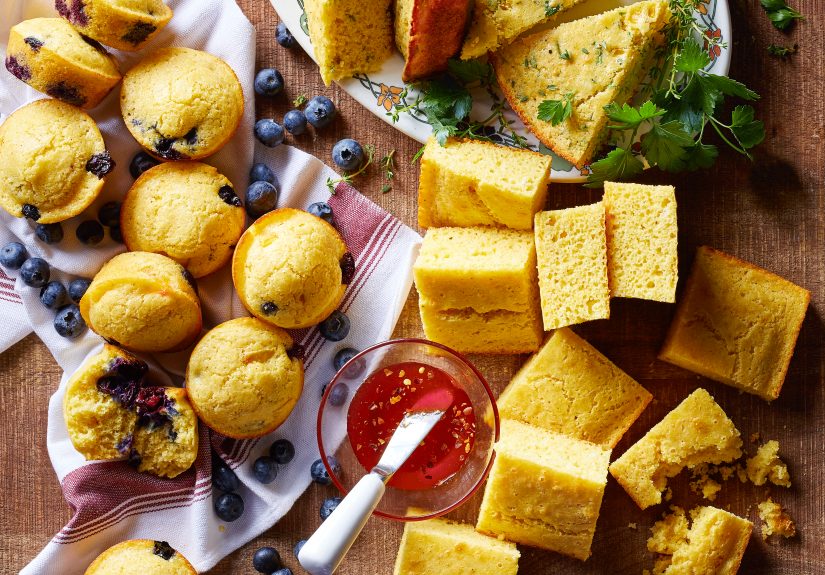
If you’ve been hunting for a classic corn bread recipegolden, tender, and just crumbly enough to feel authenticthis one hits the sweet spot.
We’ll keep it traditional, but not stubborn: you’ll get that crisp, skillet-kissed edge, a moist center, and the option to go sweeter (Northern-style)
or barely-sweet (Southern-style) without starting a family group chat argument.
What “Classic” Cornbread Really Means
“Classic” cornbread isn’t one single recipe carved into a cornmeal tablet. It’s more like a set of rules that most versions follow:
cornmeal for flavor, a quick-bread lift (baking powder and/or baking soda), dairy for tenderness, and enough fat to keep it from tasting like a dry sponge in disguise.
The detailsespecially sugar and the pan you useare where the regional personality shows up.
Southern vs. Northern: The Sweetness Debate (But in Bread Form)
In many Southern kitchens, “classic” means little to no sugar, baked in a hot cast-iron skillet with bacon drippings or butter for a crisp crust.
In many Northern kitchens, “classic” leans a touch sweeter and cakier, often still baked in a skillet but sometimes in a square pan for a softer edge.
Neither is wrong. The best cornbread is the one you’ll actually make again next week.
Ingredients That Matter (and Why)
Cornmeal: Texture, Grind, and Flavor
Cornmeal is the main character. A medium-grind yellow cornmeal gives that familiar “classic” bite without turning the crumb gritty.
Stone-ground cornmeal can taste more corn-forward, but it may absorb more liquid and bake up a bit more rustic.
If your cornbread has ever felt dry or sandy, the fix is often not more butterit’s giving the cornmeal time to hydrate.
That’s why this recipe includes a short rest after mixing.
Buttermilk + Baking Soda: The Fluffy-But-Not-Cake Trick
Buttermilk adds tang and tenderness. It also plays nicely with baking soda, which helps with lift and browning.
Baking powder does the heavy lifting for rise; baking soda is the sidekick that makes the crumb lighter and the flavor deeper.
If you don’t have buttermilk, you can fake it (see the substitutions below), but real buttermilk is worth it when you want that “yep, that’s cornbread” taste.
Fat: Butter, Oil, or Bacon Drippings
Butter brings flavor. Oil brings moisture (because it stays liquid at room temperature). Many “best of both worlds” cornbreads use both.
For a truly classic skillet crust, you also need fat in the panheated until shimmeringso the batter sizzles the moment it hits.
That sizzle is basically the sound of success.
Classic Corn Bread Recipe (Skillet or Pan)
This recipe is designed to be reliably delicious with everyday pantry ingredients, but it still delivers that iconic crisp edge when baked in cast iron.
It’s lightly sweet as writteneasy to dial down for a more Southern-style cornbread.
Quick Details
- Yield: 8 to 10 servings
- Pan options: 9-inch cast-iron skillet (best crust) or 8×8-inch baking pan
- Oven temp: 425°F
- Time: About 10 minutes prep + 18–22 minutes bake
Ingredients
- 1 cup yellow cornmeal (medium grind recommended)
- 1 cup all-purpose flour
- 1/4 cup granulated sugar (see “Southern dial” below)
- 1 tablespoon baking powder
- 1/2 teaspoon baking soda
- 1 teaspoon kosher salt (or 3/4 teaspoon table salt)
- 1 1/4 cups buttermilk, well shaken
- 2 large eggs
- 4 tablespoons unsalted butter, melted and slightly cooled
- 1/4 cup neutral oil (vegetable, canola, avocado)
- For the pan: 1 tablespoon butter or 1 tablespoon bacon drippings (or oil)
Step-by-Step Instructions
-
Heat the oven and the pan.
Set the oven to 425°F. If using a cast-iron skillet, place it in the oven while it preheats.
(If using an 8×8 pan, you can skip preheating the panthough warming it helps browning.) -
Mix dry ingredients.
In a large bowl, whisk together cornmeal, flour, sugar, baking powder, baking soda, and salt.
Whisking evenly matters herenobody wants to bite into a surprise pocket of baking powder. -
Mix wet ingredients.
In a separate bowl (or a large measuring cup), whisk buttermilk and eggs until smooth.
Whisk in melted butter and oil. -
Combine gently.
Pour wet into dry and stir just until no dry flour remains.
The batter will look slightly lumpygood. Overmixing is how cornbread turns tough and sulky. -
Rest the batter (the secret step most people skip).
Let the batter sit for 5 to 10 minutes. This hydrates the cornmeal for a more tender crumb. -
Prepare the hot skillet.
Carefully remove the hot skillet from the oven. Add 1 tablespoon butter or bacon drippings and swirl to coat.
It should melt immediately and look lively (tiny bubbles = yes). -
Pour and bake.
Pour batter into the hot skillet (it should sizzle a bit). Bake 18–22 minutes, until deeply golden and the center springs back when lightly pressed. -
Cool (briefly) and serve.
Let cool 5–10 minutes. Serve warm. Try not to “test” half the pan while it cools. (Or do. I’m not in charge of your joy.)
How to Tell Cornbread Is Done
- The top is golden and the edges look set and slightly pulled from the pan.
- A toothpick in the center comes out clean or with a few moist crumbs (not wet batter).
- The center springs back when gently pressed.
Classic Substitutions (So You Don’t Have to Abandon Mission)
No Buttermilk?
For a quick stand-in: add 1 tablespoon lemon juice or white vinegar to a measuring cup, then fill to 1 1/4 cups with milk.
Stir and let sit 5 minutes. It won’t taste exactly the same, but it’ll bake up tender and balanced.
No Cast Iron?
Use a metal baking pan (8×8) for better browning than glass. You’ll lose a bit of that iconic crust, but the flavor and texture still deliver.
If you want to mimic skillet magic, preheat the pan in the oven and add a little melted butter before pouring in the batter.
Variations That Still Count as “Classic”
More Southern (Less Sweet, More Crunch)
- Reduce sugar to 1 tablespoonor skip it entirely.
- Use bacon drippings in the skillet for a deeper savory edge.
- Keep the batter a little thicker by reducing buttermilk by 2 tablespoons if you want a sturdier slice.
More Northern (A Touch Sweeter, Extra Tender)
- Keep the sugar at 1/4 cup, or add 1–2 tablespoons honey.
- Swap 2 tablespoons of the oil for 2 tablespoons more melted butter for extra richness.
- Bake in an 8×8 pan for a softer crust and cake-like slice.
Potluck Upgrades (Use a Light Hand)
Want “classic-plus”? Keep additions modest so the bread still bakes through:
- Cheddar: 1/2 cup shredded sharp cheddar
- Jalapeño: 1 small jalapeño, finely diced (remove seeds for less heat)
- Corn kernels: 1/2 cup drained (fresh, frozen, or canned)
Serving Ideas That Make Cornbread Feel Like a Main Character
Quick Honey Butter
Mash together 4 tablespoons softened butter + 2 tablespoons honey + a pinch of salt.
Optional: add 1/4 teaspoon cinnamon if you want “breakfast cornbread energy.”
What to Pair With Classic Cornbread
- Chili night: crumble a piece into the bowl (it’s basically edible comfort).
- BBQ plate: pulled pork, brisket, or ribs love a slightly sweet sidekick.
- Soup season: black bean soup, chicken stew, or smoky ham-and-greens.
- Breakfast: warm slice + honey butter + coffee = a calm morning that feels suspiciously organized.
Troubleshooting: If Your Cornbread Isn’t Perfect Yet
“It’s dry.”
- Most common culprit: overbaking. Start checking at 18 minutes.
- Measure flour carefully (spoon and level, or use a kitchen scale).
- Don’t skip the batter resthydrated cornmeal feels moister even with the same ingredients.
“It’s crumbly and falls apart.”
- Let it cool 5–10 minutes before slicing; hot cornbread is fragile.
- Check your leaveners: too much baking powder can weaken structure.
- Try adding 1 extra tablespoon oil next time for a slightly more cohesive slice.
“No crispy crust.”
- Preheat the skillet and the fat in it. You should hear that gentle sizzle when batter hits.
- Cast iron helps, but even a metal pan can crisp if it’s hot and greased.
Storage, Freezing, and Reheating (So Leftovers Don’t Get Sad)
Let cornbread cool completely before storing. For food safety, don’t leave baked goods sitting out for hours during a long hangout
as a general rule, perishable foods shouldn’t remain at room temperature longer than 2 hours (1 hour if it’s very hot out).
Best Ways to Store
- Room temperature: Wrap well or store airtight for up to 3 days in a cool, dry spot.
- Refrigerator: Wrap tightly; it can last about 5–7 days, but refrigeration can dry it outreheat gently to bring it back.
- Freezer: Wrap slices (or the whole round) tightly and freeze up to about 2–3 months for best quality.
Reheating Without Drying It Out
- Oven: 350°F for about 10 minutes, wrapped in foil.
- Microwave: Cover with a slightly damp paper towel and heat in short bursts (10–20 seconds) to avoid toughness.
- Skillet trick: Warm a slice in a lightly butteril’d skillet for a toasty edge (cornbread’s second glow-up).
Kitchen Moments: The 500-Word Cornbread Experience (You’ll Recognize This)
There’s a particular kind of confidence that shows up when you bake cornbread in a cast-iron skillet. Not loud confidencequiet confidence.
The kind that says, “Yes, I own a skillet, and yes, it’s about to do something dramatic.” You start by preheating the pan, and while the oven climbs,
you get that little spark of anticipation because you already know what’s coming: the sizzle.
The batter comes together fastno yeast, no waiting for dough to rise, no existential questions about whether you “killed the yeast” (we’ve all been there).
Just cornmeal, flour, leaveners, eggs, and buttermilk. The first time you learn not to overmix, it feels weird. Every baking instinct says “make it smooth,”
but cornbread rewards the opposite. A few lumps are like a sign of maturity: you’re not trying to control everything anymore. You’re letting cornbread be cornbread.
Then comes the moment that makes skillet cornbread feel like a magic trick. You pull out the hot pan, add butter or drippings, and it melts instantly
like it was waiting for its big entrance. When you pour in the batter and hear that gentle hiss, you know you’ve already won at least half the battle.
That sound is the crust forming before your eyes, the kind of crust that turns the edge piece into a highly valued currency at dinner.
Cornbread has a way of turning ordinary meals into little events. Chili night becomes “chili and cornbread night,” which is emotionally different.
Barbecue leftovers become a plate you actually look forward to because cornbread makes reheated food feel intentional.
And if you’ve ever served cornbread at a gathering, you’ve seen the social phenomenon: people who were “just going to have a small piece” return
for a second slice they don’t even pretend is small. Cornbread does that. It’s polite enough to sit beside the main dish, but charismatic enough to steal attention.
The toppings tell stories, too. Honey butter says “cozy.” Plain butter says “classic.” A drizzle of honey says “breakfast is happening now.”
And if someone crumbles cornbread into soup, that person is either a genius or someone who grew up learning the good secrets early.
Cornbread is also forgiving: slightly stale slices can be toasted, reheated, turned into croutons, or used as the base for a stuffing-style side.
It doesn’t demand perfection; it just asks that you don’t forget it in the back of the pantry like a sad science project.
The best part? Once you nail your preferred “classic”sweeter or not, crisp-edged or softyou stop needing a recipe every time.
You start baking by feel. You recognize the batter thickness you like. You instinctively rest the batter for a few minutes because you’ve tasted the difference.
And one day you’ll realize you’re the person people text when they need cornbread for a potluck. That’s not just cookingthat’s a reputation.