Table of Contents >> Show >> Hide
- What Is Beer Bread (and Why It Doesn’t Need Yeast)?
- The 4 Ingredients (and What Each One Actually Does)
- 4-Ingredient Beer Bread Recipe (Step-by-Step)
- Choosing the Best Beer for Beer Bread
- Easy Upgrades (Optional Add-Ins That Don’t Ruin the “No Yeast Bread” Vibe)
- Troubleshooting: Fix the Usual Beer Bread Problems
- How to Serve, Store, and Reheat Beer Bread
- Kitchen Stories & Lessons Learned (Real-Life Beer Bread Energy)
- Conclusion
- SEO Tags
If the words “homemade bread” make you picture flour on the ceiling, a three-day rise, and a starter you have to name and emotionally support… take a deep breath. Beer bread is the low-maintenance friend of the bread world. It’s fast, forgiving, and it shows up to the party with snacks.
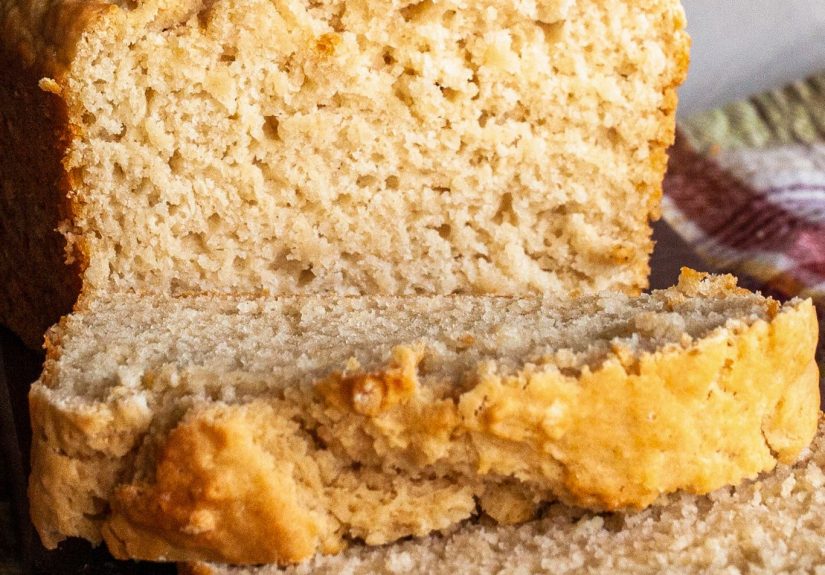
This is a 4 ingredient beer bread you can mix in one bowl, bake in one pan, and slice in under an hour (cooling time includedyes, that part matters). No yeast. No kneading. No “is my kitchen warm enough?” anxiety. Just a tender quick-bread style loaf with a golden, buttery crust and a subtle malty flavor that plays nicely with everything from chili to honey butter.
What Is Beer Bread (and Why It Doesn’t Need Yeast)?
Beer bread is basically a quick bread in a loaf pan
Traditional yeast breads rise because yeast creates gas over time. Beer bread skips the waiting by relying on the leavening already built into self-rising flour. Self-rising flour is flour that already includes baking powder and salt, which means the “rise” happens in the ovenno proofing required.
So what does the beer do?
Beer adds flavor (malty, toasty, sometimes slightly sweet) and helps the batter come together. The carbonation can give a little extra lift, but the real workhorse is the baking powder in the self-rising flour. The result is a rustic loaf: not quite sandwich bread, not quite cakemore like a savory “slice-and-smile” situation.
The 4 Ingredients (and What Each One Actually Does)
1) Self-rising flour
This is the secret shortcut. Because it includes baking powder and salt, it helps your loaf rise without yeast. It also tends to be milled from a slightly softer wheat than some all-purpose flours, which can keep the crumb tender.
2) Sugar
Sugar balances beer’s bitterness (if any), improves browning, and rounds out the flavor so your bread tastes “cozy” instead of “confusing.” You’ll see everything from a few tablespoons up to 1/2 cup in recipesmore sugar makes a sweeter, more cake-like loaf.
3) Beer
Beer provides moisture and flavor. Light lagers make a mild loaf that goes with anything. Brown ales add a richer, slightly caramel-like note. Very hoppy beers can turn bitter once baked, so choose a beer you actually like to drinkand consider your bitterness tolerance in bread form.
4) Butter
Butter is the crust-maker. Pouring melted butter over the top before baking gives you that crackly, golden edge that makes people “just taste” a slice and then accidentally eat three. You can also use a tiny bit of the butter to grease the pan so you don’t need any extra ingredients.
4-Ingredient Beer Bread Recipe (Step-by-Step)
Equipment
- 1 standard loaf pan (9 x 5-inch is common)
- 1 mixing bowl
- Measuring cups and spoons
- Spatula or wooden spoon
Ingredients
- 3 cups self-rising flour
- 1/4 cup sugar (or 3 tablespoons for a less-sweet loaf)
- 12 ounces beer (1 bottle or can; room temperature is ideal)
- 3–4 tablespoons butter, melted (use a little to grease the pan if you want)
Instructions
- Preheat the oven to 375°F. Lightly grease your loaf pan with a little melted butter (or line it with parchment for easy lift-out).
- Mix the dry ingredients. In a large bowl, whisk together the self-rising flour and sugar.
- Add the beer. Pour in the beer and stir just until no big pockets of dry flour remain. The batter will be thick and a little lumpydon’t “fix” that by overmixing. Overmixing can make the loaf tough.
- Pan it. Spoon the batter into the loaf pan and gently smooth the top.
- Butter the top. Drizzle the melted butter evenly over the batter.
- Bake 45–55 minutes. Start checking at 45 minutes. If your oven runs cool or you baked at 350°F, it may take closer to 55–60 minutes.
- Cool (yes, really). Let the loaf rest in the pan for about 5 minutes, then turn it out onto a rack. Wait until it’s mostly cool before slicing so the crumb can set.
How to tell when beer bread is done
- A toothpick inserted near the center comes out clean or with a few moist crumbs.
- The top is deeply golden.
- If you use an instant-read thermometer, the center is around 190°F for a baked-through quick bread texture.
Choosing the Best Beer for Beer Bread
Go “mild and malty” for the most crowd-pleasing loaf
If you’re baking for a group, aim for a beer with a gentle flavor: lager, pilsner, amber, or brown ale. These give you a balanced loaf that works with savory meals without tasting like a brewery tour.
Why super-hoppy beers can taste bitter
IPAs and other hoppy styles can bake up with a sharper bitterness. Some people love that, especially with chili or sharp cheddar. If you’re unsure, skip the hop-bomb and choose a brown ale or a light lager.
What about non-alcoholic beer?
Non-alcoholic beer can work well for flavor without the booze factor. It still behaves like a carbonated liquid in the batter, and you’ll get the same easy “mix and bake” process.
Does the alcohol cook out?
Not completely. Cooking reduces alcohol, but the amount left depends on time, temperature, and the recipe’s structure. Since beer bread bakes under an hour, it’s safest to assume some alcohol remains (even if much of it is reduced). If that matters for your household, use non-alcoholic beer or a bubbly substitute like seltzer.
Easy Upgrades (Optional Add-Ins That Don’t Ruin the “No Yeast Bread” Vibe)
The base recipe is intentionally simple. But beer bread is also a blank canvas with excellent manners. If you want to dress it up, keep add-ins modest (think 1/2 to 1 cup total) so the loaf still bakes through.
Savory ideas
- Cheddar + chives: Adds a biscuit-like vibe that’s perfect with soup.
- Jalapeño + cheddar: Spicy, melty, and basically begging for chili night.
- Everything bagel seasoning: Sprinkle on top after the butter drizzle for a snacky crust.
- Garlic powder + rosemary: Great with roast chicken or pasta.
Slightly sweet ideas
- Honey butter finish: Brush slices with honey butter while warm.
- Cinnamon sugar top: For a breakfast-y loaf (use a mild beer).
- Cheddar + a touch of honey: Sweet-salty magic that feels fancier than it is.
Troubleshooting: Fix the Usual Beer Bread Problems
“My loaf is dense.”
- Overmixing is the #1 culprit. Stir until combined, then stop.
- Old self-rising flour can lose leavening power over time. If your flour has been hanging out since “sometime last year,” consider replacing it.
- Pan size matters. A too-small pan makes the center bake slowly; a too-large pan can make it short and dense.
“It’s dry.”
- Measure flour carefullyspoon and level instead of packing the cup.
- Don’t overbake. Start checking early, especially if your loaf pan is darker metal (which bakes faster).
- Use the butter drizzle. It protects the crust and adds richness.
“The middle is gummy.”
- It likely needed more time. Tent the top loosely with foil and bake 5–10 minutes longer.
- Let it cool before slicing. Cutting too early can compress the crumb and make it seem underbaked.
“It tastes bitter.”
- Try a less hoppy beer next time (lager, amber, brown ale).
- A touch more sugar can help balance bitter notes.
How to Serve, Store, and Reheat Beer Bread
Serving ideas
- Serve warm with butter, honey butter, or whipped cream cheese.
- Pair with chili, stew, tomato soup, or barbecue.
- Toast slices and use them for next-level grilled cheese.
- Cube it for croutons (especially if you used a malty beer).
Storage and freezing
Once fully cool, store beer bread airtight at room temperature. For longer storage, slice and freeze so you can toast individual pieces straight from the freezer (dangerous knowledge, but also very convenient).
Kitchen Stories & Lessons Learned (Real-Life Beer Bread Energy)
Beer bread has a funny way of becoming the “oh wow, you made bread?” moment at a tableespecially because the effort-to-applause ratio is wildly in your favor. People see a loaf and assume you had a whole rustic-baking montage going on: flour drifting through golden sunlight, you dramatically slashing the top with a lame, perhaps a tasteful linen apron. Then you casually mention it was four ingredients and no yeast, and they look personally betrayed by how easy it is.
In a lot of home kitchens, beer bread shows up on the same kinds of days: snowy afternoons when leaving the house feels like a plot twist, game days when the chili pot is already doing the heavy lifting, or those last-minute “we should bring something” invitations where you need a reliable contribution that won’t steal your entire evening. It’s also the bread people make the first time they decide they want to be “a person who bakes,” because the recipe doesn’t ask for faith in yeast or patience for rising. It asks for a bowl, a spoon, and a beer. That’s a mood.
The biggest lesson most bakers learn quickly is that beer bread rewards restraint. The batter won’t look silky and perfect, and that’s the point. Stirring “just until combined” feels almost irresponsible if you’re used to smoothing batter into submission, but it’s the difference between tender slices and a loaf with the texture of a doorstop. The second lesson is that the butter on top is not optional “if you want it to be good.” It’s the shortcut to that bakery-style crustcrackly edges, browned corners, and a top that makes a satisfying sound when you cut into it.
Then there’s the beer choice experiment, which is where beer bread turns into a tiny science fair. A light lager tends to make a neutral, versatile loafgreat if you want it to disappear beside soup without announcing itself. A brown ale can make the bread taste warmer and more toasty, like it’s been hanging out near a campfire. An IPA might taste exciting if you love hops, but it can also come off bitter in a way that surprises people who expected “bread” and got “bitter bread monologue.” That’s why a lot of folks end up keeping a “bread beer” in mindsomething mellow they’ll happily drink, but also happily bake into dinner.
Beer bread also becomes a gateway to customization. Once you’ve made the plain loaf, it’s hard not to imagine versions for every occasion: cheddar-jalapeño for chili night, everything bagel seasoning for brunch, rosemary-garlic for pasta, even a slightly sweeter loaf for breakfast toast. The trick is keeping add-ins reasonable so the center still bakes through. Think of it like accessorizing: one great necklace, not the entire jewelry box at once.
Finally, beer bread teaches a quiet but powerful baking truth: homemade doesn’t have to mean complicated. Sometimes the most satisfying recipes are the ones you can memorize, pull off on a whim, and share without stress. When a loaf comes out golden and you didn’t have to knead, proof, or babysit a starter like a needy houseplant, it feels like you’ve hacked the universeone buttery slice at a time.
Conclusion
If you want homemade bread without yeast drama, beer bread with 4 ingredients is the move. Keep self-rising flour in the pantry, choose a beer you actually enjoy, don’t overmix, and let that butter do its crispy-top magic. Whether you serve it with soup, toast it for breakfast, or bring it to a potluck like the overachiever you secretly are, this loaf delivers maximum comfort for minimum effort.