Table of Contents >> Show >> Hide
- What Is Fatty Liver Disease?
- Can Fatty Liver Cause Stomach Pain?
- Where Does Fatty Liver Pain Usually Occur?
- Other Symptoms of Fatty Liver Disease
- Why Fatty Liver Causes Abdominal Discomfort
- Risk Factors for Fatty Liver Disease
- How Doctors Diagnose Fatty Liver
- Can Fatty Liver Be Reversed?
- When to See a Doctor
- Living with Fatty Liver: Real-Life Experiences
- Final Thoughts
If you’ve ever felt a dull ache or discomfort in your upper abdomen and wondered whether your liver might be involved, you’re not alone. Fatty liver disease has become one of the most common liver conditions worldwide, affecting millions of adults. Many people discover they have it during routine blood tests or imaging scansbut others notice symptoms first. One question that often comes up is: Can fatty liver cause stomach pain?
The short answer is: sometimes, yes. While many people with fatty liver disease experience no symptoms at all, some individuals report abdominal discomfort, particularly in the upper right side of the abdomen. Understanding why this happensand what it means for your healthcan help you take action early and protect your liver for the long haul.
In this article, we’ll explore the connection between fatty liver and stomach pain, how the condition develops, what symptoms to watch for, and the lifestyle changes that can help reverse the problem before it progresses.
What Is Fatty Liver Disease?
Fatty liver disease occurs when too much fat builds up inside liver cells. While a small amount of fat in the liver is normal, problems arise when fat accounts for more than about 5–10% of the organ’s weight.
There are two primary forms of fatty liver disease:
1. Nonalcoholic Fatty Liver Disease (NAFLD)
NAFLD occurs in people who drink little or no alcohol. It is closely linked to metabolic conditions such as obesity, insulin resistance, type 2 diabetes, and high cholesterol.
2. Alcohol-Related Fatty Liver Disease
This form develops due to excessive alcohol consumption. Alcohol changes how the liver processes fat, causing fat droplets to accumulate in liver cells.
Both conditions can start silently. However, if left untreated, fatty liver may progress to more serious liver diseases such as nonalcoholic steatohepatitis (NASH), fibrosis, cirrhosis, or even liver cancer.
Can Fatty Liver Cause Stomach Pain?
Yesfatty liver can sometimes cause abdominal discomfort. However, it’s important to understand that the pain usually isn’t classic “stomach pain.” Instead, it typically appears as a dull ache or pressure in the upper right abdomen, where the liver sits beneath the rib cage.
When fat accumulates in liver cells, the liver can enlarge. This enlargement stretches the capsule surrounding the livera layer rich in nerve endings. That stretching can create sensations such as:
- Dull pain or pressure in the upper abdomen
- A feeling of fullness after eating small meals
- Mild tenderness under the right rib cage
- General abdominal discomfort
Because the liver itself doesn’t have many pain receptors, discomfort typically comes from this stretching of surrounding tissues rather than the liver tissue itself.
Where Does Fatty Liver Pain Usually Occur?
The discomfort associated with fatty liver usually appears in a specific area:
Right Upper Quadrant Pain
Most people who report symptoms describe pain in the right upper quadrant (RUQ) of the abdomen. This is the region just beneath the right rib cage where the liver is located.
The pain is often:
- Dull rather than sharp
- Persistent but mild
- Worse after heavy meals
- Accompanied by bloating
Some people mistakenly believe the discomfort comes from their stomach or gallbladder. In reality, the enlarged liver may be the culprit.
Other Symptoms of Fatty Liver Disease
Many people with fatty liver disease experience no symptoms at all, especially in early stages. However, when symptoms do appear, they may include:
- Fatigue or low energy
- Abdominal discomfort
- Unexplained weight gain
- Weakness
- Mild nausea
As the disease progresses, more noticeable signs may develop, such as:
- Jaundice (yellowing of the skin or eyes)
- Swelling in the abdomen
- Spider-like blood vessels on the skin
- Severe fatigue
These symptoms may indicate advanced liver damage and should be evaluated by a healthcare professional immediately.
Why Fatty Liver Causes Abdominal Discomfort
Several biological mechanisms may explain why fatty liver sometimes leads to stomach or abdominal pain.
Liver Enlargement
Fat accumulation can cause the liver to swell. This enlargement stretches the protective capsule surrounding the organ, leading to discomfort.
Inflammation
When fatty liver progresses to NASH, inflammation develops within the liver. This inflammatory process can create abdominal pain and general illness.
Digestive Disruption
The liver plays a critical role in digestion, especially in bile production. When the liver becomes stressed, digestion may slow down or feel uncomfortable after eating fatty foods.
Metabolic Imbalance
Fatty liver often occurs alongside insulin resistance and metabolic syndrome, which can affect gut health and increase bloating or abdominal discomfort.
Risk Factors for Fatty Liver Disease
Certain lifestyle and health factors dramatically increase the likelihood of developing fatty liver.
- Obesity
- Type 2 diabetes
- High cholesterol or triglycerides
- High blood pressure
- Sedentary lifestyle
- Excess alcohol intake
- Poor diet high in processed foods
Even people who appear healthy can develop fatty liver. Genetic factors and rapid weight gain may also contribute.
How Doctors Diagnose Fatty Liver
Doctors typically diagnose fatty liver using a combination of medical history, blood tests, and imaging studies.
Blood Tests
Elevated liver enzymes (ALT and AST) may suggest liver inflammation.
Imaging Tests
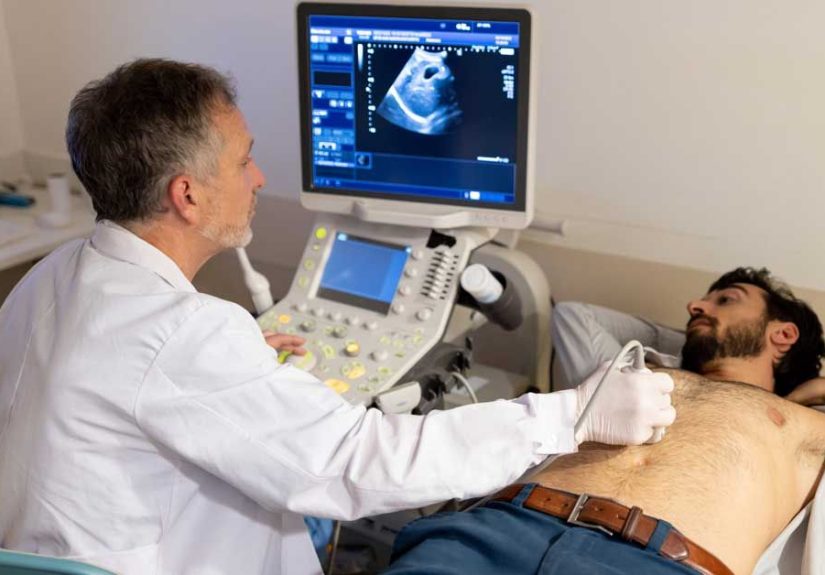
Ultrasound, CT scans, or MRI can detect fat accumulation in the liver.
Liver Elastography
This specialized imaging test measures liver stiffness and helps identify fibrosis.
Liver Biopsy
In certain cases, doctors may take a small tissue sample to determine the severity of inflammation and scarring.
Can Fatty Liver Be Reversed?
The good news is that fatty liver diseaseespecially in early stagesis often reversible. Unlike many chronic conditions, lifestyle changes can significantly reduce liver fat and restore normal function.
Weight Loss
Losing just 5–10% of body weight can dramatically improve liver health.
Healthier Diet
Experts recommend diets rich in whole foods such as:
- Vegetables
- Fruits
- Lean protein
- Whole grains
- Healthy fats like olive oil
Reducing sugar, refined carbs, and ultra-processed foods can help decrease liver fat.
Exercise
Regular physical activity improves insulin sensitivity and helps burn stored fat. Both aerobic exercise and strength training benefit liver health.
Limit Alcohol
Reducing or eliminating alcohol intake allows the liver to repair itself.
Manage Metabolic Conditions
Controlling diabetes, cholesterol, and blood pressure also helps prevent liver damage.
When to See a Doctor
Occasional abdominal discomfort may not be cause for alarm. However, you should seek medical advice if you experience:
- Persistent right-side abdominal pain
- Extreme fatigue
- Yellowing of the skin
- Unexplained weight loss
- Swelling in the abdomen
Early detection allows doctors to monitor liver health and prevent serious complications.
Living with Fatty Liver: Real-Life Experiences
Many people discover fatty liver disease by accident during routine health exams. A common story involves someone visiting their doctor for unrelated symptomsperhaps fatigue or mild abdominal discomfortonly to learn from blood tests or ultrasound scans that fat has accumulated in their liver.
For example, some patients report feeling a vague pressure beneath the right side of their rib cage after large meals. At first, they assume it’s simple indigestion. Over time, however, the discomfort becomes more noticeable. After a medical evaluation, doctors may confirm fatty liver as the underlying cause.
Others notice symptoms connected to lifestyle habits. Individuals with sedentary jobs sometimes experience fatigue and bloating after years of poor dietary patterns. When they begin improving their diet and incorporating regular exercise, they often report surprising improvementsnot only in liver health but also in overall energy levels.
Weight loss stories are particularly encouraging. Some people who lose 15–20 pounds find that follow-up scans show reduced liver fat. In many cases, their abdominal discomfort disappears entirely once the liver shrinks back to a healthier size.
Another common experience involves people with type 2 diabetes. Since fatty liver often accompanies metabolic disorders, improving blood sugar control frequently helps improve liver function as well. Patients who adopt a balanced diet rich in vegetables, lean proteins, and whole grains often report feeling lighter and less bloated after meals.
Interestingly, many individuals say that lifestyle changes bring benefits far beyond the liver. Better sleep, improved mood, and increased stamina are often reported once healthy habits become part of daily routines.
Of course, experiences vary. Some individuals never notice symptoms at all. Their fatty liver condition is discovered purely through imaging tests. This highlights an important reality: fatty liver disease can remain silent for years, which is why regular medical checkups are essential.
For those experiencing abdominal discomfort, the key takeaway is not to panicbut also not to ignore persistent symptoms. A simple ultrasound or blood test can reveal valuable information about liver health.
Ultimately, fatty liver disease is one of the few chronic conditions where lifestyle changes can dramatically improve outcomes. With the right combination of diet, exercise, and medical monitoring, many people successfully reverse liver fat and prevent long-term complications.
Final Thoughts
So, can fatty liver cause stomach pain? In some cases, yesparticularly when the liver becomes enlarged and stretches surrounding tissues. However, many people with fatty liver experience no symptoms at all, which makes regular health screenings especially important.
The encouraging news is that fatty liver disease is often reversible. By improving diet, increasing physical activity, managing metabolic conditions, and reducing alcohol intake, you can significantly reduce liver fat and restore healthier liver function.
If you’re experiencing persistent abdominal discomfort or have risk factors such as obesity, diabetes, or high cholesterol, speaking with a healthcare provider is a wise next step. Early action can protect one of the body’s most hardworking organsyour liver.