Table of Contents >> Show >> Hide
- Why Old Tricycles Make Surprisingly Great Yard Decor
- How I Chose the Right Tricycles to Recycle
- My Step-by-Step Process for Turning Tricycles Into Yard Art
- How I Turned the Tricycles Into Real Planters
- Where I Placed the Tricycle Decor in the Yard
- Seasonal Ideas That Kept the Decor Fresh
- What Went Wrong the First Time
- Why This DIY Project Was Worth It
- Extra 500-Word Experience Notes: What This Project Felt Like in Real Life
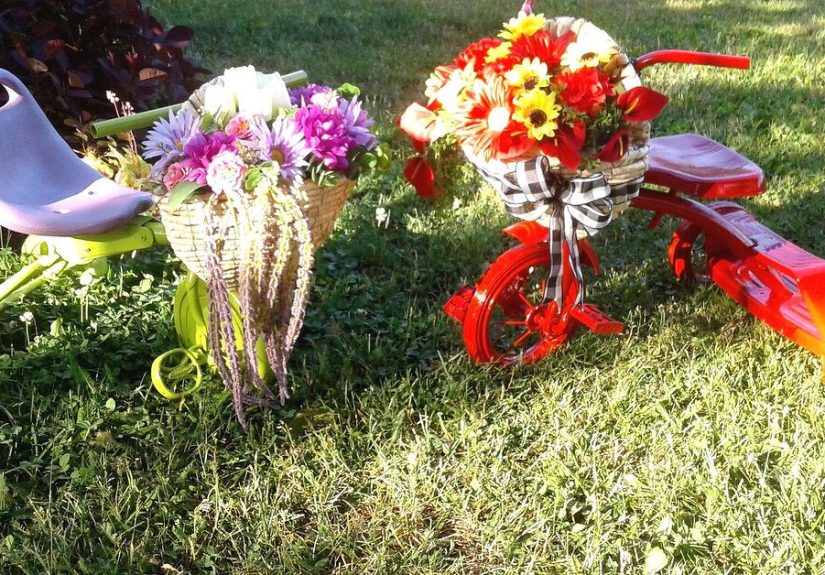
I did not wake up one morning thinking, “You know what my yard needs? A tiny fleet of retired tricycles.” But that is exactly where this story lands. What started as a practical effort to declutter old kids’ toys turned into one of my favorite DIY yard decor projects ever. Instead of sending worn-out tricycles to the curb, I gave them a second life as whimsical garden accents, planter displays, and conversation starters that make guests grin before they even reach the porch.
If you love upcycled garden decor, nostalgic style, and affordable outdoor decorating ideas, this project hits all the sweet spots. It is budget-friendly, surprisingly creative, and much easier than it looks. Better yet, a recycled tricycle yard decor project adds instant charm because it blends vintage character with living plants, color, and personal history. It feels less like decorating and more like giving memories a second season.
In this guide, I am sharing exactly how I turned old tricycles into eye-catching outdoor decor, what worked, what did not, how I made them weather-ready, and the design choices that made the finished pieces look intentional instead of like a garage sale escaped into the petunias.
Why Old Tricycles Make Surprisingly Great Yard Decor
There is something irresistibly cheerful about a tricycle. Maybe it is the rounded handlebars. Maybe it is the unapologetically playful shape. Maybe it is the tiny wheels that seem to say, “I was built for important neighborhood business.” Whatever the reason, tricycles have natural decorative appeal.
When I looked at a rusty little trike that had long outlived its riding years, I realized it already had what good yard decor needs: a memorable silhouette, a strong sense of personality, and enough structure to support baskets, flower pots, signs, ribbons, or seasonal accessories. In other words, it was halfway to becoming DIY yard art before I even touched a paintbrush.
Repurposed tricycles also work beautifully in cottage gardens, farmhouse yards, vintage-inspired landscapes, and porch displays. They pair especially well with climbing vines, trailing flowers, and overflowing container arrangements. If your yard feels a little too polished or a little too serious, one repurposed tricycle planter can loosen everything up in the best possible way.
How I Chose the Right Tricycles to Recycle
I started with two old tricycles: one metal toddler trike with peeling paint and one small steel-frame trike that had definitely seen better decades. Both were too worn to use safely as toys, but still sturdy enough for decor. That was my sweet spot.
What I looked for
I wanted frames that were structurally sound, even if they looked rough around the edges. Surface rust was fine. Faded paint was fine. Missing streamers? Tragic, but survivable. What I avoided were severely bent frames, sharp exposed metal, broken welds, and wheels that could not support weight at all.
If you want to make your own tricycle planter ideas come to life, look for these features:
- A stable frame that can stand level on the ground
- Enough space around the seat or handlebars for baskets or planters
- Metal surfaces that can be cleaned, sanded, primed, and painted
- A shape that still feels charming even before you decorate it
One quick caution: if a tricycle is very old and has flaking original paint, treat it carefully until you know what you are working with. Older painted items may require extra safety precautions before sanding or refinishing.
My Step-by-Step Process for Turning Tricycles Into Yard Art
1. I cleaned everything first
Before I played decorator, I played janitor. I removed cobwebs, caked-on dirt, old stickers, and the mysterious layer of backyard grime that somehow forms on objects nobody has touched in years. A scrub brush, mild soap, water, and patience did most of the work.
This step matters more than people think. Paint does not stick well to dirt, and pretty flowers lose some of their magic when staged on top of what looks like archaeological evidence.
2. I removed rust and loose paint
Once everything dried, I used a wire brush and sandpaper to knock off loose rust and flaking paint. I did not obsess over making the tricycles look factory-new. I just wanted a sound, clean surface. For tight corners, I used a small sanding sponge and an old toothbrush to chase out debris.
That prep work made a huge difference. The final finish looked smoother, held better, and felt more deliberate. Outdoor pieces have to survive sun, rain, and the occasional squirrel auditioning for a stunt job, so this is not the step to skip.
3. I primed the metal
Because both tricycles were metal, I used a primer made for outdoor metal surfaces. On the rustiest areas, I paid extra attention to coverage. Primer is not glamorous, but it is the reason your cute yard project does not turn crusty and sad two weeks later.
4. I painted for personality
This was the fun part. One tricycle got a soft robin’s-egg blue finish for a cottage-garden look. The other got a creamy white coat that made the flowers pop. If you prefer bolder decor, cherry red, sunshine yellow, sage green, and matte black all work beautifully for vintage tricycle garden decor.
I used thin, even coats and let each layer dry properly. It took restraint. I wanted the dramatic before-and-after moment immediately, but patience is cheaper than repainting.
5. I added baskets and planter supports
My tricycles did not come with perfect built-in planter baskets, so I improvised. I attached one metal basket to the front handlebars and one shallow coco-lined basket near the rear frame. On another trike, I secured a round planter where the seat had been. Zip ties, metal clamps, and weather-resistant fasteners were unexpectedly useful here.
The goal was to make the planters look like they belonged there. I tested each attachment before adding soil, because wet potting mix is significantly heavier than optimism.
How I Turned the Tricycles Into Real Planters
This is where decor meets gardening. If you want your tricycle display to look good for more than a weekend, the planting setup matters.
Drainage is everything
I learned quickly that cute containers still need practical drainage. If you are planting directly into a basket or decorative pot attached to the tricycle, make sure excess water can escape. Otherwise, roots stay soggy, plants sulk, and your beautiful display becomes a very artistic puddle.
I used lightweight nursery pots with drainage holes tucked inside decorative liners and baskets. That made watering easier, helped prevent rot, and let me swap plants seasonally without dismantling the entire arrangement. It also saved me from drilling holes into every decorative piece I liked.
I chose lightweight potting mix
I filled my containers with quality potting mix instead of scooping dirt from the yard. Garden soil is usually too dense for small containers and can compact badly. Potting mix is lighter, drains better, and helps container roots breathe.
I designed the plants with shape in mind
For the front basket, I followed a simple formula: something tall, something mounded, and something trailing. That gave the arrangement height, fullness, and movement. Gardeners often call this the “thriller, filler, spiller” approach, and it works because it keeps containers from looking flat or accidental.
One of my favorite combinations included:
- Thriller: purple fountain grass or coleus for height
- Filler: petunias, calibrachoa, or geraniums for color
- Spiller: sweet potato vine, ivy, or bacopa spilling over the edge
For sunnier spots, I leaned into bright annuals. For partial shade, I used trailing ivy, begonias, and foliage plants with texture. Succulents also looked fantastic in one lower-maintenance version, especially when I wanted a more sculptural, less flower-heavy display.
Where I Placed the Tricycle Decor in the Yard
Placement changed everything. The tricycles looked cute in the garage. They looked magical in the right outdoor setting.
Best spots I found
The most successful placement was near the garden path where the tricycle could be seen from the front walk. It created a focal point without blocking anything. Another worked well near the porch steps, tucked beside a bench and layered with real pots around the wheels.
Here is what helped most:
- Placing the tricycle where its silhouette was visible from a distance
- Grouping it with other planters so it felt integrated into the landscape
- Using mulch, gravel, or brick underneath to keep it from sinking into wet ground
- Matching the flower colors to nearby beds or porch decor
I also discovered that a tricycle does not need to be centered to make a statement. Off to one side of an entry or nestled near a fence can feel more natural and storybook-like.
Seasonal Ideas That Kept the Decor Fresh
One reason I fell in love with this project is that the same tricycle can look completely different throughout the year.
Spring
I filled the baskets with pansies, alyssum, and trailing ivy. Soft pastel blooms made the tricycle look like it had rolled out of a picture book.
Summer
This was peak performance season. Petunias, lantana, million bells, and sweet potato vine turned the trike into a colorful explosion. Summer is when outdoor upcycling ideas really earn their keep.
Fall
I swapped flowers for mums, ornamental kale, mini pumpkins, and a plaid ribbon tied around the handlebars. Suddenly the tricycle looked like it moonlighted as a pumpkin-patch stylist.
Winter
Even without live flowers, the tricycle still worked. I added evergreen cuttings, pinecones, faux berries, and a weatherproof bow. If you prefer natural winter decor, small evergreen plants in containers also look beautiful.
What Went Wrong the First Time
Because no DIY project is complete without at least one humbling moment, here are my mistakes:
I overloaded one basket
I got carried away and used a pot that was too heavy for the front of one tricycle. The balance looked off, and the handlebars sagged slightly. Lesson learned: lightweight containers and smaller plantings work better than one giant soil-filled beast.
I ignored sun exposure
In one setup, I planted shade-friendly flowers in a hot, bright location. They responded by looking deeply offended. Matching plants to the site matters just as much as matching paint colors to your porch cushions.
I rushed the paint drying time
On one frame, I touched the surface too soon and left fingerprints in the finish. Apparently, I wanted my yard decor to double as a crime scene. I repainted and moved on wiser.
Why This DIY Project Was Worth It
Of all the projects I have tried, this one gave me one of the best charm-to-cost ratios. The materials were mostly recycled. The labor was manageable. The result felt deeply personal. And unlike trendier outdoor decor that can look generic, a recycled tricycle yard decor piece has instant character because it tells a story before anyone even asks about it.
It also reminded me that good design does not always come from buying something new. Sometimes it comes from seeing an old object differently. A worn tricycle is not just a discarded toy. It can be a planter stand, a seasonal display, a front-yard focal point, or a playful nod to family history.
If you have an old trike collecting dust, this is your sign. Clean it up, paint it well, add a basket, choose plants with intention, and let it become the most charming little overachiever in your yard.
Extra 500-Word Experience Notes: What This Project Felt Like in Real Life
The part I did not expect was how emotional this project would feel. I originally started because I hate throwing away things that still have personality, and old tricycles have more personality than most people at the DMV. They carry visible history. You can almost picture the wobbly first rides, the driveway loops, the dramatic toddler traffic jams, and the tiny owner who believed this was serious transportation. Turning those tricycles into yard decor felt practical on the surface, but underneath it had a lot to do with memory.
When I brought the first tricycle into the driveway to clean it up, I almost talked myself out of the whole thing. It looked rough. The paint was chipped, the frame was dull, and it definitely had that “please lower your expectations” energy. But after the wash and the first round of sanding, I could see the shape again. That was the moment the project clicked. I stopped seeing an old toy and started seeing a design piece.
Painting it was oddly satisfying. There is something delightful about watching a neglected object become cheerful again. The tricycle went from tired to storybook in a single afternoon, and every coat of paint made me more invested. By the time I attached the first basket, I was already mentally placing it in three different parts of the yard like it was a celebrity on a home tour.
The flowers changed everything. An empty painted tricycle looked cute, but once the container started spilling with color and texture, it became the kind of decor people notice immediately. Neighbors commented on it. Visitors asked where I bought it. I got to say, with unreasonable pride, “I made it from an old tricycle,” which is exactly the kind of sentence that makes DIY people stand up straighter.
I also loved how flexible the project turned out to be. I could keep it sweet and simple with ivy and white flowers, or go full cottage-garden drama with pink petunias and trailing vines. In fall, it handled pumpkins and mums like a champ. In winter, a little greenery and ribbon made it look festive without trying too hard. It became less of a one-time craft and more of a reusable decorating tool.
Another unexpected benefit was how much it softened the yard. Some outdoor spaces can feel a little stiff, especially if everything is new, matching, or too polished. The tricycle added a sense of humor. It made the yard feel lived-in, friendly, and slightly whimsical. Not clownish. Not theme-park weird. Just warm. Like the yard had a story to tell and was willing to tell it with flowers.
If I made another one, I would still follow the same basic formula: clean thoroughly, prep properly, use good paint, keep planters light, and design with plant shape in mind. But I would also remember something less technical. Charm is often hiding inside objects we have already dismissed. Sometimes the best yard decor is not something you buy in a store. Sometimes it is something small, rusty, and overlooked that simply needed a second chance and a basket of trailing blooms.