Table of Contents >> Show >> Hide
- What Does “Blanching” Mean (And Why Should You Care)?
- Which “Beans” Are We Blanching Here?
- What You’ll Need
- How to Blanch Beans: 12 Steps
- Step 1: Pick beans that look alive and proud
- Step 2: Wash the beans
- Step 3: Trim the ends (and de-string if needed)
- Step 4: Set up an ice bath before you do anything else
- Step 5: Bring a pot of water to a rolling boil
- Step 6: Salt the water (optional, but recommended)
- Step 7: Add beans in batches (don’t bully the pot)
- Step 8: Start timing when the water returns to a boil
- Step 9: Boil briefly until bright and crisp-tender
- Step 10: Transfer immediately to the ice bath
- Step 11: Chill until fully cool, then drain
- Step 12: Dry (especially if freezing), then use or store
- Blanching Time Guide for Beans
- Boiling vs. Steaming vs. “Can I Microwave This?”
- How to Freeze Blanched Beans (Without Regret)
- Easy Ways to Use Blanched Beans
- Troubleshooting: Common Blanching Mistakes (And Fixes)
- Conclusion: Crisp Beans, Brighter Meals, Less Kitchen Drama
- Extra: of Real-Life Blanching Experience (a.k.a. Lessons From the Bean Trenches)
Blanching beans is one of those kitchen “tiny effort, huge payoff” moves. It takes a few minutes,
requires exactly zero culinary degrees, and makes your beans brighter, crisper, and generally more
impressivelike they just came back from a spa weekend with cucumber water and positive affirmations.
Whether you’re blanching green beans for a salad, prepping a big batch for the freezer, or trying to
keep wax beans from turning the sad shade of “overcooked regret,” this guide breaks it all down into
12 clear steps, plus practical timing tips, common mistakes, and real-life ways to use blanched beans.
What Does “Blanching” Mean (And Why Should You Care)?
Blanching is a quick, two-part technique: you briefly boil (or steam) the beans, then immediately chill
them in an ice bath to stop the cooking. The result is beans that stay crisp-tender, vivid in color, and
easier to store or finish later without turning mushy.
It’s especially useful if you’re freezing beans. Freezing slows quality loss, but it doesn’t fully stop the
natural enzymes that can dull flavor, color, and texture over time. Blanching helps keep frozen beans tasting
fresh instead of “freezer archaeology.”
Which “Beans” Are We Blanching Here?
Most people mean snap beans (a.k.a. green beans, string beans, wax beans, haricots verts).
These are the classic blanching candidates, and the timing is quick.
You can also blanch other bean-adjacent thingslike shelled fava beans (to slip off skins) or edamame
but this article focuses mainly on snap-style beans since they’re the most common “How do I blanch beans?” question.
What You’ll Need
- Fresh beans (green beans, wax beans, haricots verts, etc.)
- Large pot (bigger is easier, but not mandatory)
- Water (enough to boil vigorously)
- Salt (optional, but great for flavor)
- Big bowl of ice water (the “shock” step)
- Colander or a spider strainer/tongs
- Clean towel or paper towels (especially important if freezing)
- Timer (your phone counts)
How to Blanch Beans: 12 Steps
Step 1: Pick beans that look alive and proud
Choose beans that are firm, bright, and free of limp spots. If they bend like a yoga instructor and feel rubbery,
they’ll still blanch, but they won’t magically become peak crunch. Freshness matters.
Step 2: Wash the beans
Rinse under cool water and drain. You’re not just removing dirtyou’re removing the weird little “farm souvenirs” that
cling to produce.
Step 3: Trim the ends (and de-string if needed)
Snap or cut off the stem end. Many modern varieties aren’t stringy, but if you notice a fibrous string along the seam,
peel it off. If your beans are super long, cut them into bite-size pieces for easier cooking and serving.
Step 4: Set up an ice bath before you do anything else
Fill a large bowl with cold water and plenty of ice. This isn’t optional flairthis is what stops cooking fast,
locking in that bright green color and crisp texture.
Step 5: Bring a pot of water to a rolling boil
You want active, energetic boilingnot “a few shy bubbles.” A hard boil helps the beans cook quickly and evenly,
which matters when your timing window is measured in minutes, not episodes of a TV show.
Step 6: Salt the water (optional, but recommended)
Salting boosts flavor. If you plan to eat the beans soon (salads, sides, crudité), salt helps the beans taste like
themselvesjust louder and better. If you’re blanching strictly for freezing, salt is still fine, but optional.
Step 7: Add beans in batches (don’t bully the pot)
If you dump in a mountain of beans, the water temperature drops and your timing goes out the window.
Add beans in manageable batches so the water returns to a boil quickly.
Step 8: Start timing when the water returns to a boil
This is the sneaky detail many people miss. Don’t start the timer the second beans hit the waterstart it when the
water comes back to a boil (or is at least strongly simmering again). That keeps your blanching time consistent.
Step 9: Boil briefly until bright and crisp-tender
Typical blanching time for snap/green/wax beans is about 2–3 minutes, depending on thickness and
what you’ll do next. You’re aiming for “still crisp, but not raw.”
Step 10: Transfer immediately to the ice bath
Use tongs or a spider strainer and move beans straight from boiling water to ice water. The faster you chill them,
the better they’ll stay crisp and green. Think of it as rescuing them from overcooking.
Step 11: Chill until fully cool, then drain
Let beans sit in the ice bath a few minuteslong enough to cool all the way through. Then drain well in a colander.
If you’re serving them right away, a quick shake and drain is usually enough.
Step 12: Dry (especially if freezing), then use or store
If you’re freezing, dry the beans thoroughly. Water clinging to beans becomes ice crystals, which can hurt texture and
encourage freezer burn. If you’re eating soon, patting dry helps sauces cling and keeps salads from getting watery.
Blanching Time Guide for Beans
Timing depends on thickness and your end goal. Use this as a practical starting point:
| Bean Type / Use | Boil Time | Best For |
|---|---|---|
| Haricots verts (thin French green beans) | 1–2 minutes | Salads, elegant sides, quick sautés |
| Standard green beans / wax beans (medium) | 2–3 minutes | Freezing, meal prep, casseroles, crudité |
| Thicker, very mature beans | 3–4 minutes | Freezing or finishing in a skillet |
Pro tip: If you’ll sauté or roast after blanching, slightly under-blanch (closer to 2 minutes) so you
don’t accidentally double-cook them into softness.
Boiling vs. Steaming vs. “Can I Microwave This?”
Boiling water blanching
This is the most common and generally the simplest: it’s fast, consistent, and ideal for freezing and meal prep.
Steam blanching
Steaming can work, but it usually takes longer than boiling. It’s useful if you want to reduce water use or keep
nutrients in the vegetable (though blanching is short either way).
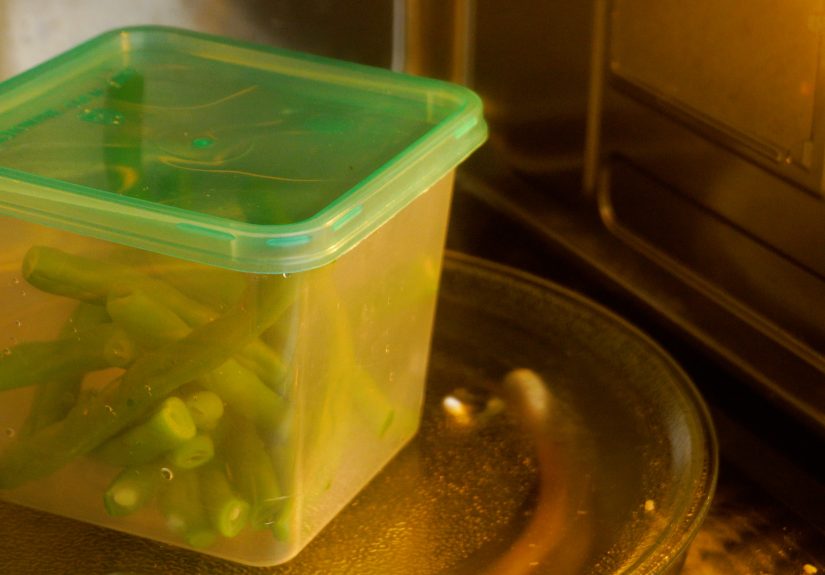
Microwave blanching
For preservation, microwaving is widely considered unreliable because it can heat unevenly. If you’re doing quick-cook
weeknight prep, microwave methods existbut for the classic blanch-and-shock technique (especially for freezing),
boiling water is the dependable choice.
How to Freeze Blanched Beans (Without Regret)
Blanching beans for freezing is basically future-you meal prep. Here’s how to do it well:
- Blanch and shock using the 12 steps above.
- Dry thoroughly (towels are your friend).
-
Flash-freeze by spreading beans in a single layer on a baking sheet for 1–2 hours until firm.
This prevents one giant frozen bean brick. - Pack airtight in freezer bags or containers. Press out excess air (air is the enemy of texture).
- Label with the date. Frozen beans are best used within a few months for peak quality.
When you’re ready to cook: toss frozen beans straight into boiling water for a short reheat, add them to stir-fries,
or sauté them in butter/olive oil. Thawing isn’t always necessaryand often makes them softer.
Easy Ways to Use Blanched Beans
1) Crunchy green bean salad
Toss blanched, dried beans with olive oil, lemon juice, Dijon mustard, salt, pepper, and something punchy like minced
shallot or crumbled feta. Add toasted almonds if you want to feel fancy on a Tuesday.
2) Quick skillet finish (restaurant-style)
Warm a skillet with butter or olive oil, add garlic, then toss in blanched beans for 2–3 minutes. Finish with lemon
zest and flaky salt. Congratulationsyou just outperformed many side dishes.
3) Meal prep that doesn’t get sad by day two
Blanching keeps beans snappy in lunch boxes. Pair with chicken, salmon, tofu, or pasta. Add a sauce at the last minute
so they stay crisp.
4) Green bean casserole that tastes less… beige
Blanching is a smart move before baking casseroles. You get a better texture than raw beans, and you avoid overcooking
them into mush while the casserole finishes.
Troubleshooting: Common Blanching Mistakes (And Fixes)
“My beans turned olive-drab.”
Usually: overcooked, not shocked fast enough, or left sitting in hot water after draining. Fix: shorten boil time,
use more ice, and transfer immediately.
“They’re limp.”
Usually: boiled too long or cooled too slowly. Fix: shave 30–60 seconds off your blanching time and make sure the ice bath
is actually icy (not “chilled water with one heroic cube”).
“They taste bland.”
If you’re eating them right away, salt the blanching water and season after drying. If freezing, season when cooking later.
Also: a squeeze of lemon does miracles.
“They’re watery in salads.”
Dry them more. Blanching adds water to the surface. Pat them dry so dressing sticks instead of sliding off into a puddle.
Conclusion: Crisp Beans, Brighter Meals, Less Kitchen Drama
Once you learn how to blanch beans, you unlock a simple technique that makes weeknight dinners better and freezer
meals way less depressing. The secret is not mystical: boil briefly, shock fast, and stop before “crisp-tender”
becomes “mystery softness.” Do it once or twice, and you’ll be the person casually saying, “Oh, I just blanched them,”
like you own a tiny bistro.
Extra: of Real-Life Blanching Experience (a.k.a. Lessons From the Bean Trenches)
The first time I blanched green beans on purpose (not accidentally by forgetting them in boiling water), I treated the
ice bath like an optional accessory. You knowlike a parsley garnish or a second sock when you’re already late. I had
cold water, sure. Ice? Not really. Maybe three cubes that looked like they’d survived a long journey through a warm
freezer door. The beans came out fine-ish, but by the time I finished draining the last batch, the first batch had
turned slightly dull and softer than I wanted. That’s when I learned the most important rule of blanching:
the ice bath is not negotiable.
Here’s what actually changed my results: I started prepping the ice bath like I meant it. Big bowl. Lots of ice.
Enough water that the beans could swim, not just sit there in a cold puddle. And I stopped trying to multitask during
the transfer. Blanching is a short process, so it rewards focus. When beans are ready, they need to get out of hot water
and into cold water immediatelyno checking texts, no “just one more batch,” no existential staring into the pantry.
Another hard-won lesson: batch size matters, but not in a dramatic, precious way. You don’t need a stockpot
the size of a toddler bathtub, but you do need the water to bounce back to boiling quickly. When I overcrowded the pot,
my “2-minute blanch” became a sluggish simmer situation, and the beans cooked unevenlysome crisp, some soft, some weirdly
in-between like they couldn’t commit to a texture. Now I blanch in batches that let the water recover fast, and I keep a
second bowl nearby for drained beans so they aren’t piling up in the colander steaming themselves.
If you’re freezing: drying is the difference between “ready-to-cook” and “ice sculpture”. I used to drain
and bag beans immediately. They froze into a clumpy mass, and the surface ice crystals didn’t do the texture any favors.
These days, I pat them dry, then flash-freeze them in a single layer on a baking sheet. It feels fussy the first time,
but the payoff is huge: you can grab exactly what you need, and the beans cook more evenly.
My favorite use for blanched beans isn’t even freezingit’s speed. Blanch once, then you can finish beans in minutes:
toss them in a hot skillet with garlic and butter, or rewarm them in a quick stir-fry, or throw them into pasta at the
last second. The blanching gives you a head start, and the beans keep that bright snap that makes a side dish feel
intentional. It’s also a quiet confidence boost: you bring a green bean salad to a potluck, and suddenly people assume you
know what you’re doing. (Don’t correct them. Let the myth live.)
Bottom line: blanching beans is a tiny routine that improves your food immediately and makes future meals easier.
Once you get the rhythmboil, time, shock, drain, dryit becomes automatic. And your beans? They’ll look greener,
taste fresher, and hold their crunch like they’re proud of themselves.