Table of Contents >> Show >> Hide
- Why Cleaning Your Air Fryer Matters
- How Often Should You Clean an Air Fryer?
- What You Need to Clean an Air Fryer
- How to Clean an Air Fryer Basket Step by Step
- Can You Put Air Fryer Parts in the Dishwasher?
- How to Clean the Inside of an Air Fryer
- How to Clean the Heating Element
- How to Deep Clean an Air Fryer
- How to Remove Bad Smells from an Air Fryer
- What Not to Do When Cleaning an Air Fryer
- How to Keep an Air Fryer Cleaner While Cooking
- Expert Tips for Basket-Style Air Fryers
- Expert Tips for Oven-Style Air Fryers
- Air Fryer Cleaning Troubleshooting
- A Practical Air Fryer Cleaning Routine
- Real-Life Experience: What Actually Works When Cleaning an Air Fryer
- Conclusion
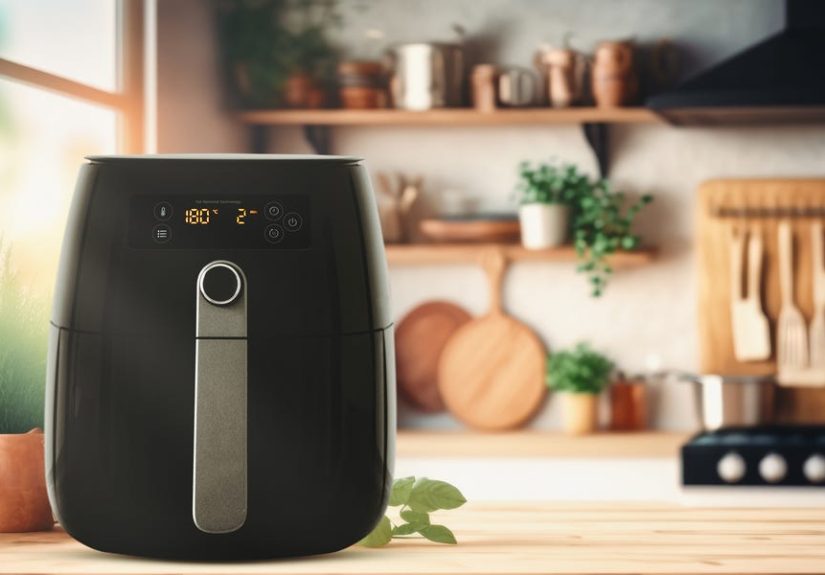
Your air fryer may be the hardest-working appliance in your kitchen. It rescues frozen fries, revives leftovers, crisps chicken wings, and somehow makes vegetables more exciting than they have any right to be. But here is the slightly less glamorous truth: if you do not clean it properly, your crispy little countertop hero can turn into a smoky, greasy, odor-trapping box of regret.
The good news? Learning how to clean an air fryer is not complicated. You do not need a chemistry degree, a hazmat suit, or a dramatic “before and after” TikTok hack involving questionable amounts of soap. Most experts agree that the best air fryer cleaning routine is simple: unplug it, let it cool, wash the removable parts with warm, soapy water, wipe the inside, dry everything well, and keep harsh scrubbers far away from the nonstick coating.
This guide breaks down the best way to clean an air fryer, including daily cleaning, deep cleaning, how to remove stuck-on grease, what not to do, and the expert habits that keep your appliance working better for longer. Whether you own a basket-style air fryer, a dual-zone model, or an oven-style air fryer, the goal is the same: remove grease, crumbs, odors, and residue without damaging the machine.
Why Cleaning Your Air Fryer Matters
An air fryer works by circulating hot air rapidly around food. That powerful airflow is exactly what makes potatoes crisp and chicken skin golden. But it also means crumbs, droplets of oil, sauce splatter, and tiny bits of seasoning can travel around the basket, drawer, tray, fan area, and heating element.
If those leftovers stay there, they do not politely disappear. They burn. They smoke. They smell. They can also affect the flavor of your food. Nobody wants salmon that tastes faintly like last Tuesday’s garlic fries, unless that was somehow the plan.
Regular cleaning helps prevent smoke, lingering odors, sticky buildup, and damage to the nonstick surface. It also supports basic kitchen hygiene. Food safety experts consistently recommend keeping hands, utensils, and food-prep surfaces clean to reduce the spread of germs in the kitchen. Since your air fryer touches cooked food, raw proteins, marinades, crumbs, and oil, it deserves a spot in your normal cleanup routine.
How Often Should You Clean an Air Fryer?
The short answer: clean the basket, tray, or drawer after every use. That does not mean you need to perform a full spa treatment on the appliance every night. But the food-contact parts should be washed whenever you cook in them, especially after greasy foods, sticky marinades, breaded items, or anything that leaves crumbs behind.
After Every Use
Wash the basket, crisper plate, pan, drawer, racks, or trays that touched food. Wipe out visible crumbs and oil. Dry everything before reassembling the appliance.
Once a Week for Frequent Users
If you use your air fryer several times a week, check the interior walls, fan area, and heating element. Look for grease film, splatter, or burnt specks. A damp cloth, soft sponge, or soft-bristle brush usually does the job.
Once a Month or As Needed
Deep clean the appliance when you notice smoke, stubborn smells, sticky residue, or baked-on grease. If your air fryer smells like burnt food before you even add dinner, that is your appliance waving a tiny greasy flag.
What You Need to Clean an Air Fryer
You only need a few basic supplies. In fact, the simpler the kit, the safer it usually is for the appliance.
- Mild dish soap
- Warm water
- Soft sponge or non-abrasive cloth
- Microfiber towel
- Soft-bristle brush or old clean toothbrush
- Baking soda for stubborn grease
- White vinegar for odor and light grease film, if allowed by your manual
- Paper towel or scraper made for nonstick cookware
Avoid steel wool, metal utensils, sharp scrapers, harsh oven cleaners, bleach, and abrasive powders. These may scratch the basket, damage the nonstick coating, or leave residues you do not want near food.
How to Clean an Air Fryer Basket Step by Step
1. Unplug the Air Fryer and Let It Cool
Safety first. Always unplug the air fryer before cleaning it. Let it cool until it is warm or room temperature, not hot. Cleaning a hot basket can cause burns, and sudden temperature changes may not be kind to some materials.
2. Remove the Basket, Drawer, Tray, or Crisper Plate
Take out every removable piece that touched food. In basket-style models, this usually means the drawer, basket, and crisper plate. In oven-style models, remove racks, mesh trays, drip trays, and crumb trays.
3. Dump Crumbs and Excess Oil Properly
Shake crumbs into the trash. If there is pooled oil or grease, do not pour it down the sink. Grease can cool, harden, and clog plumbing. Instead, pour it into a disposable container, let it solidify, and throw it away.
4. Wash with Warm, Soapy Water
Use warm water, mild dish soap, and a soft sponge. Wash the basket and tray thoroughly, paying attention to corners, holes, ridges, and the underside of the crisper plate. These little hiding spots are where crumbs go to retire.
5. Soak Stuck-On Food
If food is stuck, fill the sink or basket with warm, soapy water and let the parts soak for 10 to 20 minutes. Soaking is better than aggressive scrubbing because it loosens residue without damaging the coating.
6. Rinse and Dry Completely
Rinse away all soap, then dry every part with a soft towel. Letting parts air dry is fine, but make sure there is no moisture trapped in corners before placing them back into the unit.
Can You Put Air Fryer Parts in the Dishwasher?
Many air fryer baskets, drawers, trays, and crisper plates are labeled dishwasher safe, but that does not mean the dishwasher is always the gentlest option. Hot water, strong detergent, and high heat can wear down nonstick coatings over time. If your manual says the parts are dishwasher safe and you want to use the dishwasher, place them on the top rack when possible.
Hand washing is often the safer long-term habit, especially for nonstick baskets. It takes only a few minutes when you clean the appliance soon after cooking. The longer grease sits, the more it starts acting like it has signed a lease.
How to Clean the Inside of an Air Fryer
The inside of the air fryer does not usually need a heavy scrub, but it should be wiped regularly. Once the appliance is unplugged and cool, remove the basket or trays. Use a damp cloth or soft sponge to wipe the interior walls and bottom area.
Be careful around electrical components. Do not pour water into the main unit. Do not immerse the air fryer body in water. Do not spray cleaner directly into vents, controls, or openings. A cloth lightly dampened with warm water is usually enough.
If the inside feels greasy, add a drop of dish soap to the cloth, wipe the surface, then follow with a clean damp cloth to remove soap residue. Dry with a microfiber towel before reassembling.
How to Clean the Heating Element
The heating element is one of the most overlooked parts of an air fryer. It is also one of the most important. Grease and food splatter near the heating element can cause smoke, burnt smells, and uneven performance.
After unplugging and cooling the appliance, remove the basket or trays. Some manufacturers recommend carefully turning the air fryer upside down on a soft towel to access the heating element more easily. Only do this if your model’s manual allows it and the appliance is fully cool.
Use a soft sponge, damp cloth, or soft-to-medium bristle brush to remove residue. Never use a steel brush, hard-bristle brush, or sharp tool. If crumbs are stuck, brush gently until they loosen. Wipe the area with a damp cloth, then dry it as much as possible.
For oven-style air fryers, check the top interior near the heating elements and the back area where the fan circulates air. Splatter often lands there, especially when cooking bacon, sausages, wings, or saucy foods.
How to Deep Clean an Air Fryer
A deep clean is useful when the appliance smells bad, smokes, has sticky grease, or has not been cleaned in a while. Here is the expert-friendly method.
Step 1: Disassemble the Removable Parts
Remove the basket, drawer, racks, drip tray, crisper plate, and any accessories. Wash each piece separately so you can reach every surface.
Step 2: Soak Greasy Parts
Soak removable parts in warm water with dish soap for 15 to 30 minutes. For heavy grease, sprinkle a little baking soda on the greasy area, add a small amount of water to make a paste, and let it sit before scrubbing gently.
Step 3: Scrub Gently
Use a soft sponge or brush. For mesh trays and perforated crisper plates, a soft-bristle brush can help remove residue from tiny holes. Patience is better than force.
Step 4: Wipe the Interior
Use a damp cloth with a tiny amount of soap if needed. Wipe again with a clean damp cloth to remove soap. Dry the interior carefully.
Step 5: Clean the Exterior
Wipe the outside with a damp microfiber cloth. Pay attention to handles, buttons, knobs, and the control panel. Do not let moisture seep into the controls.
Step 6: Reassemble Only When Dry
Make sure every part is fully dry before putting the air fryer back together. Moisture trapped in the unit can lead to odors and may affect performance.
How to Remove Bad Smells from an Air Fryer
Air fryers can hold onto smells from fish, garlic, onions, spicy marinades, and burnt crumbs. To remove odors, start with a complete wash of the basket, tray, and drawer. Then wipe the interior and heating area.
For stubborn smells, make a gentle cleaning solution with warm water and a small splash of white vinegar. Dampen a cloth with the mixture and wipe the basket or interior surfaces, then wipe again with plain water and dry. Always check your manual first because some manufacturers have specific care instructions.
If the smell is from burnt food, look near the heating element and fan area. A clean basket will not solve the problem if a crumb is still clinging above it like a tiny charcoal souvenir.
What Not to Do When Cleaning an Air Fryer
Some cleaning trends look clever online but are risky in real life. Avoid these common mistakes:
- Do not submerge the main unit in water.
- Do not fill the basket with soapy water, place it back in the appliance, and turn it on.
- Do not use steel wool or metal scrapers on nonstick parts.
- Do not spray cleaner directly into vents or controls.
- Do not use harsh oven cleaner inside a countertop air fryer.
- Do not pour hot grease down the sink.
- Do not reassemble the appliance while parts are still wet.
The viral “self-cleaning air fryer” trick may sound convenient, but it can push water and soap toward electrical parts, damage the appliance, and leave behind a soapy smell. A sponge is less exciting, yes, but it is also less likely to turn dinner into an electrical safety lesson.
How to Keep an Air Fryer Cleaner While Cooking
The easiest air fryer to clean is the one you did not let become a disaster in the first place. A few cooking habits can make cleanup much easier.
Do Not Overcrowd the Basket
Overcrowding blocks airflow and can cause food to cook unevenly. It also increases the chance of splatter, crumbs, and sauce buildup. Cook in batches when needed.
Use Only a Small Amount of Oil
Air fryers need far less oil than deep fryers. Too much oil drips, smokes, and creates sticky residue. Toss food lightly in oil instead of pouring oil into the basket.
Use Perforated Parchment Paper Carefully
Perforated parchment liners can reduce sticking and catch crumbs, but they must be used correctly. Always weigh parchment down with food so it does not fly into the heating element. Do not block airflow completely, and never preheat an empty air fryer with loose parchment inside.
Choose the Right Foods and Coatings
Wet batters can drip and burn. Sugary sauces can caramelize fast and stick. Very fatty foods can splatter. You can still cook many of these foods, but check the basket early, use a drip tray when appropriate, and clean soon after cooking.
Expert Tips for Basket-Style Air Fryers
Basket-style air fryers are popular because they are compact and fast. Their biggest cleaning challenge is the drawer-and-crisper-plate setup. Grease collects under the plate, while crumbs hide around the edges.
After each use, lift out the crisper plate and wash underneath it. Check the rubber feet or silicone bumpers if your plate has them. Food particles sometimes cling around those small parts. Use a toothbrush or soft brush to clean around corners and raised grooves.
If your basket has a nonstick coating, baby it. Use silicone, wood, or plastic utensils when removing food. Scratches make food stick more, and when food sticks more, cleaning becomes more annoying. It is the circle of kitchen inconvenience.
Expert Tips for Oven-Style Air Fryers
Oven-style air fryers often have multiple racks, mesh trays, crumb trays, and glass doors. They offer more cooking space, but they also provide more places for grease to land.
Remove and wash trays after use. Wipe the door, interior walls, and bottom crumb tray regularly. If the door has grease spots, clean it with a damp cloth and mild soap, then wipe again with plain water. For mesh baskets, soak first, then use a soft brush to loosen bits from the grid.
Place a drip tray or sheet pan under foods that release grease, as long as your manual allows it and airflow is not blocked. This simple habit can prevent baked-on messes at the bottom of the appliance.
Air Fryer Cleaning Troubleshooting
Why Is My Air Fryer Smoking?
Smoke usually means grease or food residue is burning. Stop cooking, let the appliance cool, then check the basket, drawer, drip tray, and heating element. Fatty foods can also release oil that hits hot surfaces.
Why Does My Air Fryer Smell Like Plastic?
Some new air fryers have a temporary manufacturing smell. Wash removable parts before first use, wipe the interior, and run the empty appliance according to the manufacturer’s instructions. If the smell continues or seems unusual, contact the manufacturer.
Why Is Food Sticking to the Basket?
The basket may have residue, scratches, or not enough oil on the food. Clean the basket well, avoid metal tools, and lightly coat food instead of spraying the basket heavily with aerosol cooking spray, which can create buildup on some nonstick surfaces.
Why Does My Air Fryer Still Smell After Washing?
Check hidden areas: under the crisper plate, around the drawer corners, inside mesh holes, and near the heating element. Odors often come from residue you cannot see at first glance.
A Practical Air Fryer Cleaning Routine
Here is a simple routine that works for most households:
- After cooking, unplug the air fryer and let it cool.
- Remove food and crumbs.
- Pour grease into a disposable container, not the drain.
- Wash removable parts with warm, soapy water.
- Wipe the interior with a damp cloth.
- Check the heating element weekly if you cook often.
- Dry everything fully before reassembling.
If you follow this routine, deep cleaning becomes rare instead of terrifying. Your air fryer stays fresher, food tastes better, and your kitchen does not smell like a haunted mozzarella stick.
Real-Life Experience: What Actually Works When Cleaning an Air Fryer
After using air fryers for quick dinners, reheated pizza, frozen snacks, roasted vegetables, chicken tenders, salmon, and the occasional “I deserve fries at 10 p.m.” moment, one lesson becomes obvious: cleaning is easiest when you do it before the mess hardens. Waiting until the next morning turns light grease into sticky varnish. Waiting three days turns it into a personal challenge.
The best habit is to clean the basket while it is still slightly warm, not hot. Warm grease loosens faster. Once the food is served, unplug the appliance, let it cool a little, then remove the basket and crisper plate. A quick rinse, a few drops of dish soap, and a soft sponge usually handle the mess in less than five minutes. When the basket sits overnight, the same job can take twice as long and involve more dramatic sighing.
Another helpful experience: the crisper plate is the sneaky part. The top may look clean, but the underside often holds oil and crumbs. If your air fryer keeps smoking even though you “cleaned the basket,” check under that plate. Grease can collect there and burn during the next cycle. A soft brush works well around the little raised feet and corners.
For oven-style air fryers, mesh trays are the main troublemakers. They are wonderful for airflow but annoying when melted cheese, sticky glaze, or breading gets trapped in the grid. Soaking is your best friend. Put the tray in warm, soapy water and walk away for 15 minutes. When you come back, most of the residue gives up peacefully. Scrubbing immediately usually just smears grease around and tests your patience.
Baking soda is useful, but it should not be treated like magic dust. It works best as a gentle paste for stubborn spots: mix baking soda with a little water, spread it on the greasy area, let it sit, then scrub lightly with a non-abrasive sponge. Do not attack the basket like you are sanding furniture. Nonstick coatings are helpful, but they are not invincible.
One mistake many people make is using too much oil while cooking. Air fryers are designed for hot air circulation, not a swimming pool of oil. A light coating on the food is usually enough. When oil pools in the bottom, it creates smoke, residue, and more cleanup. If you are cooking fatty foods, pause once or twice to check the drawer. Empty excess grease safely if needed.
Parchment liners can help, especially with sticky foods, but they are not a free pass to skip cleaning. Crumbs and grease still find their way around the liner. Also, loose parchment can lift toward the heating element, so it should always be weighed down with food. Perforated liners are better because they allow airflow, which is the whole point of air frying.
The biggest experience-based tip is simple: keep a dedicated soft toothbrush or small dish brush near the sink. It makes cleaning basket corners, mesh holes, and crisper plate grooves much easier. You do not need expensive tools. You need the right gentle tool used consistently.
Finally, trust your nose. If the air fryer smells smoky, fishy, burnt, or oddly stale, something is hiding inside. Check the basket, drip tray, interior ceiling, fan area, and heating element. A clean air fryer should not announce yesterday’s dinner before today’s food even starts cooking.
Conclusion
Cleaning an air fryer is less about scrubbing hard and more about cleaning smart. Wash the food-contact parts after every use, wipe the interior regularly, keep the heating element free of splatter, and avoid harsh tools that damage nonstick surfaces. For stuck-on food, soak first. For grease, use dish soap and patience. For odors, check hidden residue before blaming the appliance.
With a simple routine, your air fryer will cook better, smell fresher, and last longer. More importantly, your fries will taste like friesnot like old oil, burnt crumbs, and mystery seasoning from three meals ago. That is what we call a crispy victory.
Note: Always check your specific air fryer manual before using dishwasher cycles, parchment liners, vinegar, baking soda, or any cleaning method near the heating element. Manufacturer instructions should be your final guide.