Table of Contents >> Show >> Hide
- Why Does Grease Get Between Oven Glass Doors?
- Before You Start: Safety Comes First
- The Easiest Method: Clean Between Oven Glass Through the Bottom Vents
- Method Two: Remove the Oven Door for Better Access
- Method Three: Remove the Inner Glass Panel Only If Your Manual Allows It
- Best Cleaners for Oven Door Glass
- What Not to Use Between Oven Glass Doors
- How to Clean the Inside and Outside Oven Glass
- How Often Should You Clean Between Oven Door Glass?
- How to Prevent Grease From Getting Between the Glass
- Troubleshooting Common Problems
- When to Call a Professional
- Real-World Experience: What Actually Makes This Job Easier
- Conclusion
There are few kitchen mysteries more annoying than an oven door that looks clean on the outside, clean on the inside, and somehow still has a greasy fog trapped between the glass panes like a tiny culinary ghost. You wipe. You spray. You squint. The streaks remain. If you have ever wondered how crumbs, oil, sauce splatter, and mystery drips managed to sneak between oven glass doors, welcome to the club. The good news: in many ovens, you can clean between oven glass doors easily with a few basic tools, a gentle cleaner, and a little patience.
The key is understanding your oven door design before you start. Some oven doors have vents or access slots at the bottom that allow you to reach between the glass panels with a slim cleaning tool. Others require removing the oven door or inner glass panel. A few models are not designed for safe DIY disassembly, which means forcing them open is a bad idea unless you enjoy turning a cleaning project into an appliance repair bill.
This guide walks you through safe, practical methods for cleaning between oven glass doors, including the no-disassembly method, the door-removal method, what cleaners to use, what to avoid, and how to prevent future stains. Your oven window will not judge your past lasagna explosions. It simply wants a second chance.
Why Does Grease Get Between Oven Glass Doors?
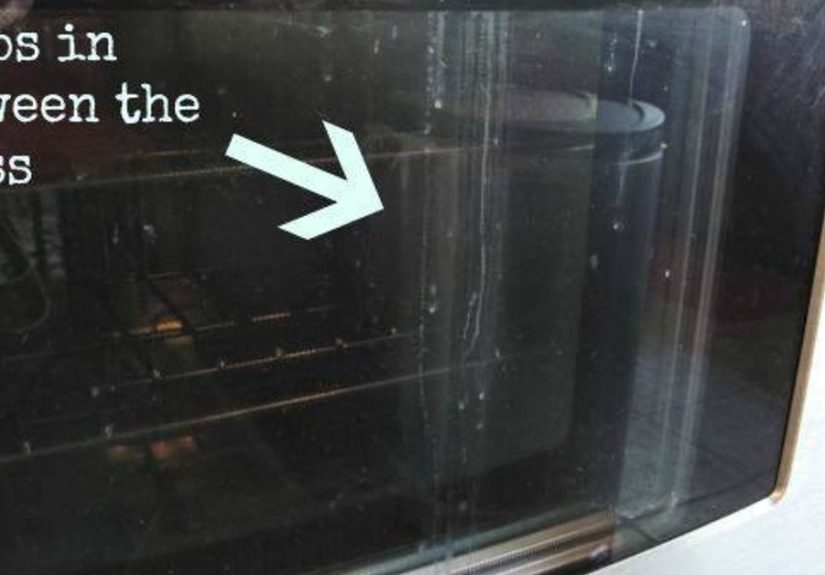
Most modern oven doors use two, three, or sometimes four layers of tempered glass. These layers help insulate heat, protect the outer door surface, and allow you to check on your food without opening the oven and letting all that precious heat escape. However, oven doors are not always sealed like an aquarium. Many have vents or small openings that help air circulate and release heat.
Those vents are useful, but they can also become tiny highways for steam, grease, sauce, and cleaning liquid. When a roast splatters, a pie bubbles over, or a casserole stages a dairy-based rebellion, fine droplets can drift into the space between the panes. Over time, they dry into cloudy streaks or brown stains. Sometimes, the culprit is not food at all but overly wet cleaning. If water or cleaner drips into the door vents, it can leave marks between the glass panels.
That is why the best way to clean between oven glass doors is not to flood the area with cleaner. The secret is controlled moisture, slim tools, and gentle wiping. Think spa treatment, not pressure washing.
Before You Start: Safety Comes First
Before cleaning between oven door glass, make sure the oven is completely cool. Not “it was on an hour ago but seems fine” cool. Completely cool. Oven glass can hold heat longer than expected, and metal edges inside the door can stay warm. Turn the oven off, remove anything resting on the stovetop or door, and give yourself enough space to work comfortably.
Next, check your owner’s manual. This is not the most glamorous reading material, but it matters. Appliance brands often use different hinge systems, door locks, screws, trim pieces, and glass assemblies. Some doors are designed for easy removal. Others require a technician for internal cleaning. If the manual says not to remove the glass or disassemble the door, believe it. Your future self, holding a loose hinge spring and whispering “uh-oh,” will be grateful.
Tools and Supplies You May Need
- Microfiber cloths
- Warm water
- Mild dish soap
- White vinegar or lemon juice
- Baking soda
- A long, thin cleaning tool such as a yardstick, flexible bottle brush, wire hanger wrapped in cloth, or microfiber duster
- Rubber bands or painter’s tape
- Towels to protect the floor
- Screwdriver, only if your manual allows panel removal
- Work gloves for gripping the door and protecting hands from sharp edges
For most households, a microfiber cloth wrapped around a yardstick is the hero tool. It is thin, flexible enough for many door slots, and gentle on glass. Avoid metal scraping tools inside the gap unless your manual specifically allows them. Tempered oven glass is strong, but scratches and impact can weaken it.
The Easiest Method: Clean Between Oven Glass Through the Bottom Vents
If your oven door has openings at the bottom edge, you may be able to clean between the glass without removing the door. This is usually the simplest method and the best place to start.
Step 1: Locate the Access Slots
Open the oven door fully and look along the bottom edge. You may see narrow vents, grooves, or slots. In some models, these openings are visible when the door is open. In others, you may need to remove a lower drawer or kneel down to see the underside. Use a flashlight if needed. Yes, you may look like you are investigating a tiny oven cave. That is normal.
Step 2: Make a Slim Cleaning Wand
Wrap a clean microfiber cloth around a yardstick, ruler, flexible spatula handle, or straightened wire hanger. Secure it with rubber bands or painter’s tape. Make sure no sticky tape edge touches the glass because adhesive residue inside the oven door is not the souvenir you want.
The cloth should be snug, not bulky. If it is too thick, it may get stuck between the panes. If it is too loose, it may slide off inside the door, creating a new problem with impressive comedic timing.
Step 3: Use a Light Cleaning Solution
Mix a few drops of mild dish soap with warm water. Dampen the cloth lightly, then wring it out well. You want it moist, not dripping. Too much liquid can run deeper into the door and leave fresh streaks. For greasy stains, you can use a 50/50 mix of white vinegar and water, but again, use it sparingly.
Step 4: Slide the Tool Between the Glass
Insert the cloth-covered tool carefully through the bottom slot. Move it slowly across the inside surface of the glass. Use gentle pressure and long, steady strokes. If the stains are concentrated in one area, hold the damp cloth there for a moment to soften the grease before wiping again.
Do not force the tool. If it catches on insulation, trim, or a metal bracket, pull back and try a slightly different angle. Forcing it can dislodge parts inside the door or tear the cloth.
Step 5: Dry the Glass
Replace the damp cloth with a dry microfiber cloth and repeat the process. This step is important because leftover moisture can create cloudy streaks. Drying also helps polish the glass so your oven window looks clear instead of “clean but emotionally complicated.”
Method Two: Remove the Oven Door for Better Access
If the bottom-slot method does not reach the stains, removing the oven door may give you better access. Many ranges and wall ovens have removable doors with hinge locks. The exact steps vary by model, so always follow your manual first.
General Door Removal Steps
- Open the oven door fully.
- Locate the hinge locks or latches on both sides.
- Flip the hinge locks into the unlocked position, if your model has them.
- Partially close the door until it stops.
- Grip both sides of the door firmly with two hands.
- Lift the door up and pull it away from the oven.
- Place the door handle-side down or according to your manual on a padded towel.
Oven doors are heavier than they look. Do not grab the handle only. Hold the sides with both hands, and if the door feels too heavy or awkward, ask another adult to help. This is not the moment for heroic solo appliance wrestling.
Clean Through the Door Openings
Once the door is off, inspect the bottom and sides for vents or access channels. Use the same cloth-wrapped tool method described above. Because the door is horizontal, you may have more control and better visibility. Use minimal cleaner, wipe gently, and dry thoroughly.
If your model allows you to remove the inner glass panel, the manual will usually show which screws or clips to release. Take photos before removing anything so you know how parts fit back together. Keep screws in a cup or small bowl. Screws love to roll under appliances and begin new lives as dust bunnies.
Method Three: Remove the Inner Glass Panel Only If Your Manual Allows It
Some oven doors are designed so the inner glass can be removed for cleaning. This gives the most thorough result, especially if grease has baked onto the inside surfaces. However, this method should only be used when the manufacturer’s instructions clearly permit it.
If allowed, place the door on a padded surface, remove the specified screws or trim pieces, lift the glass carefully, and clean both sides with warm soapy water or vinegar diluted with water. Dry the glass completely before reassembly. Never overtighten screws around glass. Tightening too aggressively can stress the panel.
Also, pay attention to the order of glass layers and spacers. Many doors rely on the correct spacing for insulation and airflow. Reassembling parts in the wrong order can affect performance or safety.
Best Cleaners for Oven Door Glass
The best cleaner for oven door glass is usually simple: warm water, mild dish soap, baking soda, or diluted white vinegar. These options cut grease without being overly harsh. For the outside and inside surfaces of the door, a baking soda paste can help loosen baked-on grime.
Baking Soda Paste
Mix baking soda with a small amount of water until it forms a spreadable paste. Apply it to greasy glass surfaces, let it sit for 15 to 30 minutes, then wipe with a damp microfiber cloth. For heavy buildup, let it sit longer. Rinse thoroughly because dried baking soda can leave a chalky film.
Vinegar and Water
A mix of equal parts white vinegar and water works well for light grease, streaks, and cloudy residue. Spray it onto a cloth rather than directly into vents. This gives you better control and keeps liquid from dripping between the glass panes.
Dish Soap and Warm Water
For everyday grease, dish soap is underrated. A few drops in warm water can break down oily residue without strong fumes. Use a damp cloth, wipe, rinse with a clean damp cloth, and dry.
What Not to Use Between Oven Glass Doors
When cleaning between oven glass doors, avoid harsh abrasives, steel wool, sharp metal tools, and excessive liquid. Do not pour cleaner into the vents. Do not use a soaking wet sponge. Do not spray oven cleaner into the gap unless your manufacturer specifically says it is safe. Strong oven cleaners may damage finishes, insulation, gaskets, or internal door parts.
Also avoid slamming, twisting, or leaning on the oven door. The glass is tempered and durable, but it is not indestructible. Scratches, impact, and stress can weaken it over time. Your oven door is a door, not a chair, shelf, ladder, or emotional support surface for heavy roasting pans.
How to Clean the Inside and Outside Oven Glass
Cleaning between the panes is easier when the exposed glass surfaces are already clean. Start with the exterior glass. Use warm soapy water or diluted vinegar on a microfiber cloth. Wipe in one direction to reduce streaks, then dry with a clean cloth.
For the inner oven glass, remove loose crumbs first. Apply baking soda paste to baked-on splatter, let it sit, then wipe away with a damp cloth. A plastic scraper can help with stubborn spots on exposed glass, but use it gently and keep it flat against the surface. Avoid scraping near gaskets or seals.
Never allow cleaner to pool near the oven door gasket. The gasket helps seal heat inside the oven and can be damaged by aggressive scrubbing or chemical exposure.
How Often Should You Clean Between Oven Door Glass?
You do not need to clean between oven door glass every week. In most homes, once or twice a year is enough unless a major spill sneaks into the vents. Clean the visible glass more often, especially after greasy cooking, broiling, roasting, or baking dishes that bubble over.
A good rule is simple: if the window is cloudy enough that you can no longer tell whether your cookies are golden or entering charcoal territory, it is time to clean.
How to Prevent Grease From Getting Between the Glass
Prevention is much easier than deep cleaning. Use baking sheets under pies, casseroles, and dishes that may overflow. Cover splatter-prone foods when appropriate. Wipe spills after the oven cools instead of letting them bake on during the next five dinners. When cleaning the oven door, spray cleaner onto the cloth, not directly at the door vents.
If your oven has a self-cleaning or steam-cleaning feature, follow the manufacturer’s directions carefully. Remove racks if instructed. Ventilate the kitchen. After the cycle finishes and the oven cools, wipe away ash or softened grime. Self-cleaning cycles can help the oven cavity, but they may not remove stains trapped between glass panes.
Troubleshooting Common Problems
The Cleaning Cloth Got Stuck
Do not yank hard. Gently twist the handle and pull back slowly. If the cloth is caught on a bracket, try pushing slightly forward, turning the tool, and easing it out. To prevent this, always secure the cloth tightly before inserting it.
The Streaks Look Worse After Cleaning
This usually means too much liquid was used or the glass was not dried well. Repeat the process with a dry microfiber cloth. If needed, use a barely damp vinegar-water cloth first, then dry again.
There Are Brown Spots That Will Not Move
Grease that has baked between the panes for months or years can be stubborn. Let a damp cloth rest against the spot for a minute, then wipe gently. If the stain remains and you cannot remove the inner glass safely, professional service may be the best option.
The Door Does Not Go Back On Easily
Stop and check the manual. Oven hinges must line up correctly. Forcing the door can bend hinges or damage the frame. Make sure both hinges are seated evenly before locking them back into place.
When to Call a Professional
Call a professional if your oven door has no access slots, the manual says service is required, the glass panel is loose, the door does not close properly, the hinges feel uneven, or you are uncomfortable removing the door. Also call for help if you notice cracked glass. Cleaning is not worth risking breakage or injury.
Some stains between oven glass are cosmetic. They may look irritating, but they do not always affect cooking performance. However, if the door seal, hinge, or glass assembly seems damaged, treat it as a repair issue rather than a cleaning issue.
Real-World Experience: What Actually Makes This Job Easier
Here is the honest truth from the trenches of home cleaning: the first attempt at cleaning between oven glass doors often feels more awkward than difficult. The tools are simple, but the angle is weird. You may find yourself lying on the kitchen floor with a flashlight, a yardstick, and the serious facial expression of someone defusing a tiny grease bomb. That is part of the process.
The most useful trick is to test your cleaning wand before adding moisture. Wrap the cloth around your tool, secure it, and slide it into the oven door slot while it is dry. This shows whether the tool is thin enough and whether the cloth stays attached. If it snags while dry, it will be even more annoying when damp. A flour sack towel or thin microfiber cloth often works better than a thick terry cloth because it fits into narrow spaces without bunching.
Another practical lesson: less cleaner works better. It is tempting to soak the cloth, especially when you see brown streaks laughing at you from behind the glass. Resist the urge. A cloth that is too wet will leave trails, and those trails can dry into new streaks that look suspiciously like the old streaks moved to a different zip code. A lightly damp cloth, followed by a dry cloth, gives a cleaner finish.
If grease is stubborn, patience beats force. Hold the damp cloth against the stain for 30 to 60 seconds, then wipe. Grease softens with moisture and mild soap, but it does not always surrender instantly. Scrubbing aggressively with a rigid tool can scratch, bend trim, or knock the cloth loose. Gentle repeated passes are safer and usually more effective.
Door removal can make the job easier, but only if you are comfortable handling the weight. Many oven doors are surprisingly heavy because of the layered glass. Put a towel on a sturdy table or floor before removing the door so you have a safe landing spot. Take photos of hinge positions and any screws before you move them. Photos are the modern homeowner’s secret weapon. They are also very helpful when your brain says, “Sure, I’ll remember how this goes,” and then immediately deletes the file.
For maintenance, the best habit is wiping the inner oven glass after messy cooking once the oven cools. This one-minute task prevents splatter from baking into a permanent-looking stain. If you bake fruit pies, cheesy casseroles, frozen pizzas, or anything that bubbles like a science fair volcano, place a lined baking sheet on the rack below. Do not place foil directly on the oven bottom unless your manual says it is allowed, because it can damage finishes or affect heat circulation.
Finally, accept that some older oven doors will not become showroom perfect without disassembly or service. That is okay. The goal is clearer glass, less grease, and a cleaner-looking kitchennot achieving spiritual enlightenment through appliance maintenance. If you can see your casserole again, count that as a victory.
Conclusion
Learning how to clean between oven glass doors easily comes down to three things: know your oven design, use gentle tools, and control moisture. Start with the bottom vent method if your oven has access slots. Use a microfiber cloth wrapped securely around a slim tool, clean with mild soap or diluted vinegar, and dry thoroughly. If stains are stubborn, remove the oven door only if your manual allows it. For deeper cleaning, remove inner glass panels only when the manufacturer provides clear instructions.
The best cleaning method is careful, not complicated. Avoid harsh abrasives, flooding the vents, forcing tools, or guessing your way through disassembly. With a little patience, your oven door can go from cloudy and suspicious to clear and respectable again. Your lasagna deserves an audience, and you deserve to watch it bubble without peering through a greasy windshield.
Note: Always check your oven’s owner’s manual before removing the door, unscrewing panels, or cleaning between glass panes. When in doubt, choose the safest method or contact a qualified appliance technician.