Table of Contents >> Show >> Hide
- Can You Dye Cashmere?
- Before You Dye Cashmere, Read the Care Label Like It Owes You Money
- The Best Colors for Dyeing Cashmere
- Supplies You Need to Dye Cashmere
- How to Dye Cashmere Step by Step
- Common Mistakes That Ruin Dyed Cashmere
- When You Should Not Dye Cashmere
- Tips for Getting the Best Results
- Frequently Asked Questions About Dyeing Cashmere
- Real-World Experiences With Dyeing Cashmere
- Conclusion
- SEO Tags
If you have ever stared at a washed-out cashmere sweater and thought, “You could be fabulous again,” good news: cashmere can be dyed. Better news: it can be dyed beautifully. Slightly terrifying news: cashmere is not the sort of fabric that appreciates chaos, impatience, or “let’s just wing it” energy.
Cashmere is a delicate protein fiber, which means it behaves more like fine wool than cotton. It loves gentle handling, controlled heat, and the right kind of dye. It does not love rough stirring, sudden temperature swings, or being twisted like a beach towel after a swim. Treat it kindly, and you can transform a faded sweater, scarf, or knit top into a rich new shade without sacrificing the softness that made you buy cashmere in the first place.
This guide walks you through how to dye cashmere safely, what supplies you need, which mistakes to avoid, and what real-life results usually look like. Because yes, there is a difference between “custom dyed” and “accidentally felted into toddler size.” Let’s aim for the first one.
Can You Dye Cashmere?
Yes, you can dye cashmere, especially if it is washable, mostly or fully cashmere, and free of tricky extras like synthetic lining, contrast trim, or mystery stains from winters past. For the best results, 100% cashmere or a high-cashmere knit is the easiest place to start.
The most reliable option for dyeing cashmere is an acid dye, which is made for protein fibers such as wool, silk, and cashmere. The word “acid” sounds dramatic, but the actual acid in the process is usually plain white vinegar or citric acid. In other words, this is more “science fair with manners” than “mad lab experiment.”
If you already have an all-purpose dye that is labeled for wool, it can work on cashmere. Still, if your goal is the best odds of even, rich, predictable color on a luxury knit, acid dye is usually the smarter choice.
Before You Dye Cashmere, Read the Care Label Like It Owes You Money
The care label tells you whether your project is promising or a future regret. Check these details before you do anything else:
- Fiber content: 100% cashmere is ideal. Blends can dye unevenly.
- Care instructions: “Dry clean” is one thing. “Dry clean only” deserves more caution.
- Construction: Simple knits are easier than structured, lined, embellished, or tailored pieces.
- Color: A light garment is easier to dye darker than the other way around.
- Condition: Sun damage, bleach marks, old stains, and fabric finishes can all create blotchy color.
If your sweater has polyester trim, synthetic stitching, shoulder pads, beadwork, or a lining, expect surprises. Not the fun birthday-cake kind. More the “why are the seams still beige?” kind. Different fibers absorb dye differently, so one part of the garment may change while another refuses to cooperate.
The Best Colors for Dyeing Cashmere
Here is the golden rule: cashmere overdyeing works best when you go from lighter to darker. If your cashmere starts off cream, oatmeal, pale gray, blush, or faded tan, you have options. If it starts off dark brown, navy, or black, your options get much narrower.
Also remember that dye does not erase the old color. It mixes with it. A pale gray sweater dyed blue may turn denim-like. A beige sweater dyed red may lean rust or brick. A blush-toned cashmere dyed blue could wander into dusty purple territory. This is not dye misbehaving. This is color theory quietly doing push-ups in the corner.
Safe beginner shades include:
- Charcoal over light gray
- Navy over cream or pale gray
- Plum over soft pink or beige
- Olive over tan or oatmeal
- Chocolate over camel or ivory
Supplies You Need to Dye Cashmere
- Acid dye made for wool, silk, and cashmere
- White vinegar or citric acid
- A stainless steel pot or basin large enough for the item to move freely
- Rubber gloves
- A spoon or tool for gentle stirring
- Mild wool-safe detergent
- Clean white towels
- A flat drying surface or drying rack
- A small hidden swatch or inside seam area for testing
If you can test first, do it. Testing a hidden seam is far less painful than learning your “deep forest green” recipe created “surprised swamp.”
How to Dye Cashmere Step by Step
1. Prewash the Cashmere Gently
Before you start dyeing, wash the item gently with a mild detergent to remove body oils, dust, fragrance residue, and invisible finishes that block dye absorption. Do not use fabric softener. Do not bleach. Do not scrub like you are removing barbecue sauce from a grill grate.
Rinse thoroughly and leave the cashmere damp. A pre-wet garment absorbs dye more evenly than a dry one.
2. Prepare the Dye Bath
Fill your pot or basin with enough water for the cashmere to move freely. Crowding leads to uneven color. Dissolve the dye according to the manufacturer’s directions in hot water before adding it to the bath. Then add your vinegar or citric acid.
For how to dye a cashmere sweater successfully, the bath should stay hot and steady, generally just below a boil rather than bubbling aggressively. Think “serious soup,” not “angry volcano.”
3. Add the Damp Cashmere
Lower the damp item into the dye bath slowly. Press it beneath the surface so the dye reaches every area. If the sweater floats, air pockets can create lighter patches.
At this stage, gentle movement matters. You want slow, careful turning and light stirring, especially in the first several minutes when evenness is established. Avoid rubbing the fabric against itself. Avoid wringing. Avoid any move that looks like you are kneading pizza dough.
4. Hold the Heat and Watch the Color
Leave the cashmere in the bath for roughly 20 to 45 minutes, or longer for darker shades if your dye instructions allow it. Keep the temperature steady. The longer the item sits in the dyebath, the deeper the color generally becomes.
Remember that wet cashmere looks darker than dry cashmere. This is where many people panic, pull the item too early, and then wonder why the final result looks timid. Give it time, but not rough treatment.
5. Rinse Gradually
Once you like the color, remove the cashmere and rinse it in warm water first, then gradually shift to cooler water until the rinse runs mostly clear. Do not shock the fabric by jumping from very hot water to icy water. Cashmere likes moderation. Frankly, we all should.
6. Wash Lightly After Dyeing
Give the item a final gentle wash with a wool-safe detergent to remove excess dye. This helps reduce rub-off and leaves the knit cleaner and softer. Use minimal handling. Press the water out instead of twisting the fabric.
7. Dry Flat and Reshape
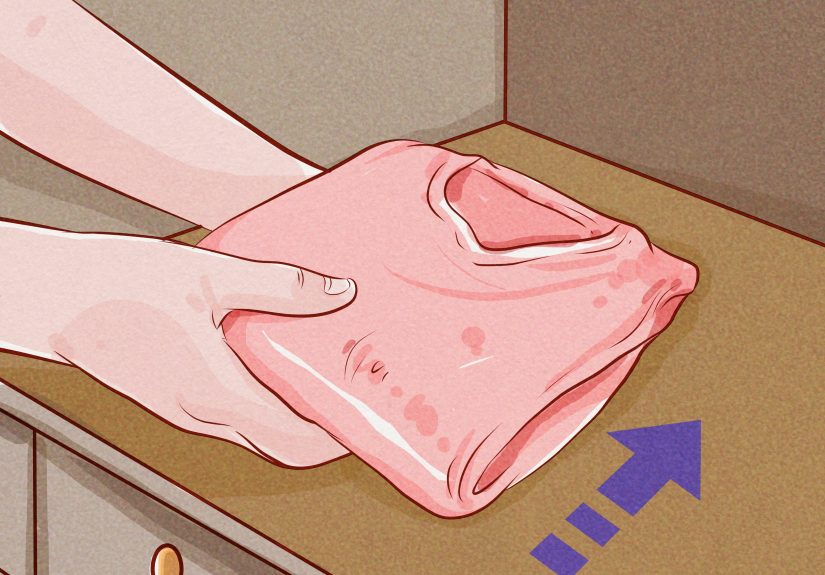
Lay the cashmere on a clean towel, roll it up to absorb excess moisture, then unroll and reshape it on a flat towel or mesh rack. Dry it flat, away from direct sunlight and heat sources. Never hang wet cashmere unless your secret goal is teaching it a new and tragic silhouette.
Common Mistakes That Ruin Dyed Cashmere
Using the Wrong Dye
Fiber-reactive dye is wonderful for cotton, but cashmere is not cotton. Protein fibers respond best to dyes intended for wool, silk, and similar materials.
Ignoring the Original Color
If the garment is not white or very light, the old color will influence the new one. Dye adds; it does not magically erase.
Agitating the Knit Too Much
Cashmere can lose softness, stretch oddly, or even begin to felt when it is overhandled in hot water.
Wringing the Fabric
Twisting a wet sweater stresses the fibers and can distort the shape. Press, roll, and reshape instead.
Trying to Dye Damage Away
Bleach spots, sun fading, and old stains often remain visible even after dyeing. Sometimes they become less obvious. Sometimes they become a modern art installation.
When You Should Not Dye Cashmere
Skip the project if the item falls into one of these categories:
- It says dry clean only and is expensive enough to make you sweat
- It has a lining, embellishments, shoulder structure, or mixed materials
- It is heavily stained, bleach-damaged, or moth-eaten
- It is already very dark and you want a lighter color
- It is sentimental enough that one weird seam color will haunt you forever
Sometimes the smartest dye project is the one you politely cancel.
Tips for Getting the Best Results
- Start with a thrifted or lower-risk piece before touching your favorite luxury sweater.
- Choose medium or dark shades if the original garment is not white.
- Test a hidden area before dyeing the whole item.
- Use enough water for the knit to move freely.
- Keep the temperature steady and the handling gentle.
- Expect a slightly heathered, soft-depth result rather than a flat factory finish.
- Wash dyed cashmere separately the first few times.
Frequently Asked Questions About Dyeing Cashmere
Can I dye a cashmere sweater in the washing machine?
You may see care advice that some cashmere can be machine-washed carefully, but for dyeing, a controlled hand or stovetop process is safer. It gives you better control over heat, movement, and color development.
Can I dye cashmere black?
You can try, but black is demanding. It usually needs more dye, more time, and very even processing. Dark charcoal or espresso is often easier to achieve beautifully than a perfect true black.
Will dyeing make cashmere rough?
It can, if the item is overhandled, overheated, shocked with water temperature changes, or dried improperly. Done well, dyed cashmere can remain soft and wearable.
Can I dye a cashmere blend?
Yes, but results depend on every fiber in the blend. If polyester, acrylic, or acetate are involved, expect color variation and possible mismatch between the main knit and the seams or trim.
Real-World Experiences With Dyeing Cashmere
People who try dyeing cashmere at home tend to remember the experience vividly, and not just because they spent an hour hovering over a pot like a Victorian apothecary. One of the most common stories starts with a pale, slightly boring sweater that is still soft but no longer exciting. A cream or oatmeal pullover becomes camel, olive, plum, or charcoal, and suddenly it looks intentional again. That is probably the happiest version of the project: a sweater that was one closet clean-out away from exile becomes wearable and stylish for another season.
Another common experience is learning that “light beige” is not the same as “blank canvas.” Someone dyes a beige cashmere cardigan navy and ends up with a smoky, slightly muted blue instead of a crisp marine shade. Someone else dyes a pale gray scarf burgundy and gets a gorgeous wine-plum color they like even more than the original plan. This is the part that surprises beginners. The final result is often beautiful, but not always literal. Dyeing cashmere is part science, part color theory, and part making peace with the fact that fabric likes to collaborate.
Then there is the experience almost everyone hears about at least once: the sweater that felted because it was stirred too aggressively or rinsed too abruptly. The owner usually says some version of, “It looked fine in the pot, and then it got weird.” Cashmere can be forgiving, but it is not invincible. When wet, it is more fragile, more likely to stretch, and more sensitive to handling than many people expect. The best home dyers learn quickly that a gentle lift-and-turn beats enthusiastic stirring every time.
There is also a very specific kind of disappointment that comes from details. A person dyes a cashmere blend and loves the body color, only to realize the stitching stayed lighter or the rib trim grabbed dye differently. The sweater is still wearable, but now it has “design elements” nobody ordered. This is why experienced DIY dyers become almost comically obsessed with labels, seams, and hidden fiber content. Ten seconds of label-reading can save hours of muttering.
On the positive side, many people report that their best projects were not the ones where they chased perfection. They were the ones where they aimed for richness, softness, and a handmade finish. A slightly heathered charcoal can look luxurious. A muted forest green can feel more expensive than a bright, flat green. A subtly uneven artisan-style result often suits cashmere better than a sharp, synthetic-looking saturation anyway. In real life, successful dyed cashmere usually looks cozy, deep, and custom rather than factory-uniform.
The final lesson people mention most often is confidence. After dyeing one sweater successfully, they stop seeing faded knitwear as hopeless. They start noticing possibilities: the washed-out scarf, the too-pale cardigan, the thrift-store pullover with great texture and terrible color. Dyeing cashmere does involve patience, but it also gives people a satisfying sense of rescue. You are not just changing color. You are extending the life of a good garment, avoiding waste, and proving that one elegant sweater does not need to retire just because its original shade lost the plot.
Conclusion
If you want to know how to dye cashmere without ruining it, the short answer is this: use the right dye, keep the process gentle, respect the original color, and dry the garment flat like it is royalty. Cashmere is absolutely dyeable, but it rewards patience over speed and care over brute force.
Start with a light-colored piece, test before committing, and think of the final result as a custom refresh rather than a factory reset. Done right, dyeing cashmere can save a faded favorite, give new life to a thrifted knit, and turn a “meh” sweater into something you reach for constantly. Not bad for a project that begins with vinegar and cautious optimism.