Table of Contents >> Show >> Hide
- What Is a Seller Rent-Back After Closing?
- Why Sellers Ask for Rent-Backs
- How Seller Rent-Backs Work After Closing
- Key Terms Every Seller Rent-Back Agreement Should Include
- Risks Buyers Should Understand
- Risks Sellers Should Understand
- How Buyers Can Protect Themselves
- How Sellers Can Make a Rent-Back Go Smoothly
- Should You Delay Closing Instead?
- Common Mistakes to Avoid
- Practical Example of a Well-Structured Rent-Back
- Experienced-Based Tips for Handling Seller Rent-Backs After Closing
- Conclusion
A seller rent-back after closing sounds simple: the buyer owns the house, the seller stays for a little while, and everyone remains calm, civilized, and fully packed by Tuesday. In real life, a seller rent-back can be either a smooth bridge between two moves or the beginning of a tiny landlord-tenant opera starring moving boxes, missing garage remotes, and one very stressed buyer wondering why the seller’s couch is still in the living room.
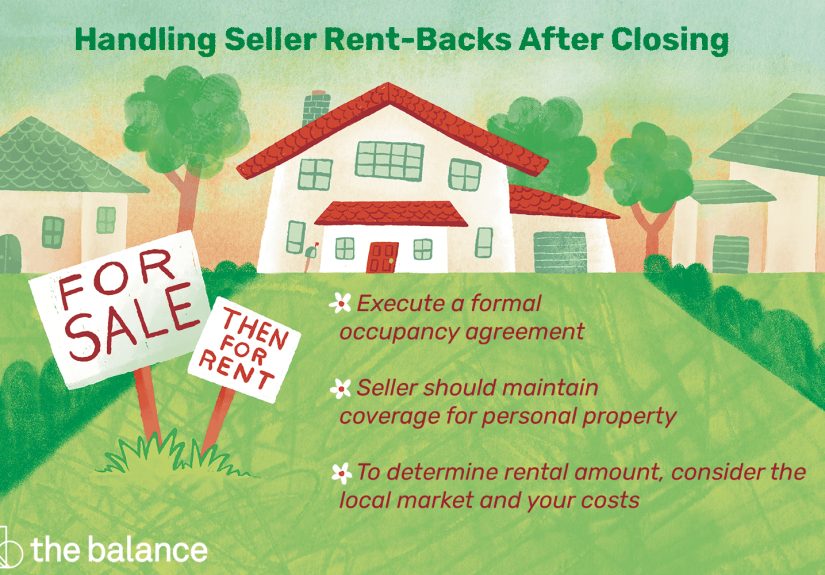
A seller rent-back, also called a post-closing occupancy agreement, leaseback, use and occupancy agreement, or post-settlement occupancy agreement, allows the seller to remain in the home for a defined period after closing. The buyer becomes the legal owner at closing, but the seller temporarily occupies the property under written terms. This arrangement is common when the seller needs extra time to close on another home, finish construction, move kids through a school transition, or simply avoid moving twice.
Handled correctly, a rent-back can help both sides. Sellers get breathing room, buyers may make their offer more competitive, and the deal can close on schedule. Handled casually, it can create problems with insurance, lender occupancy rules, property damage, late move-outs, unpaid utilities, and legal enforcement. In other words: do not seal this deal with a handshake unless your handshake comes with a lawyer, an escrow holdback, and a move-out date written in bold.
What Is a Seller Rent-Back After Closing?
A seller rent-back is a short-term agreement that lets the home seller stay in the property after the sale closes. The buyer owns the home, but the seller remains in possession for a limited time and usually pays daily rent or an occupancy fee. The arrangement is typically negotiated before closing and added to the purchase contract through a separate addendum or occupancy agreement.
The most important word here is “written.” A rent-back should never be vague. It should clearly state when the seller can remain, when the seller must leave, how much the seller pays, what happens if the seller stays too long, who pays utilities, who handles maintenance, what insurance is required, and how the property will be inspected when the seller leaves.
In many U.S. transactions, rent-backs are short: a few days, one week, or several weeks. Many lenders become uncomfortable when a buyer who purchased the home as a primary residence cannot occupy it within about 60 days. Rules vary by loan type, lender, state law, and contract language, so buyers should confirm the maximum allowed rent-back period with their lender before agreeing.
Why Sellers Ask for Rent-Backs
Sellers usually request a rent-back because real estate timelines rarely line up like neat little dominoes. A seller may close on the sale of their current home before their next home is ready. Their replacement home may have a delayed closing, a construction issue, an appraisal hiccup, or a moving schedule that looks like it was designed by a raccoon with a clipboard.
Common reasons sellers need a rent-back include:
- They need time to close on their next home.
- Their new construction home is delayed.
- They want children to finish a school term.
- They are relocating and waiting for job or moving logistics.
- They want to avoid temporary housing and double moving costs.
- They need extra time to pack after a fast sale.
For buyers, allowing a seller rent-back can be a smart negotiation tool. In a competitive market, flexibility may help an offer stand out. A seller may accept a slightly lower price from a buyer who gives them a convenient move-out window. However, flexibility should not mean vulnerability. The buyer should be kind, but not financially exposed.
How Seller Rent-Backs Work After Closing
The rent-back period begins after closing, when legal ownership transfers to the buyer. At that point, the seller is no longer the owner. Depending on local law and the agreement used, the seller may be treated as a temporary occupant, licensee, or tenant. That distinction matters because landlord-tenant laws can affect how the buyer removes the seller if the seller refuses to leave.
Before closing, the buyer and seller negotiate the rent-back terms. The agreement is usually signed at or before closing. The title company, escrow company, real estate attorney, or closing agent may hold money from the seller’s proceeds to cover rent, security deposit, damages, or overstay penalties.
For example, suppose a home closes on June 1, but the seller’s new home closes on June 14. The parties may agree that the seller can remain until June 15 at 5:00 p.m., paying $150 per day plus utilities. The seller deposits $3,000 into escrow as a security holdback. If the seller leaves on time and the final walkthrough shows no damage beyond normal wear, the unused deposit is released back to the seller. If the seller overstays, the agreement may impose a much higher daily holdover fee.
Key Terms Every Seller Rent-Back Agreement Should Include
1. Exact Move-Out Date and Time
The agreement should state the exact date and time the seller must vacate. “Two weeks after closing” is weaker than “Seller must vacate the property no later than 5:00 p.m. local time on June 15, 2026.” Precision prevents arguments. It also helps buyers schedule movers, contractors, cleaners, internet installation, and the first celebratory pizza on the floor.
2. Daily Rent or Occupancy Fee
The buyer and seller should agree on the rent amount before closing. Many buyers calculate rent based on their daily carrying costs: principal, interest, taxes, insurance, homeowners association dues, and sometimes mortgage insurance. Others use fair market rent for similar homes in the area.
A simple formula is:
Monthly housing cost ÷ 30 = daily rent-back rate
If the buyer’s monthly mortgage payment, taxes, insurance, and HOA dues total $4,500, the daily rate would be about $150. Some buyers waive rent for a very short stay, such as two or three days, but even a free rent-back should still be documented in writing.
3. Security Deposit or Escrow Holdback
A security deposit protects the buyer if the seller damages the property, fails to pay agreed charges, leaves trash behind, or refuses to vacate on time. The safest approach is often an escrow holdback from the seller’s proceeds. That way, the money exists and is controlled by a neutral party rather than being politely requested later from someone who has already moved to another ZIP code.
The deposit amount depends on the property, length of stay, and risk level. For short rent-backs, buyers may request several thousand dollars. For longer or higher-risk arrangements, the holdback may be larger. The agreement should explain how the deposit is released, what deductions are allowed, and when the final inspection occurs.
4. Holdover Penalties
The rent-back agreement should include a strong financial consequence if the seller stays beyond the deadline. Regular rent may be $150 per day, but holdover rent might be $500, $750, or more per day, depending on what is lawful and enforceable in the state. The point is not to be dramatic. The point is to make late move-out more expensive than solving the seller’s moving problem.
Buyers should ask a real estate attorney or local professional whether the holdover penalty is enforceable. A penalty that sounds fierce but fails in court is about as helpful as a smoke detector with no batteries.
5. Utilities and Services
The agreement should state who pays electricity, gas, water, sewer, trash, internet, lawn care, pool service, and other ongoing costs. In many rent-backs, the seller keeps utilities in their name until they leave or reimburses the buyer for the actual cost. Either way, the agreement should be specific.
Buyers should avoid accidentally paying for the seller’s final two weeks of air conditioning, especially in July, when the thermostat may be working harder than everyone involved in the transaction.
6. Maintenance and Repairs
The contract should clarify maintenance duties. The seller should usually keep the property clean, prevent damage, maintain the yard, and report problems promptly. The buyer, as owner, may remain responsible for major systems or structural items, but this should be addressed in the agreement.
Small issues can become big fights if no one defines responsibility. If the garbage disposal stops working during the rent-back, who fixes it? If the seller breaks a window while moving a dresser, who pays? If the sprinkler system floods the lawn, who calls the repair company? Good agreements answer boring questions before they become expensive questions.
7. Insurance Requirements
Insurance is one of the most overlooked parts of a seller rent-back. Once closing occurs, the buyer should have homeowners insurance because the buyer owns the property. The seller may need renters insurance to cover personal belongings and liability during the temporary occupancy. The buyer should confirm coverage with their insurer and disclose the rent-back arrangement.
Never assume the old policy, new policy, and temporary occupancy arrangement magically overlap. Insurance companies prefer facts over vibes. Buyers and sellers should both talk with their insurance agents before closing.
8. Access Rights
The buyer owns the property after closing, but the seller still occupies it. The agreement should explain when the buyer may access the property. For example, the buyer may need entry for inspections, repairs, appraisals, contractor estimates, or emergency issues. Access terms should respect the seller’s temporary privacy while protecting the buyer’s ownership rights.
9. Final Walkthrough and Surrender of Possession
The buyer should conduct a final walkthrough after the seller vacates. This is different from the walkthrough before closing. The post-rent-back walkthrough confirms that the seller has moved out, removed personal property, left the home in the agreed condition, returned keys and remotes, and caused no new damage.
The agreement should state that the security deposit or escrow holdback will not be released until this inspection is complete.
Risks Buyers Should Understand
Seller rent-backs are common, but they are not risk-free. The biggest risk is that the seller does not leave on time. If that happens, the buyer may need legal action, including eviction or another local process. That can delay move-in, increase costs, and create stress for buyers who may have already ended a lease or scheduled movers.
Another risk is property damage. A seller moving out after closing may scratch floors, dent walls, damage appliances, leave debris, or forget to mention that the garage door opener now sounds like a lawn mower eating silverware. A security deposit helps, but the agreement should also require the seller to maintain the home’s condition.
Buyers also need to think about lender rules. If the buyer financed the home as a primary residence, the lender may require the buyer to occupy the property within a specific period. A rent-back that runs too long can conflict with loan terms. Buyers should never agree to an extended seller stay without lender approval.
Finally, there is liability. If someone is injured at the property during the rent-back period, the owner may be pulled into the issue. That is why insurance, indemnity language, and attorney review matter.
Risks Sellers Should Understand
Sellers also take on risk. After closing, they no longer own the property. They must follow the agreement, pay rent or occupancy fees, maintain the property, and leave on time. If they stay past the deadline, they may face expensive daily holdover charges or legal action.
Sellers should avoid agreeing to a move-out date unless they are confident they can meet it. Hope is not a moving plan. Before signing, sellers should confirm mover availability, storage options, hotel backups, and the status of their next home closing.
Sellers should also understand that damage during the rent-back may be deducted from the security deposit. Moving day is when walls, banisters, floors, and doorframes suddenly become targets. Hiring careful movers and documenting the property condition can prevent disputes.
How Buyers Can Protect Themselves
The best protection is a written agreement reviewed by a qualified real estate professional or attorney. Buyers should also notify their lender and insurance company, require a meaningful escrow holdback, and insist on a clear move-out deadline.
Buyers should avoid open-ended rent-backs. A phrase like “seller may remain until their new home is ready” is risky because no one knows when that will be. The agreement should have a firm end date, daily rent, holdover charges, and remedies if the seller fails to leave.
Before closing, buyers should document the home’s condition with photos and video. During the post-occupancy period, buyers should keep communication professional and in writing. After the seller leaves, buyers should inspect the property quickly and submit any deposit claims according to the agreement and state law.
How Sellers Can Make a Rent-Back Go Smoothly
Sellers can improve the process by being realistic, organized, and transparent. If the seller needs 14 days, they should not ask for seven and hope for the best. If their next closing is uncertain, they should build in a backup plan. If movers are hard to book, they should reserve early.
Sellers should keep the home clean, avoid making changes, maintain utilities, and report problems immediately. They should also carry appropriate insurance for their personal property. Before leaving, sellers should remove all belongings, clean the home, return all keys, garage remotes, mailbox keys, gate fobs, appliance manuals, and smart-home access codes.
A graceful exit matters. The buyer may be flexible enough to allow extra time, but the seller should treat the arrangement like a serious legal obligation, not a casual favor from a friend with a spare guest room.
Should You Delay Closing Instead?
Sometimes the best rent-back is no rent-back at all. If the seller only needs a few extra days and the buyer can wait, delaying closing may be cleaner. The seller remains the owner until closing, so ownership, insurance, and possession stay aligned.
However, delaying closing is not always practical. The buyer’s mortgage rate lock may expire, the seller may need proceeds from the sale, or both parties may have linked transactions. In those cases, a short, well-written rent-back may solve the timing problem without derailing the sale.
The key question is this: who should carry the risk during the waiting period? If the seller still owns the property, the seller carries more of it. If closing happens first and the seller remains, the buyer carries more risk and should be compensated and protected accordingly.
Common Mistakes to Avoid
One common mistake is using vague language. Another is failing to collect a deposit. A third is forgetting lender approval. Buyers also sometimes underestimate how difficult it can be to remove a seller who refuses to leave. Sellers sometimes underestimate how fast holdover fees can add up.
Another mistake is treating a rent-back as an afterthought at the closing table. By then, everyone is tired, signatures are flying, and someone is probably wondering where they parked. Rent-back terms should be negotiated early, not scribbled together while the notary waits.
Buyers and sellers should also avoid relying on verbal promises. “We’ll definitely be out by Friday” is not a contract term. “Seller shall vacate by Friday, July 10, at 5:00 p.m., with a $600 daily holdover fee” is much better.
Practical Example of a Well-Structured Rent-Back
Imagine a buyer purchases a home for $525,000 and closes on August 1. The seller needs 10 days to close on their next house. The buyer’s daily ownership cost is $175. The parties agree to a rent-back through August 11 at noon.
The agreement requires the seller to pay $1,750 in rent, keep utilities active, maintain the yard, carry renters insurance, and deposit $5,000 into escrow. If the seller overstays, the holdover rate becomes $750 per day. The buyer may inspect after the seller leaves, and the deposit is released only after the property is vacant, clean, and undamaged.
This structure gives the seller time, pays the buyer for carrying costs, and creates a clear consequence if the seller misses the deadline. Nobody has to guess. Nobody has to chase money. Nobody has to text “Hey, just checking in…” twelve times while staring at a driveway full of someone else’s patio furniture.
Experienced-Based Tips for Handling Seller Rent-Backs After Closing
One of the biggest lessons from real-world rent-back situations is that the personalities of the parties matter almost as much as the paperwork. A cooperative seller who communicates clearly, packs early, and respects deadlines can make a rent-back feel effortless. A disorganized seller who keeps saying “just a few more days” can turn a simple agreement into a buyer’s first unwanted side quest as a landlord.
From a buyer’s perspective, the safest attitude is friendly but firm. It is perfectly reasonable to help a seller with timing, especially if that flexibility helped win the home. But the buyer should remember that they are taking on real risk after closing. They are paying the mortgage, carrying the insurance, and waiting to use a property they now own. That is why rent, deposits, and deadlines are not rude. They are normal protections.
A good experience often starts with early negotiation. The rent-back should be discussed when the offer is written, not after inspections, appraisal, and loan approval are already complete. Buyers should ask: How many days do you need? Why do you need them? Is your next home already under contract? Do you have movers scheduled? What is your backup plan if your next closing is delayed? These questions may feel direct, but they reveal whether the seller’s plan is solid or held together with packing tape and optimism.
Another practical lesson is to collect enough money in escrow to get everyone’s attention. A tiny deposit may not motivate a seller to leave on time or cover meaningful damage. A larger holdback creates accountability. The money should be handled by escrow or another neutral party whenever possible. This avoids the awkward situation where the buyer must personally demand payment after the seller has already left.
Buyers should also protect their own moving timeline. If the seller is supposed to leave Friday evening, scheduling movers for Saturday morning may be risky. A small buffer can prevent chaos. It is annoying to wait an extra day, but it is more annoying to have a moving truck outside while the seller is still loading dishes into boxes labeled “miscellaneous,” also known as the national language of moving.
Documentation is another habit that pays off. Buyers should take photos and video during the pre-closing walkthrough, then again after the seller moves out. Sellers should do the same. If a dispute comes up over a scratched floor, broken appliance, missing remote, or damaged fence, photos are more useful than memory. Memory tends to become very creative when money is involved.
Sellers can create a smoother experience by over-communicating. If movers are confirmed, say so. If the next closing is delayed, disclose it early. If something breaks during the rent-back period, report it immediately. Buyers are usually more patient when they are not surprised. Silence makes people nervous, especially when they own the house but cannot yet sleep in it.
The best rent-back experiences are boring. The agreement is signed. The seller pays. The utilities are handled. The seller leaves on time. The buyer inspects. The deposit is released. Everyone moves on with their lives, and the only drama is finding the coffee maker in the mountain of boxes. That kind of boring is beautiful.
The worst experiences usually share the same warning signs: vague deadlines, no escrow holdback, no insurance discussion, no lender confirmation, and too much trust in verbal promises. A rent-back is not automatically dangerous, but it does require structure. Think of it like lending your car to someone for a road trip: you want to know when it is coming back, who is paying for gas, what happens if it gets dented, and why there are crumbs in the cup holder.
For both buyers and sellers, the goal is not to “win” the rent-back. The goal is to make the transition predictable. Buyers want possession of the home they purchased. Sellers want enough time to move without panic. A clear agreement gives both sides what they need while reducing the chance of conflict.
Conclusion
A seller rent-back after closing can be a smart solution when the sale date and move-out date do not perfectly match. It gives sellers temporary flexibility and may help buyers make a stronger offer in a competitive market. But once closing happens, the buyer owns the property, and that changes everything.
The best way to handle a seller rent-back is to treat it like a serious legal and financial arrangement. Put every term in writing. Confirm lender and insurance requirements. Set a firm move-out date. Charge a fair daily rate. Hold a meaningful security deposit or escrow holdback. Define utilities, maintenance, access, final inspection, and holdover penalties. Most importantly, get advice from qualified local professionals because state laws and contract forms vary.
Done right, a rent-back can be the bridge that keeps a real estate deal moving. Done casually, it can become the part of homeownership nobody mentioned in the glossy brochure. Protect the timeline, protect the property, and make sure everyone knows exactly when the keys truly change hands.
Note: This article is for general educational purposes and does not replace advice from a licensed real estate attorney, lender, insurance professional, or local real estate agent. Seller rent-back rules vary by state, loan type, contract form, and local practice.