Table of Contents >> Show >> Hide
- What Is Dried Fruit Potpourri (and What It Isn’t)?
- Ingredients: Build Your Potpourri Like a Scent Designer (Who Shops the Produce Aisle)
- Tools You’ll Need
- How to Dry Fruit for Potpourri
- How to Make Dried Fruit Potpourri (Step-by-Step)
- Five Dried Fruit Potpourri Blends You Can Copy (or Remix)
- Storage, Shelf Life, and How to Refresh the Scent
- Safety Notes (Because “Smells Amazing” Shouldn’t Come With a Warning Label)
- Troubleshooting: Fix Common Potpourri Problems
- Gift and Decor Ideas (Because This Stuff Is Cute)
- Conclusion: The Cozy Bowl You’ll Keep Remaking
- Experience-Based Tips: What People Learn After Their First Few Batches (About )
You know that moment when you open a bag of cinnamon sticks and your brain immediately starts playing a montage of cozy sweaters, twinkly lights, and a dog wearing a scarf? Dried fruit potpourri is basically that feelingexcept it lives in a bowl and doesn’t require you to own a cabin in Vermont.
In this guide, you’ll learn how to dry fruit the right way (read: no mystery chewy slices that feel like leather coasters), how to blend scents so they smell intentional (not like “spice rack avalanche”), and how to make your potpourri last for weeks. We’ll also cover safety, storage, troubleshooting, and a few blends that are gift-worthy even if your wrapping skills are… brave.
What Is Dried Fruit Potpourri (and What It Isn’t)?
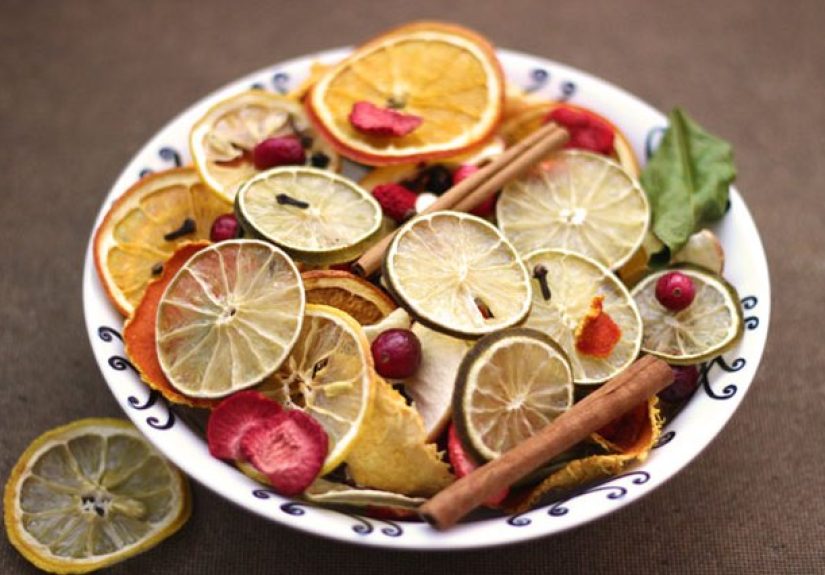
Dried fruit potpourri is a dry, decorative mix of dehydrated fruit (usually citrus and apples), spices, botanicals, and sometimes essential oils, displayed in bowls or packed into sachets. It’s meant to gently scent a space and look pretty doing it.
It’s not food. It’s also not the same thing as stovetop potpourri (aka a simmer pot), where you simmer fresh or dried ingredients in water to perfume the air. You can absolutely use some of the same dried fruit and spices for bothjust don’t toss your decorative bowl mix into a pot unless it was made specifically for simmering and hasn’t been treated with oils or fixatives.
Ingredients: Build Your Potpourri Like a Scent Designer (Who Shops the Produce Aisle)
Best fruits for drying
- Oranges: the classicbright, sweet, and visually stunning when sliced into rounds
- Lemons: sharp and fresh; great for “clean” blends
- Grapefruit: a little bitter, very chic, and makes big dramatic slices
- Apples: warm, mellow, and perfect with cinnamon and clove
- Pears: subtle, cozy, and a nice change of pace
- Cranberries: usually added already dried; pops of color, tart vibe
Spices and botanicals that make it smell “real”
- Cinnamon sticks: warm and familiar
- Whole cloves: powerfuluse a light hand unless you want “Victorian dentist office”
- Star anise: sweet-licorice aroma and instant visual drama
- Cardamom pods: fancy bakery energy
- Bay leaves: herbal, green, and underrated
- Rosemary: crisp, evergreen-ish freshness
- Pine needles, tiny pinecones, cedar chips: woodsy “winter forest” notes
- Lavender buds: floral and calming (works best in lighter, fresher blends)
The secret weapon: a fixative
If you want your potpourri to smell good for more than five minutes, you’ll want a fixative. Fixatives help “hold” scent, especially when you add essential oils. Common choices include:
- Orris root (powder or chunks): classic, effective, and lightly violet-like
- Benzoin resin: warm, vanilla-ish, and great for cozy blends
- Oak moss: earthy, deep, and perfume-like
- Ground spices (like cinnamon/clove): mild fixative effect plus aroma
Essential oils (optional, but potent)
Essential oils can transform your potpourri from “cute craft” to “why does my entryway smell like a boutique hotel?” Use them sparingly. A little goes a long wayand too much can smell sharp or overwhelming.
Tools You’ll Need
- Sharp knife or mandoline (carefully, pleasepotpourri should not require a bandage aesthetic)
- Cutting board
- Baking sheets
- Parchment paper or silicone baking mat
- Wire rack (optional, but speeds drying by improving airflow)
- Dehydrator (optional, best for consistency)
- Airtight glass jars for curing and storage
- A large bowl for mixing
How to Dry Fruit for Potpourri
Your #1 goal is zero moisture. Any lingering dampness can invite mold, and nothing ruins a cute dried orange slice faster than the sentence “Why is it fuzzy?”
Method 1: Oven-drying (the most common)
- Preheat your oven to 170–200°F (use the lowest setting available).
- Slice fruit into thin, even rounds (about 1/8–1/4 inch). Remove seeds.
- Blot slices with a paper towel to remove surface moisture.
- Arrange in a single layer on parchment-lined trays (or on a wire rack set over a tray).
- Bake for 2–4 hours, flipping every 30–60 minutes. Time varies by fruit thickness and oven.
- Cool completely. The slices should feel dry and firm. If they bend easily, they need more time.
Method 2: Dehydrator (best results, least babysitting)
- Slice fruit evenly and blot dry.
- Set dehydrator to 130–135°F.
- Dry for 5–14 hours depending on fruit type, thickness, and your machine.
- Cool fully before storing. Properly dried slices should feel dry and become firmer as they cool.
Method 3: Air-drying (best for peels and herbs)
Air-drying is slower but great for citrus peels (zest strips) and botanicals like bay leaves or lavender. Spread items in a single layer in a dark, well-ventilated spot for 1–2+ weeks until crisp.
How to Make Dried Fruit Potpourri (Step-by-Step)
Step 1: Pick a “vibe” before you pick ingredients
Great potpourri has a point of view. Decide whether you want: cozy bakery, fresh citrus herb, holiday forest, or spa clean. This makes your blend smell intentional instead of… rummaged.
Step 2: Mix your dry ingredients first
In a large bowl, combine dried fruit slices with spices and botanicals. Start with texture and visuals: big slices + sticks + small pods + leafy pieces. It should look layered and interesting.
Step 3: Add fixative and essential oils (the right way)
Don’t drip essential oils straight onto dried fruit like you’re seasoning a salad. Instead:
- Put 1–2 tablespoons of fixative into a small bowl (adjust for batch size).
- Add essential oils to the fixative first (start with 10–15 drops total for a medium batch).
- Stir, then distribute the scented fixative through your potpourri and toss gently.
Step 4: Cure it (the difference between “meh” and “wow”)
Seal your mixture in an airtight glass jar and store it away from heat and sunlight. Shake or stir it daily at first, then every few days. Cure for 2–6 weeks. The longer cure gives a more blended, lasting scent.
Step 5: Display and enjoy
Once cured, move it into a decorative bowl, a lidded glass jar (open when you want a fragrance boost), or sachets for drawers and closets.
Five Dried Fruit Potpourri Blends You Can Copy (or Remix)
Measurements are flexiblepotpourri is more “playlist” than “chemistry lab.” Use these as a starting point.
1) Classic Citrus Spice (warm, bright, universally loved)
- 8–10 dried orange slices
- 4–6 dried apple slices
- 6 cinnamon sticks
- 1–2 teaspoons whole cloves
- 6–8 star anise
- Fixative + 10–15 drops sweet orange + 3–5 drops clove (optional)
2) Winter Woods (smells like “holiday forest,” not “tree lot panic”)
- 6–8 dried orange or grapefruit slices
- Small pinecones or tiny cones (a handful)
- Rosemary sprigs (fully dried) or pine needles (a small handful)
- Bay leaves (6–10)
- Cinnamon sticks (4–6)
- Fixative + a few drops fir/pine + a few drops orange (optional)
3) Clean Citrus Herb (bright, fresh, “just cleaned” energy)
- 6 dried lemon slices
- 6 dried orange slices
- Dried rosemary (2–3 tablespoons or a small handful of sprigs)
- Bay leaves (6–10)
- Black peppercorns (1 teaspoon, optional)
- Fixative + lemon + rosemary essential oil (optional; go light)
4) Orchard Pie (sweet, cozy, kitchen-core)
- 10 dried apple slices
- 4 dried orange slices
- Cinnamon sticks (6)
- Cardamom pods (1–2 teaspoons)
- Star anise (4–6)
- Fixative + vanilla + cinnamon essential oil (optional)
5) Pink Grapefruit + Spice (a little modern, a little fancy)
- 8 dried grapefruit slices
- 4 dried orange slices
- Bay leaves (6)
- Cardamom pods (1 teaspoon)
- Cinnamon sticks (4)
- Fixative + grapefruit or orange essential oil (optional)
Storage, Shelf Life, and How to Refresh the Scent
Storage rules (so your potpourri doesn’t get weird)
- Use glass for curing and storage when possible. It’s less reactive with scented oils than some plastics or metals.
- Keep it cool, dry, and out of direct sunlight to preserve color and fragrance.
- If displayed in an open bowl, expect it to collect dust over timeespecially in high-traffic areas.
How long does it last?
The visuals can last a long time if kept dry. The fragrance usually stays noticeable for weeks to a few months, depending on oils, fixative, and airflow.
How to refresh potpourri
- Move the potpourri back into a jar or a bag.
- Add a small pinch of fixative (or a teaspoon of ground spice in a pinch).
- Add 2–6 drops of essential oil to the fixative (not directly onto fruit).
- Shake, then let it sit sealed for 24–48 hours before re-displaying.
Safety Notes (Because “Smells Amazing” Shouldn’t Come With a Warning Label)
- Do not eat potpourri. Even if it smells like mulled cider, it is not mulled cider.
- Use essential oils thoughtfullysome can irritate skin or airways, especially in high concentrations.
- Keep potpourri away from kids and pets who might snack first and ask questions never.
- Keep bowls away from open flames (candles) and heat sources. Dry botanicals are flammable.
- If someone in your home is sensitive to fragrance, keep the scent lighter and skip essential oils.
Troubleshooting: Fix Common Potpourri Problems
“It looks pretty but doesn’t smell like anything.”
Your dried ingredients may be too mild on their own, or the scent hasn’t cured long enough. Add a fixative, then add a small amount of essential oil to the fixative and cure it sealed for at least a week.
“My citrus slices turned brown.”
This is usually heat or time. Lower oven temp, slice more evenly, and flip more often. Some darkening is normal, especially with lemons and thinner slices.
“Uh… I see mold.”
Toss that batch. Mold means something wasn’t fully dry or it absorbed moisture. Next time, dry longer, cool fully before storing, and keep everything in airtight glass away from humidity.
“It smells too strong / sharp.”
Essential oils might be overpowering. Dilute by adding more unscented dried materials (more citrus slices, dried leaves, pinecones) and let it cure sealed for a week to mellow.
Gift and Decor Ideas (Because This Stuff Is Cute)
- Mason jar gift: Layer dried fruit, cinnamon sticks, star anise, and bay leaves. Add a small tag: “Decorative potpourrido not eat.”
- Drawer sachets: Use muslin bags for closets and drawers (chunk fixative is great here to avoid powder escaping).
- Table centerpiece: A shallow bowl with dried citrus slices + pinecones looks festive without taking over the room.
- Seasonal refresh: Rotate blendscitrus herb in spring/summer, spice and evergreen in fall/winter.
Conclusion: The Cozy Bowl You’ll Keep Remaking
Making dried fruit potpourri is part craft, part kitchen science, part “I refuse to let my home smell like last week’s takeout.” Dry the fruit thoroughly, build a blend with contrast (sweet + spice + green notes), and cure it in a jar so the scent has time to get its life together. Once you’ve made one batch you love, you’ll start seeing potpourri ingredients everywhereespecially in your spice drawer, which suddenly becomes a fragrance library.
Experience-Based Tips: What People Learn After Their First Few Batches (About )
The first time most people make dried fruit potpourri, they expect instant results. They mix dried orange slices with cinnamon, put it in a bowl, and lean in like they’re sniffing a fine wine. And then… nothing. Or, at best, a faint whisper of “orange adjacent.” That’s usually the moment you realize: potpourri is not a candle. It’s a slow-burn hobbyliterally a “let it cure” situation. Once you start treating it more like a perfume blend (time + containment + balance), it gets dramatically better.
Another common lesson: slice thickness is destiny. If your orange slices are uneven, you’ll get a mix of brittle chips, bendy half-dried circles, and a couple of pieces that look like they survived a tiny desert. People who fall in love with potpourri often do one “upgrade” that changes everything: they use a mandoline (safely) or slow down and cut more evenly. Consistent slices dry more predictably, look better, and store better. It’s not glamorous advice, but neither is mold.
Speaking of mold: nearly everyone learns the hard way that “feels dry” is not the same as “is dry.” Warm fruit can feel firm, then soften as it cools because trapped moisture redistributes. A simple habit helps: cool completely on the counter, then test again. If a slice bends easily or feels tacky anywhere, it goes back in. People who skip this step sometimes end up with potpourri that looks fine for a week… then starts acting suspicious in week two.
Scent balance is another big one. Clove is powerful and likes to be in charge. Cinnamon is friendlier but can dominate if you go wild. Star anise is the extrovert who shows up wearing sequins. A lot of folks discover they prefer a “supporting cast” approach: let dried citrus and herbs set the vibe, then add spices as accents. If you’re using essential oils, most people report better results when they start small10 drops totalthen build. It’s easier to add more than to un-add “accidental fragrance fog.”
Finally, the most surprisingly satisfying experience: potpourri teaches you to notice scent in everyday life. You start saving citrus peels, appreciating how rosemary smells when it dries, and thinking of bay leaves as more than soup decor. You’ll also discover the joy of seasonal switchingfresh lemon-rosemary blends when it’s warm, and orange-cinnamon-everygreen when the weather turns. The potpourri bowl becomes a tiny ritual: mix, cure, display, refresh. Low effort, high cozy payoff. And honestly? That’s the kind of domestic achievement worth bragging about, even if the only audience is your own nose.