Table of Contents >> Show >> Hide
- What Is Luster Dust?
- Before You Start: Gather Your Supplies
- How to Put Luster Dust on Chocolate: 10 Steps
- Step 1: Choose Edible Luster Dust
- Step 2: Prepare a Clean, Dry Workspace
- Step 3: Decide on the Finish You Want
- Step 4: Test on One Piece First
- Step 5: Apply Luster Dust Dry for a Soft Shimmer
- Step 6: Mix Luster Dust into Edible Paint
- Step 7: Paint Thin, Even Layers
- Step 8: Buff with Dry Dust for Extra Shine
- Step 9: Let the Chocolate Dry Completely
- Step 10: Store and Serve Carefully
- Best Methods for Different Chocolate Projects
- Common Mistakes to Avoid
- Pro Tips for a Better Shine
- My Experience Decorating Chocolate with Luster Dust
- Conclusion
- SEO Tags
Chocolate already knows how to make an entrance. It is glossy, dramatic, and somehow capable of improving a Tuesday. But add the right luster dust, and suddenly that truffle, bonbon, chocolate-covered strawberry, or cake pop looks like it came from a boutique dessert case where everything costs “please don’t ask.”
The good news? Learning how to put luster dust on chocolate is not difficult. The slightly bossy news? You need to use the right product, the right surface, and the right technique. Chocolate is rich in fat, which means powders do not always cling evenly. Too much liquid can cause streaks, spots, or a sad finish that looks less “luxury dessert” and more “craft night got humid.”
This guide walks you through 10 clear steps for applying edible luster dust to chocolate safely and beautifully. You will learn when to use dry dusting, when to mix luster dust into edible paint, how to avoid clumps, and how to get that smooth metallic finish without turning your kitchen into a glitter-powered weather event.
What Is Luster Dust?
Luster dust is a fine decorative powder used to add shimmer, pearl effects, metallic color, or soft highlights to desserts. Bakers and candy makers use it on chocolate, fondant, gum paste flowers, royal icing, cake pops, molded candies, and cookies. It can create anything from a gentle champagne glow to a bold gold finish that says, “Yes, I do own a tiny dessert crown.”
However, there is one rule that matters more than sparkle: only use luster dust clearly labeled as edible. Products labeled “non-toxic,” “for decorative use only,” or “for food contact” are not necessarily safe to eat. If the dust is going directly onto chocolate that people will bite into, the label should say edible or food-grade and include an ingredient list. When in doubt, leave it out. No dessert is worth gambling with mystery powder.
Before You Start: Gather Your Supplies
Having everything ready makes the process cleaner and easier. Luster dust is lightweight, sneaky, and strangely talented at migrating to your elbow, phone screen, and possibly your neighbor’s kitchen. A little setup goes a long way.
You will need:
- Edible luster dust in your chosen color
- Finished chocolate pieces, bonbons, candy melts, truffles, or chocolate-covered treats
- Soft food-safe decorating brushes
- A small bowl, palette, or food-safe dish
- Clear alcohol such as vodka, lemon extract, or a manufacturer-approved edible paint activator
- Paper towels or parchment paper
- Food-safe gloves, especially for dark chocolate or metallic finishes
- A small fan or open counter space for drying, if needed
For alcohol-free decorating, choose dry brushing or use an edible paint liquid specifically designed for chocolate and approved by the luster dust manufacturer. Plain water is usually not ideal because it can bead on chocolate, dull the finish, or interfere with the surface.
How to Put Luster Dust on Chocolate: 10 Steps
Step 1: Choose Edible Luster Dust
Start by reading the label. This is not the glamorous part, but it is the part that keeps your dessert from becoming a cautionary tale. Look for wording such as “edible,” “food-grade,” or “safe for consumption.” The container or listing should also show an ingredient list.
Avoid products labeled only as “non-toxic.” That phrase may sound comforting, but it does not mean the product is meant to be eaten. Some decorative dusts are intended for removable decorations only. If you are decorating chocolate pieces that will be served as-is, edible luster dust is the only acceptable choice.
Step 2: Prepare a Clean, Dry Workspace
Chocolate and moisture are not best friends. Before you begin, wipe down your counter, dry your tools, and line your work area with parchment paper. Keep wet towels, steamy pots, and open drinks away from the chocolate. One rogue splash can create dull spots or cause melted chocolate coatings to seize.
If you are working with finished chocolates from the refrigerator, let them come to room temperature while still covered. This helps prevent condensation from forming on the surface. Luster dust sticks best to chocolate that is smooth, dry, and not sweating like it just ran a marathon.
Step 3: Decide on the Finish You Want
There are three common ways to apply luster dust to chocolate:
- Dry brushing: Best for a soft shimmer, highlights, raised details, and a natural glow.
- Wet painting: Best for bold metallic coverage, gold accents, lettering, and dramatic designs.
- Mold dusting: Best for molded chocolates, where the dust is brushed into the mold before chocolate is added.
If you want a subtle pearl effect, dry brushing is enough. If you want a shiny gold bar, silver stripe, or rose-gold bonbon, wet painting usually gives better coverage. For maximum shine, many decorators paint a thin layer first, let it dry slightly, then buff with dry dust.
Step 4: Test on One Piece First
Always test your method on one chocolate before decorating the whole batch. Different chocolates behave differently. Dark chocolate can make gold and bronze look deeper and moodier, while white chocolate helps pastel and pearl colors pop. Milk chocolate sits somewhere in the middle, being delicious and slightly indecisive.
A test piece lets you check color intensity, brush marks, drying time, and whether the dust clings evenly. It also gives you permission to eat the evidence if the first attempt looks suspicious.
Step 5: Apply Luster Dust Dry for a Soft Shimmer
For dry brushing, dip a soft food-safe brush into a tiny amount of edible luster dust. Tap off the excess on the side of the container or onto parchment paper. Then brush the chocolate lightly using gentle strokes or small circular motions.
Do not press hard. Heavy pressure can leave streaks or fingerprints, especially on softer coatings. Build the shimmer slowly in thin layers. Dry dusting works especially well on textured chocolate, molded designs, chocolate leaves, truffle tops, and cake pops with set candy coating.
If the dust is not sticking, the surface may be too oily, too cold, or too smooth. Try lightly buffing in small circles, or switch to the wet paint method for stronger coverage.
Step 6: Mix Luster Dust into Edible Paint
For a bolder finish, place a small pinch of edible luster dust in a food-safe dish. Add only a drop or two of clear alcohol, lemon extract, clear vanilla extract, or a compatible edible paint activator. Stir until the mixture looks smooth and paint-like.
The ideal texture is thick but fluid, similar to thin acrylic paint or melted nail polish. If it is too watery, it will streak. If it is too thick, it will clump and drag. Add liquid drop by drop, not splash by splash. This is dessert decorating, not soup season.
Clear alcohol is commonly used because it evaporates quickly, leaving the shimmer behind without soaking the chocolate. If you prefer not to use alcohol, choose a ready-made edible paint product or a dry application method.
Step 7: Paint Thin, Even Layers
Use a small food-safe brush to paint the luster mixture onto the chocolate. Start with a thin coat. It may look streaky at first, and that is normal. Resist the urge to slather on more immediately. Thick layers can dry unevenly, crack, or look muddy.
Let the first layer dry for a minute or two, then apply another thin coat if needed. Metallic colors often look best after two light coats instead of one heavy one. For details such as chocolate letters, stripes, or edges, use a fine brush and steady strokes.
If the brush starts dragging, your mixture may be drying out. Add one tiny drop of liquid and stir again. If the chocolate feels soft, pause and let it firm up before continuing.
Step 8: Buff with Dry Dust for Extra Shine
Once the painted layer is mostly dry but still slightly receptive, use a clean, soft brush to apply a touch of dry luster dust over the surface. This polishing step can intensify the shine and smooth out minor streaks.
Think of it as dessert highlighter. You are not burying the chocolate in powder; you are catching the light. Brush gently and remove excess dust with a clean brush if needed. This technique works beautifully for gold hearts, chocolate spheres, wedding favors, and molded holiday candies.
Step 9: Let the Chocolate Dry Completely
Set the decorated chocolate on parchment paper and let it dry at cool room temperature. Avoid touching the surface while it dries. Fingerprints are the natural enemy of glossy chocolate, right up there with heat, humidity, and someone asking, “Can I just try one?” before you take photos.
Drying time depends on the amount of liquid used, the room temperature, and the brand of dust. Thin painted details may dry in minutes. Heavier coats may need longer. Keep the chocolates away from direct sunlight and warm appliances.
Step 10: Store and Serve Carefully
Once decorated, handle chocolates with gloves or clean, dry hands. Store them in a cool, dry place away from strong odors. Chocolate can absorb smells from the environment, which means your glamorous gold truffles do not want to sit next to chopped onions or last night’s garlic leftovers.
If refrigeration is necessary, place the chocolates in an airtight container. When removing them, let the container sit at room temperature before opening. This helps reduce condensation, which can dull the shine or make the luster dust appear patchy.
Best Methods for Different Chocolate Projects
Chocolate-Covered Strawberries
Let the chocolate coating set completely before dusting. Dry brushing works well for a soft romantic shimmer, while wet painting is better for gold drizzle effects or painted tips. Avoid decorating strawberries too far ahead because fruit releases moisture over time.
Chocolate Truffles
For truffles, dry dusting is usually the easiest method. Roll or dip the truffles first, let the coating set, then brush luster dust over the tops. For a luxurious look, use bronze on dark chocolate, pearl on white chocolate, or rose gold on milk chocolate.
Chocolate Molds and Bonbons
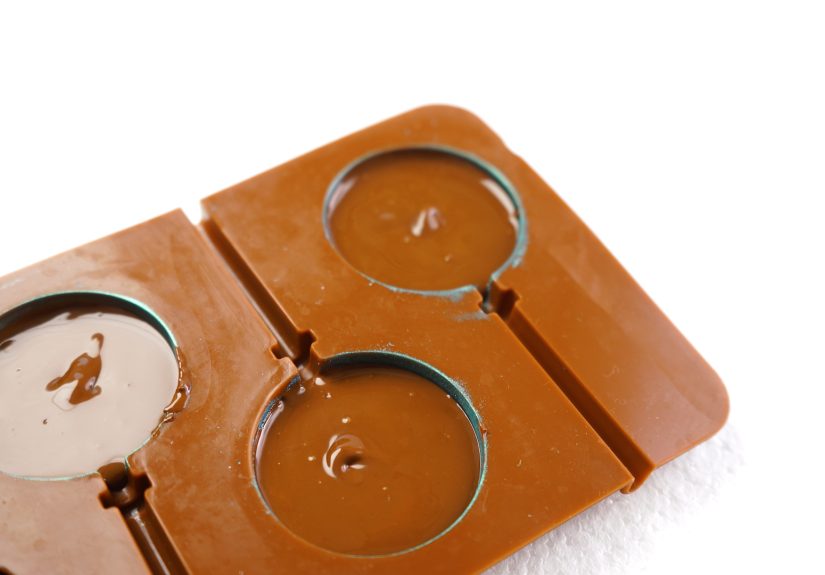
For molded chocolates, brush edible luster dust into clean, dry molds before pouring in tempered chocolate or candy coating. The dust transfers to the surface when the chocolates release. This method creates a smooth, professional look with very little mess.
Cake Pops and Candy Melts
Cake pops coated in candy melts are excellent candidates for luster dust. Let the coating harden fully, then dry brush or paint. If the coating is thick or uneven, warm it properly next time and thin it with a candy-compatible thinning aid rather than water.
Common Mistakes to Avoid
Using Non-Edible Dust
This is the biggest mistake. If the product does not clearly say it is edible, do not put it directly on chocolate meant to be eaten. Decorative-only products belong on removable toppers, not on bite-sized sweets.
Adding Too Much Liquid
Too much liquid turns luster dust into a thin wash that streaks across chocolate. Start with a tiny amount and build slowly. A paste-like paint gives better control than a runny mixture.
Decorating Cold Chocolate
Cold chocolate can develop condensation when moved into a warmer room. That moisture can make luster dust smear, clump, or fade. Let chilled chocolates warm gradually before decorating.
Touching the Finished Surface
Metallic finishes show fingerprints quickly. Use gloves, hold pieces from the bottom, or move chocolates with small tongs. Your future photos will thank you.
Pro Tips for a Better Shine
Use a brush size that matches the job. A fluffy brush is great for shimmer over a broad surface, while a fine brush is better for lines, lettering, and edges. Keep separate brushes for dark and light colors so your pearl dust does not accidentally become “mystery beige.”
Pair the dust color with the chocolate base. Gold looks rich on dark chocolate, silver looks crisp on white chocolate, and copper or bronze can warm up milk chocolate beautifully. For very bright metallic finishes, consider painting white chocolate or a light-colored candy coating first.
Work in thin layers. Whether you are dry brushing or painting, thin coats look smoother and more professional. Heavy coats often create texture, streaks, or dull patches. Patience is cheaper than redoing the whole batch.
My Experience Decorating Chocolate with Luster Dust
The first time I tried putting luster dust on chocolate, I assumed the process would be simple: open jar, wave brush, become dessert wizard. Reality had other plans. I dipped a brush directly into gold dust, attacked a dark chocolate truffle with confidence, and ended up with one shiny corner, two dull patches, and a fingerprint so clear it could have been used in a detective show.
What I learned quickly is that chocolate has opinions. Because of its fat content, it does not grab powder the same way fondant or dried royal icing does. A dry brush can create a beautiful shimmer, but only if the chocolate is fully set, dry, and handled gently. The moment the surface gets warm from your fingers, the dust may smear instead of buff. Gloves are not just for professionals; they are for anyone who wants their bonbons to look less like they were hugged too aggressively.
My best results came from combining two methods. First, I mixed edible gold luster dust with a few drops of clear alcohol until it looked like smooth paint. I brushed on a thin layer, let it dry briefly, then polished the surface with dry dust. That final buff made the color look richer and more dimensional. The difference was obvious. Plain dry dust looked pretty; paint plus dry dust looked like the chocolate had received a formal invitation to a gala.
I also learned not to decorate straight from the refrigerator. Cold chocolate may look firm and ready, but once it hits warm kitchen air, condensation can appear. The luster dust then sticks in strange patches, and the shine becomes cloudy. Now I let chilled chocolates sit in a closed container until they reach room temperature. It feels fussy, but it prevents a lot of drama.
Another useful lesson: test colors before committing. Gold dust on white chocolate can look bright and elegant, while the same gold on dark chocolate may appear antique or bronze. Rose gold can look stunning on milk chocolate, but too much can turn muddy. Pearl dust on white chocolate gives a soft bridal glow, while silver creates a cooler, modern finish. One test piece saves an entire tray from becoming “experimental art.”
For beginners, I recommend starting with cake pops, chocolate-covered pretzels, or simple molded chocolates. They are easier to hold and less intimidating than delicate bonbons. Use parchment paper, keep your brush dry unless you are making paint, and tap off extra powder before touching the chocolate. Excess dust does not make the dessert look more expensive; it usually just makes it look dusty.
The biggest practical tip is to stop before you think you are finished. Luster dust builds slowly, and it is tempting to keep adding more. But shimmer works best when it catches light, not when it covers every inch like metallic wallpaper. A little restraint gives chocolate that polished, bakery-style look. And if one piece turns out strange? Congratulations, that is the chef’s sample. Quality control is a serious responsibility.
Conclusion
Putting luster dust on chocolate is one of the easiest ways to turn simple sweets into elegant, gift-worthy treats. The key is to use edible luster dust, start with dry and room-temperature chocolate, and choose the right method for your project. Dry brushing gives a soft shimmer, wet painting creates bold metallic color, and mold dusting delivers a smooth professional finish.
Work in thin layers, keep moisture under control, and test before decorating a full batch. With a little practice, you can create gold truffles, pearl cake pops, shimmering strawberries, and molded chocolates that look like they came from a high-end candy shop. Best of all, the technique is beginner-friendly. Your chocolate does not need to be perfect; it just needs the right sparkle and a little patience.