Table of Contents >> Show >> Hide
- What to Do Immediately After a Hedgehog Bite
- Why Hedgehogs Bite in the First Place
- How to Treat a Minor Hedgehog Bite at Home
- When to See a Doctor After a Hedgehog Bite
- Don’t Forget the Germ Side of the Story
- What Not to Do When Your Hedgehog Bites You
- How to Prevent Future Hedgehog Bites
- Can a Hedgehog Bite Mean Your Pet Is Aggressive?
- Conclusion
- Experiences Owners Often Have After a Hedgehog Bite
- SEO Tags
Getting bitten by your hedgehog is one of those pet-owner moments that feels both dramatic and a little ridiculous. One second you are offering love, snacks, and a spotless habitat. The next second your tiny spiky roommate has decided your finger is suspicious. Rude? Maybe. The end of your bond? Absolutely not.
If your hedgehog bites you, the best response is calm, quick, and practical. Clean the wound, avoid overreacting, and figure out why the bite happened in the first place. Most pet hedgehog bites are defensive, startled, or mistaken-identity nips rather than signs of a “mean” pet. In other words, your hedgehog is usually confused, scared, overstimulated, or convinced your hand smells like dinner.
This guide walks through exactly how to react when your hedgehog bites you, how to treat a minor bite at home, when to seek medical care, and how to reduce the odds of a repeat performance. If you want the short version: don’t punish the hedgehog, don’t panic, and do wash that bite like you mean it.
What to Do Immediately After a Hedgehog Bite
1. Stay calm and avoid the dramatic hand-fling
Your first instinct may be to yank your hand away like you touched a live wire. Try not to. A sudden jerk can scare your hedgehog more, make the bite feel worse, and increase the chance that you drop your pet. Hedgehogs are small, fragile animals. Your dignity can recover from a surprise bite. Your hedgehog does not need to become airborne.
Take a breath. Lower your hand if possible. If your hedgehog is still attached for a second longer than you would prefer, resist the urge to pull hard. The goal is to safely end the interaction, not escalate it into a tiny wrestling match.
2. Set your hedgehog down safely
Once the bite stops, place your hedgehog back into a safe, flat area such as the enclosure, a playpen, or a secure blanket-lined surface. Give them a moment to decompress. A frightened hedgehog may huff, ball up, or stay defensive for a while. That does not mean your pet hates you. It usually means your hedgehog wants space and is not in the mood for a social call.
3. Wash the bite right away
This is the part that matters most. Wash the wound with soap and running water as soon as possible. If the bite broke the skin, rinse well and clean the area thoroughly. Animal bites and puncture wounds can get infected more easily than people expect, especially when the skin has been punctured rather than scraped.
If the wound is lightly bleeding, apply gentle pressure with a clean cloth or sterile gauze. Once it is clean, apply a thin layer of antibiotic ointment if appropriate for your skin and cover it with a clean bandage.
4. Check how serious the wound is
Most hedgehog bites are minor, but minor does not mean “ignore it and hope for the best.” Look at the wound closely. Ask yourself:
- Did it barely break the skin, or is it a deeper puncture?
- Is the bleeding already slowing down?
- Is the bite on your finger, hand, face, or near a joint?
- Is there dirt, bedding, or debris in the wound?
Hands are busy, bacteria-friendly real estate. If the bite is deeper than a superficial nip, medical advice is worth considering sooner rather than later.
Why Hedgehogs Bite in the First Place
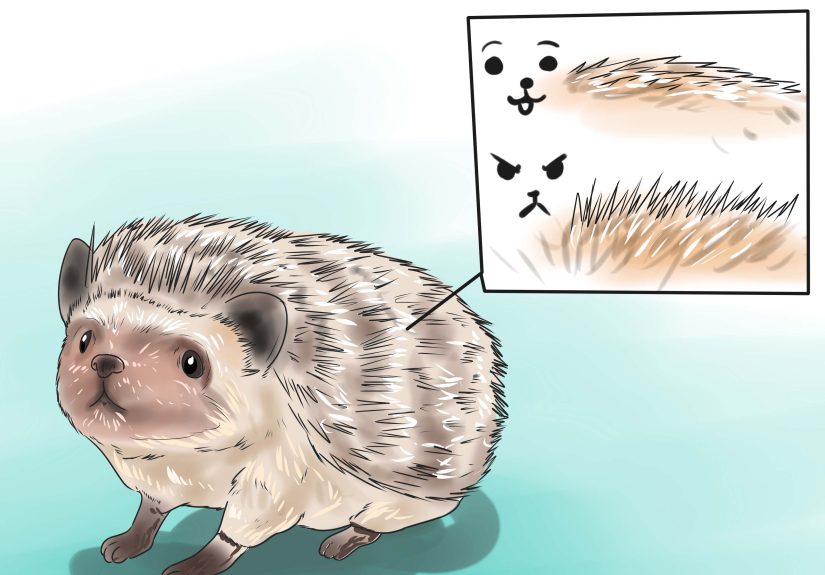
If you want to prevent a second bite, you need to understand the first one. Hedgehogs are not naturally cuddly in the same way dogs and cats can be. They are prey animals, mostly nocturnal, and often suspicious of large creatures with grabby hands. From their perspective, your five giant fingers may look less like affection and more like a badly planned invasion.
Startled or woken up
Hedgehogs are nighttime animals. If you wake them during the day, especially by reaching into their sleeping area, they may react defensively. A sleepy hedgehog is not a polite hedgehog. Many bites happen simply because the animal was disturbed during its preferred sleeping hours.
Scared by fast handling
Quick movements, loud sounds, unfamiliar people, and clumsy grabbing can all trigger defensive behavior. Hedgehogs often ball up, hiss, or huff before they feel safe enough to relax. If you rush the process, a bite may be the hedgehog’s way of saying, “Please schedule this meeting for later.”
Your hand smells interesting
Hedgehogs explore the world heavily through smell and taste. If your fingers smell like food, treats, another animal, lotion, or something unfamiliar, your pet may investigate with a lick and then a bite. Sometimes it is not aggression at all. It is an unfortunate case of culinary confusion.
Stress, pain, or illness
A hedgehog that suddenly becomes more reactive than usual may be stressed, uncomfortable, or sick. If biting is new behavior, or if it happens alongside lethargy, quill loss, reduced appetite, discharge, limping, or unusual stool, it is smart to call an exotic-animal veterinarian. Behavior changes can be a medical clue, not just a personality twist.
Limited socialization
Young hedgehogs and well-handled hedgehogs usually become more tolerant over time. A hedgehog that has not been handled consistently may stay shy and defensive. Trust with these animals is built slowly. The keyword is slowly. Hedgehogs do not appreciate surprise trust exercises.
How to Treat a Minor Hedgehog Bite at Home
If the bite is shallow and you do not see warning signs, home care may be enough. Keep the wound clean and dry. Change the bandage daily or any time it becomes wet or dirty. Watch the area over the next 24 to 72 hours.
Signs that a bite may be getting infected include increasing redness, swelling, warmth, worsening pain, pus, red streaks, or fever. If any of those show up, contact a healthcare professional. Animal bites can look small on the surface but still become infected.
It is also a good idea to think about your tetanus status. If your tetanus shot is out of date and the bite broke the skin, ask a healthcare provider whether you need a booster. That is especially important with puncture-type wounds.
When to See a Doctor After a Hedgehog Bite
You should seek medical care if:
- The bite is deep, heavily bleeding, or will not stop bleeding with pressure.
- The wound is on your face, hand, or near a joint and looks more than superficial.
- You cannot clean the wound well.
- You notice redness spreading, swelling, fever, drainage, or severe pain.
- You have diabetes, a weakened immune system, or another condition that raises infection risk.
- You are unsure whether your tetanus vaccine is current.
Also, if the bite came from a wild hedgehog rather than a pet, do not treat it as a casual pet nip. Wildlife injuries are a different category and deserve more careful medical and public-health guidance.
Don’t Forget the Germ Side of the Story
Here is the not-so-cute part: hedgehogs can carry germs such as Salmonella even when they look healthy and perfectly adorable. That means a bite is not the only concern. Their bodies, quills, droppings, bedding, wheel, bowls, and habitat can all spread germs if hygiene is poor.
That is why hand-washing matters before and after handling your hedgehog. Yes, before and after. Before helps reduce confusing smells and protects your pet from residues on your skin. After helps protect you from germs your hedgehog may carry without showing any signs of illness.
Children younger than five, older adults, pregnant people, and people with weakened immune systems should be especially careful around hedgehogs and their habitats. In those households, hygiene rules should be strict, not optional.
What Not to Do When Your Hedgehog Bites You
Don’t yell, tap, flick, or punish
Punishment does not teach a hedgehog not to bite. It teaches your hedgehog that handling is scary. That makes future bites more likely, not less likely. Save the lecture for people who leave dishes in the sink.
Don’t immediately force another handling session
After a bite, some owners try to “show who’s boss” by picking the hedgehog up again right away. Bad plan. Give both of you a minute. Restart later, calmly and gently, when the hedgehog is not in defense mode and you are no longer silently offended.
Don’t ignore a broken-skin bite
Even a small puncture should be cleaned and monitored. Tiny wounds can still become infected. “It’s just a little bite” has launched many unnecessary pharmacy runs.
How to Prevent Future Hedgehog Bites
Handle your hedgehog during the right hours
Aim for evening or other times when your hedgehog is naturally awake. Trying to socialize a hedgehog during prime nap hours is like asking a grumpy roommate to host brunch at 5 a.m. The mood is unlikely to be excellent.
Approach slowly and consistently
Let your hedgehog smell you first. Use calm movements. Scoop gently rather than grabbing from above. Consistent, low-stress handling helps shy hedgehogs learn that you are not a predator, just an unusually large snack dispenser.
Wash your hands first
If your hand smells like mealworms, fruit, or last night’s chicken, your hedgehog may investigate with its mouth. Soap and water can reduce the odds that your fingers are mistaken for a tasting menu.
Use a small towel if needed
If your hedgehog is extra shy, a small towel can help you lift and support them more comfortably while avoiding painful quill pokes. This can make you calmer too, which is helpful because nervous handling tends to create nervous hedgehogs.
Keep up with habitat cleanliness and veterinary care
A clean enclosure, fresh water, proper temperature, regular enrichment, and routine exotic-vet checkups all support a healthier, less stressed animal. A hedgehog that feels well and lives in a stable environment is more likely to tolerate handling.
Can a Hedgehog Bite Mean Your Pet Is Aggressive?
Usually, no. Most pet hedgehogs are not aggressive in a true, ongoing sense. They are cautious, easily startled, and very opinionated about timing, smell, and personal space. A bite often reflects fear, confusion, or poor handling conditions rather than a bad temperament.
That said, patterns matter. If your hedgehog bites frequently, seems uncomfortable, or becomes more reactive than usual, it is worth reviewing husbandry, stress triggers, and possible medical issues. Sometimes the best behavior fix is not a “training hack.” It is a warmer enclosure, gentler handling, better timing, or a vet visit.
Conclusion
When your hedgehog bites you, the smartest response is calm care and curious observation. Clean the wound, watch for infection, and avoid punishing the animal. Then zoom out and ask what caused the bite: Was your pet startled? Asleep? Frightened? Tempted by a food smell on your hand? Feeling unwell?
Reacting well to a hedgehog bite is really about two things: protecting your health and improving your pet’s sense of safety. Do both consistently, and one bite does not have to become a pattern. In many homes, it turns into nothing more than a memorable story that begins with, “So apparently, my finger smelled delicious.”
Experiences Owners Often Have After a Hedgehog Bite
Many first-time hedgehog owners describe the same emotional sequence after a bite. First comes shock. Then comes offense. Then comes the slightly embarrassed realization that the “attack” came from a creature smaller than a potato. What matters most is what they learn next: hedgehog bites are often more about context than character.
A common experience happens during daytime handling. An owner lifts the sleep sack, sees a sleepy little face, and thinks, “Now is the perfect time for bonding.” The hedgehog disagrees immediately. The bite is quick, the owner feels betrayed, and both parties end the interaction annoyed. Later, the owner tries again in the evening, moves more slowly, and gets a completely different response. Same hedgehog, better timing, fewer teeth.
Another frequent story involves food smells. Someone handles mealworms, washes their hands too casually, and then offers a finger to sniff. The hedgehog investigates with great enthusiasm and poor judgment. The owner often says the bite seemed less like aggression and more like a confused taste test. After that, hand-washing becomes less of a suggestion and more of a sacred ritual.
Owners also learn that fear travels both ways. After one bite, people can become tense, hesitant, and overly cautious. Hedgehogs notice that. A nervous hand feels different from a confident, gentle one. Some owners say their handling improved only after they stopped anticipating disaster every time they reached into the enclosure. Once they slowed down, used a towel, and stopped hovering like a suspicious helicopter parent, the hedgehog relaxed too.
There are also experiences that point to health issues. Some owners notice a hedgehog who was previously tolerant becoming unusually cranky, withdrawn, or bite-prone. At first, they assume the pet is “in a mood.” Later, a veterinary exam reveals discomfort, poor body condition, a husbandry issue, or illness. That is why behavior changes should never be brushed off too quickly. Sometimes a bite is not an attitude problem. It is communication.
Long-term hedgehog owners often say the biggest lesson is not “How do I stop all biting forever?” but “How do I read my hedgehog better?” They start noticing patterns: huffing before handling, balling up when startled, relaxing more in dim light, or becoming curious after hearing a familiar voice. The bite becomes a turning point that teaches them to pay attention to body language, routine, and trust-building.
In the end, many owners remember the first bite as an initiation into realistic hedgehog care. Not a failure. Not a disaster. Just a very sharp reminder that these pets are quirky, sensitive, and not plush toys with legs. Once owners respect that, the relationship usually gets easier, calmer, and much more rewarding.