Table of Contents >> Show >> Hide
- Before You Start: A Reality Check (and a Little Compassion)
- The 15 Steps to Spot Signs of Cocaine Use
- Step 1: Compare to Their Normal Baseline
- Step 2: Watch for “Too Up” Energy That Doesn’t Fit the Moment
- Step 3: Check the EyesEspecially Persistent Dilated Pupils
- Step 4: Notice Nasal Clues: Runny Nose, Sniffing, Nosebleeds
- Step 5: Look for Powder Residue or Odd “Dusty” Items
- Step 6: Pay Attention to Appetite Changes and Unexplained Weight Loss
- Step 7: Track Sleep Weirdness: Insomnia, Late Nights, “Wired” at 3 A.M.
- Step 8: Notice Mood Swings, Irritability, Anxiety, or Paranoia
- Step 9: Watch for Risky Decisions That Feel Out of Character
- Step 10: Look for “Crash” Patterns After the High
- Step 11: Check for Secretive Behavior and Vanishing Time
- Step 12: Notice Money Problems That Don’t Add Up
- Step 13: Watch for Paraphernalia (and “Random Objects” That Aren’t Random)
- Step 14: Note Route-Specific Clues (Snorting vs. Smoking vs. Injecting)
- Step 15: Focus on FunctionIs Life Starting to Fall Apart?
- What Cocaine Intoxication Can Look Like in Real Life
- Red-Flag Emergencies: When to Call 911 Immediately
- How to Talk to Someone You’re Worried About (Without Making It Worse)
- What To Do Next: Practical Help That Actually Helps
- FAQ: Quick Answers to Common Questions
- Bonus: Real-World Experiences and Patterns People Notice (500+ Words)
- Conclusion
Cocaine is one of those drugs that can make someone look like they just drank five energy drinks, won the lottery, and got chased by a ghost… all in the same hour.
It’s a powerful stimulant, and the signs can show up in the body, mood, and day-to-day life in ways that are noticeableif you know what you’re looking for.
This guide walks you through 15 practical steps to spot possible signs of cocaine use with a calm head and a kind heart.
The goal isn’t to play detective or hand out diagnoses. The goal is safety, clarity, and knowing what to do next.
Before You Start: A Reality Check (and a Little Compassion)
One sign alone rarely means cocaine use. Allergies can cause a runny nose. Stress can cause insomnia. A new gym routine can cause weight loss.
The strongest clues usually come from patterns: multiple signs showing up together, repeatedly, especially alongside big behavior changes.
- Don’t diagnose. You can observe and respond without slapping a label on someone.
- Think “pattern + impact.” Are the signs recurring, and are they causing real problems (health, work, relationships, money)?
- Safety first. If you suspect overdose or medical danger, skip the debate and call emergency services.
The 15 Steps to Spot Signs of Cocaine Use
Step 1: Compare to Their Normal Baseline
Start with the simplest question: Is this typical for them?
A naturally high-energy, talkative person is different from someone who suddenly becomes a human espresso shot. Big shifts from their usual personality,
routines, or self-care are often the earliest hint that something’s off.
Step 2: Watch for “Too Up” Energy That Doesn’t Fit the Moment
Cocaine can cause bursts of energy, alertness, and talkativeness that feel out of proportionlike they’re “performing” enthusiasm.
You might see nonstop pacing, rapid speech, restlessness, or an inability to sit still (even during calm situations).
Step 3: Check the EyesEspecially Persistent Dilated Pupils
Dilated pupils (larger-than-usual pupils) and bloodshot eyes are commonly reported with stimulant intoxication.
The key word is persistentespecially when lighting conditions don’t explain it.
Step 4: Notice Nasal Clues: Runny Nose, Sniffing, Nosebleeds
Frequent sniffing, a chronic runny/stuffy nose without a cold, or recurring nosebleeds can be a signparticularly if it comes and goes in a suspicious pattern.
Over time, snorting can irritate and damage the nose and sinuses. If their “allergies” only show up on weekends (or paydays), that’s worth noticing.
Step 5: Look for Powder Residue or Odd “Dusty” Items
White powder residue around nostrils, on clothing, on countertops, or on personal items can be a clue.
This isn’t a courtroom dramano need for a magnifying glassbut obvious residue plus other symptoms may matter.
(Pro tip: most adults do not routinely accessorize with “mystery powder.”)
Step 6: Pay Attention to Appetite Changes and Unexplained Weight Loss
Stimulants often reduce appetite. If someone is suddenly skipping meals, “forgetting to eat,” or losing weight without a clear reason,
it can be one piece of the larger puzzleespecially alongside sleep changes, agitation, or secrecy.
Step 7: Track Sleep Weirdness: Insomnia, Late Nights, “Wired” at 3 A.M.
Cocaine use can disrupt sleep. Signs include staying up unusually late, sleeping far less, or looking exhausted but still “amped.”
Some people swing between long awake stretches and then crashing hard later.
Step 8: Notice Mood Swings, Irritability, Anxiety, or Paranoia
Mood can change fast: confident and energized one moment, edgy or angry the next. Anxiety, paranoia, and agitation can also appear,
particularly at higher doses or with repeated use. If someone seems unusually suspicious (“Who moved my keys?” becomes “WHO MOVED MY KEYS AND WHY?”),
take the change seriously.
Step 9: Watch for Risky Decisions That Feel Out of Character
Cocaine can lower inhibitions and increase risk-taking. You may see reckless spending, unsafe driving, impulsive sex, gambling, picking fights,
or bold “business plans” that begin and end in the same conversation.
Step 10: Look for “Crash” Patterns After the High
A common cycle is “up” followed by a crash: fatigue, depression, irritability, and low motivation.
If someone repeatedly alternates between being unusually wired and then unusually down, that rhythm is worth paying attention to.
Step 11: Check for Secretive Behavior and Vanishing Time
People often hide substance use. Signs can include disappearing for long bathroom breaks, frequent “quick errands,” locked doors,
new privacy habits (especially around phones), and defensiveness when asked simple questions.
Secrecy isn’t proofbut secrecy plus other signs can be meaningful.
Step 12: Notice Money Problems That Don’t Add Up
Cocaine can be expensive, and use can lead to financial chaos. Watch for unexplained borrowing, missing cash, sudden debt, selling belongings,
or constant “I’m just short this week” stories. When money stress appears alongside physical and behavioral signs, it raises the odds.
Step 13: Watch for Paraphernalia (and “Random Objects” That Aren’t Random)
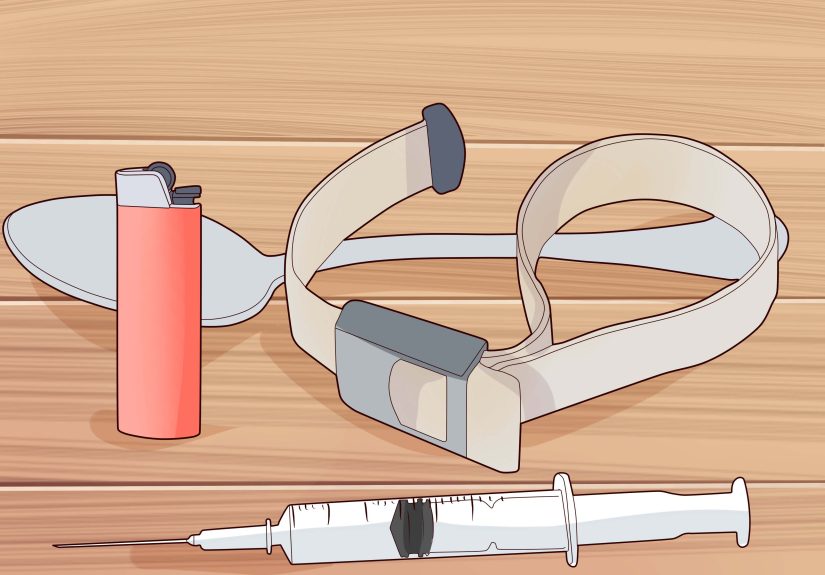
People may use everyday objects in unusual ways. Items commonly associated with cocaine use include rolled bills or straws,
small baggies, razor blades, tiny spoons, small mirrors, or burnt pipes (more often associated with smoking crack cocaine).
One object alone proves nothingcontext matters.
Step 14: Note Route-Specific Clues (Snorting vs. Smoking vs. Injecting)
Different routes can leave different footprints:
- Snorting: chronic sniffing, nosebleeds, loss of smell, nasal irritation.
- Smoking (including crack cocaine): burnt lips/fingers, persistent cough, breathing complaints.
- Injecting: track marks, frequent infections, hidden syringes, long sleeves in hot weather.
If you’re seeing route-specific clues, treat the situation as higher riskespecially for overdose and infectious disease complications.
Step 15: Focus on FunctionIs Life Starting to Fall Apart?
This is the big one. Signs of cocaine addiction (clinically, cocaine use disorder) often show up as life impact:
missed work or school, declining performance, relationship conflict, legal trouble, worsening mental health, and repeated failed attempts to stop.
When substance use begins driving choiceseven when it harms themthat’s a strong indicator something serious is happening.
What Cocaine Intoxication Can Look Like in Real Life
“Intoxication” isn’t just “someone is high.” It can involve body-wide symptoms like agitation, tremors, confusion, sweating, nausea,
elevated heart rate and blood pressure, and pupils that stay dilated.
Some people become unusually talkative and restless; others become anxious, suspicious, or aggressive.
Red-Flag Emergencies: When to Call 911 Immediately
If you suspect a medical emergency, don’t wait for certainty. Call 911 (or your local emergency number) if someone has:
- Chest pain, severe headache, weakness, or trouble speaking (possible heart attack or stroke)
- Seizures, collapse, or loss of awareness
- Severe agitation, confusion, delirium, or hallucinations with danger to self/others
- Very high fever, profuse sweating, or signs of overheating
- Difficulty breathing
One more important note: street drugs can be contaminated or mixed with other substances, including synthetic opioids.
If someone is unusually sleepy, has slowed breathing, or is hard to wake, treat it as an emergency even if you suspect cocaine.
How to Talk to Someone You’re Worried About (Without Making It Worse)
If your approach feels like an interrogation, you’ll usually get a shutdown. A calmer, more effective approach looks like this:
- Pick a quiet time when they’re sober and not in a rush.
- Use specific observations (“You’ve had three nosebleeds this week and haven’t slept much”) instead of labels (“You’re on cocaine”).
- Use “I” statements (“I’m worried about your health”) instead of accusations (“You’re ruining everything”).
- Offer support with boundaries (“I’ll help you find care, but I can’t cover your bills”).
- Expect denial and stay steady. Your job is to open a door, not win a debate.
What To Do Next: Practical Help That Actually Helps
If you’re seeing multiple warning signs, consider these next steps:
- Encourage a medical check-in (especially if there are heart symptoms, nose damage, panic, or severe depression).
- Talk to an addiction professional about how to approach the situation safely.
- Use credible support resources to find treatment options in your area.
- If there’s crisis-level depression or suicidal talk, contact crisis support immediately.
Treatment commonly focuses on evidence-based behavioral approaches (like cognitive behavioral therapy and contingency management),
along with support groups and mental health careespecially because stimulant withdrawal can come with significant depression and fatigue.
FAQ: Quick Answers to Common Questions
Can you tell for sure just by looking?
Not reliably. Many signs overlap with stress, anxiety disorders, ADHD medication misuse, sleep deprivation, or medical issues.
Strong suspicion usually comes from a cluster of signs plus repeated life impact.
What’s the difference between “use” and “addiction”?
“Use” means someone has taken the substance. Cocaine use disorder involves loss of control, cravings, tolerance,
withdrawal, and continued use despite harm. The difference often shows up in function: work, relationships, health, and safety.
What if they get angry when I bring it up?
Stay calm and return to observable facts. If the conversation escalates or feels unsafe, pause and seek guidance from a professional.
Your safety matters, too.
Bonus: Real-World Experiences and Patterns People Notice (500+ Words)
People usually don’t wake up and announce, “Good morning! Today I’m going to develop a substance use problem.” It tends to show up in little shifts first
the kind that are easy to explain away. Families, friends, and coworkers often describe a slow accumulation of “Huh… that’s weird” moments.
One common pattern is the social spark. Someone who used to be steady and predictable becomes intensely charismatic for short burstssuper talkative,
laser-confident, and oddly charming at exactly the moments you’d expect them to be tired. Plans multiply. Ideas explode. They might suddenly want to reorganize the entire
garage at midnight or pitch a grand business concept during a casual Tuesday lunch. At first, it can look like a productivity glow-up. Then the glow-up starts skipping
important stepslike sleep, meals, and common sense.
Another pattern people mention is the bathroom marathon. Frequent, lengthy bathroom breaks. Repeated “quick calls” outside.
Disappearing at gatherings and returning noticeably differentmore intense, more restless, more irritable, or oddly sweaty.
It’s not the bathroom itself that’s suspicious (hydrate and do your thing), it’s the consistent before-and-after shift.
Then there’s the nose saga. Loved ones often recall thinking, “Why are they always sniffing?” or “How do you get nosebleeds this often?”
Sometimes there’s a trail of tissues, nasal sprays, or excuses about allergies that don’t quite match the calendar. People may also notice
a voice changehoarseness, throat irritationor frequent “sinus infections” that seem to come and go with certain social scenes.
Many people describe the two-person effect: the “up” version and the “crash” version. The “up” version may be fast-talking, restless,
impatient, and confident to the point of being argumentative. The “crash” version may be foggy, withdrawn, exhausted, and deeply down.
Friends sometimes mistake the crash for “burnout” or depression aloneuntil they see the cycle repeat. That cycling can be emotionally whiplash-y for everyone nearby.
Financial and relationship ripples often follow. Partners notice missing money, unexplained expenses, or sudden secrecy around spending.
Coworkers notice lateness, mood volatility, or performance that swings from “brilliant” to “unreliable” without warning.
Parents notice new friends who never come inside, new defensiveness about privacy, or a sudden drop in school engagement.
And across all these settings, people often share the same feeling: “I’m not sure what it is, but something is changingand it’s not in a good direction.”
If you recognize these patterns, remember: you don’t need 100% certainty to respond with care. Start with safety, focus on observed changes,
and aim for support plus boundaries. The most helpful “experience-based” takeaway is also the simplest: trust the pattern, not the excuse of the day.
When the same strange things keep happening, it’s time to stop normalizing themand start getting help involved.
Conclusion
Spotting the signs of cocaine use isn’t about catching someoneit’s about protecting someone. The clearest signals usually show up as clusters:
physical changes (eyes, nose, sleep, appetite), behavioral shifts (secrecy, risk-taking), emotional volatility (irritability, paranoia), and real-world fallout
(work, relationships, money, health).
If you’re worried, lead with compassion and specifics, not accusations. And if there’s any sign of overdose or medical danger, treat it as urgent.
The best “step” you can take is often the simplest one: connect the person to real support.