Table of Contents >> Show >> Hide
- What Makes a Canning Recipe Safe?
- 10 Best and Safest Canning Recipes for Beginners
- 9 Best and Safest Canning Recipes for Experienced Home Preservers
- How to Choose the Right Recipe for Your Skill Level
- Common Mistakes That Can Ruin a Good Batch
- Real-World Canning Experiences: What This Actually Feels Like
- Final Thoughts
- SEO Tags
If you have ever stared at a pile of peaches, a mountain of cucumbers, or a tomato harvest that looks like it is plotting against your countertop, canning starts to sound less like a hobby and more like a survival strategy. The good news is that home canning can be safe, practical, and wildly satisfying. The even better news is that you do not need to begin with a bubbling cauldron of mystery stew and a family recipe written in pencil in 1978. You can start with tested, smart, beginner-friendly recipes and work your way up to the projects that make seasoned canners grin like they just won the pantry lottery.
This guide rounds up the best and safest canning recipes for both beginners and experienced home preservers. The focus here is not on random internet experiments or “close enough” kitchen bravery. It is on recipe types that are widely recommended in modern, research-based home food preservation guidance: high-acid jams, fruit preserves, pickles, acidified tomato products, and carefully pressure-canned low-acid foods. In other words, this is the list for people who want delicious jars on the shelf without turning their kitchen into a science fair gone wrong.
What Makes a Canning Recipe Safe?
Before we get to the stars of the pantry, let’s make one thing crystal clear: safe canning depends on using a tested recipe, the correct canning method, proper acidity, the right jar size, and altitude-adjusted processing. That means water bath canning is for high-acid foods like fruits, jams, jellies, pickles, and properly acidified tomatoes and salsa. Pressure canning is for low-acid foods like plain vegetables, meat, poultry, and stock. This is not the moment for freestyle jazz. This is the moment for sheet music.
For newbies, that means starting with recipes that are naturally forgiving and high in acid. For experienced canners, it means recognizing that skill does not replace science. Confidence is great. Confidence plus a tested process is better. Also, if an old recipe tells you to just pour hot food into a jar, slap on a lid, and admire the pop, that recipe should retire with dignity.
10 Best and Safest Canning Recipes for Beginners
1. Strawberry Jam
Strawberry jam is the gateway jar for a reason. It is bright, familiar, high-acid, and deeply rewarding when you hear that first seal. It teaches beginners how to work with headspace, skim foam, and process jars without the pressure-canner learning curve. The flavor payoff is huge, and a tested pectin-based recipe is one of the safest places to begin.
2. Blueberry Jam
Blueberry jam is another smart starting point because it is flavorful, dependable, and a little less fussy than some delicate jellies. It is perfect for beginners who want something that feels homemade in the best possible way, not homemade in the “why is this glowing” way. Spread it on toast, swirl it into yogurt, or spoon it over pancakes and act like you own a charming breakfast inn.
3. Applesauce
Applesauce is beginner gold. It is simple, flexible in sweetness, and forgiving in texture. You can keep it chunky, make it silky, or season it with cinnamon if the tested recipe allows. It is also one of the easiest ways to preserve a large apple haul without spending your entire weekend peeling fruit for decorative effect.
4. Apple Butter
If applesauce is the easygoing cousin, apple butter is the deeper, moodier relative with better stories. A tested apple butter recipe gives you concentrated flavor, a velvety texture, and the scent of fall taking over your kitchen in the most dramatic way possible. It is a great confidence-builder because it feels fancy while staying beginner accessible.
5. Peach Halves in Light Syrup or Juice
Peaches are one of the best fruit-canning projects for new home preservers. They look gorgeous in the jar, taste like summer even in January, and help beginners learn the basics of peeling, packing, and preserving fruit quality. When done with a tested recipe, canned peaches are simple, classic, and endlessly useful for desserts, breakfasts, and emergency comfort food.
6. Pears in Juice
Pears are underrated pantry heroes. They hold texture well, taste elegant without trying too hard, and make an excellent beginner project for anyone who wants canned fruit that feels a little less obvious than peaches. Packed in juice, they are light, clean-tasting, and easy to use in oatmeal, baking, or straight-from-the-jar snacking.
7. Grape Jelly
Grape jelly is a classic for canners who want that glossy, jewel-toned pantry look. It is a smart entry point into jelly-making because the result feels polished and nostalgic at the same time. If jam is rustic and charming, jelly is its tidier cousin who labels everything and somehow always knows where the good bread is.
8. Dill Pickles
Dill pickles are one of the best first savory canning recipes because they teach the importance of brine balance, vinegar strength, and not tampering with acid levels. A tested quick-process dill pickle recipe is crisp, tangy, and vastly more exciting than store-bought spears that taste like they gave up on life halfway through the jar.
9. Bread-and-Butter Pickles
For people who like a sweeter pickle with crunch and personality, bread-and-butter pickles are a fantastic beginner project. They are excellent on burgers, sandwiches, charcuterie boards, and any meal that needs a bright, sweet-tart spark. They also make excellent gifts, assuming you can bear to part with them.
10. Pickled Okra
Pickled okra deserves more love. It is crisp, punchy, and ideal for people who want a pickle that tastes like it has opinions. It is also a nice beginner expansion project once you have done cucumber pickles and want to try another safely acidified vegetable. Bonus: it looks great in a jar, and yes, pantry glamour is real.
9 Best and Safest Canning Recipes for Experienced Home Preservers
11. Crushed Tomatoes
Tomatoes are where canning gets serious. They are more variable in acidity than many people realize, which is why properly acidified, tested tomato recipes matter so much. Crushed tomatoes are one of the best advanced staples because they become the base for soups, sauces, casseroles, and weeknight dinners that make you feel like future-you is a genius.
12. Standard Tomato Sauce
A safe, tested tomato sauce recipe is pantry gold. It is smoother, more concentrated, and wildly useful, but it also demands attention to acidification and process. This is a great project for canners who already understand the rhythm of prep, hot packing, clean rims, and not improvising with onions, meat, butter, or mystery ingredients.
13. Tested Salsa
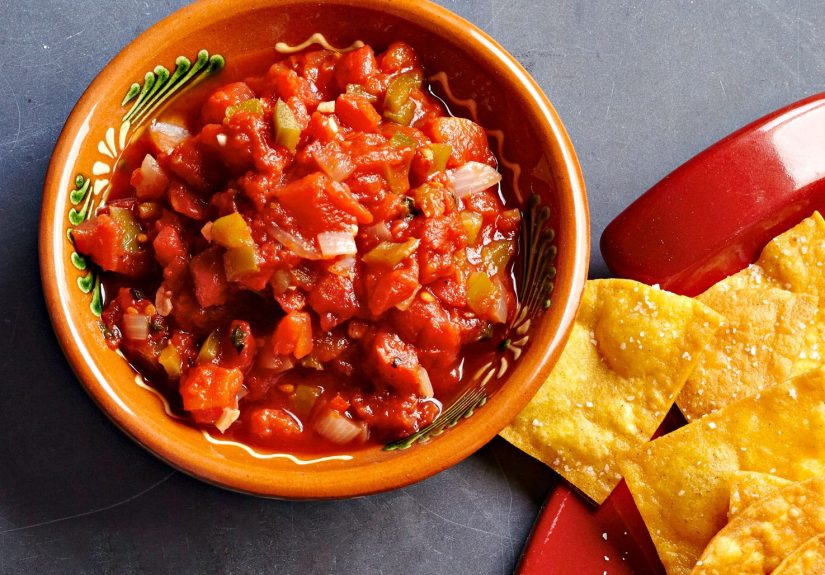
Salsa is beloved, but it is not the place to get creative with acid and low-acid vegetable ratios. That is exactly why a tested salsa recipe belongs on this list. When done correctly, it delivers bright flavor, real shelf-stability, and a far better result than sad store salsa that tastes like someone whispered “tomato” near a jar of onion water.
14. Corn Relish
Corn relish gives experienced canners a fun, flavorful project with more ingredients and more personality than a simple pickle. It is sweet, tangy, and perfect alongside grilled meats, beans, sandwiches, or holiday leftovers. It feels special without requiring a pressure canner, which makes it a nice bridge between beginner and advanced territory.
15. Pickled Beets
Pickled beets are a classic for people who appreciate bold color and bold flavor. They take more prep than jam or applesauce, but the payoff is worth it. A properly tested pickled beet recipe gives you earthy sweetness, acidity, and jars that look like stained glass with a stronger work ethic.
16. Green Beans
Now we enter pressure-canning country. Green beans are one of the most common low-acid vegetables people preserve at home, and they are a solid project for experienced canners ready to follow exact pressure canning instructions. They are practical, versatile, and satisfying because they turn garden abundance into shelf-stable food you will genuinely use.
17. Carrots
Pressure-canned carrots are sweet, reliable, and surprisingly handy. They are excellent for soups, side dishes, stews, and quick dinners when the refrigerator looks emotionally unavailable. They are also a good example of why pressure canning matters: carrots are low-acid, so the correct temperature and process are essential for safety.
18. Chicken Stock
Chicken stock is one of the most useful advanced canning projects in the home pantry. It is the quiet superstar behind great soups, sauces, gravies, and braises. When safely pressure canned using a tested method, it saves money, reduces waste, and makes weeknight cooking feel a lot more capable. It is not flashy, but neither is a fire extinguisher, and both are wonderful to have around.
19. Chili Con Carne
This is advanced canning for people who understand that combination foods are not casual territory. A tested chili con carne recipe can be safely pressure canned, but only when the formula and process are followed exactly. The appeal is obvious: real convenience, rich flavor, and a ready-made meal on the shelf. The rule is also obvious: no creative freelancing, no thickening shortcuts, and no “I added a little extra because it felt right.” Feelings are not a processing method.
How to Choose the Right Recipe for Your Skill Level
If you are brand new, start with jams, jellies, applesauce, peaches, or pickles. These recipes help you learn the flow of canning without throwing pressure, low-acid safety, or complex density issues into the mix. They also build confidence fast. You get visible results, great flavor, and a solid understanding of how clean prep, good equipment, and proper processing work together.
If you already have a few successful batches under your belt, tomato products are the next logical step. They teach precision. A safe salsa or tomato sauce recipe is less about vibes and more about respecting acidity, ingredient ratios, and tested directions. Once you are comfortable with that discipline, pressure-canned vegetables and stock are the next level. They require more attention, but they reward you with serious pantry utility.
Common Mistakes That Can Ruin a Good Batch
The biggest mistakes are usually not dramatic. They are casual. Using an untested recipe. Swapping jar sizes without guidance. Skipping acid in tomatoes. Adding starch to a sauce. Forgetting altitude adjustments. Trying oven canning, open-kettle canning, or flipping jars upside down and calling it a process. These mistakes may feel small in the moment, but in canning, small changes can affect acidity, density, and heat penetration. That is exactly why the safest canning recipes are the ones that have already been tested.
The best habit you can build is this: let creativity happen when you open the jar, not when you process it. Add fresh herbs to the pasta, not the sealed tomato sauce unless the tested recipe includes them. Thicken the soup on the stove, not in the jar. Adjust heat at serving time, not by randomly doubling peppers in canned salsa. Your future self will still get delicious food, and your pantry will not be a gamble.
Real-World Canning Experiences: What This Actually Feels Like
Anyone who spends enough time canning eventually learns that the process is equal parts science, rhythm, and minor kitchen comedy. The first time you water-bath a batch of jam, it can feel absurdly ceremonial. You sterilize, simmer, wipe, lift, lower, wait, and then sit there listening for the lids to ping like the world’s tiniest applause. It is strangely thrilling. A jar sealing properly feels like a gold medal for following directions.
Beginners often start because they want to save fruit, reduce waste, or make a homemade gift that does not scream “I panic-bought this yesterday.” Then something unexpected happens: they start noticing the small satisfactions. The color of peach halves lined up in jars. The smell of vinegar, dill, and garlic when pickles are packed. The way applesauce turns a pile of ordinary fruit into something that tastes warmer, softer, and more generous than it did fresh. Canning has a way of making abundance feel organized instead of overwhelming.
Experienced canners usually tell you the same thing: the longer you do it, the less tempted you are to cut corners. At first, people think experience gives them permission to improvise. Usually, it gives them respect for the process instead. They have seen jars fail to seal. They have watched fruit float because it was raw-packed too casually. They have ended up with salsa that looked beautiful but taught them that pretty is not the same thing as properly acidified. Experience does not make the rules smaller. It makes their value more obvious.
There is also a practical kind of joy in opening a jar months later and realizing past-you was incredibly helpful. A shelf of canned peaches in winter feels luxurious. A jar of tomato sauce on a busy Tuesday feels like a rescue plan. Pressure-canned stock can turn leftovers into dinner with almost no effort. Even a humble jar of pickled beets or relish can make a simple meal feel intentional. Home canning is not just about preservation. It is about convenience with a memory attached to it.
And yes, there are messy moments. Sometimes jam foams more than expected. Sometimes your counters look like a tomato crime scene. Sometimes you discover that peeling peaches in August is basically a lifestyle choice. But even the chaotic parts become part of the appeal. Canning asks you to slow down, pay attention, and do one thing well at a time. In a world obsessed with shortcuts, that is oddly refreshing.
What many people love most is that canning connects skill to season. Strawberries mean jam. Cucumbers mean pickles. Tomatoes mean a long, glorious day of boiling pots, full sinks, and a kitchen that smells like effort and summer. The pantry becomes a record of what you cooked, what you learned, and what you will be very smug about in February. Not obnoxiously smug. Just the right amount.
Final Thoughts
The best and safest canning recipes are not always the flashiest ones. They are the recipes that match the food’s acidity, use the correct method, and give you results you will actually reach for later. For beginners, that usually means jams, fruit, and pickles. For experienced home preservers, it means carefully acidified tomato products and properly pressure-canned vegetables, stock, and tested meal components. The smartest path is simple: start with the safest wins, build real skill, and let your pantry grow one reliable jar at a time.
If you do that, you get more than shelf-stable food. You get confidence, less waste, better seasonal cooking, and a pantry that quietly says, “Yes, I do have homemade peach halves, and yes, they are spectacular.”